


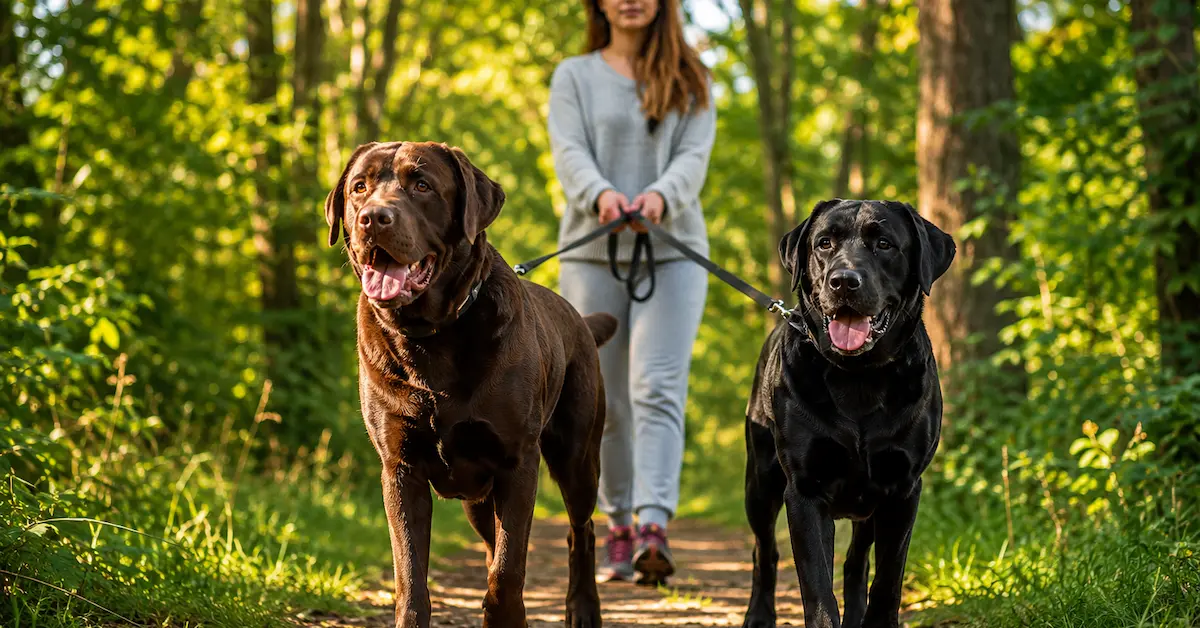
Medium-sized dogs are one of the most searched topics when people start thinking about getting a dog. And honestly, it makes sense. They are not too big to handle. Not too small to feel delicate. A lot of them fit into regular homes, work well with kids, and suit people who are getting a dog for the first time.
But here is the thing. Medium dogs are not all the same. A Whippet and a Border Collie are both medium dogs. They could not be more different to live with. One is calm and easy-going. The other needs a job, daily training, and serious outdoor time.
So picking the right medium dog means understanding what each breed actually needs. Not just what they look like in photos. This guide breaks it all down. Breeds, temperament, grooming, exercise, families, apartments, and first-time owners. Everything you need before making a decision.
What Are Medium Sized Dogs?
Most people consider a dog medium-sized when it weighs between 20 and 60 pounds. Height usually falls between 18 and 24 inches at the shoulder. But those numbers only go so far. Two dogs can weigh exactly the same and feel completely different in real life.
A Bulldog and a Whippet can both sit in the medium range. One is stocky, slow-moving, and happy on the sofa. The other is lean, fast, and needs room to run. When you think about medium-sized dogs, think beyond the weight chart. Think about energy level. Think about how much grooming the coat needs.
Think about how easy or hard the breed is to train. Think about whether the dog’s personality actually matches your lifestyle. That is where most people go wrong. They choose by looks. They should be choosing by lifestyle fit.
Why Medium Dogs Are So Popular
Medium dogs work for a wider range of people than very small or very large breeds. They are easier to manage than giant breeds. You can still pick them up when needed. They fit in a normal car. Food costs and vet bills are usually lower than with large dogs.
At the same time, they tend to be sturdier and more active than many small dogs. They can handle outdoor walks, family play sessions, and a bit of rough and tumble without getting hurt. Many medium-breed dogs are sociable and trainable.
They often do well with children, strangers, and other animals when properly socialised. Some medium dogs can even live in apartments. Not all of them. But some breeds manage small spaces well when their exercise needs are met every day.
That combination of manageability, activity level, and social nature is why so many families and first-time owners end up choosing a medium dog.
Medium Sized Dogs vs Small and Large Dogs

It helps to understand where medium dogs sit compared to the other size groups. Small dogs are easier to carry, cheaper to feed, and often well-suited to smaller homes. But some small breeds are more fragile than people expect. Young children can accidentally hurt a very small dog during play.
Some small breeds can also be more vocal or harder to train than their size suggests. Large dogs need more space, more food, and often more exercise. Some are incredibly gentle and laid-back. Others are very high-energy and need experienced handling. Vet bills and day-to-day costs go up with size.
Medium dogs often hit a sweet spot between the two. Sturdy enough to handle family life and outdoor activity. Small enough to manage in a regular home without needing a huge garden or a massive food budget. But lifestyle still matters more than size.
A high-energy medium dog in a small flat with a busy owner will not be happy. A calm medium dog with someone who provides daily walks, games, and company can thrive in a much smaller space. Think about your life first. Then find the dog that fits it.
Best Medium Dog Breeds for Families
Families need a dog that is patient, social, and able to handle the energy of children. These medium-breed dogs are often a strong fit for family life. But every dog is an individual. Genetics, early socialisation, training, and daily routine all shape behaviour. No breed is perfect for every family.
Labrador Retriever
Labs are friendly, patient, and generally brilliant with children. The Labrador Retriever is one of the most popular family dogs in the world for good reason. They settle into busy family life without too much trouble.
They are eager to please, which makes training fairly straightforward even for less experienced owners. Most Labs enjoy playtime and get on well with other animals. They need regular daily activity or they become restless indoors.
The main things to watch are exercise and weight. Labs love food and can gain weight quickly if meals are not managed carefully. A bored Lab with too much energy can get into things around the house.
Cocker Spaniel Cocker Spaniels are gentle, affectionate dogs that often bond closely with their families. They tend to be good with children and enjoy being involved in daily home life. They are not overly high-energy, which makes them manageable for many households.
They like company and can become anxious if left alone for long hours regularly.
Their coat needs real attention. Regular brushing is essential, and most Cocker Spaniels need professional grooming appointments to keep the coat healthy and tangle-free. Their ears are also prone to infections, so regular checks and cleaning are part of the routine.
Beagle
Beagles are curious, friendly, and full of personality. They generally get on well with children and other dogs. They are pack animals by nature and enjoy company. A Beagle that spends too much time alone can become vocal and find creative ways to entertain itself that you will not enjoy.
Their nose drives a lot of their behaviour. Once a scent catches their attention, they can switch off from everything else including your recall command. Working on this early and consistently makes a real difference.
Boxer
Boxers are energetic, loyal, and often genuinely brilliant with children. Many act like they think they are lap dogs regardless of their size. They bond closely with their families and are usually very playful and affectionate with kids. They are protective without being aggressive in most cases.
They need regular exercise and do not cope well in hot weather because of their flat face. Early training is important because they can be strong and boisterous. They suit active families who have time for real daily walks and play sessions.
Staffordshire Bull Terrier

Well-socialised Staffordshire Bull Terriers are known for being loyal, loving, and gentle with their families. Despite their tough reputation in some quarters, many owners describe Staffies as deeply devoted dogs that are especially affectionate with children they know.
They can be very playful and brave. They need consistent training and clear rules from the start. Early socialisation with other dogs is worth prioritising. They are physically strong, so working on lead manners and recall early makes daily life much easier.
English Springer Spaniel
English Springer Spaniels are enthusiastic, friendly, and energetic. They are great for active families who enjoy outdoor time. They train well and respond positively to reward-based methods. They tend to enjoy being involved in everything the family does.
Their coat needs regular brushing and occasional trimming. They can be quite excitable as young dogs, so patience and consistent training in the early months really pays off as they mature.
Good Medium-Sized Dogs for First-Time Owners
First-time dog owners need a breed that is manageable, trainable, and not too overwhelming while they are still learning. Good medium-sized dogs for new owners tend to respond well to positive training, do not have extreme exercise demands, and are social without being difficult to handle day to day.
Cocker Spaniel

Cocker Spaniels are one of the most recommended breeds for first-time owners. They are gentle, respond well to training, and are not as intense as working breeds. They enjoy home life and company. The main commitment is coat and ear care, which takes time and a regular grooming budget.
Whippet
Whippets are calm indoors and genuinely easy to live with for most people. They are affectionate and quiet at home. Outside, they enjoy a good sprint. Back inside, they settle quickly. They are not demanding or difficult, which suits people who are getting a dog for the first time.
Beagle
Beagles are friendly and approachable for new owners. They enjoy training sessions when kept fun and positive. Their nose-led independence and tendency to follow scents can be challenging. Working on recall consistently from the start helps a lot.
Standard Schnauzer

Standard Schnauzers are intelligent, loyal, and respond well to clear guidance. They are trainable and suit first-time owners who are willing to put time into learning alongside the dog. Their wiry coat needs brushing and occasional professional grooming or stripping.
Brittany Spaniel
Brittany Spaniels are friendly, eager, and generally easy to train. They are active dogs that enjoy exercise and outdoor time. They suit first-time owners who have a genuine daily commitment to walks and activity. They bond well with people and tend to be cooperative.
When choosing your first dog, be honest about your daily schedule, energy level, grooming budget, and home size. A breed that fits your real life is always a better choice than one that fits your ideal life.
Medium Dogs for Apartments and Smaller Homes
Some medium dogs can live happily in apartments or smaller homes. Energy level matters more than size here.
A calm medium dog that gets proper daily exercise and mental stimulation can settle well in a flat. A high-energy medium dog in the same flat without enough activity will find ways to entertain itself. Usually, ways that involve your furniture or your shoes.
Whippet

Whippets are often described as surprisingly good apartment dogs. They enjoy a proper run outdoors but settle quickly once back inside. They do not need a large garden, but they do need access to a safe, enclosed space for regular off-lead running.
Bulldog
Bulldogs are low-energy and happy, spending much of their day resting. They do not need heavy exercise, which works well in smaller homes. Their flat face can cause breathing issues, especially in hot weather or during intense activity. Speak with a vet about managing their health and keeping them comfortable.
Cocker Spaniel
Cocker Spaniels can adapt to flat living if they get daily walks and social time. They are not overly high-energy. They enjoy home company and settle well when their social and activity needs are met each day.
Standard Schnauzer

Standard Schnauzers can manage apartment life with proper daily exercise. They are alert dogs and can bark at sounds in the hallway or outside, so working on that early is helpful if you have neighbours close by.
Active Medium Dog Breeds
Some medium dogs need a lot more than a daily walk. These breeds were developed to work. They have high energy, sharp minds, and a strong need for purpose. Without enough activity and mental engagement, they can become frustrated, restless, or difficult to manage at home.
Border Collie
The Border Collie is one of the most intelligent dog breeds in the world. They are incredibly fast learners and thrive on tasks, training, and structured activity. They need daily mental and physical challenge. A bored Border Collie can develop obsessive behaviours or become destructive at home.
They suit experienced owners with an active lifestyle who can genuinely commit to training, games, and regular outdoor time. They are not a good fit for someone who wants a dog that is easy to manage with minimal effort.
Australian Shepherd

Australian Shepherds are energetic, driven, and quick to learn. They love having a job to do and bond closely with their owners. They need significant daily exercise and mental stimulation. They are better suited to active households where someone has real time for them.
English Springer Spaniel
Springer Spaniels were built for fieldwork and have serious stamina. They love to run and enjoy outdoor activities with their owners. They suit active families or people who enjoy long walks. They train well but need consistent activity to stay balanced and settled at home.
Brittany Spaniel
Brittany Spaniels are lively, enthusiastic, and love exercise. They respond well to training and enjoy outdoor activity. A good fit for active owners who want an engaged, energetic companion.
Boxer

Boxers are strong and playful and need real daily physical activity. They enjoy running, fetch, and interactive play. Without regular exercise, they can become boisterous and restless indoors.
Low-Maintenance Medium Dogs
No dog is completely maintenance-free. Every dog needs food, grooming, walks, vet visits, and daily attention. But some medium dogs are simpler to look after day to day than others.
Whippet
Whippets have short, smooth coats that need very little brushing. They are clean dogs and easy to manage at home. They are not heavy shedders. Their main daily need is a proper run in a safe, enclosed space.
Beagle

Beagles have short coats that are simple to manage. They do shed, but regular brushing keeps it under control. Their ears need checking regularly to prevent infections. They are generally easy-going, though their independent nature means training needs to be consistent.
Bulldog
Bulldogs do not need much exercise or coat maintenance. Their main grooming task is cleaning their facial wrinkles regularly to prevent skin irritation. Regular vet visits are important for monitoring their health.
Staffordshire Bull Terrier
Staffies have short, easy-care coats that are quick to maintain. Their main needs are regular walks, playtime, training, and social interaction. They are not demanding in terms of grooming at all.
Medium Dogs and Kids: What Families Should Know
A medium dog can be a wonderful addition to a home with children. But breed choice alone does not make it work. Training, supervision, and the habits you build from the start matter just as much.
Children should learn basic dog rules early. Do not pull ears or tails. Do not disturb the dog while it is eating or sleeping. Give the dog space when it walks away. These simple rules protect both the child and the dog.
Every dog should have a quiet space in the home. A bed or crate in a calm corner gives them somewhere to go when they need a break from the activity around them. Even the most patient dog should not be forced to interact when it wants to rest.
Supervision is important, especially with young children and any dog. Most incidents happen when adults step out of the room. It is just good practice regardless of breed or temperament.
Socialisation from puppyhood helps dogs become comfortable around children, different people, and changing environments. Training should start early and stay consistent as the dog grows.
Grooming Needs of Medium Sized Dogs
Grooming needs vary a lot across medium dog breeds. Short coats like those on Beagles, Whippets, and Staffordshire Bull Terriers need basic brushing, occasional baths, and regular nail trims. Generally easy to manage at home without much expense.
Long coats like Cocker Spaniels and English Springer Spaniels need more frequent brushing and regular professional grooming to keep the coat clean and free from tangles. Their ears need regular checking and cleaning to avoid infections.
Wiry coats like those on Standard Schnauzers and Brittany Spaniels need brushing and sometimes hand-stripping or professional clipping to keep the coat in good shape.
All dogs need nail trimming, ear checks, dental care, and regular baths. Grooming is not just about appearance. It is also a good opportunity to check for lumps, skin changes, ear problems, or anything worth mentioning to a vet at the next visit.
Exercise Needs of Medium Dogs
Exercise needs vary significantly across medium breed dogs.
Energy Level | Breed Examples | Daily Needs |
|---|---|---|
Lower | Bulldog, Whippet | Short walks and light play |
Moderate | Beagle, Cocker Spaniel, Staffordshire Bull Terrier | Daily walks and games |
High | Border Collie, Australian Shepherd, Springer Spaniel | Long walks, training, mental work |
Check the energy level of any breed before committing. A high-energy dog with a low-activity owner will not thrive. And a calm dog with an owner who wants a running partner may also be a mismatch.
Mental activity matters just as much as physical exercise for many breeds. Training games, sniff walks, puzzle feeders, and interactive play all help keep dogs balanced and settled at home.
Common Health Things to Consider
Every breed has its own health tendencies. This is a general overview only. Always speak with a vet or a responsible breeder for breed-specific health information before making decisions.
Weight control matters for all medium dogs. Carrying extra weight puts pressure on joints and overall health.
Joint care is worth discussing with a vet, especially for active breeds that run and jump regularly.
Ear infections are more common in breeds with floppy ears like Cocker Spaniels and Beagles. Regular checks and cleaning help prevent problems building up.
Breathing issues can affect flat-faced breeds like Bulldogs. Avoid heavy exercise in hot or humid conditions. Speak with a vet about the best way to manage their health.
Hip and elbow issues can appear in some active and working breeds. Asking breeders about health testing done on parent dogs is a smart step.
Regular vet checks help catch problems early. Annual health checks, vaccinations, dental care, and parasite control are all part of responsible ownership.
Best Medium Dog Breeds Comparison Table
Breed | Best For | Energy Level | Grooming | First-Time Owner Fit |
|---|---|---|---|---|
Labrador Retriever | Families, active homes | High | Low to moderate | Yes |
Boxer | Active families | High | Low | Yes with patience |
Bulldog | Calm homes, apartments | Low | Low with wrinkle care | Yes |
Cocker Spaniel | Families, new owners | Moderate | High | Yes |
Beagle | Families, social homes | Moderate | Low | Yes |
Whippet | Calm homes, apartments | Moderate bursts | Very low | Yes |
Border Collie | Experienced active owners | Very high | Moderate | Not ideal |
Australian Shepherd | Active experienced owners | Very high | Moderate | Not ideal |
English Springer Spaniel | Active families | High | Moderate to high | With commitment |
Staffordshire Bull Terrier | Families, social homes | Moderate to high | Very low | Yes with training |
Standard Schnauzer | Active homes, new owners | Moderate | Moderate | Yes |
Brittany Spaniel | Active owners, new owners | High | Moderate | Yes |
How to Choose the Right Medium Dog Breed
Start with your real life. Not the life you plan to have one day.
Home size. Do you have a garden? A flat? Stairs? Wide hallways? Some dogs manage smaller spaces better than others. Think about what the dog’s daily indoor life will actually look like.
Kids. If you have young children, look for breeds known for patience and gentleness. Plan for supervision regardless of which breed you choose.
Work schedule. How many hours will the dog be alone each day? Most dogs do not cope well with long hours of isolation. Some breeds handle it better than others.
Grooming budget. Some medium dogs need professional grooming every six to eight weeks. That cost adds up over a year. Make sure it fits your budget before choosing a high-maintenance coat.
Exercise time. Be honest. How much time can you genuinely give to walks and outdoor activity every day? Not on a good day. On a busy Tuesday in November.
Training patience. Some dogs pick things up quickly. Others need more repetition and consistency. Think about whether you have time for regular training sessions or a puppy class.
Barking. Some medium dog breeds are more vocal than others. If you live in a flat or close to neighbours, this matters more than you might think before moving in.
Allergies. If someone in the home has allergies, spend time with the breed before committing. No dog is completely allergy-free, but coat type and shedding level can make a difference.
Adoption or breeder. Rescue dogs of all shapes and sizes are available through shelters and breed-specific rescues. A reputable breeder should health test their dogs, raise puppies in a proper environment, and offer support after you take the dog home.
Final Thoughts
Medium-sized dogs can be a great fit for families, homes, and first-time owners. They offer a balance that many people find practical. Manageable in size. Social in personality. Active enough to be genuinely enjoyable companions without being overwhelming.
But no breed is right for everyone. A Boxer needs far more activity than a Bulldog. A Border Collie needs far more mental engagement than a Beagle. A Cocker Spaniel needs far more coat care than a Whippet.
Think honestly about your daily routine before choosing. Think about energy, grooming, training, space, and how much time you have every day — not just at weekends. The right medium dog for your home is the one you can genuinely care for well every single day. That is the one worth choosing.
FAQs About Medium Sized Dogs
What is considered a medium sized dog?
Medium sized dogs generally weigh between 20 and 60 pounds and stand around 18 to 24 inches at the shoulder. Build and energy level vary widely within this range, so weight alone does not tell you what a breed is like to live with day to day.
What are the best medium sized dogs for families?
Labrador Retrievers, Cocker Spaniels, Beagles, Boxers, Staffordshire Bull Terriers, and English Springer Spaniels are often strong family choices. The right breed depends on your family’s activity level, home size, children’s ages, and daily routine.
Are medium dogs good for first-time owners?
Some are. Cocker Spaniels, Whippets, Beagles, Standard Schnauzers, and Brittany Spaniels tend to be manageable for new owners. High-energy working breeds like Border Collies and Australian Shepherds can be harder to handle without experience.
Can medium dogs live in apartments?
Yes, some can. Whippets, Bulldogs, Cocker Spaniels, and Standard Schnauzers can adapt to smaller spaces when their daily exercise and mental activity needs are met consistently. Energy level matters more than size when it comes to apartment suitability.
Which medium dogs need the least grooming?
Whippets, Beagles, and Staffordshire Bull Terriers have short, easy-care coats. All dogs still need nail trims, ear checks, dental care, and baths, but these breeds are among the simpler options for day-to-day coat maintenance.
Are medium sized dogs good with kids?
Many are, when properly socialised and trained from puppyhood. Supervision always matters regardless of breed. Children should be taught how to interact gently and respectfully with any dog and how to give a dog space when it needs a break.
