


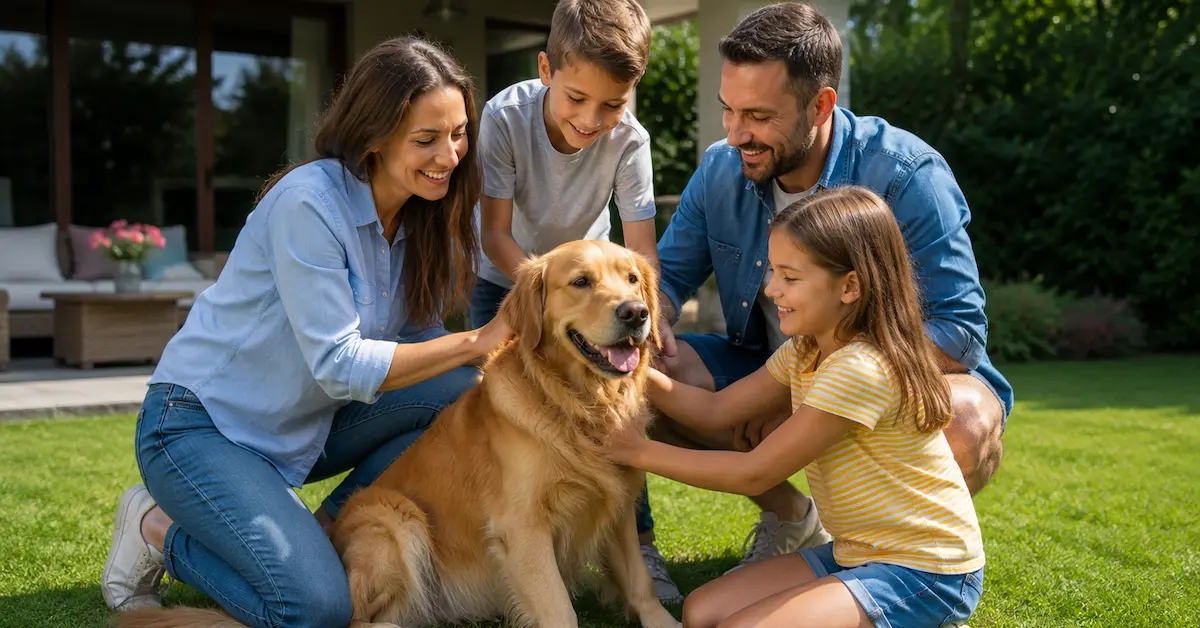
Introduction: The Majestic World of Large Breed Dogs
Welcoming a massive canine into your home is an incredibly rewarding journey. Many pet parents are naturally drawn to the undeniable presence and loyalty of large dog breeds. However, managing these beautiful animals requires deep preparation and structural lifestyle changes. This master guide delivers an extensive blueprint specifically designed for modern American households.
Why Choose a Large Canine Companion?
First and foremost, big dogs offer an exceptional blend of protective instincts and gentle companionship. Consequently, millions of families across the United States prefer them over smaller toy breeds. Furthermore, their historical background as working assets makes them highly cooperative training partners. Therefore, they naturally integrate into active outdoor lifestyles.
Setting Realistic Expectations for Care

On he other hand, physical scale brings massive operational responsibilities. For instance, dietary budgets and veterinary expenses increase significantly with size. In addition, handler control during leash training becomes a vital safety metric.
As a result, choosing from the vast large dog breeds list requires careful self-auditing. Let us dive deep into the essential parameters of large canine ownership in 2026.
Defining the Scale: What Classifies as a Large Breed?
Before reviewing specific bloodlines, we must establish accurate physical metrics. Generally, kennel clubs categorize dogs based on targeted adult weight windows. Understanding these boundaries helps owners prepare for exact spatial and nutritional demands.
The Weight and Height Thresholds
Typically, standard large breed dogs weigh anywhere between 56 and 99 pounds when fully mature. Additionally, their shoulder height generally ranges from 22 to 27 inches. In contrast, any canine tipping the scales over 100 pounds moves into the giant dog breeds territory.
Why Structural Scale Matters for Placement

Consequently, these physical dimensions dictate your entire living environment. For example, narrow staircases and small vehicles can become immediate daily hurdles. Therefore, understanding the structural layout of your home is crucial before selecting a puppy. Let us look at how these metrics influence your long-term commitment.
The Master Breakdown: Best Large Dog Breeds for American Homes
The United States is home to a vast variety of large canine lines. Each line possesses a unique behavioral blueprint, shedding profile, and historical purpose. Below, we examine the top contenders dominating American households this year.
1. The Labrador Retriever: America’s Sweetheart
For decades, the Labrador Retriever has maintained an iron clad position as a premier family pet. Their exceptionally friendly disposition makes them highly compatible with busy suburban neighborhoods.
Behavioral Profile and Energy Needs

Furthermore, Labs possess an inherent desire to please their human handlers. As a result, training them is an incredibly smooth process for active owners. However, they require consistent physical outlets to prevent obesity. Consequently, daily fetch sessions and swimming trips are highly recommended.
Maintenance and Coat Management
Additionally, their short, water-resistant double coat sheds heavily during seasonal changes. Therefore, weekly brushing is an absolute necessity to manage loose fur. In addition, their high food drive requires strict portion monitoring from early puppyhood.
2. The German Shepherd: The Loyal Protector
If you are looking for unmatched loyalty and sharp defensive instincts, the German Shepherd is a standout choice. Historically bred for herding, these dogs have transitioned into elite working assets globally.
Intelligence and Structural Training

Consequently, they rank among the smartest big dog breeds on earth. They crave structured tasks and mental puzzles to keep their minds sharp. Therefore, basic obedience training must begin the exact week they arrive at your home.
Socialization Targets for Security
However, their natural protective instincts can transform into over-arousal without early intervention. For this reason, exposing them to neutral strangers and diverse environments is vital. As a result, they quickly develop into the best guard dogs for families without becoming liabilities.
3. The Golden Retriever: Gentle and Patient
Similar to their Labrador cousins, Golden Retrievers are celebrated for their gentle, patient demeanor. They excel in emotional intuition, making them premier therapy and service animals.
Family Compatibility Metrics

Therefore, they are frequently rated as the ultimate large dog breeds for families with kids. They handle the chaotic energy of young children with remarkable grace and calmness. Furthermore, they are highly social with other household pets and visiting animals.
Grooming Demands for the Long Coat
On the flip side, their beautiful golden coats require significant grooming investments. Regular brushing is mandatory to prevent painful matting around the ears and legs. Additionally, professional trimming every few months keeps their coat structurally sound and tidy.
4. The Rottweiler: The Confident Guardian
Rottweilers are ancient drover dogs that carry an immense physical presence and a deeply calm, confident demeanor. When bred responsibly, they are incredibly devoted protectors of their immediate family unit.
Handler Dynamic and Leadership

Consequently, they require an experienced hand who understands canine leadership. They are highly sensitive to family dynamics and respond best to positive reinforcement. Therefore, harsh training methods should be strictly avoided with this powerful line.
Managing Physical Power
Because of their dense muscular structure, a mature Rottweiler can easily knock over furniture or guests during excitement. Thus, enforcing calm behavior inside the house is a primary training milestone. As a result, they grow into steady, reliable home companions.
5. The Boxer: The Energetic Comedian
Boxers are famous for their playful, high-energy personalities and distinct brachycephalic profiles. They possess a youthful spirit that lasts well into their senior years.
Athleticism and Exercise Routines

Consequently, they need active families who can provide energetic daily play sessions. For instance, running in an enclosed yard or playing agility sports keeps them fit. Furthermore, mental stimulation prevents them from developing unwanted hyperactive habits indoors.
Guardianship and Family Loyalty
Despite their silly nature, Boxers are naturally protective of their human packs. They evaluate strangers carefully and alert owners to any unusual sounds. Therefore, they balance the roles of an affectionate clown and a watchful guardian beautifully.
6. The Bernese Mountain Dog: The Gentle Giant
Hailing from the Swiss Alps, the Bernese Mountain Dog is famous for its striking tricolor coat and calm, easygoing personality. They are built to thrive in colder environments.
Indoor Temperament and Daily Flow

Additionally, they are highly placid inside the home compared to high-strung herding breeds. They enjoy lounging near family members and display extreme patience with young children. Consequently, they make excellent indoor companions despite their massive frame.
Health Challenges and Coat Care
However, their thick double coat sheds continuously throughout the year. Therefore, daily brushing sessions are required to minimize loose fur on your carpets. Furthermore, owners must monitor their joint health closely due to their heavy bone structure.
Family Dynamics: Large Dog Breeds That Are Good with Children
Introducing a massive canine into a household with young kids requires perfect breed selection. Not all large dogs possess the innate patience required to handle toddlers safely. Let us look at the top lines celebrated for their child-friendly temperaments.
The Standard for Child Safety

First, a great family dog must have a high threshold for noise and sudden movements. For instance, breeds like the Bernese Mountain Dog and the Collie are naturally gentle in these scenarios. Consequently, they act as stable, reassuring fixtures in active family rooms.
Managing the Size Disconnect
However, even the most patient big dog can accidentally cause injuries due to pure physical scale. For example, a joyful wagging tail can easily knock over a small toddler. Therefore, constant adult supervision is a non-negotiable rule for any family household.
Teaching Kids Proper Boundaries
In addition, child safety is a two-way street that requires parental guidance. Parents must explicitly teach children never to disturb a resting or eating canine. By enforcing these mutual boundaries, you create a completely safe environment for both your kids and your pet.
The Beginner’s Dilemma: Best Large Dog Breeds for First-Time Owners

Can a novice pet parent successfully manage a 90-pound canine? The answer is yes, provided they avoid highly independent or stubborn working lines. Selecting an adaptable, forgiving breed is the key to a successful first-time experience.
Avoiding the Stubborn Traps
For example, novice owners should generally stay away from breeds like the Akita or the Tibetan Mastiff. These specific lines possess intense independent streaks that require expert handling. Consequently, a first-time owner can quickly find themselves overwhelmed by behavioral issues.
The Forgiving First-Time Contenders
Instead, beginners should focus on highly motivated, people-pleasing breeds. For instance, the Standard Poodle and the Boxer are excellent alternative choices for novices. Furthermore, these breeds are highly forgiving of minor training mistakes made by learning owners.
The Role of Professional Guidance

Additionally, first-time owners should proactively budget for professional puppy classes. Investing in expert guidance during the first six months builds a rock-solid foundation. Therefore, you can confidently navigate the challenges of large breed dog care without stress.
Spatial Realities: Large Breed Living Logistics in the US
A common misconception is that massive dogs require sprawling country mansions to survive. In reality, their indoor energy levels dictate home suitability far more than pure square footage. Let us unpack the logistics of housing a big canine.
The Myth of the Massive Yard
Surprisingly, many large dogs are incredibly lazy indoors once their daily exercise is complete. For instance, a mature Great Dane or Greyhound is perfectly content sleeping on a sofa for hours. Therefore, apartment living is completely doable if you commit to dedicated outdoor walks.
Navigating Rental Restrictions

However, finding pet-friendly rental housing with a big dog can be an uphill battle in the US. Many American property management groups enforce strict weight limits, often capping dogs at 25 or 50 pounds. Consequently, prospective owners must carefully review lease agreements before bringing a puppy home.
Fencing Requirements for Suburban Homes
For suburban homeowners, a secure, physical fence is an invaluable asset for safety. Many athletic large breeds can easily clear a standard four-foot barrier when chasing local wildlife. Therefore, investing in a solid six-foot privacy fence is highly recommended for security.
Health and Longevity: The Reality of Large Breed Lifespans
While large canines bring immense joy, they age significantly faster than their smaller counterparts. This biological reality is something every prospective owner must accept before making a commitment.
The Cellular Aging Disconnect
On average, small toy dogs frequently live for 15 to 18 years without major structural declines. In contrast, standard large dogs have an expected lifespan of roughly 10 to 12 years. Consequently, their senior life phase arrives much earlier in their journey.
Common Orthopedic Vulnerabilities
Furthermore, large scale frames place immense mechanical stress on joints and bones. For this reason, genetic conditions like hip and elbow dysplasia are common in big lines. Therefore, purchasing puppies exclusively from health-tested parental lines is a critical safety step.
The Danger of Gastric Torsion (Bloat)
Additionally, deep-chested large breeds are uniquely prone to Gastric Dilatation-Volvulus (GDV), commonly known as bloat. This condition is a sudden, life-threatening medical emergency where the stomach twists. To prevent this, owners should use elevated slow-feed bowls and avoid intense exercise immediately after meals.
Financial Planning: Budgeting for Large Breed Dog Care
The lifetime cost of owning a massive dog is a major financial commitment. From monthly grocery bills to specialized veterinary care, expenses scale up parallel to your pet’s body weight.
The Monthly Food Bill Reality
First and foremost, a mature 90-pound canine consumes an immense amount of calorie-dense kibble. For instance, a premium large-breed diet can easily cost between $80 and $130 per month. Consequently, food expenditures represent a massive portion of your ongoing annual budget.
Veterinary Expenses and Weight-Based Pricing
Furthermore, modern veterinary medicine prices many life-saving drugs and treatments strictly by body weight. For example, routine flea, tick, and heartworm preventatives cost significantly more for large sizes. In addition, anesthesia costs during standard surgeries are substantially higher.
The Value of Modern Pet Insurance
Therefore, securing a comprehensive pet insurance policy during puppyhood is an exceptionally smart move. A sudden orthopedic surgery can easily cost upwards of $5,000 to $8,000 out of pocket. By investing in insurance early, you protect both your family finances and your canine’s health.
Nutrition and Diet: Feeding a Large Breed Correctly
Proper nutrition is the absolute foundation of structural health for a growing large breed puppy. Feeding them incorrectly during their first year can cause permanent skeletal damage.
Managing Accelerated Growth Rates
Large puppies experience an incredibly rapid skeletal growth window during their first twelve months. If they grow too quickly, their bones can become weak and structurally compromised. Therefore, they must be fed specialized large-breed puppy formulas with precise calcium-to-phosphorus ratios.
The Dangers of Free-Feeding
Additionally, free-feeding (leaving a full bowl out all day) should be strictly avoided with big lines. Free-feeding encourages rapid overeating and sudden weight spikes that destroy developing joints. Instead, utilize structured, measured meals spaced evenly throughout the day.
Incorporating Joint Supplements Early
As your large companion matures into adulthood, transitioning to an advanced joint support diet is highly beneficial. Look for formulas rich in glucosamine, chondroitin, and omega-3 fatty acids. These specific nutrients keep joint cartilage well-lubricated and reduce inflammation over time.
Essential Training Protocols for Big Canines
An untrained 10-pound dog is an annoyance; an untrained 90-pound dog is an absolute safety hazard. Therefore, obedience training is not an optional hobby—it is a foundational pillar of responsible ownership.
Achieving Perfect Loose-Leash Walking
First, you must teach your big puppy to walk politely on a loose leash before they outgrow your physical strength. If a mature German Shepherd decides to lunge after a squirrel, a standard handler can easily be pulled off balance. Consequently, utilizing front-clip harnesses and positive leash boundaries is highly recommended.
Enforcing the “Four on the Floor” Rule
Furthermore, jumping up to greet people must be corrected immediately during puppyhood. A cute 15-pound puppy jumping up is harmless, but a 100-pound adult doing the same can severely injure a guest. Teach your canine that they only receive affection when all four paws are firmly on the ground.
The Importance of Radical Socialization
Finally, expose your growing dog to a vast array of sights, sounds, surfaces, and neutral animals. True socialization does not mean letting your dog greet every person they see. Rather, it means teaching your dog to remain calm, neutral, and focused on you in public settings.
Grooming and Maintenance: Managing Big Coats
Grooming a large canine requires a strategic routine to keep your home hair-free and your pet’s skin healthy. Ignoring their coat can lead to severe matting, hot spots, and hidden skin infections.
Navigating Seasonal Shedding Blowouts
Many double-coated large breeds undergo massive shedding events twice a year, commonly called “blowing coat.” During these weeks, undercoat fur will drop in massive clumps across your floors. Consequently, purchasing a heavy-duty undercoat rake and a high-velocity pet dryer is an exceptional investment.
Nail Maintenance for Heavy Frames
Additionally, keeping their nails trimmed short is vital for proper skeletal alignment. If a heavy dog’s nails are too long, it forces their paws to tilt upward, shifting their natural gait. Therefore, trim their nails every two to three weeks using heavy-duty clippers or a rotary grinder.
Professional vs Home Grooming Setup
Because of their size, bathing a big dog in a standard home bathtub can be an exhausting, messy ordeal. Many American pet stores now offer self-service dog wash stations equipped with waist-high tubs. Alternatively, budgeting for a professional grooming session every six weeks saves immense time and effort.
Activity Maps: Exercise Requirements for Large Canines
To keep a large dog well-behaved indoors, you must satisfy their instinctual need for movement and exploration. However, exercise must be adjusted carefully based on their age and structural development.
Protecting Puppy Growth Plates
First, avoid high-impact repetitive exercise, such as long jogs on concrete, until your puppy is at least 18 months old. Their growth plates remain open and vulnerable during this window. Instead, stick to natural, self-paced play sessions on soft grass surfaces.
Daily Mental Stimulation Strategies
Furthermore, physical walks alone are rarely enough to satisfy working and herding lines. For instance, incorporating nosework games, tracking trails, and agility courses can tire a dog out faster than a three-mile run. Therefore, mental stimulation should be an active part of your daily routine.
Safe Off-Leash Exploring Areas
When exploring public spaces off-leash, always prioritize enclosed, legally designated dog parks or private sniffing fields. Because of their intimidating size, unexpected off-leash large dogs can cause panic among other hikers. Respecting public leash laws ensures a smooth, stress-free experience for everyone in your local community.
Professional Working Profiles: Beyond the Family Sofa
Many large dog lines excel in advanced utility tasks that go far beyond standard family companionship. Their physical strength and mental focus make them irreplaceable assets in specialized sectors.
Search and Rescue Operations
First, breeds like the Labrador Retriever and Bloodhound serve as critical pillars in global Search and Rescue (SAR) units. Their powerful olfactory systems allow them to locate missing persons across treacherous terrains. Consequently, law enforcement agencies rely heavily on their tracking precision.
Service and Therapy Roles
Furthermore, large dogs provide life-changing physical assistance to individuals with disabilities. For instance, a Golden Retriever can be trained to open doors, retrieve dropped items, or alert a handler to medical emergencies. Therefore, their structural size acts as a functional balance asset for human support.
Summary: Embracing the Journey of Large Breed Ownership
In conclusion, navigating the world of large dog breeds is an immensely fulfilling path that changes your lifestyle for the better. While the financial reality, spatial planning, and training milestones require substantial dedication, the reward is an unparalleled bond with a devoted companion.
By selecting a breed that aligns with your household’s actual routine, investing in early socialization, and prioritizing preventative veterinary care, you ensure a joyful life journey together. Choose your large companion wisely, train them with love and consistency, and welcome the magnificent experience of owning a true gentle giant.
Advanced Large Breed Care
Caring for large breed dogs is not just about food and walks. Big dogs need steady routines, safe spaces, weight control, training, and regular health checks.
Because many large breeds weigh close to 100 pounds, small problems can become serious fast. Extra weight can strain their joints. Poor leash manners can become a safety issue. Slippery floors, narrow stairs, and high car jumps can also affect their long-term comfort.
So, owners should plan ahead. Use a supportive bed, keep the dog at a healthy weight, provide daily movement, and watch for early signs of pain, stiffness, or low energy. A large dog can live a happier life when care is simple, consistent, and matched to its size. If your dog starts limping, moving slowly, or avoiding stairs, it may be linked to hip dysplasia, so book a vet check early.
Weight Management and Senior Care
Large dogs need careful weight control because extra pounds put pressure on their joints. Even a small weight gain can make walking, running, and climbing stairs harder.
As large dogs get older, they may develop stiffness, arthritis, or hip problems. Owners can help by keeping meals measured, giving daily low-impact exercise, and using non-slip rugs on smooth floors.
A soft orthopedic bed also helps protect the dog’s joints and pressure points. If your dog starts limping, moving slowly, or avoiding stairs, book a vet check early.
Home Safety and Climate Control
Large dogs need a home setup that matches their size. Heavy and double-coated breeds, like Bernese Mountain Dogs and long-haired German Shepherds, can get hot faster in warm weather. Keep them in cool rooms, provide shade, and avoid hard exercise during peak heat.
Home layout also matters. Slippery floors, steep stairs, and high car jumps can put stress on their joints. Use non-slip rugs, low steps, ramps, and a supportive bed to make daily movement safer.
Small changes in the home can protect a large dog’s joints, reduce injury risk, and keep them more comfortable as they age.
Advanced Nutritional Calculations and Dietary Profiles
Formulating a long-term nutritional program for a large breed companion involves more than simply calculating raw volume parameters. Large breed dogs have distinct metabolic rates per unit of body surface area compared to small toy lines, meaning their diets require exact caloric control.
This precision prevents rapid growth spurts in puppies and unwanted fat storage in mature adults. Food selection should focus on formulas containing premium, bioavailable proteins alongside accurate mineral balances to support steady skeletal development.
Calcium and Phosphorus Balance
Large breed puppies grow fast, so their food must support steady bone growth. Too much calcium or too many calories can make them grow too quickly, which may put stress on developing joints and bones.
Choose a large-breed puppy formula with a balanced calcium-to-phosphorus ratio. Also, measure meals instead of free-feeding, so your puppy grows at a safe and healthy pace.
Joint Supplements for Large Dogs
As large dogs get older, their joints need extra support. Supplements like glucosamine, chondroitin, and omega-3 fatty acids may help support cartilage, joint comfort, and smoother movement.
These supplements work best when used early with a healthy weight, steady exercise, and vet guidance. They are not a cure, but they can be part of a good joint care plan for large breed dogs.
Advanced Behavioral Control and High-Distraction Obedience
Achieving reliable behavioral control over a ninety-pound animal requires shifting from basic food reward conditioning to structured high-distraction focus protocols. Given their physical leverage, verbal control.
Must remain absolute even when the dog is under high emotional arousal, such as when encountering target wildlife or unfamiliar dogs in public spaces. Training routines should focus on building reliable compliance by clear situational positioning and impulse control frameworks.
Simple Reward-Based Training
Large dogs learn better when training feels clear and fair. Instead of pulling the leash or forcing control, ask for a simple behavior first, like sit, look at me, or wait.
Then reward the dog with what it wants, such as sniffing, walking forward, or exploring safely. This teaches the dog that calm behavior opens the door to freedom, while pulling stops progress.
Emergency Recall and Distance Commands
Large dogs need a strong recall command for safety. Use one special word only for urgent moments, and reward it with high-value treats every time during training.
Also teach distance commands like “down” or “wait” so you can stop your dog from far away. These commands can prevent accidents near roads, wildlife, other dogs, or crowded public spaces.
Emergency Preparedness and Veterinary Management Strategies
Establishing a comprehensive emergency management plan is crucial due to the unique medical vulnerabilities associated with large physical frames. If an acute medical crisis occurs, handling a heavy, non-ambulatory canine requires specific preparation, specialized equipment, and clear logistical coordination beforehand.
Bloat Warning in Large Dogs
Deep-chested large dogs can be at risk of bloat, also called GDV. Warning signs include dry retching, drooling, a swollen belly, restlessness, and sudden distress.
This is an emergency, so call your vet or an emergency clinic right away. To lower the risk, avoid hard exercise right before or after meals, use measured feeding, and ask your vet about prevention options.
Emergency Moving Plan
Large dogs can be hard to move if they get hurt during hiking, travel, or outdoor play. Keep a strong transport sling or large-dog stretcher in your emergency kit so you can lift your dog safely without hurting your back.
It also helps to train your dog to accept gentle handling and a soft muzzle. Even a calm dog may bite when in pain, so planning ahead protects both the dog and the people helping it.
Summary Matrix: Comprehensive Large Breed Profiles
To conclude this master guide, the following reference table outlines the specific physical benchmarks, operational costs, and core training challenges associated with the premier large dog breeds discussed above.
| Breed Name | Average Weight Window | Primary Exercise Outlet | Estimated Monthly Food Budget | Core Training Focus |
| Labrador Retriever | 65 – 80 lbs | Swimming & Fetch High Intensity | $90 – $120 | Dietary Control & Retreival Impulse |
| German Shepherd | 75 – 95 lbs | Structured Nosework & Agility | $100 – $140 | Early Socialization & Arousal Control |
| Golden Retriever | 60 – 75 lbs | Long Leash Walking & Retrieval | $85 – $110 | Coat Maintenance & Gentle Boundaries |
| Rottweiler | 85 – 115 lbs | Weight-Pulling & Obedience | $110 – $150 | Handler Authority & Calm Greetings |
| Boxer | 55 – 75 lbs | Enclosed Yard Sprinting & Play | $80 – $110 | Correcting Jump Behaviors & Focus |
| Bernese Mountain Dog | 80 – 110 lbs | Low-Impact Hiking Trails | $120 – $160 | Shedding Management & Joint Tracking |
FAQs About Large Dog Breeds
What is considered a large dog breed?
Most large dog breeds weigh around 56 to 99 pounds as adults. Dogs over 100 pounds are usually closer to giant dog breeds.
What is the best large dog breed for families?
Labrador Retrievers, Golden Retrievers, and Bernese Mountain Dogs are strong family picks because they are usually gentle, loyal, and good with children.
Are large dog breeds good for first-time owners?
Yes, but breed choice matters. Labradors, Golden Retrievers, Boxers, and Standard Poodles are often easier for first-time owners than stubborn working breeds.
Do large dogs need a big house?
Not always. Some large dogs can live well in smaller homes if they get daily walks, training, and enough mental activity.
How much does it cost to care for a large dog?
Large dogs usually cost more than small dogs because they need more food, larger gear, and higher weight-based vet care. Budget planning is important.
