


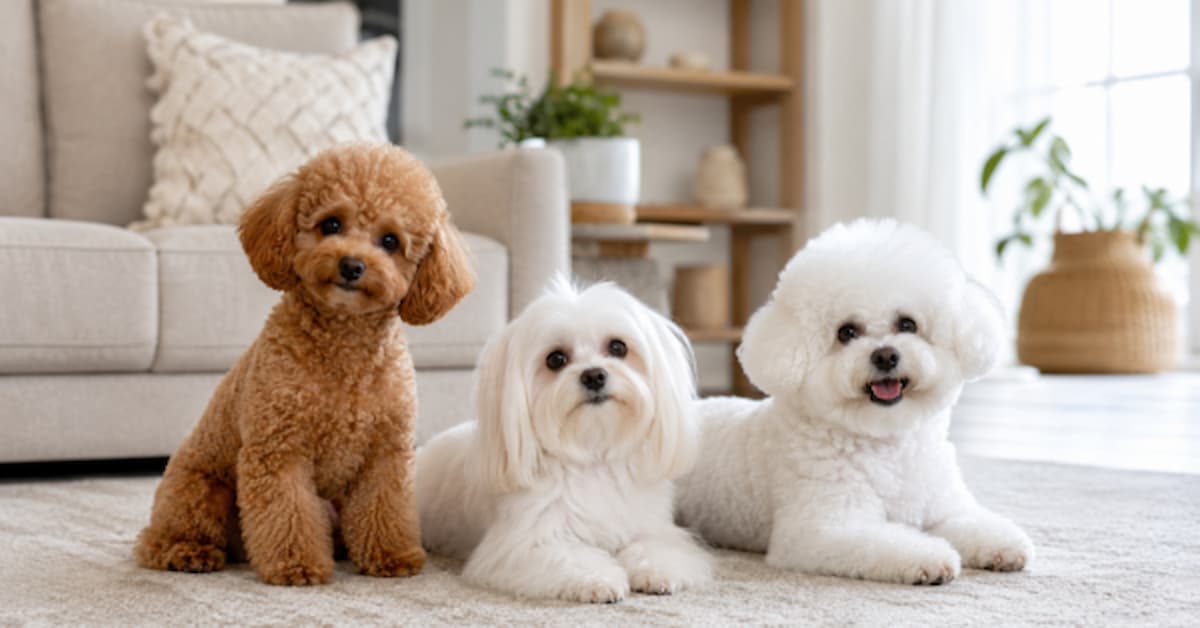
Small dogs are already easy to love. They fit in smaller homes, travel better, and usually take up less space on the sofa. But when a small dog also sheds less, that makes life even easier for many owners. Less hair on clothes. Less fur on beds. Less vacuuming every day.
For apartment owners, families, and allergy-sensitive people, that can be a big reason to choose carefully. Still, one thing should be clear from the start. No dog is truly 100% shed-free or allergy-free. Some dogs simply shed much less than others.
Their coat may hold loose hair instead of dropping it all over the house. That sounds great, but it usually means more brushing and grooming. So the real question is not just, “Which small dogs don’t shed?” The better question is, “Which low-shedding small dog fits my home, budget, and routine?”
What Does “Small Dog Breeds That Don’t Shed” Really Mean?
When people say small dog breeds that don’t shed, they usually mean small dogs that shed very little. Most dogs shed at least a little. Some shed so lightly that owners barely notice loose hair around the home. Low-shedding dogs often have curly, silky, or hair-like coats.
These coats may trap dead hair instead of dropping it on the floor. That is why breeds like Toy Poodles, Maltese, Bichon Frises, and Shih Tzus are popular with people who hate cleaning dog hair.
But there is a trade-off. Low-shedding coats usually need more care. If you do not brush them, they can tangle, mat, and pull on the skin. So yes, low-shedding dogs can keep your home cleaner. But they still need real grooming.
Are Low-Shedding Dogs Hypoallergenic?
Many people search for hypoallergenic small dogs because someone in the home has allergies. Low-shedding dogs may help some allergy-sensitive people because they spread less hair and dander around the home. But allergies are not only caused by dog hair.
Dander, saliva, and skin proteins can also trigger symptoms. That means even a low-shedding dog can still bother someone with strong allergies. Before bringing a dog home, spend time around the breed if possible.
Visit a breeder, rescue, or friend who owns that breed. See how your body reacts. A cute puppy is not worth daily sneezing, itchy eyes, or breathing trouble. If allergies are serious, talk to a doctor first.
Best Small Dog Breeds That Don’t Shed

Some small dogs are known for shedding less than others. They are not all the same, though. Some are calm. Some are active. Some need a groomer every few weeks. Some are better for apartments. Others need more training and play. Below are some of the best low-shedding small dogs for homes, apartments, and families.
Toy Poodle
The Toy Poodle is one of the best small dogs that don’t shed much. Its curly coat catches loose hair, so you do not see as much fur around the home. Toy Poodles are also smart. They learn quickly and enjoy training games. This makes them a good fit for owners who want a small dog that can do more than sit around.
Still, the coat needs work. A Toy Poodle needs regular brushing and professional grooming. If the coat is ignored, it can mat badly. This breed suits owners who want a clever, low-shedding small dog and can handle grooming costs.
Bichon Frise
The Bichon Frise looks like a little white cotton ball. It is cheerful, friendly, and often a good choice for families or first-time owners. Bichons do not shed much, but their curly coat needs steady care. Loose hair stays in the coat, so brushing and grooming are not optional.
Without care, the coat can become tight and uncomfortable. A Bichon is best for someone who wants a happy, small companion and does not mind regular grooming. This breed can work well in apartments too, as long as it gets walks, playtime, and attention.
Maltese

The Maltese is tiny, gentle, and famous for its long white coat. This breed sheds very little, which makes it popular with people who want a clean home and a small indoor dog. Maltese dogs are usually loving and people-focused. They enjoy sitting close, playing indoors, and going for short walks.
But the coat is high maintenance. Long Maltese hair needs brushing often. Many owners keep it in a shorter puppy cut because it is easier to manage. This breed fits calm homes best. It may be too delicate for rough young children.
Shih Tzu
The Shih Tzu is another small dog that sheds less than many common breeds. Its long coat can look fancy, but most pet owners keep it trimmed short for comfort and easier care. Shih Tzus are usually friendly, loving, and happy indoors.
They do not need hard exercise, so they can suit apartments and family homes. The main work is grooming. The coat can tangle around the ears, legs, belly, and tail. A Shih Tzu is a good pick for someone who wants a sweet indoor dog and can keep up with brushing or grooming appointments.
Havanese
The Havanese is small, social, and full of charm. This breed has a soft coat that sheds lightly, but it still needs regular brushing. Havanese dogs often love people and enjoy being part of daily home life. They can do well with families, singles, and apartment owners.
They are not the best choice for someone who is away all day. A Havanese can become lonely if ignored for long hours. It wants company, play, and attention. If your home has time for grooming and companionship, this breed can be a lovely low-shedding choice.
Yorkshire Terrier

The Yorkshire Terrier, or Yorkie, is small, bold, and low-shedding. Its coat is more like hair than typical dog fur. That means less loose hair around the house, but more grooming work. Yorkies can be loving and loyal, but they also have a confident personality.
They may bark at sounds, visitors, or other dogs if not trained early. This breed works best with owners who enjoy a small dog with attitude. A short trim can make the coat easier to manage. If you keep the coat long, brushing becomes a bigger part of daily care.
Miniature Schnauzer
The Miniature Schnauzer is a sturdy small dog with a wiry coat. It sheds less than many breeds and often works well for families who want a small but active dog. Miniature Schnauzers are smart and alert. They enjoy walks, training, and being included in the home.
They can also act like little watchdogs. That means barking may need control from the start. The coat needs brushing and trimming. Many owners use a groomer to keep the beard, eyebrows, and body coat neat. This breed suits active homes that want a low-shedding dog with personality.
Coton de Tulear
The Coton de Tulear is a small companion dog with a soft, cotton-like coat. It is known for being cheerful, gentle, and attached to people. Cotons shed lightly, but their coat needs care. If left alone, it can mat and become hard to brush.
This breed often fits homes that want a sweet, low-shedding companion. It can do well in apartments if it gets attention and short daily walks. The Coton is not a dog to leave alone all day. It wants to be close to its family.
Chinese Crested

The Chinese Crested is a very different-looking small dog. There are two types. The Hairless type has exposed skin with hair on the head, feet, and tail. The Powderpuff type has a soft coat. The Hairless Chinese Crested does not shed much because it has very little hair.
But skin care is important. This dog may need protection from the sun, cold, and skin irritation. It is not a low-care choice just because it has less hair. The Chinese Crested suits careful owners who want a unique small dog and are ready for skin and grooming needs.
Best Low-Shedding Small Dogs for Apartments
Apartment owners usually want a dog that is small, cleaner, and not too noisy. Low shedding helps, but it is not the only thing that matters. A good apartment dog should not bark at every hallway sound. It should also handle short walks, indoor play, and a steady routine.
Some good apartment picks include Toy Poodle, Maltese, Shih Tzu, Bichon Frise, and Havanese. These breeds are small enough for limited space and can be happy indoors when their needs are met. But remember this: a bored small dog can become loud. Daily walks, toys, training, and attention still matter.
Best Low-Shedding Small Dogs for Families
Families need a dog that is gentle, steady, and not too fragile. Bichon Frise, Havanese, Shih Tzu, and Miniature Schnauzer can be good family options. A Toy Poodle may also work well in careful homes. Very tiny dogs like Maltese or Yorkies can live with children, but kids must be gentle.
Small dogs can get hurt if they are dropped, stepped on, or grabbed roughly. Parents should teach children simple rules. Do not pull ears. Do not chase the dog. Do not disturb the dog while it sleeps or eats. A low-shedding dog is great, but safety matters more than coat type.
Best Low-Shedding Small Dogs for Allergy-Sensitive Owners

If allergies are a concern, focus on low-shedding breeds with coats that release less hair around the home. Toy Poodles, Bichon Frises, Maltese, and Havanese are common choices. But do not assume any breed is allergy-safe for every person. Spend time with the dog before adopting or buying.
Wash dog bedding often. Vacuum regularly. Keep the dog out of bedrooms if symptoms are strong. Bathing and brushing can help, but ask a vet how often is safe for your dog’s coat and skin. Too much bathing can dry out the skin and cause other problems.
Grooming Needs of Dogs That Don’t Shed Much
Low-shedding dogs usually need more grooming, not less. This surprises many new owners. A dog that drops less hair may hold dead hair in the coat. If that hair is not brushed out, it can form mats. Mats can pull on the skin and make the dog uncomfortable.
Poodles, Bichons, Maltese, Shih Tzus, Havanese, and Yorkies all need coat care. Some need brushing several times a week. Some need professional grooming every few weeks. Before choosing the breed, check the grooming cost in your area. A low-shedding dog can save your sofa, but it may not save your wallet.
Low-Shedding Does Not Mean Low-Maintenance
This is the mistake many people make. They think a dog that does not shed much will be easy. Sometimes the opposite is true. A short-coated shedding dog may need simple brushing. A low-shedding long-coated dog may need brushing, trimming, ear care, eye care, and regular grooming appointments.
If you hate brushing, do not choose a high-maintenance coat. If you want less hair but easy care, talk to a groomer before choosing the breed. That one conversation can save you stress later.
Health Points to Check

Coat type is only one part of choosing a dog. Health matters more. Small dogs can face dental disease, knee problems, eye issues, skin trouble, and weight gain. Some breeds also have breed-specific concerns.
Ask breeders about health testing where it applies. If adopting, ask the rescue what they know about the dog’s health and behavior. Keep the dog lean, brush its teeth if possible, and visit the vet regularly. A low-shedding coat is nice. A healthy dog is better.
Quick Breed Comparison
Breed | Shedding Level | Grooming Need | Best For |
|---|---|---|---|
Toy Poodle | Very low | High | Apartments, smart owners |
Bichon Frise | Very low | High | Families, first-time owners |
Maltese | Very low | High | Gentle homes |
Shih Tzu | Low | High | Indoor homes, families |
Havanese | Low | Medium to high | Social homes |
Yorkshire Terrier | Low | Medium to high | Owners who like bold dogs |
Miniature Schnauzer | Low | Medium | Active families |
Coton de Tulear | Low | High | Companion homes |
Chinese Crested | Very low | Medium | Careful owners |
Use this table as a quick guide. Then look deeper at the breed’s temperament, health, and grooming needs before deciding.
How to Choose the Right Low-Shedding Small Dog
Start with your real life. Do you live in an apartment? Do you have kids? Do you have time for brushing? Can you afford a groomer? Does anyone in your home have allergies? If you want a clever dog, a Toy Poodle may fit.
If you want a cheerful family dog, a Bichon or Havanese may suit you. If you want a calm indoor companion, a Shih Tzu or Maltese may work better. If you want a sturdy small dog with energy, look at the Miniature Schnauzer. Do not choose only by coat. Choose by the full dog.
Final Thoughts
Small dog breeds that don’t shed can make home life cleaner and easier. They can be great for apartments, families, and people who do not want dog hair everywhere. But they are not magic. They still need grooming, training, exercise, vet care, and attention.
Some need more coat care than dogs that shed more. So choose carefully. Think about your home, budget, allergies, grooming time, and daily routine. The best low-shedding small dog is not just the one that leaves less hair on your clothes. It is the one you can care for well every day.
FAQs About Small Dog Breeds That Don’t Shed
What small dog breeds don’t shed much?
Toy Poodles, Bichon Frises, Maltese, Shih Tzus, Havanese, Yorkies, and Miniature Schnauzers are common small dogs that shed less.
Are small dogs that don’t shed hypoallergenic?
No dog is fully hypoallergenic. Low-shedding dogs may spread less hair and dander, but they can still trigger allergies in some people.
What is the best small dog that doesn’t shed for apartments?
Toy Poodles, Maltese, Shih Tzus, Bichon Frises, and Havanese can be good apartment picks with proper walks, training, and grooming.
Do low-shedding small dogs need grooming?
Yes. Most low-shedding small dogs need regular brushing and grooming because loose hair can stay trapped in the coat.
Which low-shedding small dog is best for families?
Bichon Frise, Havanese, Shih Tzu, and Miniature Schnauzer are good family options when children are taught gentle handling.
