


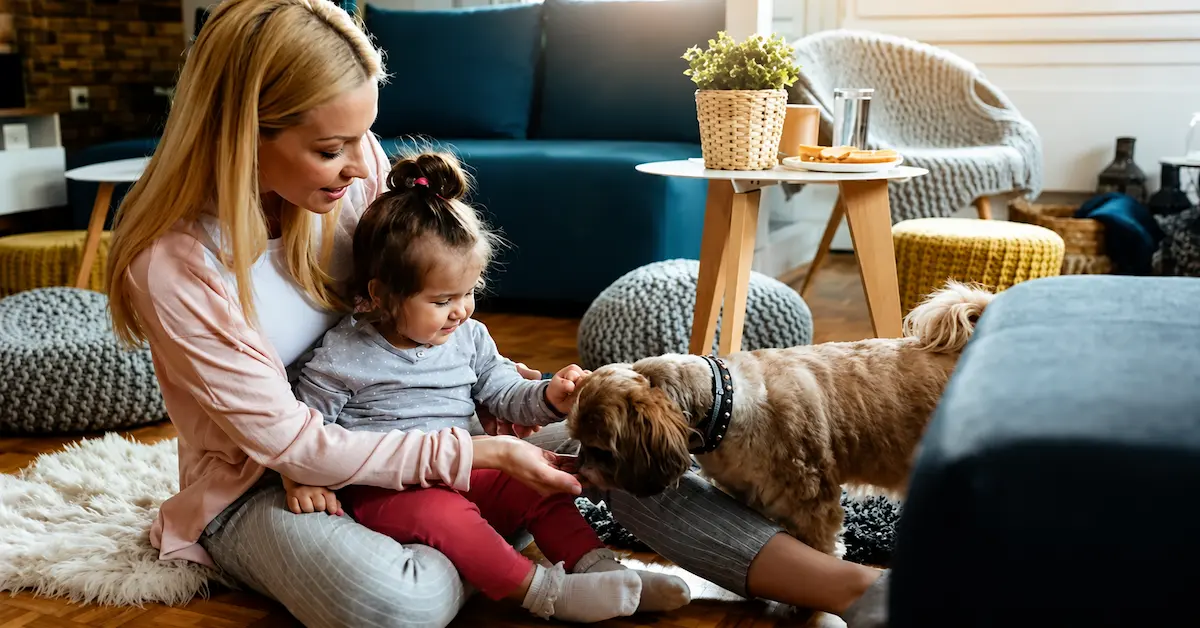
Small dog breeds look easy at first. They fit on your lap, take up less space, and seem easier to manage than a big dog. But anyone who has lived with a small dog knows one thing. Tiny dogs can have huge personalities. Some are calm and cuddly. Some bark at every little sound.
Some love children. Some are too delicate for rough play. A few act like they are much bigger than they are. So, choosing a small dog should not be based only on cuteness. You need to think about your home, your daily routine, your family, and how much grooming or training you can handle.
A small dog can be perfect, but only when the breed fits your real life. This guide explains the best small dog breeds for families, apartments, and first-time owners. It also covers barking, grooming, training, health, cost, and care needs in a simple way.
What Counts as a Small Dog Breed?
Most small dog breeds weigh under 25 pounds as adults. Toy dog breeds are even smaller and often stay under 10 pounds. Chihuahuas, Yorkshire Terriers, Pomeranians, Maltese, Shih Tzus, Pugs, Toy Poodles, and French Bulldogs are common examples.
Still, weight does not tell the whole story. A 7-pound Chihuahua may be bold and noisy. A 15-pound Cavalier may be soft and gentle. A small terrier may need more exercise than a much larger lazy dog.
That is why size is only the starting point. Before choosing a breed, look at temperament, energy, barking habits, grooming needs, and how the dog behaves around children.
Why Small Dogs Are So Popular
Small dogs make sense for many homes. They do not need a huge yard. Their beds, crates, bowls, and toys take up less space. They are also easier to carry during travel, vet visits, or emergencies. For apartment owners, this can be a big advantage.
Small dogs can also be easier for older adults or first-time owners who feel nervous about handling a large breed. But small dogs still need proper care.
They need walks, training, playtime, vet visits, dental care, and a calm routine. A tiny dog with no rules can become just as stressful as a large dog with no training.
Small Dogs Are Not All the Same

People often talk about small dogs like they are one group. That can lead to the wrong choice. A Pug is not like a Papillon. A Shih Tzu is not like a Miniature Schnauzer. A Maltese is not like a French Bulldog. Some small dogs are lap dogs. Some are watchdogs.
Some are clever and active. Some are gentle but stubborn. This is why the best small dog breed depends on the owner. A quiet apartment owner may need a calm breed. A family with kids may need a sturdier small dog. A new owner may need a breed that is easier to train. Looks matter, but lifestyle matters more.
Best Small Dog Breeds for Families
Families need a small dog that can handle noise, movement, guests, and daily activity. The dog should be friendly, stable, and not too fragile. Very tiny dogs can get hurt if children play too rough.
That does not mean small dogs are bad with children. It just means parents need to choose carefully and teach children how to behave around dogs. A good family small dog should enjoy people, accept routine, and stay fairly patient in a busy home.
Cavalier King Charles Spaniel
The Cavalier King Charles Spaniel is one of the best small dog breeds for families. This breed is gentle, sweet, and usually very attached to people. Many Cavaliers enjoy children, adults, and even other pets when introduced properly.
They are not high-pressure dogs. A short walk, some playtime, and time on the sofa can make them happy. That soft nature is why many families like them. Still, the Cavaliers need care.
Their coat needs brushing, and the breed can have heart and other health concerns. A responsible breeder or rescue, regular vet visits, and weight control are important. This breed suits families that want a loving indoor companion, not a rough outdoor dog.
Shih Tzu

The Shih Tzu is a small companion dog with a friendly and relaxed style. Many Shih Tzus enjoy family life because they like attention and do not need heavy exercise. They can be happy with short walks, indoor play, and time close to their people.
They are often a good match for homes that want a small indoor dog. The main thing to plan for is grooming. A Shih Tzu coat can grow long and tangle if it is not brushed.
Many owners keep the coat shorter because it is easier to manage. If you want a loving small dog and you can handle grooming, a Shih Tzu can be a strong family pick.
Miniature Schnauzer
The Miniature Schnauzer is small, sturdy, and smart. This breed often works well for families because it is not as delicate as some tiny toy breeds. It enjoys activity and likes being involved in the home. Miniature Schnauzers are alert dogs.
That means they may bark at doors, sounds, visitors, or movement outside. Early training helps a lot. Teach quiet cues, polite greetings, and leash manners when the dog is young. This breed suits families that want a small dog with energy, personality, and a little watchdog spirit.
Havanese
The Havanese is cheerful, social, and people-loving. This breed often does well with families because it enjoys being part of daily life. It likes attention and usually wants to stay close to its people. Havanese dogs can be playful without being too intense for many homes.
They also do well in apartments if they get attention, walks, and play. The coat needs regular brushing, though. If ignored, it can mat and become uncomfortable. The Havanese is best for families that can give time, affection, and basic grooming care.
Best Small Dog Breeds for Apartments

A good apartment dog is not just a dog that fits in a small room. Apartment dogs need to handle neighbors, elevators, shared hallways, street sounds, and limited outdoor space.
Some small dogs do great in apartments. Others bark at every footstep outside the door. So, barking level matters. Energy level matters. Training matters too.
French Bulldog
The French Bulldog is one of the most popular small dog breeds for apartments. Frenchies are compact, affectionate, and usually happy with short walks and indoor time. They do not need long runs or a huge yard.
Many people like them because they are funny and relaxed at home. But French Bulldogs need careful health attention. They are flat-faced dogs, so heat and heavy exercise can be risky. Warm weather, long walks in the sun, and rough play can make breathing harder.
Keep them cool, watch their weight, and stay close to your vet. A French Bulldog can be a lovely apartment dog, but it is not a low-care breed.
Pug
The Pug is another small dog that can fit apartment life well. Pugs are friendly, playful, and usually love being around people. They often act silly, which is part of their charm. They do not need a lot of space, but they still need daily movement.
Food control is important with Pugs. They can gain weight fast, and extra weight can make breathing and joint issues worse. Like French Bulldogs, Pugs are flat-faced.
Avoid heavy exercise in hot weather and watch for breathing trouble. A Pug needs an owner who enjoys its soft, funny nature but also takes health seriously.
Maltese

The Maltese is tiny, affectionate, and often well-suited for apartments. This breed usually enjoys being close to its owner. Short walks, gentle play, and indoor time can fit well with its needs. Maltese dogs can be sweet companions for calm homes.
Their white coat is beautiful, but it takes work. Without brushing, the hair can mat. Some owners keep the coat short to make daily care easier. Because Maltese dogs are small and delicate, they are better for gentle households. Rough handling or careless play can hurt them.
Toy Poodle
The Toy Poodle is small, smart, and full of life. This breed can do very well in apartments because it is easy to manage in size, but it still needs mental activity. Toy Poodles enjoy learning. They often respond well to reward-based training.
The coat needs regular grooming because it keeps growing. Brushing and professional trims should be part of the plan. A bored Toy Poodle may bark, follow you everywhere, or become demanding. Give it walks, short training games, and attention, and it can become a great apartment companion.
Best Small Dog Breeds for First-Time Owners
First-time owners need a dog that is easier to train, friendly, and not too hard to manage. No dog is automatic. Every breed needs time, patience, and routine.
But some small dog breeds are more forgiving for beginners. A good first dog should not be too fragile, too aggressive, or too independent. It should be willing to bond and learn.
Bichon Frise

The Bichon Frise is cheerful, friendly, and often a good choice for first-time owners. This breed usually enjoys people and has a happy personality. Bichons can fit well into apartments and family homes when they get attention and care. They are small, but they still need training.
House training, barking control, and basic manners should start early. The coat is one of the biggest responsibilities. A Bichon needs brushing and regular grooming to stay comfortable. If you can manage grooming, this breed can be a loving and fun first dog.
Cavalier King Charles Spaniel
The Cavalier also works well for many new owners. This breed is usually gentle, affectionate, and people-focused. It does not need intense exercise, and it often fits nicely into a calm home. Cavaliers enjoy being near their owners.
They can be easier to handle than some very bold or stubborn small breeds. The main concern is health. Choose carefully, keep up with vet checks, and do not let the dog become overweight. For a first-time owner who wants a soft family companion, the Cavalier can be a good match.
Miniature Poodle
The Miniature Poodle is smart, trainable, and still small enough for many homes. It is a little bigger than a Toy Poodle, which can make it easier to handle around children or in active homes. This breed learns quickly and enjoys mental work.
Training can be fun with a Miniature Poodle because they often understand commands fast. The coat needs regular trimming, so grooming costs should be planned. This breed is best for owners who want a small dog that can learn, play, and take part in daily life.
Papillon

The Papillon is tiny, bright, and active. This breed may look delicate, but it is often bold and energetic. Papillons can learn quickly and enjoy training games. They can be good for first-time owners who want an alert and lively small dog.
They may not be the best choice for homes with rough young children because of their small frame. For gentle owners, the Papillon can be fun, loyal, and surprisingly athletic.
Small Dog Breeds That Stay Small
Some people want a dog that stays tiny even as an adult. Chihuahuas, Maltese, Papillons, Toy Poodles, Yorkshire Terriers, and Pomeranians are common tiny dog breeds that stay small. These dogs can fit well in small homes and are easy to carry.
But tiny dogs need careful handling. Jumping from beds, rough play, and being stepped on can cause injuries. If you choose a very small breed, make your home safe for its size.
Chihuahua
The Chihuahua is one of the smallest dog breeds. This breed is bold, alert, and often deeply attached to one or two people. Many Chihuahuas have more confidence than their size suggests. They can be loving companions, but they need training.
Without rules, a Chihuahua may become nervous, bossy, or noisy. They are not always the best match for very young children because they are fragile. A Chihuahua suits an owner who wants a tiny dog and is ready to train it like a real dog, not a toy.
Yorkshire Terrier

The Yorkshire Terrier, or Yorkie, is small but full of confidence. Yorkies often act bigger than they are. They can be lively, brave, and very attached to their owners. Their coat needs care, especially if kept long.
Many owners choose a shorter trim because it is easier for daily life. Yorkies can do well in apartments, but barking should be managed early. They suit owners who want a small dog with a bold personality and do not mind grooming.
Pomeranian
The Pomeranian is tiny, fluffy, and full of attitude. This breed is alert and often acts like a little watchdog. Pomeranians can be loving, funny, and active. They do shed and need brushing. Their thick coat can tangle if ignored, especially around the neck and legs.
Pomeranians may bark often if not trained early. They are best for owners who want a lively small dog and are ready for grooming and barking control.
Calm Small Dog Breeds
Some small dogs are calmer than others. Cavaliers, Shih Tzus, Pugs, Maltese, and Bichon Frises are often known for a softer home style. But breed is not everything. A calm breed can still become noisy or anxious if it gets no routine, no walks, and no attention.
If you want a calm small dog, look for a stable temperament. Ask about the dog’s behavior, not just the breed name. A calm home also helps create a calm dog.
Small Dogs for Busy Owners

Small dogs can be easier for busy owners, but they should not be ignored all day. Some breeds handle alone time better than others. Others may become anxious, bark a lot, or chew things when left too long. If you work long hours, plan ahead.
You may need a dog walker, family help, daycare, or a safe indoor routine. Small dogs still need bathroom breaks, exercise, play, and human contact. A small dog is not a decoration. It is still a living animal with daily needs.
Grooming Needs of Small Dogs
Grooming depends on the breed. Short-coated dogs like Pugs and French Bulldogs need less brushing, but they still need skin care, ear checks, nail trims, and wrinkle cleaning where needed. Long-coated dogs like Maltese, Shih Tzus, and Yorkies need more brushing.
Poodles and Bichons need regular professional grooming because their coats keep growing. Before choosing a small dog, check the grooming cost. Many owners forget this part, then feel surprised when grooming becomes a monthly expense.
Training Small Dogs
Small dogs need training just like large dogs. This is where many owners make mistakes. They allow jumping, barking, biting, or food guarding because the dog is tiny. That may feel harmless at first, but it becomes stressful later.
Teach basic commands early. Sit, stay, come, leave it, quiet, and polite greetings can make daily life easier. Reward-based training works well for most small dogs. Keep sessions short, clear, and positive.
House Training Small Dogs

House training can take patience with small breeds. Their bladders are smaller, and accidents can be harder to notice at first. Take your puppy out often. Reward quickly when it goes in the right place.
Do not wait too long between potty breaks. A steady routine helps more than anger. Crate training can also help if done kindly and correctly. The goal is to teach the dog where to go, not scare it.
Barking in Small Dogs
Many small dogs are alert. They notice doors, footsteps, cars, neighbors, and other dogs. Some barking is normal. Constant barking is a problem. Teach a quiet cue early. Reward your dog when it notices a sound but stays calm.
Also, check the reason behind the barking. A bored dog barks. A scared dog barks. A dog with no routine barks too. Walks, training, and mental games can reduce a lot of noise.
Exercise Needs
Small dogs may not need long hikes, but they still need daily movement. Most need short walks, playtime, and simple mental work. A few quick potty breaks are not enough for every small dog.
Active breeds like Miniature Schnauzers, Papillons, and Poodles need more than sofa time. Match the exercise to the breed, age, and health of the dog. A tired small dog is usually easier to live with than one full of unused energy.
Health Issues in Small Dogs

Small dogs can live long lives, but they have their own health risks. Dental disease is common because small mouths can crowd teeth. Some breeds may face knee problems, eye issues, breathing problems, heart disease, or skin trouble.
Flat-faced breeds like Pugs and French Bulldogs need special care in heat. Regular vet visits matter. So does weight control. Even one or two extra pounds can be a lot on a tiny body.
Dental Care
Dental care is a big deal for small dog breeds. Small dogs often build up plaque and tartar faster than owners expect. Bad breath is not always normal. It can be a sign of dental disease, pain, or infection.
Brush your dog’s teeth if possible. Use vet-approved dental chews and ask your vet about cleanings. Dental care may feel small, but it can affect the dog’s comfort, eating, and long-term health.
Feeding a Small Dog
Small dogs need measured food. Because they are tiny, extra treats can add weight fast. A few small snacks may not look like much, but they can be a lot for a small body. Measure meals instead of guessing.
Watch the waist and ribs. A healthy small dog should not feel round or heavy. Ask your vet if you are unsure about food type, portion size, or weight. Good feeding habits can prevent many problems later.
Cost of Owning a Small Dog
Small dogs may eat less than large dogs, but they are not cheap to own. You still need vet visits, vaccines, grooming, flea and tick prevention, toys, bedding, dental care, and sometimes insurance. Grooming can be one of the bigger costs for long-haired breeds.
Emergency vet care can also be expensive, no matter how small the dog is. Before bringing a dog home, plan the monthly cost. A small dog still needs a real budget.
Small Dogs and Children
Small dogs can be good with children, but children need rules. They should not pick up the dog without help. They should not pull ears, grab tails, or chase the dog around the room. Tiny dogs can be hurt if dropped or stepped on.
Give the dog a quiet space where it can rest without being bothered. The best family setup protects both sides. The dog feels safe, and the child learns respect.
Small Dogs and Other Pets
Many small dogs can live with other pets if introduced slowly. But size difference matters. A large dog may hurt a tiny dog by accident during play. Even friendly play can be too rough. Keep early meetings calm and supervised.
Separate food bowls, toys, and sleeping spaces at first. Let pets adjust slowly. Do not force them to become friends on the first day.
Best Small Dog Breed Comparison Table
Breed | Best For | Grooming | Energy | Apartment Fit |
|---|---|---|---|---|
Cavalier King Charles Spaniel | Families, first-time owners | Medium | Low to medium | Yes |
Shih Tzu | Indoor family homes | High | Low to medium | Yes |
Miniature Schnauzer | Active families | Medium | Medium | Yes, with training |
Havanese | Social homes | Medium to high | Medium | Yes |
French Bulldog | Apartments | Low | Low to medium | Yes |
Pug | Relaxed homes | Low | Low to medium | Yes |
Maltese | Gentle owners | High | Low to medium | Yes |
Toy Poodle | Smart active homes | High | Medium | Yes |
Bichon Frise | First-time owners | High | Medium | Yes |
Papillon | Gentle active homes | Medium | Medium to high | Yes |
How To Choose the Right Small Dog
Start with your lifestyle, not the cutest photo. If you want peace and quiet, do not choose a very vocal breed without being ready to train it. If you hate grooming, avoid high-maintenance coats. If you have toddlers, be careful with very tiny dogs.
If you live in an apartment, think about barking, exercise, and neighbors. The right small dog is the one you can care for every day, not just the one that looks good online.
Final Thoughts
Small dog breeds can be wonderful companions. They fit into small homes, travel more easily, and often bring a lot of love into daily life. But they still need proper care. A small dog needs training, grooming, exercise, vet care, safe handling, and a steady routine.
Choose a breed that matches your home, budget, schedule, and family. Do that, and a small dog can bring years of joy without making life harder than it needs to be.
FAQs About Small Dog Breeds
What are the best small dog breeds for families?
Cavalier King Charles Spaniels, Shih Tzus, Havanese, and Miniature Schnauzers are good family picks because they are friendly, loving, and easier to manage in most homes.
Are small dog breeds good for apartments?
Yes, many small dog breeds do well in apartments. French Bulldogs, Pugs, Maltese, Toy Poodles, and Shih Tzus can fit small spaces if they get walks, training, and attention.
What small dog breed is best for first-time owners?
Bichon Frise, Cavalier King Charles Spaniel, and Miniature Poodle are good choices for first-time owners because they are usually friendly, trainable, and people-focused.
Do small dogs bark a lot?
Some small dogs bark more than others. Breeds like Pomeranians, Yorkies, and Miniature Schnauzers can be vocal, so early training is important.
Are small dog breeds easy to care for?
Small dogs may need less space and food, but they still need grooming, dental care, exercise, training, and regular vet checks.
