


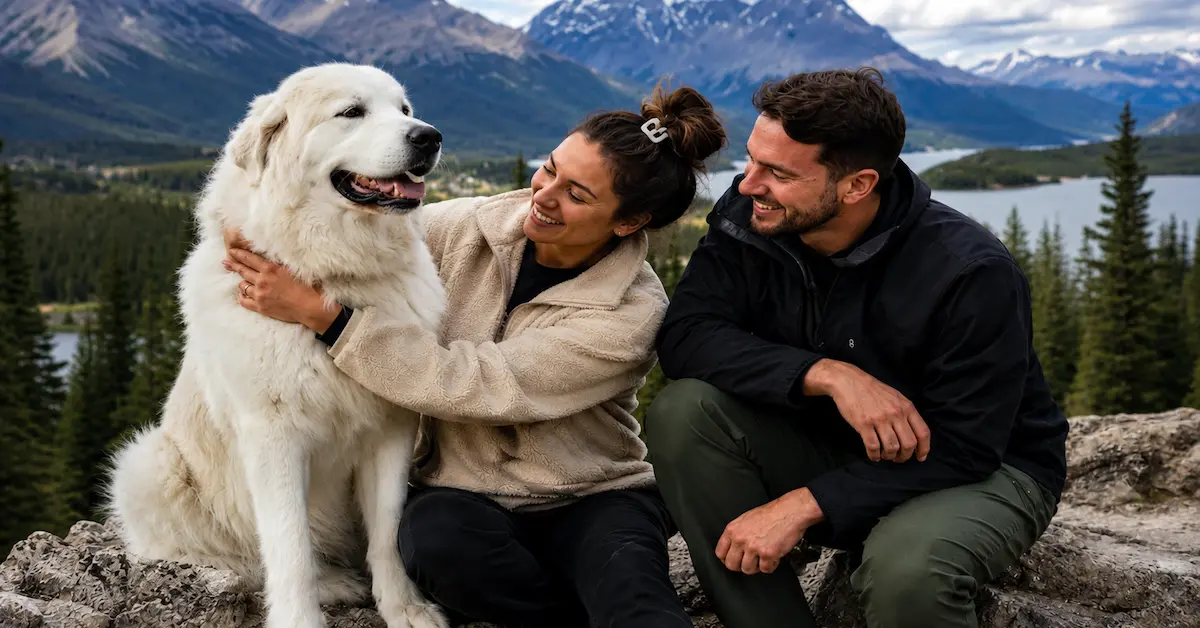
Gentle giant dog breeds have a special place in a lot of family homes. These are big, warm, lovable dogs that seem built for hugs and lazy Sunday afternoons on the couch. But if your family is thinking about getting one, there is more to it than just picking the fluffiest or tallest breed.
Size brings real responsibility. A giant dog needs space, proper training, a bigger food budget, and regular vet care. They can accidentally knock over a small child just by wagging their tail. And some giant breeds drool enough to need their own towel.
The good news? With the right breed, the right training, and a little planning, a gentle giant can be one of the best family dogs you will ever own. This article will help you figure out which one fits your home, your kids, and your daily life.
Quick Answer: Best Gentle Giant Dog Breeds for Families
If you want the short answer, here are the best gentle giant dog breeds for families:
• Newfoundland
• Great Dane
• Bernese Mountain Dog
• Saint Bernard
• Irish Wolfhound
• Leonberger
• Great Pyrenees
• Mastiff
• Scottish Deerhound
But here is the honest truth: no giant dog is automatically safe just because of its breed. Temperament, early training, socialization, breeder quality, and adult supervision all matter. A well-raised Mastiff can be a gentle and loving family dog. A poorly socialized one can be a real problem.
Never skip training just because a breed has a calm reputation. Every dog, giant or not, needs to learn how to behave in a family home.
Choosing a Gentle Giant Dog for a Family Home
Meet the Petersons. They are a family of four living in a suburb outside Columbus, Ohio. They have a 6-year-old daughter and a 9-year-old son. They have a fenced backyard, a mid-size house, and they both work full time.
They want a dog that is affectionate, calm indoors, and safe around their kids. But they are also worried about a few things:
• How much will food cost every month?
• Will the dog knock their kids over?
• Is the drool going to be too much to handle?
• How hard is grooming going to be with busy schedules?
• Can they handle a giant dog on a leash?
• What will vet bills look like for a 120-plus pound dog?
To help them decide, we compared the top gentle giant breeds across a few key areas: temperament, how good they are with kids, grooming needs, drool level, exercise requirements, and how much experience a new owner needs.
This same framework can help you make the right call for your own family.
What Makes a Giant Dog Gentle?

Not every big dog is a gentle giant. The term describes dogs that have a specific combination of traits that make them well-suited for family life. Here is what to look for:
Trait | Why It Matters for Families |
Calm temperament | Reduces the risk of jumpy or reactive behavior around children |
Patience with kids | Tolerates noise, sudden movement, and unpredictable behavior |
Low reactivity | Does not startle easily or overreact to strangers |
Trainability | Can learn house rules and commands without a fight |
Moderate energy | Does not need hours of intense exercise every day |
Confidence | Stable dogs do not act out of fear or anxiety |
Stable behavior | Consistent and predictable around people of all ages |
Good socialization | Comfortable with new people, kids, and other pets when raised right |
Best Gentle Giant Dog Breeds for Families
Here is an in-depth look at each breed, based on real ownership experience and what families actually face day to day.
Newfoundland
The Newfoundland is often the first breed that comes to mind when people talk about gentle giants. These dogs were bred to work alongside fishermen in Newfoundland, Canada. They are strong swimmers and known for rescuing people from water.
At home, they are calm, patient, and deeply affectionate. They are not jumpy or excitable. They tend to move slowly and deliberately, which makes them safer around younger kids compared to some other large breeds.
They do shed heavily and drool quite a bit. The coat needs regular brushing, at least a few times a week. They also need a fair amount of space since they can easily top 130 pounds.
Best for: Families with children of all ages, homes with a yard, owners who do not mind grooming time.
Watch for: Heavy shedding, drool, heat sensitivity, and high grooming demands. Not a great fit for hot climates.
For trusted breed information, you can also check the AKC Newfoundland guide.
Great Dane
Great Danes are one of the tallest dog breeds in the world. They can stand over 32 inches tall and weigh up to 175 pounds. Despite that size, they are often called gentle giants because of their calm, loving personality.
Indoors, a Great Dane is surprisingly laid-back. They love lounging around and are not overly energetic. Their short coat is very easy to maintain, which is a real plus for busy families.
The size does come with costs. Food bills will be high. Vet care is more expensive. Leash training is critical early on because a 150-pound dog pulling on a leash is not something most people can handle without training.
They are better suited for older kids who understand how to move around a large dog. A toddler can easily get knocked down without the dog meaning any harm.
Best for: Families with older children, calm home environments, owners prepared for high food and vet costs.
Watch for: Shorter lifespan of 7 to 10 years, higher cost of care, and need for early leash training.
Bernese Mountain Dog

Bernese Mountain Dogs are one of the most affectionate giant breeds you will find. They are sweet-natured, eager to please, and genuinely love being around people. They are patient with children and tend to form deep bonds with family members.
Their thick, beautiful coat does require regular brushing. They shed a lot, especially during seasonal changes. They are also sensitive to heat, so homes in hot climates should think carefully before getting one.
The biggest concern with Berners is their lifespan. On average, they live only 7 to 8 years. That can be heartbreaking, especially for kids who grow attached. It is something every family needs to think about going in.
Best for: Affectionate families, homes in cooler climates, families who can handle grooming and shedding.
Watch for: Shorter lifespan, heavy shedding, heat sensitivity, and higher risk of certain health conditions like cancer and hip dysplasia.
Saint Bernard
Saint Bernards are calm, loving, and famously patient. They were bred for mountain rescue work in the Swiss Alps, and they have a natural instinct to be protective without being aggressive.
Around kids, they are gentle and tolerant. They are not a high-energy breed, which makes them a good fit for relaxed family homes. They enjoy being close to people and are not happy when left alone for long periods.
Drooling is a real part of life with a Saint Bernard. Some families love it. Others find it too much. Grooming takes time too, especially for the long-coated variety. They also do not do well in hot weather.
Best for: Calm, relaxed families, cooler climates, homes where someone is around most of the day.
Watch for: Heavy drooling, grooming demands, heat sensitivity, and a lifespan of around 8 to 10 years.
Leonberger
The Leonberger is a stunning breed that looks like a lion crossed with a teddy bear. They are confident, affectionate, and very family-focused. When well-socialized, they are great with kids and other pets.
They are not the easiest breed to manage, though. They are large, strong, and need consistent training from an early age. An inexperienced owner who skips training will quickly feel out of their depth with a full-grown Leonberger.
Food costs are high. Grooming takes real effort with that thick, mane-like coat. But for a family that is prepared, a Leonberger offers a level of devotion that is hard to match.
Best for: Experienced dog owners, active families, homes where the dog gets lots of attention and training.
Watch for: Needs experienced handling, high food costs, significant grooming, and a lifespan of around 8 to 9 years.
Great Pyrenees

The Great Pyrenees was bred to guard livestock in the mountains of France and Spain. They are calm, devoted, and gentle with their family. But they have a strong independent streak and a natural instinct to patrol and protect.
This breed tends to bark, especially at night. They are not great off-leash unless in a very secure yard. Their independence can make training more challenging than with some other giant breeds.
For families who understand guardian breeds and do not mind some stubbornness, a Great Pyrenees can be a wonderful companion. For first-time owners expecting an easy dog, they can be frustrating.
Best for: Families with a secure yard, owners who understand guardian dog behavior, and rural or suburban homes.
Watch for: Frequent barking, independent nature, needs a securely fenced yard, not ideal for apartment living.
Mastiff
The Mastiff is one of the heaviest dog breeds in the world. Males can reach 200 pounds. They are loyal, calm, and deeply protective of their family. Despite their intimidating size, they are gentle and affectionate with the people they love.
They do not need hours of exercise every day, which makes them manageable in many home settings. But their sheer size means that early training is not optional. A Mastiff that has not learned leash manners is very hard to control.
Drooling is significant with this breed. They also snore. But for families who want a calm, protective companion, a Mastiff can be a wonderful dog.
Best for: Families wanting a loyal protective dog, calmer home environments, and experienced or committed first-time owners.
Watch for: Heavy drooling, strong body that needs early training, high food and vet costs, lifespan of 6 to 10 years.
Irish Wolfhound
The Irish Wolfhound is the tallest dog breed in the world. They are quiet, gentle, and have a calm, dignified personality. They are not guard dogs despite their size. They are friendly with most people and generally good-natured.
They are better suited for calm families rather than chaotic or very young households. They need space to move around comfortably and do best with room to stretch their long legs.
Their lifespan is unfortunately short, averaging only 6 to 8 years. That is the hardest part of owning an Irish Wolfhound.
Best for: Calm families, homes with space, families with older children who move gently around dogs.
Watch for: Very short lifespan, high food costs, needs space, not suitable for small apartments.
Scottish Deerhound

The Scottish Deerhound is a quiet, soft-natured giant that is often overlooked. They are gentle, low-key, and tend to be good-natured with people they know. They have a calm presence that works well in relaxed home environments.
They are better with older children who understand how to move calmly around dogs. They have a strong running instinct and need access to a safe, secure space where they can sprint safely. They are sensitive dogs and do not respond well to harsh handling.
Best for: Calm families with older kids, owners who can provide running space, those who want a quiet, low-drama giant.
Watch for: Needs secure outdoor running space, better with older kids, sensitive to harsh training, shorter lifespan.
Comparison Table
Breed | Temperament | Best With Kids? | Grooming | Drooling | Space Needs | Best For |
Newfoundland | Calm, patient | All ages | High | Moderate | Large yard | Gentle family dog |
Great Dane | Laid-back, loving | Older kids | Low | Moderate | Spacious home | Calm indoor homes |
Bernese Mtn Dog | Sweet, affectionate | All ages | High | Low | Yard needed | Affectionate families |
Saint Bernard | Calm, patient | All ages | Moderate | High | Large space | Relaxed homes |
Leonberger | Devoted, confident | With training | High | Low-Moderate | Active home | Experienced owners |
Great Pyrenees | Calm, independent | Older kids | Moderate | Low | Fenced yard | Guardian dog fans |
Mastiff | Loyal, protective | With training | Low | High | Large space | Calm protective home |
Irish Wolfhound | Gentle, quiet | Calm older kids | Low-Moderate | Low | Spacious home | Quiet families |
Scottish Deerhound | Soft, calm | Older kids | Moderate | Low | Running space | Quiet relaxed homes |
Are Gentle Giant Dogs Good With Kids?
Most gentle giant breeds can be great with kids. But there are some real things every family should understand before bringing one home.
Toddlers and very young children are at the highest risk around large dogs, not because giant breeds are aggressive, but because of pure size. A wagging tail from a 130-pound dog can knock a toddler off their feet. A dog jumping up to greet a child can cause a fall.
Older kids who understand how to move calmly around dogs have a much better experience. They can read the dog’s body language better and are less likely to accidentally provoke a reaction.
Key things to teach your children:
• Do not run at the dog or scream in their face
• Never climb on the dog or use them as a pillow
• Do not disturb the dog while it is eating or sleeping
• Always greet calmly with a slow hand for sniffing
• Do not pull ears, tails, or paws
And always remember: no dog should ever be left alone with young children, no matter how gentle the breed.
Best Gentle Giant Dogs for First-Time Owners

This is where many people get the wrong idea. A gentle temperament does not mean easy to own. Giant dogs come with giant needs That said, some giant breeds are more manageable than others for first-timers who are committed and do their homework:
• Great Dane: Short coat, relatively low exercise needs, calm indoors. Still needs leash training early.
• Newfoundland: Very gentle and patient, but grooming demands are high.
• Bernese Mountain Dog: Eager to please and responds well to training, but sheds heavily.
The key word here is prepared. A first-time owner who researches the breed, invests in obedience training, plans for food and vet costs, and understands what they are signing up for can absolutely succeed with a giant dog.
But someone who picks a giant breed on looks alone and skips training will struggle. No gentle giant is beginner-easy. They just require a different kind of commitment.
Best Gentle Giant Dogs for Apartments
Honestly, most giant breeds do better in homes with some outdoor space. Their size alone makes small apartments a tight fit.
That said, a few calmer giants can adapt to apartment life if the owner is realistic and consistent:
• Great Dane: Surprisingly calm indoors and not overly active, but their height and body size make very small apartments tough.
• Mastiff: Low exercise needs, calm demeanor, but their size still needs adequate indoor room.
If you live in an apartment and want a giant breed, be honest with yourself. Can you give the dog enough indoor space to lie down comfortably without bumping into walls? Can you commit to daily walks and outdoor time? Is the building pet-friendly for large dogs?
Some apartment buildings have weight or size restrictions, so check your lease before you fall in love with a dog.
Common Mistakes Families Make With Giant Dogs
These mistakes come up again and again with new giant dog owners. Avoiding them will save you a lot of stress.
• Choosing by size only: A dog that looks impressive is not automatically the right fit for your family.
• Ignoring food and vet costs: A 150-pound dog eats more than twice what a medium dog eats. Vet bills scale with size, too.
• Skipping leash training: A giant dog that pulls is impossible to walk safely. Train early.
• Letting kids climb on the dog: Even the gentlest giant has a limit. Teach children to respect the dog’s space.
• Ignoring drooling and shedding: Some giant breeds drool constantly. Others shed enough to fill a pillow. Know what you are getting into.
• Choosing a guardian breed without experience: Great Pyrenees, Mastiff, and similar breeds have protective instincts that need proper handling.
• Buying from a poor breeder: Bad breeding leads to bad temperament and health problems. Always research the breeder.
• Not planning for short lifespan: Many giant breeds live only 7 to 10 years. That is hard on the whole family, especially kids.
Safety Tips for Kids and Gentle Giant Dogs

Never leave toddlers alone with any dog, regardless of breed or temperament. Safety is not just about breed choice. It is about how you manage the relationship between your dog and your children every single day.
• Never leave toddlers alone with any dog, regardless of breed or temperament.
• Teach kids not to pull ears, tails, or paws. Even calm dogs react when in pain.
• Do not let anyone disturb the dog while it is eating or sleeping.
• Train calm greetings from day one. No jumping, no rushing, no yelling at the dog.
• Give the dog a safe space like a dog bed or crate where they can rest without being bothered.
• Start leash training early, before the dog is too big to manage.
• Reward calm, gentle behavior every time you see it. Positive reinforcement works better than punishment.
Final Verdict: Which Gentle Giant Dog Breed Is Best?
Every family is different, so there is no single right answer. But here is a quick breakdown to help you narrow it down:
• Newfoundland: Best overall for gentle family temperament and patience with kids.
• Great Dane: Best for calm indoor homes and families who want a low-grooming giant.
• Bernese Mountain Dog: Best for affectionate families who do not mind brushing and shedding.
• Saint Bernard: Best for relaxed homes where someone is home most of the day.
• Leonberger: Best for experienced dog owners who want a deeply devoted family dog.
• Great Pyrenees: Best for families who understand and appreciate guardian dog behavior.
The bottom line is this: the best gentle giant dog breeds are the ones that match your family’s space, budget, training ability, and daily routine. A breed that works perfectly for one family might be a struggle for another. Take your time, do your research, and pick the dog that truly fits your life.
FAQs About Gentle Giant Dog Breeds
What is the gentlest giant dog breed?
The Newfoundland is often seen as one of the gentlest giant dog breeds. It is calm, patient, and usually very loving with families.
Are giant dog breeds good with children?
Yes, many giant dog breeds can be good with children. Still, adult supervision, training, and early socialization are always important.
What is the best giant dog for families?
Newfoundland, Great Dane, and Bernese Mountain Dog are strong family choices. The best pick depends on your space, budget, and grooming time.
Which gentle giant dog sheds the least?
Great Danes and Mastiffs usually shed less than heavy-coated giants. Breeds like Newfoundland and Bernese Mountain Dog shed much more.
Are gentle giant dogs good for first-time owners?
Some can work for prepared first-time owners. Great Danes and Bernese Mountain Dogs are easier than many other giant breeds, but training is still needed.
Can giant dog breeds live in apartments?
Some calm giants, like Great Danes, can live in apartments. But they still need space, daily walks, and a home that allows large dogs.
