


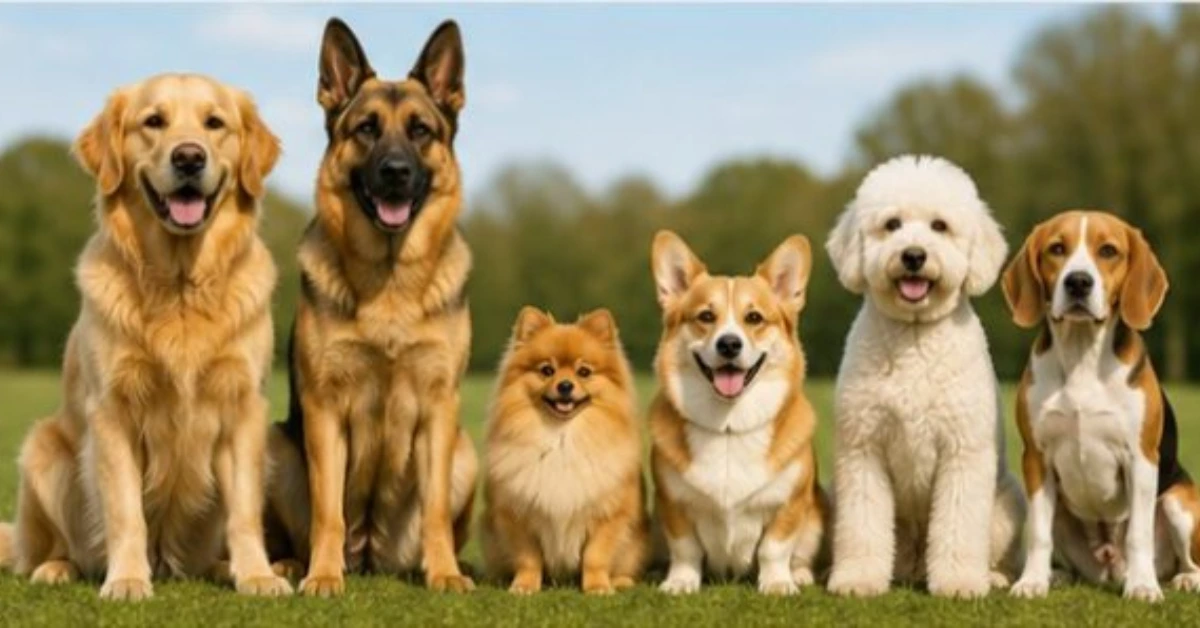
Choosing a new furry friend can feel like a massive task because there are so many options available today. When you look at different types of dogs, you see an amazing variety in how they look, act, and fit into our lives.
Some can sit comfortably in your lap during a movie night, while others need acres of open space to run around and stay happy. Finding the right pet means looking closely at how a specific animal matches your daily routine.
People often make the mistake of picking a puppy based entirely on a cute picture or a video they saw online. Every specific breed carries a distinct history, genetic traits, and specific daily care requirements that you cannot ignore.
A dog built for long hours of outdoor work will not enjoy sitting inside a quiet apartment all day. Similarly, a tiny pup might feel overwhelmed in a loud home filled with energetic toddlers.
This guide explains the main types of dogs in a simple way. easy-to-understand categories. We will look at official breed groups, size classifications, coat types, and temperaments to help you understand your choices.
By learning how these traits work together, you can pick a pet that brings joy to your home for years to come. Let’s start with a quick look at the main options.
Quick Answer: What Are the Main Types of Dogs?
Canines are officially categorized into seven distinct breed groups based on their historical jobs and genetic traits. They are also grouped by five main sizes, ranging from tiny toy breeds to massive giant protectors. Your ideal match depends on combining these structural traits with your personal home space, daily schedule, and activity level.
What Does “Types of Dogs” Mean?
When pet experts talk about dog types, they are looking at a few different things at the same time. The most formal way to sort canines is by their official breed groups, which are tracked by registries like the American Kennel Club. These groups gather breeds that share similar ancestral jobs, such as hunting, guarding, or herding livestock.
However, everyday pet parents usually think about dogs in more practical ways. You might find yourself looking for a pet based on size because your apartment landlord has strict weight rules. Other people choose a pet based on coat type because a family member has allergies. The Think PETS checklist can also help you compare your space, time, exercise routine, and budget before choosing a dog.
Temperament and purpose are also huge parts of the mix. A companion dog is bred specifically to offer love and emotional support to its human family. A working dog focuses on tasks like tracking scents, pulling carts, or guarding property boundaries. Understanding these different angles helps you see the full picture before making a commitment.
7 Main Dog Groups
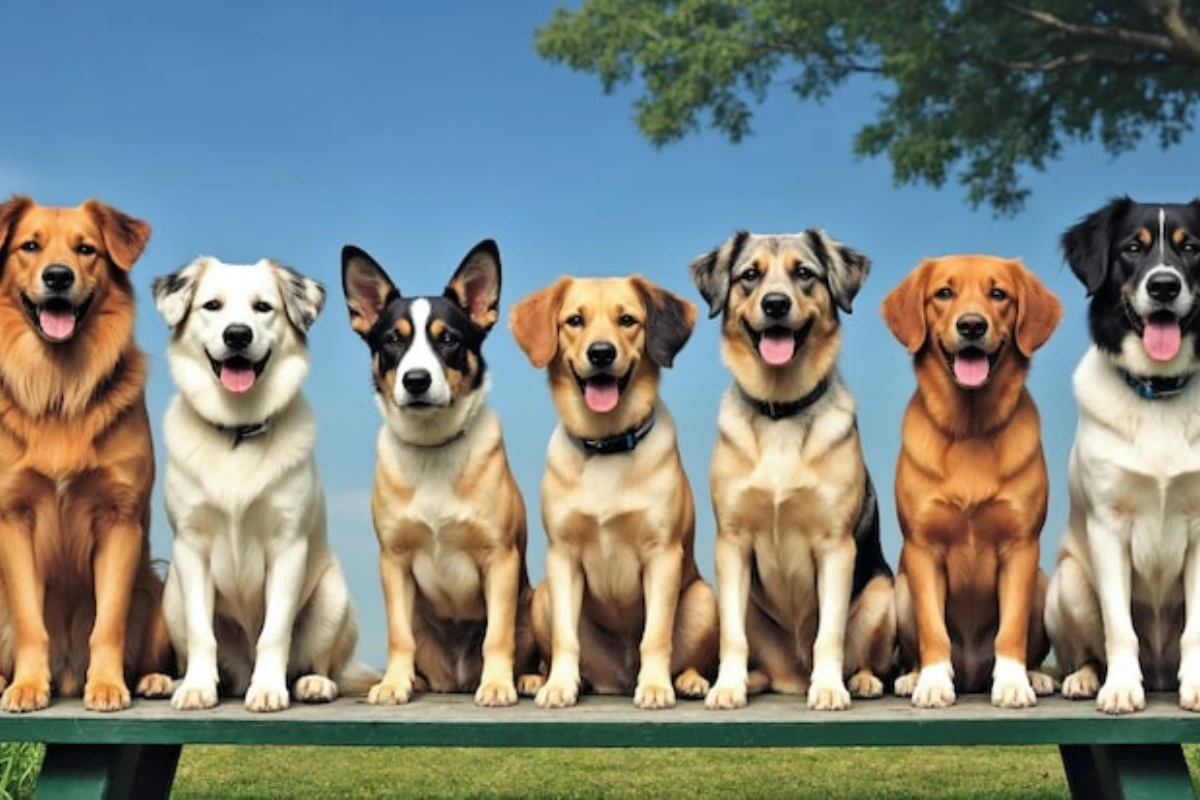
For official breed group guidance, you can check the AKC dog groups list. The easiest way to understand dog types is to start with breed groups. at the seven official categories used by global dog registries. These groups explain what the ancestors of your puppy were originally born to do.
Dog Group | Best For | Main Traits | Care Level |
Sporting Group | Active families | Friendly, energetic, trainable | High exercise |
Hound Group | Patient owners | Independent, scent-driven, loyal | Medium-high |
Working Group | Experienced owners | Protective, strong, alert | High |
Terrier Group | Active homes | Brave, vocal, energetic | Medium |
Toy Group | Apartments and seniors | Small, affectionate, portable | Low-medium |
Non-Sporting Group | Mixed lifestyles | Varied traits by breed | Depends on breed |
Herding Group | Active owners | Smart, focused, energetic | High mental work |
Quick Overview of Official Dog Groups
Sporting Dogs
The Sporting group includes dogs that were bred to help hunters find and fetch feathered game. These animals are famous for their love of water, high stamina, and incredible willingness to work alongside humans. They are natural athletes that need plenty of daily outdoor exercise to stay calm indoors.
- Simple Meaning: Active hunting partners built for retrieving, pointing, and swimming.
- Common Traits: High energy, friendly personalities, smart minds, and easy to train.
- Iconic Breeds: Golden Retriever, Labrador Retriever, Cocker Spaniel, and German Shorthaired Pointer.
- Best Suited For: Active families, outdoor lovers, hikers, and homes with large fenced yards.
Hound Dogs
Hounds are ancient hunting tools that rely on incredible eyesight or an unmatched sense of smell to track down wild game. Some hounds run fast to catch prey by sight, while others follow a scent trail for miles over tough terrain. They are famous for making a unique, loud barking sound called a bay.
- Simple Meaning: Scent and sight trackers built for the chase.
- Common Traits: Independent, single-minded when tracking, loyal, but sometimes stubborn during training.
- Iconic Breeds: Beagle, Greyhound, Bloodhound, Dachshund, and Whippet.
- Best Suited For: Patient owners who do not mind a dog that follows its nose everywhere
Working Dogs
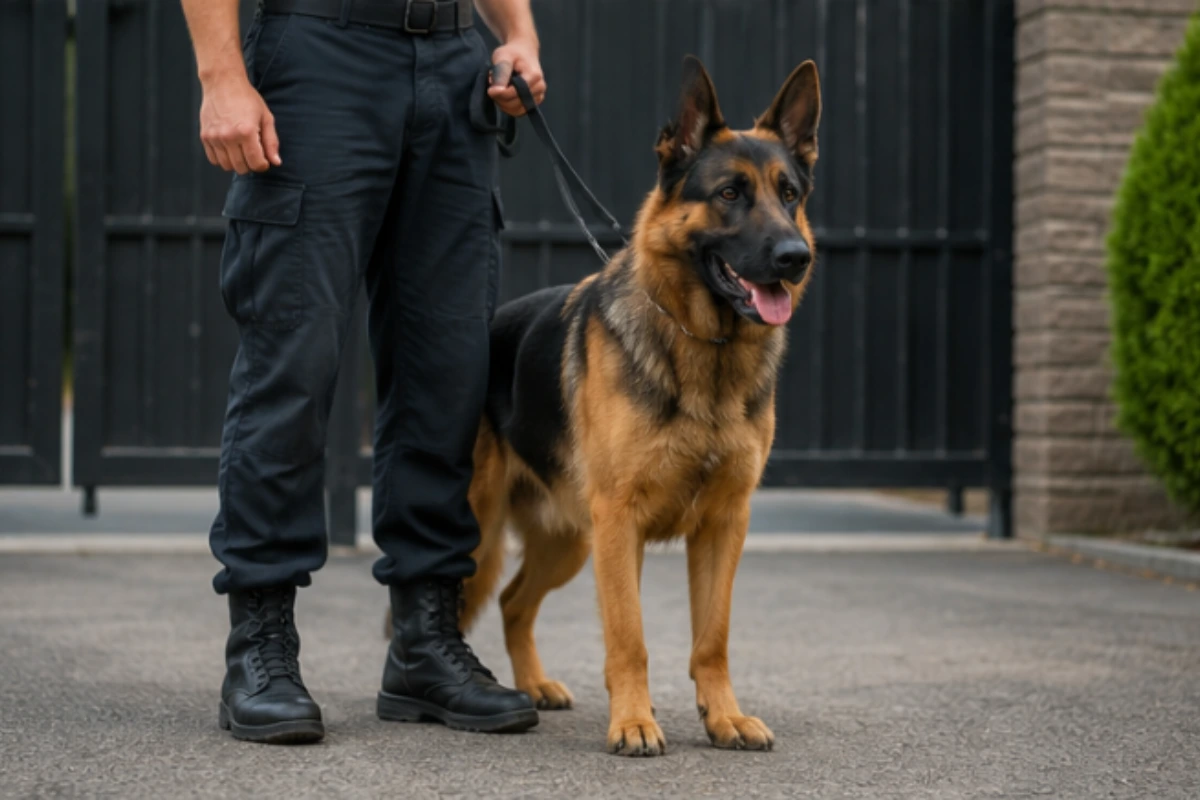
The Working group consists of massive, powerful animals built to perform physically demanding tasks. Their traditional jobs include pulling heavy sleds, guarding palace grounds, and rescuing people lost at sea. Because of their sheer size and strength, they require clear guidance from an experienced owner.
- Simple Meaning: Large-scale protectors, rescuers, and heavy lifters.
- Common Traits: Strong, fiercely loyal, protective of family, and highly alert to threats.
- Iconic Breeds: Boxer, Rottweiler, Siberian Husky, Great Dane, and Doberman Pinscher.
- Best Suited For: Experienced pet parents who can handle a large animal and provide solid socialization.
If you like strong guardian breeds, our Cane Corso guide explains this powerful working dog in detail.
Terrier Dogs
Terriers were originally created to protect farms and barns from small pests like mice, rats, and badgers. These dogs possess an incredible amount of bravery packed into relatively small bodies. They have a high prey drive, meaning they will naturally want to chase squirrels, cats, and other small animals.
- Simple Meaning: Determined pest hunters with a feisty attitude.
- Common Traits: High energy, vocal, brave, determined, and full of a distinct personality.
- Iconic Breeds: Jack Russell Terrier, Scottish Terrier, Bull Terrier, and Airedale Terrier.
- Best Suited For: Dynamic homes that can provide fun games, secure fences, and active play sessions.
Toy Dogs
The Toy group consists of small canines bred almost exclusively to serve as loving companion dogs. For centuries, royalty and families have kept these tiny pets to provide warmth and affection. Their small size makes them incredibly easy to manage in crowded modern cities.
- Simple Meaning: Pocket-sized lapdogs built for love and companionship.
- Common Traits: Affectionate, deeply attached to owners, lively, and highly portable.
- Iconic Breeds: Chihuahua, Pomeranian, Pug, Shih Tzu, and Maltese.
- Best Suited For: Apartment owners, seniors, city dwellers, and people who want a constant shadow.
Non-Sporting Dogs
The Non-Sporting category is a diverse collection of breeds that do not fit neatly into the other six official categories. These dogs come in every imaginable size, coat type, and personality profile. Each breed in this group has a unique history that shapes how it behaves today.
- Simple Meaning: A diverse group of unique breeds with varied historical purposes.
- Common Traits: Highly varied; personality depends entirely on the specific breed you pick.
- Iconic Breeds: French Bulldog, Poodle, Bulldog, Dalmatian, and Chow Chow.
- Best Suited For: Owners looking for unique looks or specific traits like the low-shedding Poodle coat.
Herding Dogs
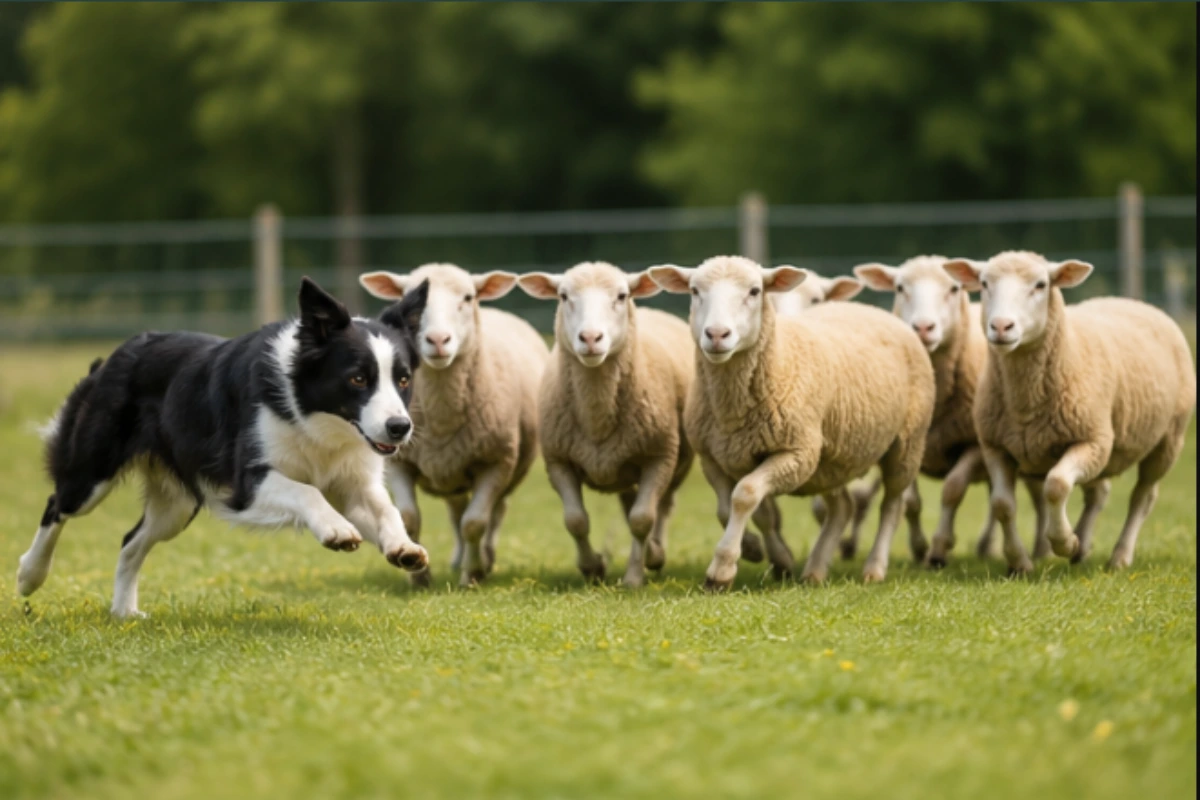
Herding dogs possess a natural instinct to control the movement of other animals, like sheep and cattle. They use eye contact, quick movements, and occasional nips to keep herds moving in the right direction. These dogs are incredibly smart and need a mental job to avoid getting bored at home. For breed examples and official group details, check the AKC Herding Group.
- Simple Meaning: Natural livestock managers with unmatched work ethics.
- Common Traits: Highly intelligent, easy to train, intensely focused, and high energy.
- Iconic Breeds: Border Collie, German Shepherd, Australian Shepherd, and Pembroke Welsh Corgi.
- Best Suited For: Owners who love advanced agility training, trick teaching, and long running sessions.
Types of Dogs by Size
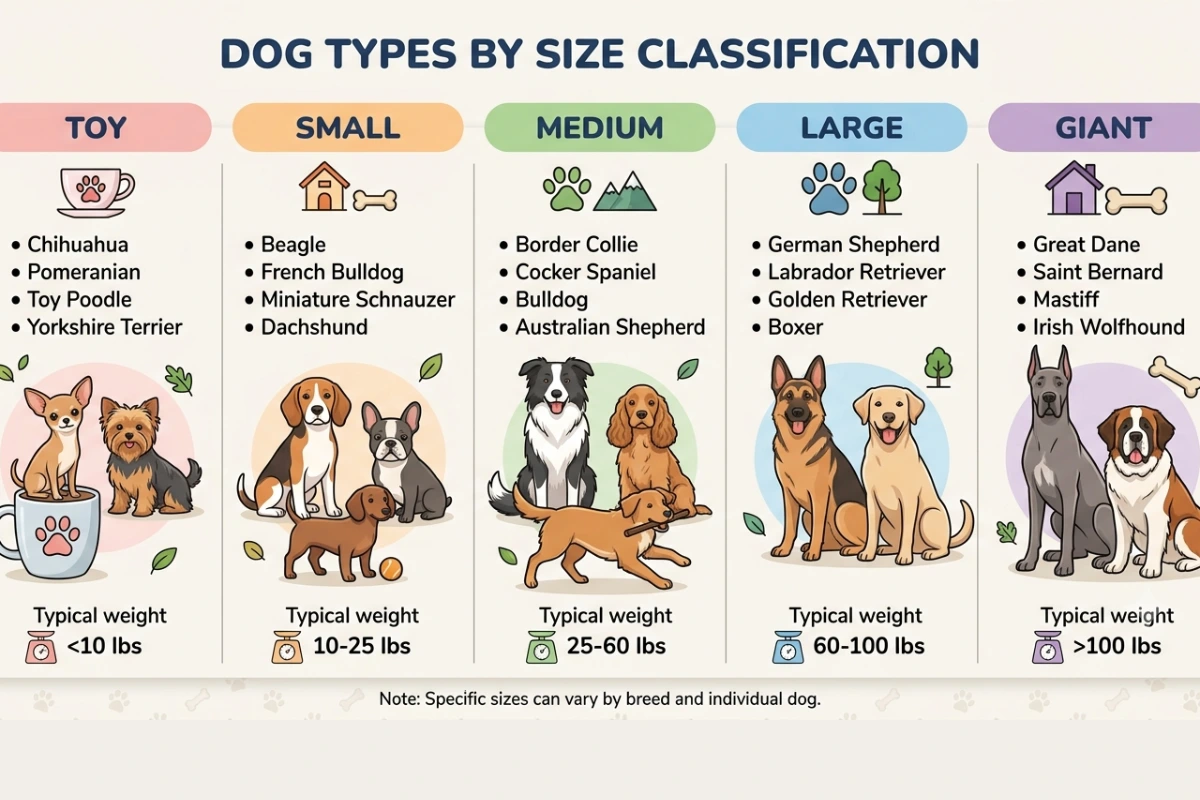
Size is one of the most practical ways to narrow down your search for a new pet. Your living space, vehicle size, and monthly food budget are all tied directly to the physical weight of your canine companion.
Canine Size Classification Matrix
Size Category | Average Weight Range | Common Pro | Common Con |
Toy | Under 10 pounds | Easy to carry anywhere | Fragile bones |
Small | 11 to 25 pounds | Great for apartments | Can be quite vocal |
Medium | 26 to 50 pounds | Highly adaptable | Varied exercise needs |
Large | 51 to 90 pounds | Excellent exercise partner | High food consumption |
Giant | Over 90 pounds | Calm and gentle nature | Shorter average lifespan |
Toy Dog Breeds
When you look at toy dog breeds, you are exploring the smallest companions in the canine world. These tiny pups usually weigh under ten pounds and can fit inside a small travel bag easily. They are perfect for people who do not have the physical strength to manage a large, pulling animal on a leash.
Despite their small stature, these dogs often have massive personalities and will happily act like the boss of the house. You must treat them like real dogs rather than stuffed toys to prevent behavior issues like constant barking.
Their small bones are relatively fragile, so they need protection from accidental drops or rough play with big kids. For more detailed insights on these pocket-sized companions, you can explore our dedicated guide to toy dog breeds.
Small Dog Breeds
The category of small dog breeds covers animals that weigh between 11 and 25 pounds. This is a highly popular size range because it combines the durability of a larger animal with the convenience of a small pet. Breeds like the Boston Terrier, Cavalier King Charles Spaniel, and Miniature Schnauzer fit perfectly into this slot.
These dogs are sturdy enough to enjoy a long walk in the local park without getting tired too quickly. They fit comfortably on the seat of a standard car and do not require a massive monthly budget for commercial dog food.
Many families with young children choose this size category because it offers a safe balance during active playtime. To find the perfect match for your home, check out our guide on small dog breed
Medium-Sized Dogs
If you cannot decide between a tiny lapdog and a massive protector, medium-sized dogs provide the perfect middle ground. Weighing between 26 and 50 pounds, these animals are built for versatility and can adapt to almost any living situation.
This group includes classic options like the Border Collie, Cocker Spaniel, and Bulldog. These dogs are large enough to accompany you on rugged hiking trails while remaining small enough to live happily in a modest home.
Their exercise needs can vary wildly depending on whether the breed comes from a sporting or a non-sporting background. They are generally robust, healthy, and capable of participating in advanced obedience training. You can read more about these balanced pets in our detailed overview of medium sized dogs.
Large Dog Breeds
The category of large dog breeds includes animals that weigh between 51 and 90 pounds, such as Golden Retrievers, German Shepherds, and Boxers. These dogs are natural athletes that require a steady routine of physical exercise to maintain their physical health.
They excel at outdoor activities and make wonderful jogging partners. Owning a large animal means investing more money into high-quality food, heavy-duty crates, and larger doses of veterinary medicines.
You must commit to early leash training so your pet does not pull you down the sidewalk during daily walks. When properly trained, these dogs are incredibly reliable, gentle, and serving as wonderful protectors for your property. Discover the best big companions in our full analysis of large dog breeds.
Giant Dog Breeds
At the top of the scale sit the magnificent giant dog breeds, which easily pass 90 pounds and can sometimes weigh more than an adult human. Breeds like the Great Dane, Mastiff, Irish Wolfhound, and Saint Bernard look intimidating but are often famous for being gentle giants.
They tend to have a very calm, relaxed approach to daily life indoors. While they do not need hours of high-speed running, they do require structural space just to move around the living room comfortably.
You need a large vehicle to transport them to the vet, and you must prepare for a shorter average lifespan compared to tiny pups. Their care requires a serious financial investment in food and healthcare. Check out our special manual on giant dog breeds to see what it takes to manage these gentle giants.
Types of Dogs by Coat
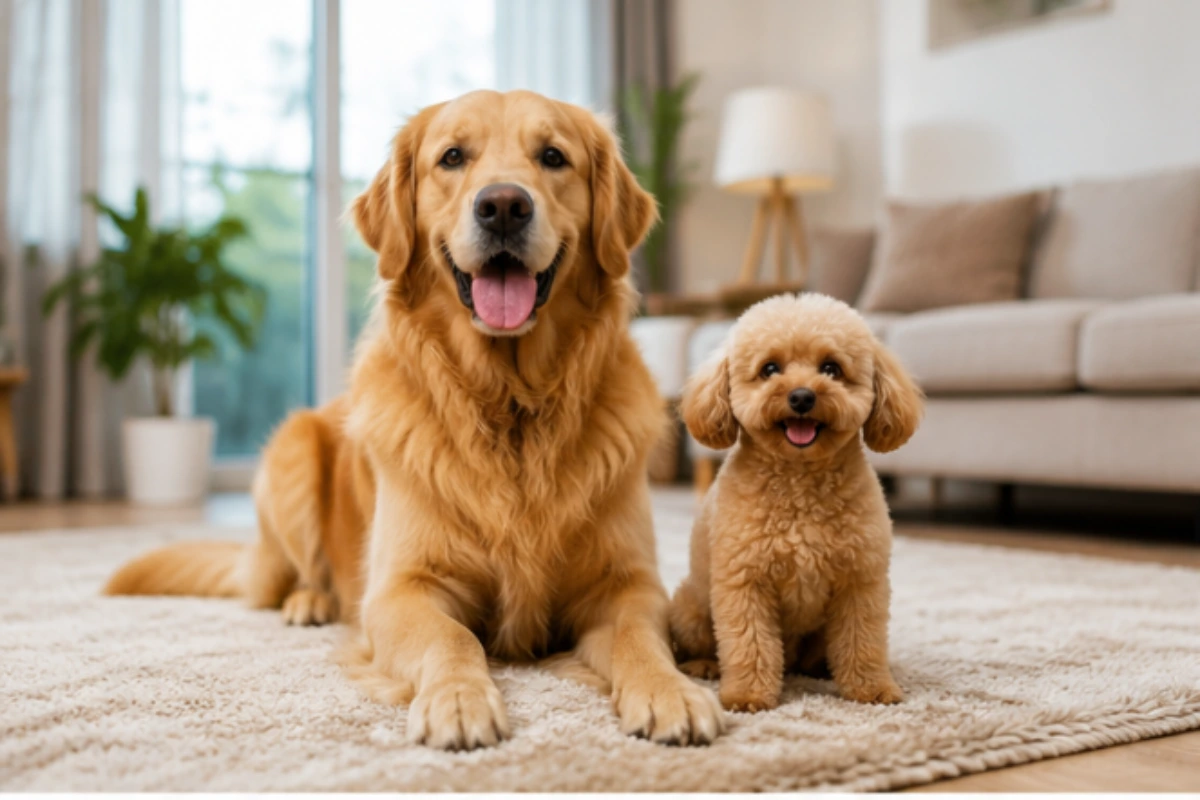
A dog’s fur determines how much time and money you will spend on grooming sessions every week. It also dictates how much loose hair you will find on your living room couch and carpets.
- Short-Haired Dogs: Breeds like the Boxer or Beagle have smooth, tight coats that require minimal brushing. They shed small, needle-like hairs that can stick to fabric but are very easy to bathe at home.
- Long-Haired Dogs: Afghan Hounds and Maltese possess beautiful flowing coats that demand daily brushing to prevent painful mats. They often require regular trips to a professional groomer for clipping.
- Curly-Coated Dogs: Poodles and Bichon Frises have hair that grows continuously instead of shedding out naturally. This creates a low-shedding home environment, but requires professional haircuts every six weeks.
- Double-Coated Dogs: Huskies and German Shepherds have a soft undercoat hidden beneath a tough outer layer. They shed heavily twice a year during seasonal changes, requiring special deshedding tools.
- Low-Shedding Dogs: Breeds like the Schnauzer or Portuguese Water Dog are excellent for people with mild allergies because they drop very little dander around the house.
Types of Dogs by Temperament
A dog’s genetic personality shape determines how they react to the world around them. Matching your personal energy levels to the natural mindset of the breed is a key step in preventing behavior problems.
Calm dogs, like the Cavalier King Charles Spaniel or the Basset Hound, are perfectly content spending most of their afternoon sleeping on a soft rug.
Active dogs, such as the Belgian Malinois or Border Collie, require constant mental stimulation and physical movement to avoid developing destructive chewing habits. Before choosing a high-energy breed, review basic daily exercise needs so you know how much activity your dog may need.
Protective dogs naturally watch over their human family and can be wary of strangers entering the home. Friendly dogs, like the Labrador, treat every single person they meet as a long-lost best friend.
Independent dogs, including many hound and spitz breeds, are perfectly happy spending time alone, while highly trainable dogs focus intensely on pleasing their owners during obedience sessions.
Types of Dogs by Lifestyle
Your home environment and your personal daily schedule should dictate the type of canine you bring into your life. Let’s examine how different living setups match with specific canine profiles.
- Families with Kids: Need patient, sturdy, and resilient dogs like the Golden Retriever or Staffie that can handle the chaotic energy of children.
- Apartments: Require quiet, low-energy, or small canines like the French Bulldog or Pug that do not need a massive backyard to stay happy.
- First-Time Owners: Benefit from eager-to-please, gentle breeds like the Labrador or Maltese that do not challenge boundaries during training.
- Active Owners: Match perfectly with high-stamina sporting or herding breeds like the Australian Shepherd or Vizsla that love running.
- Seniors: Pair best with low-energy, small companion pups like the Shih Tzu that enjoy quiet indoor relaxation and short neighborhood strolls.
- Homes with Yards: Can accommodate large, energetic working or herding breeds that enjoy patrolling a secure outdoor perimeter.
- Busy Owners: Should focus on independent, mature, or low-energy breeds that can handle being alone without experiencing separation anxiety.
Best Types of Dogs for Families
When choosing a family pet, you must look past basic popularity and focus on safety, patience, and resilience. The ideal family dog possesses a predictable temperament and does not get startled easily by sudden movements or loud household noises. Breeds like the Labrador Retriever, Golden Retriever, and Cavalier King Charles Spaniel are legendary in this role.
Families must evaluate how much time they can actually dedicate to a pet while managing school runs and extra activities. You must also teach your children how to respect a dog’s personal space, especially during meal times or sleeping hours. A sturdy breed is always safer around kids because it can handle accidental rough play without getting hurt or reacting defensively.
Best Types of Dogs for Apartments
Many people believe that you cannot own a dog if you live in a high-rise city building, but this is simply not true. Physical size is actually not the most important factor when looking for an apartment pet. Some large dogs can thrive in small spaces if their core exercise needs are met through daily outdoor walks.
The most critical factors for apartment living are low barking tendencies and a calm indoor energy level. A tiny terrier that barks at every single sound in the hallway will quickly cause problems with your neighbors. Breeds like the French Bulldog, Pug, Great Dane, and Greyhound are famous for their ability to lounge quietly inside small city apartments.
Best Types of Dogs for First-Time Owners
If you have never trained a puppy before, you want to avoid breeds that are known for being highly independent or stubborn. First-time owners should focus on canines that are naturally eager to please and forgive minor mistakes during training sessions.
Breeds like the Poodle, Papillon, and Golden Retriever are excellent choices for beginners. You want an animal that responds quickly to positive rewards like tasty treats and praise.
Avoid high-drive working or herding breeds that require advanced training techniques to keep their protective instincts under control. Starting with an easier breed helps you build confidence as a pet parent.
How to Choose the Right Type of Dog
Before choosing a breed, review trusted advice on selecting a pet dog. Before signing any adoption paperwork, you should work through this practical decision checklist to ensure a perfect long-term match for your household.
- Home Size: Do you have enough physical space for an extra-large crate and room for the dog to move its tail without knocking over decorations?
- Daily Schedule: Will the dog be left alone for more than six hours at a time, or does someone work from home?
- Grooming Budget: Can you afford professional haircuts every six weeks, or do you prefer a low-maintenance short coat?
- Exercise Time: Are you truly willing to walk your pet in the rain and freezing winter cold every morning?
- Children in the Home: Are your kids old enough to handle a tiny pup safely, or do you need a more robust, larger breed?
- Allergies: Does anyone in your house sneeze around animal dander, requiring a low-shedding curly coat?
- Training Ability: Are you ready to attend local obedience classes, or do you need a breed that is naturally easy to manage?
- Long-Term Cost: Have you budgeted for premium food, regular flea preventatives, and unexpected veterinary emergency bills?
- Breed Health Risks: Have you researched the specific genetic health issues linked to the breed you are looking at?
Common Mistakes When Choosing a Dog Type
One of the most frequent mistakes potential owners make is picking a dog based entirely on its appearance or its popularity in Hollywood movies. A breed that looks beautiful on screen might require hours of exhausting daily exercise that does not fit your relaxed weekend lifestyle.
Ignoring specific exercise needs can quickly lead to chewed furniture and constant barking at home. Another massive mistake is failing to plan for the real cost of coat maintenance. Long-haired and curly breeds can quickly develop painful skin mats if you skip weekly brushing sessions.
Additionally, buyers often ignore known breed health risks, leading to massive veterinary bills later in the animal’s life. Always choose a pet that fits your actual daily reality rather than an idealized lifestyle. Also, review basic general dog care needs before bringing any breed home.
Final Thoughts on Types of Dogs
Finding the perfect companion becomes much easier when you stop looking at canines as simple pets and start analyzing their official groups, sizes, and temperaments. Every single breed carries a unique history that shapes how they behave inside your living room today.
There are different types of dogs built for every single imaginable human lifestyle, budget, and home setup. Remember that while genetic breed traits provide a helpful baseline, every single puppy is an individual that requires love, patience, and structure.
Solid training, early socialization, high-quality care, and a proper lifestyle match are just as important as the breed name printed on your adoption papers. Take your time, do your research, and choose the canine companion that fits naturally into your daily life.
FAQs About Types of Dogs
What are the main types of dogs?
Dogs are officially sorted into seven core categories: Sporting, Hound, Working, Terrier, Toy, Non-Sporting, and Herding groups. They can also be classified practically by five primary size brackets ranging from tiny toy companions to massive giant protectors.
How many dog groups are there?
There are seven official breed groups recognized by major global canine organizations like the American Kennel Club. Each group gathers specific breeds that share similar historical working purposes, physical builds, and ancestral traits.
What type of dog is best for families?
Patient, gentle, and sturdy breeds like Labrador Retrievers, Golden Retrievers, and Cavalier King Charles Spaniels make wonderful family pets. They possess highly predictable temperaments and can easily adapt to the busy environment of a family home.
What type of dog is best for apartments?
The best apartment dogs are quiet breeds with low indoor energy levels, regardless of their actual physical size. French Bulldogs, Pugs, and even Greyhounds thrive in smaller apartments because they spend most of their indoor hours resting quietly.
Are large dogs harder to care for?
Large dogs require a significantly bigger financial commitment for food, heavy-duty gear, and veterinary medications. They also demand consistent early obedience training to ensure you can handle them safely during daily walks on a leash.
How do I choose the right dog type?
You should choose a dog type by matching your home’s physical size, your personal daily work schedule, your monthly pet budget, and your local activity level with a breed’s natural size, coat care needs, and exercise requirements.
