


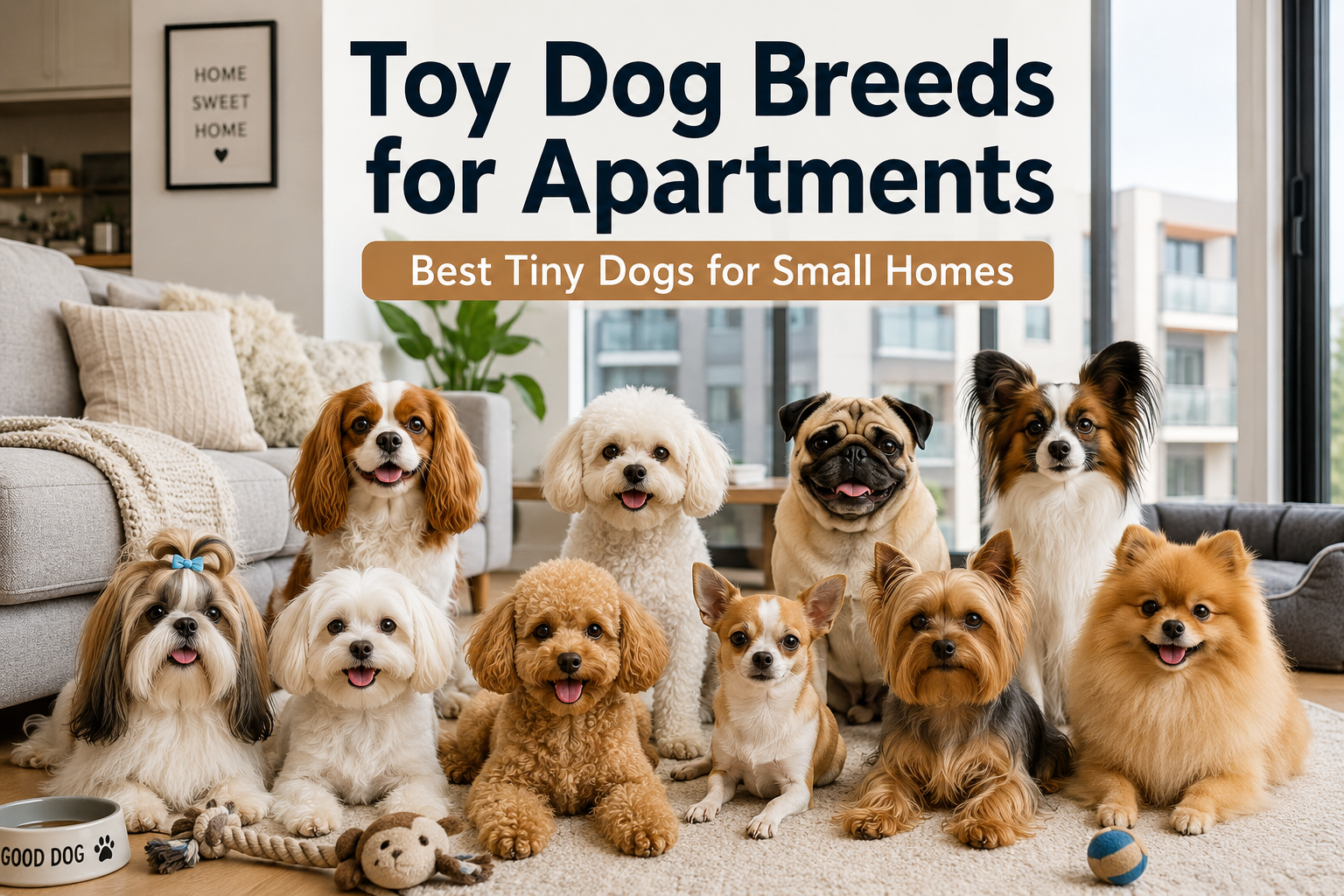
Living in an apartment does not mean you cannot have a dog.
In fact, many toy dog breeds for apartments do surprisingly well in small spaces. They are compact, usually calm indoors, and do not need a large garden to be happy.
But small size alone does not make a dog apartment-friendly. Barking, energy level, training, grooming, and how long the dog can handle being alone all matter just as much as how much space they take up.
This guide covers the best toy dogs for apartment living, what to look for before choosing, and how to set up your home so your small dog can actually thrive in it.
Quick Answer: Best Toy Dog Breeds for Apartments
If you want a short answer, here it is.
Cavalier King Charles Spaniels, Maltese, Shih Tzus, Toy Poodles, Havanese, and Pugs are among the most popular apartment-friendly toy breeds. They tend to be calm indoors, manageable in size, and trainable with consistent effort.
For trusted breed background, you can also check the AKC Toy Group guide.
That said, every dog is an individual. A breed known for being calm can still become noisy or destructive without proper training, enough exercise, and daily mental stimulation. The dog’s routine matters as much as the breed itself.
Are Toy Dog Breeds Good for Apartments?
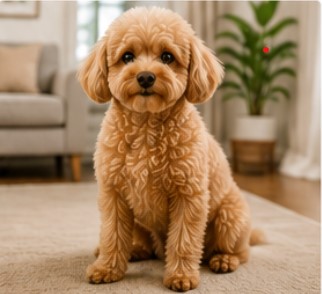
Toy dogs can fit into apartment life very well in many cases.
Their small size is an obvious advantage. They do not need a large home to move around comfortably. Many of them are happy with indoor play, short daily walks, and some time with their owner each day.
But there are limits.
Some toy breeds bark a lot. A noisy dog in an apartment building can cause real problems with neighbors and building management. Some toy breeds also struggle with being left alone and can become anxious or destructive when their owner is away for long hours.
Training and routine make a bigger difference than most people expect. A well-trained toy dog in an apartment can be an excellent companion. An undertrained toy dog in the same apartment can become a daily source of stress for you and everyone around you.
So yes, toy dogs can be great for apartments. But the breed choice, your daily schedule, and your commitment to training all play a major role in how well it actually works.
What Makes a Toy Dog Apartment-Friendly?
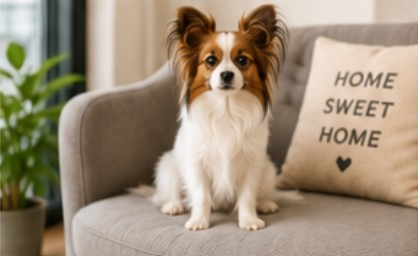
Not every small dog is automatically a good apartment dog.
Before choosing a breed, run through this checklist and think honestly about which qualities matter most for your situation.
- Low to moderate barking — important for shared walls and hallway noise
- Calm indoor behavior — does the dog settle easily after a walk or play session?
- Easy size — fits comfortably in the home without needing huge amounts of space
- Manageable exercise needs — can daily needs be met with apartment walks and indoor play?
- Friendly temperament — comfortable around strangers, neighbors, and elevator rides
- Trainability — responds to consistent training, especially for barking and alone time
- Grooming needs — fits your budget and time for regular coat care
- Low separation anxiety — can handle being alone for reasonable periods without distress
- Good manners around neighbors — calm in hallways, lifts, and shared common areas
Some small dog breeds can also work well in apartments when their barking, energy, and grooming needs fit your routine.
A dog that ticks most of these boxes will generally do better in apartment life than one that only fits on size alone.
Best Toy Dog Breeds for Apartments

Here is a comparison table to give you a quick overview before we go into detail on each breed.
Breed | Size | Energy Level | Barking Level | Grooming Needs | Best For |
|---|---|---|---|---|---|
Cavalier King Charles Spaniel | Small | Low to moderate | Low | Moderate | Families, seniors |
Maltese | Very small | Low to moderate | Low to moderate | High | Quiet homes, seniors |
Shih Tzu | Small | Low | Low | High | Calm apartments |
Toy Poodle | Very small | Moderate | Low to moderate | High | Smart owners |
Havanese | Small | Moderate | Low to moderate | Moderate to high | Social homes |
Pug | Small | Low | Low to moderate | Low | Relaxed owners |
Chihuahua | Very small | Moderate | Moderate to high | Low | Experienced owners |
Yorkshire Terrier | Very small | Moderate | Moderate | Moderate to high | Active owners |
Papillon | Very small | Moderate to high | Moderate | Moderate | Active owners |
Pomeranian | Very small | Moderate | Moderate to high | High | Experienced owners |
Bichon Frise | Small | Moderate | Low to moderate | High | Families, allergy-sensitive |
Italian Greyhound | Small | Moderate | Low | Low | Calm homes |
Toy breeds are one part of the wider types of dogs, so it helps to compare size, temperament, and lifestyle before choosing.
Cavalier King Charles Spaniel
The Cavalier King Charles Spaniel is one of the most consistently recommended breeds for apartment living.
They are gentle, affectionate, and usually calm indoors. They enjoy sitting close to their owner, going for short walks, and spending quiet evenings at home. They do not demand intense exercise and tend to adapt well to smaller living spaces.
Cavaliers are generally not heavy barkers, which helps in shared apartment buildings. They are also friendly with strangers and tend to handle elevator rides and hallway encounters without too much stress.
The main care commitment is their coat. Regular brushing is needed to keep it tangle-free, and their ears need regular checking to prevent infections. They are also prone to certain heart conditions, so regular vet checks matter. First-time owners often find Cavaliers one of the easier breeds to manage. They suit families and seniors equally well.
Maltese

The Maltese is a tiny, elegant dog that thrives in calm indoor environments.
They are gentle, loving, and bond closely with their owner. They do not need a lot of physical exercise and are generally happy with short daily walks and indoor play. That makes them a popular choice for apartment owners who want a close companion without the demands of a high-energy breed.
Maltese dogs can be protective of their space and may bark at sounds in the hallway. Early training helps manage this. They also tend to form very strong attachments to their owner, which can lead to separation anxiety if left alone for long periods regularly.
Their long white coat requires consistent brushing and regular grooming appointments. Many owners keep them in a shorter puppy cut for easier daily management. The Maltese suits calm homes, senior owners, and people who are home regularly.
Shih Tzu
The Shih Tzu is calm, friendly, and well-suited to apartment living.
They were bred as companion dogs for Chinese royalty, and that history shows. They enjoy being indoors, sitting close to people, and living a relaxed daily routine. They do not need heavy exercise and are generally happy with one or two short walks per day alongside some indoor playtime.
Shih Tzus are not heavy barkers compared to many toy breeds. They tend to get along well with other residents and strangers in hallways and common areas. They can be a bit stubborn during training, so patience and consistency matter.
Their coat needs regular brushing and professional grooming. Many owners keep them trimmed short for easier maintenance. They suit people who want a calm, loyal companion and do not mind the grooming commitment.
Toy Poodle
The Toy Poodle is one of the smartest dog breeds in the world, regardless of size.
They are quick learners, highly trainable, and adapt well to apartment life when their mental and physical needs are met. They enjoy training games, puzzle feeders, and interactive play as much as outdoor walks. Mental stimulation keeps them settled and content indoors.
Toy Poodles do not shed much, which is a practical advantage in a small apartment. Their curly coat does need regular professional grooming, though, so factor that into your budget. They can develop separation anxiety if left alone too often without proper conditioning from puppyhood.
They suit owners who enjoy training, want an active mental partnership with their dog, and can commit to regular grooming appointments. The American Kennel Club recognises the Toy Poodle as an excellent family companion, and that reputation is well deserved.
Havanese
The Havanese is a cheerful, social, and adaptable small dog.
They enjoy being around people and tend to do well in apartment environments when their social needs are met. They are playful without being overly high-energy, and they settle comfortably indoors after a walk or play session.
Havanese dogs can develop separation anxiety if they spend too much time alone. They are social by nature and genuinely thrive on company. If you work long hours away from home, this breed may not be the best fit without proper support arrangements.
Their coat is soft and low-shedding but needs regular brushing to prevent tangles. They suit social households, people who work from home, or owners who can arrange companionship during the day.
Pug
The Pug is a laid-back, affectionate dog that generally does well in apartments.
They are not high-energy and are usually happy with short daily walks and plenty of rest. They tend to be friendly with strangers and other dogs, which makes them reasonably easy to manage in shared building environments.
Pugs are not heavy barkers, which is a genuine advantage in apartment living. However, they can snore, grunt, and breathe loudly due to their flat face. That is not a noise issue for neighbors, but it is something to be aware of at home.
Their flat face also means they are sensitive to heat. Avoid exercising them in hot weather and keep your apartment cool in summer. Their short coat is easy to maintain, though they shed more than their size might suggest. Pugs suit relaxed owners who want a low-energy companion.
Chihuahua
The Chihuahua is the smallest dog breed in the world, but it carries a very big personality.
Chihuahuas can adapt to apartment living well in terms of size and exercise needs. They are alert, loyal, and often very attached to one person. However, they can be vocal, and their instinct to bark at sounds, strangers, or perceived threats can become a real issue in a shared apartment building.
Training and socialisation from a young age are essential with a Chihuahua. Without them, barking and territorial behavior can become difficult to manage. With consistent training, they can be calmer and more manageable in an apartment setting.
They have short coats that are easy to maintain. They suit experienced dog owners who understand small dog behavior and can commit to consistent training and early socialisation.
Yorkshire Terrier
The Yorkshire Terrier, or Yorkie, is small, confident, and full of personality.
They can live well in apartments, but they are not always the quietest option. Yorkies can be territorial and vocal, particularly toward sounds in the hallway or strangers approaching the door. Training helps manage this, but it requires consistent effort.
They enjoy daily walks and indoor play. They are not high-energy in the way that working breeds are, but they are lively and need mental engagement to stay settled indoors.
Their coat is more like human hair than typical dog fur, which means low shedding. But it needs regular brushing and professional grooming to keep it in good shape. Yorkies suit active owners who enjoy a dog with attitude and can commit to training and grooming consistently.
Papillon
The Papillon is a lively, intelligent, and surprisingly energetic tiny dog.
They are trainable and often excel in obedience and agility activities. That intelligence and energy means they need more mental stimulation than some other toy breeds. Without enough engagement, they can become restless and vocal indoors.
Papillons can adapt to apartment living, but they need daily exercise, training games, and interactive play to stay settled. They are friendly with people and tend to socialise well with proper introduction.
Their medium-length coat is easier to maintain than many long-coated toy breeds. They suit active owners who enjoy training and can provide daily mental and physical activity. They are not the best choice for very relaxed or low-activity households.
Pomeranian
Pomeranians are bold, fluffy, and alert little dogs.
They can do well in apartments in terms of size and exercise needs. But they are naturally vocal. Pomeranians tend to bark at sounds, movements, and strangers. In an apartment building, that barking instinct needs to be managed through training from an early age.
They are intelligent and respond well to positive training when started consistently and early. Without training, their barking can become a daily challenge in a shared building.
Their thick double coat sheds significantly and needs regular brushing. They suit owners who have experience with small dogs, enjoy grooming, and can commit to managing the barking through consistent training and enrichment.
Bichon Frise
The Bichon Frise is cheerful, gentle, and one of the better apartment toy breeds for people with mild allergies.
They are low-shedding, which is practical in a small apartment. Their coat does need regular professional grooming, but they do not leave hair all over your furniture and floors the way some other breeds do.
Bichons are friendly, social, and generally not heavy barkers. They enjoy being with people and tend to adapt well to apartment routines when properly socialised. They can develop separation anxiety if left alone too regularly, so daily company and a predictable routine help.
They suit families, first-time owners, and people with mild dog allergies who still want a companion. The Bichon Frise is a reliable, good-natured option for many apartment situations.
Italian Greyhound
The Italian Greyhound is elegant, gentle, and surprisingly calm indoors.
Despite being in the sighthound family, they tend to be quiet in the home and are not heavy barkers. They enjoy short bursts of running outdoors but settle quickly back inside, making them more apartment-compatible than many people expect.
They are affectionate with their owners but can be shy around strangers. Early socialisation helps them become more comfortable in busy apartment environments with different people and sounds.
Their short coat is very easy to maintain. However, they feel the cold easily and may need a coat or jumper in colder months. They suit calm homes, gentle owners, and people who want a quiet, low-maintenance coat alongside a gentle temperament.
Calm Toy Dog Breeds for Small Homes
If you live in a particularly quiet building, work from home, or simply want a relaxed companion, some toy breeds are naturally calmer than others.
The Shih Tzu, Cavalier King Charles Spaniel, Pug, Maltese, and Italian Greyhound tend to be among the more relaxed options in the toy category. They are content with a predictable daily routine, moderate exercise, and time with their owner.
Calm breeds still need daily walks, mental stimulation, and social interaction. A calm dog that is bored or under-stimulated can still develop problem behaviors. Calm does not mean no-care. It means their baseline energy and demand level is lower than more active breeds.
If you are a senior, work from home, or simply prefer a quieter daily routine with your dog, these breeds are worth prioritising in your search.
Low Barking Toy Dogs for Apartments
No dog breed is completely silent.
But some toy breeds bark significantly less than others by nature. The Cavalier King Charles Spaniel, Italian Greyhound, Shih Tzu, and Pug tend to be among the quieter options in the toy group.
Even naturally quieter breeds can develop barking habits if they are under-stimulated, anxious, or not properly trained. Hallway sounds, elevator noises, and the sound of neighbors moving around can all trigger barking in dogs that are not conditioned to these sounds from puppyhood.
Training, enrichment toys, white noise, and a consistent daily routine all help manage barking in apartment dogs. Starting early and being consistent makes a significant difference over time.
If your building has strict noise rules or thin walls, prioritising a naturally quieter breed and committing to early training is the smartest approach.
Toy Dog Breeds for First-Time Apartment Owners
First-time dog owners in apartments need a breed that is manageable, forgiving, and not too demanding while they are still learning.
The Cavalier King Charles Spaniel, Bichon Frise, Shih Tzu, and Maltese are often recommended for first-time owners. They respond well to positive training, are generally gentle in nature, and do not have extreme exercise or stimulation demands.
Toy Poodles can also work well for first-time owners who enjoy training and mental engagement with their dog. They are highly intelligent and respond quickly to consistent positive reinforcement.
Breeds like Chihuahuas, Pomeranians, and Yorkshire Terriers can be wonderful dogs, but they are better suited to owners who have some understanding of small dog behavior. Their strong personalities and vocal tendencies can be challenging without prior experience.
Toy Dog Breeds for Seniors in Apartments
Seniors often make excellent dog owners, and toy dogs can be a natural fit for apartment-based senior living.
The best toy breeds for seniors tend to be calm, affectionate, not too physically demanding, and manageable in terms of grooming and handling. The Cavalier King Charles Spaniel, Shih Tzu, Maltese, Pug, and Bichon Frise are frequently recommended in this context.
Walking needs should be realistic. Most toy breeds only need one or two short walks per day, which suits seniors who may not be able to manage long or fast-paced walks.
Grooming is worth thinking about carefully. Some toy breeds need significant coat maintenance. If regular grooming appointments are a budget or mobility concern, choosing a breed with a shorter or lower-maintenance coat makes practical sense.
Size and physical handling also matter. Very small dogs like Chihuahuas can be fragile and may not suit seniors who have mobility or grip concerns. Slightly sturdier small breeds may be more practical in those situations.
Grooming Needs of Apartment Toy Dogs
Grooming requirements vary significantly between toy breeds, and it is worth understanding what you are committing to before choosing.
Short coats like those on Pugs, Chihuahuas, and Italian Greyhounds need minimal brushing. They may shed, but coat maintenance at home is quick and simple. Professional grooming is rarely needed.
Long coats like those on Maltese, Shih Tzus, and Yorkshire Terriers need regular brushing to prevent tangles and matting. Most long-coated toy breeds need professional grooming appointments every six to eight weeks. This is a real ongoing cost to factor into your budget.
Curly coats like those on Toy Poodles and Bichon Frises are low-shedding, which is practical in a small apartment. But the coat needs regular professional clipping and brushing at home between appointments.
All toy dogs need nail trims, ear checks, dental care, and occasional baths regardless of coat type. Grooming is not just about appearance. It is also how you spot health issues early.
Daily Exercise Needs for Toy Dogs
Toy dogs still need daily exercise even though they are small.
Most toy breeds do well with one or two short walks per day, some indoor play, and regular mental stimulation through training games or puzzle feeders. That is genuinely manageable in an apartment lifestyle.
But skipping exercise is not a good idea even with the smallest breeds. Under-exercised toy dogs can become restless, anxious, or vocal indoors. A short daily walk and some active playtime make a real difference to how settled your dog is in the apartment.
Mental stimulation matters just as much as physical activity for many toy breeds. Training sessions, sniff walks, interactive toys, and puzzle feeders all help tire a dog out mentally, which often has a bigger calming effect than physical exercise alone.
Potty breaks also need to be regular, especially for smaller dogs with smaller bladders. If you are away from home for long periods, arranging midday walks or a dog walker is important for your dog’s comfort and wellbeing.
Common Mistakes When Choosing Toy Dog Breeds for Apartments
These mistakes come up regularly. Being aware of them can save you a lot of stress.
Before choosing, read trusted advice on selecting a pet dog.
Choosing only by looks. A dog that looks cute in photos may have an energy level or barking tendency that does not suit your apartment at all. Research the breed thoroughly before committing.
Ignoring barking tendencies. Barking is one of the biggest practical challenges in apartment dog ownership. Do not assume a small dog will be quiet. Some toy breeds are naturally very vocal.
Skipping training. Toy dogs need just as much consistent training as larger breeds. Small size does not reduce the need for basic manners, recall, and quiet behavior.
Leaving the dog alone too long. Most toy breeds do not handle long periods of isolation well. If you work full-time outside the home, make a plan for midday company or dog walking before bringing a dog home.
Ignoring grooming cost. Some toy breeds need professional grooming every six to eight weeks. That cost adds up significantly over a year. Budget for it honestly before choosing a high-maintenance coat breed.
Treating tiny dogs like toys. Small dogs are still dogs. They need boundaries, training, exercise, and respect. Letting tiny dogs get away with behaviors that would not be acceptable in a larger dog usually leads to bigger problems later.
Not checking breed health risks. Many toy breeds have specific health concerns. Flat-faced breeds like Pugs have breathing considerations. Cavaliers have known heart issues. Research the breed’s health profile and factor in potential vet costs.
Apartment Setup Checklist for Toy Dogs
Before your dog comes home, make sure your apartment is ready.
- Comfortable dog bed in a quiet, dedicated spot
- Crate or safe zone for rest and alone time
- Food and water bowls at a suitable height
- Pee pads near the door if needed during training
- Properly fitted harness and leash
- Chew toys and interactive puzzle feeders
- Appropriate grooming tools for the coat type
- Sofa ramp or steps if the dog will use furniture
- ID tag with your contact details and microchip registration
- Quiet resting area away from foot traffic and noise
Also, review basic general dog care needs before bringing your dog home.
Having these basics in place before the dog arrives makes the first few days much smoother for both of you.
Final Thoughts on Toy Dog Breeds for Apartments
Toy dog breeds for apartments can be a genuinely great match when the right breed meets the right owner and the right routine.
Size helps. But barking, training, grooming, exercise, and separation tolerance matter just as much. A calm, well-trained Cavalier or Shih Tzu in a well-managed apartment can be an ideal companion. An undertrained, bored Pomeranian in the same space can be a daily challenge.
Take time to compare breeds honestly against your lifestyle. Think about how many hours you are home each day, what your grooming budget looks like, how patient you are with training, and what kind of energy level actually suits your daily routine.
The right toy dog for your apartment is not just the smallest or the cutest option. It is the one you can genuinely care for well every single day.
For a broader look at the full toy breed category, check out our guide to toy dog breeds. You can also explore our small dog breeds guide for more options beyond the toy group. And if you want to understand where toy dogs fit in the bigger picture, our types of dogs guide covers all breed groups in detail.
FAQs About Toy Dog Breeds for Apartments
What are the best toy dog breeds for apartments?
Cavalier King Charles Spaniels, Maltese, Shih Tzus, Toy Poodles, Havanese, and Pugs are among the most popular apartment-friendly toy breeds. The best choice depends on your lifestyle, training commitment, grooming budget, and daily routine.
Are toy dogs easy to care for in apartments?
Many toy dogs are manageable in apartments, but easy depends on the breed and the owner. All toy dogs need daily walks, training, grooming, and regular vet care. Some breeds need more coat maintenance or struggle more with alone time than others.
Which toy dog breed barks the least?
Cavalier King Charles Spaniels, Italian Greyhounds, Shih Tzus, and Pugs tend to be among the quieter toy breeds. But no breed is completely silent, and even naturally quiet breeds can develop barking habits without proper training and enrichment.
Are toy dogs good for first-time owners?
Some toy breeds suit first-time owners well. Cavalier King Charles Spaniels, Bichon Frises, Shih Tzus, and Maltese are often recommended. Breeds like Chihuahuas and Pomeranians can be more challenging for owners without prior experience of small dog behavior.
Can toy dogs be left alone during work hours?
Most toy breeds do not handle very long periods of isolation well. If you work full-time away from home, arranging midday walks, a dog sitter, or doggy daycare is important for your dog’s wellbeing. Some breeds handle alone time better than others with proper conditioning from puppyhood.
What toy dog is best for seniors in apartments?
Cavalier King Charles Spaniels, Shih Tzus, Maltese, Pugs, and Bichon Frises are often well-suited to seniors in apartments. They tend to be gentle, calm, and manageable in terms of daily exercise and physical handling. Always consider grooming needs and vet costs alongside temperament when choosing.
