



What Is a Medium Dog Breed?
A medium dog breed sits right between small and large dogs. Most of these dogs weigh between 10 and 25 kilograms. Their height usually falls between 30 and 60 centimeters at the shoulder, depending on the breed. Some may lean a bit smaller or bigger, but they stay in that middle range.
Here’s the thing. Size affects almost everything about a dog. A medium dog is often easier to handle than a large one, but still strong and active compared to a small dog. What this really means is you get a balance. These dogs can play, guard, travel, and live in many types of homes without too much trouble.
Facebook Links
DIT CIT course in multanTheir size also affects space needs. A medium-sized dog can live in an apartment if it gets daily exercise. At the same time, it will enjoy a house with a yard. Feeding costs stay moderate. You won’t spend as much as you would on a large breed, but it’s still more than a small dog.
Health and lifespan also connect to size. Medium dogs often live longer than large breeds and have fewer joint problems, though it depends on the breed and care. Overall, their size makes them a practical choice for many people.
Pros and Cons of Medium Dog Breeds
| Pros | Cons |
|---|---|
| Highly trainable | Needs daily activity |
| Very loyal | Can become destructive |
| Great for active people | Not beginner-friendly |
Pros
Medium dogs are easy to manage in daily life. They are not too fragile like some small dogs, and they are not too heavy or hard to control like large ones. You can walk them, travel with them, and handle grooming without much stress.
They are also a great fit for families. Many medium breeds are friendly, playful, and patient with children. They have enough energy to play but can also relax indoors. This balance makes them good companions for both active and calm households.
Another plus is adaptability. Medium dog breeds adjust well to different living spaces. Whether it’s an apartment or a house, they can settle in as long as they get proper exercise and attention.
Cons
Medium dogs still need regular exercise. Don’t assume they are low effort. Most need daily walks, playtime, and mental activity. If they don’t get it, they can become bored and start unwanted behavior like chewing or barking.
Some breeds in this size group have high energy levels. These dogs need more than just a short walk. They may require training, games, or even sports to stay happy. This can feel like a lot if your schedule is busy. There’s also the training side.
While many medium dogs are smart, they can also be stubborn if not well-trained. You need time, patience, and consistency. In simple terms, medium dog breeds offer a middle ground. They are easier than large dogs and more active than small ones. If you can meet their exercise and training needs, they can be one of the best choices for a home.
Most Popular Medium Dog Breeds (US)
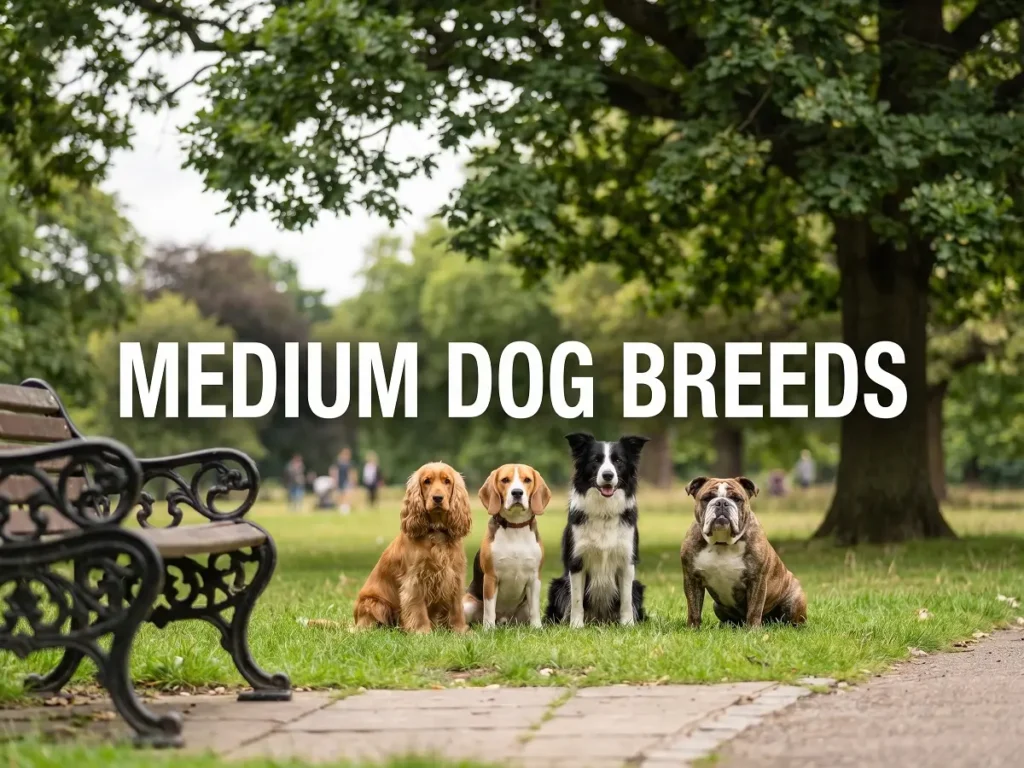
Here’s a clear look at well-known medium dog breeds in the US. Each one has its own style, energy level, and personality. Let’s break them down.
Types of medium dog breeds
Airedale Terrier
Often called the “king of terriers.” Smart, alert, and confident. Needs regular exercise and firm training.
American Staffordshire terrier
Strong and loyal. Very people-friendly when raised well. Needs training and social time early on.
American Water Spaniel
Loves water and outdoor play. Energetic and smart. Good for active owners.
Australian Cattle Dog
Hardworking and full of energy. Best for people who enjoy long walks or outdoor tasks.
Australian Shepherd
Very smart and quick to learn. Needs mental and physical activity every day.
Basset Hound
Low to the ground with long ears. Calm and gentle, but can be stubborn at times.
Beagle
Friendly and curious. Loves to follow scents. Great with families but needs supervision outdoors.
Bearded Collie
Shaggy coat and lively nature. Playful and social. Needs grooming and daily activity.
Border Collie
One of the smartest dog breeds. Very active. Needs work, games, or training to stay happy.
Boykin Spaniel
Friendly and eager to please. Good with families. Enjoys water and outdoor fun.
Brittany
Light, fast, and energetic. Great for active homes. Loves running and exploring.
Bulldog
Calm and relaxed. Loves staying indoors. Needs care in hot weather due to breathing issues.
Cocker Spaniel
Gentle and loving. Great with kids. Needs grooming and regular walks.
English Springer Spaniel
Active and friendly. Loves to run and play. Good for outdoor families.
Field Spaniel
Quiet and steady. Less hyper than other spaniels. Still needs daily exercise.
Harrier
Similar to a Beagle but larger. Energetic and social. Needs space and activity.
Polish Lowland Sheepdog
Strong herding instinct. Smart and alert. Needs training and grooming.
Shar Pei
Known for its wrinkled skin. Loyal and calm. Can be reserved with strangers.
Shetland sheepdog
Small but very smart. Easy to train. Good family dog with lots of energy.
Staffordshire bull terrier
Strong and affectionate. Loves people, especially kids. Needs proper training.
Welsh springer spaniel
Friendly and active. Enjoys long walks and playtime. Loyal to family.
Whippet
Fast runner but calm at home. Needs short bursts of exercise, then likes to relax.
Best Medium Dog Breeds by Lifestyle
Choosing the right dog depends on how you live. Your time, space, and energy level all matter. Let’s break it down so you can see what fits best.
Best for Families
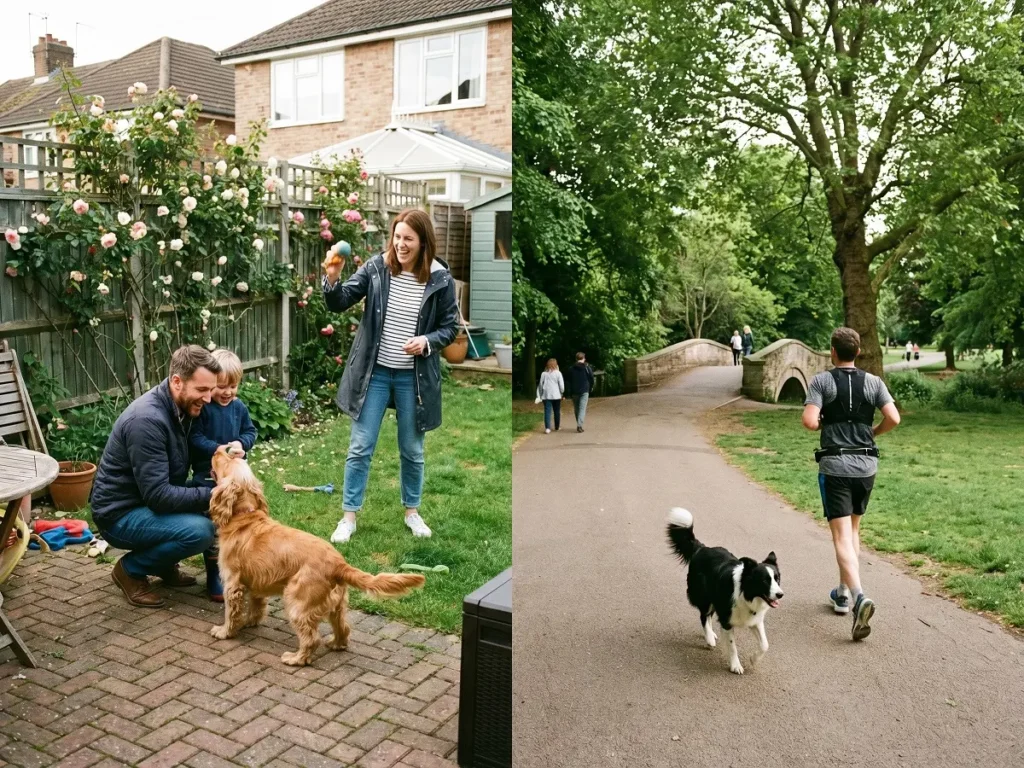
If you have kids, you need a dog that is patient, friendly, and not too sensitive. Breeds like the Cocker Spaniel, Beagle, and Staffordshire Bull Terrier are great choices. These dogs enjoy being around people. They like to play but can also relax at home.
What this really means is they can match a family’s daily routine. They are usually gentle with children and enjoy attention. That said, they still need training. A friendly dog without training can become too excited or hard to control. Regular walks and playtime help them stay calm and happy.
Best for Apartments
Living in a flat or small space changes things. You need a dog that does not need too much room indoors. Good options include the Bulldog and Whippet. These breeds are calm inside the home. They don’t move around too much and are happy to rest for long hours.
The Whippet, for example, enjoys short runs but then relaxes most of the day. Here’s the thing. Even apartment dogs need daily walks. A small space does mean no exercise. Without it, they can become bored or restless.
Best for First-Time Owners
If this is your first dog, go for a breed that is easy to train and friendly by nature. The Cocker Spaniel, Beagle, and Shetland Sheepdog are good picks. These dogs learn quickly and enjoy being around people.
They respond well to simple training and don’t have extreme behavior if treated right. Still, you need patience. Even easy dogs need time to learn rules. Basic training, routine, and care will make a big difference.
Best Low-Maintenance Dogs
Some people don’t have time for heavy grooming or long daily activity. In that case, look at breeds like the Bulldog, Whippet, and Shar Pei. These dogs are more relaxed. They don’t need hours of exercise.
Their grooming needs are also lower compared to long-haired breeds. But low maintenance does mean no care. They still need walks, basic grooming, and health checks. It’s just less demanding compared to high-energy breeds.
Best Active Dogs
If you enjoy outdoor life, you need a dog that can keep up. Breeds like the Border Collie, Australian Shepherd, and Australian Cattle Dog are perfect for this. These dogs are full of energy. They love running, playing, and learning new things.
Long walks, training games, and open space suit them best. What this really means is they are not for lazy routines. If they don’t get enough activity, they can become restless and develop bad habits. But if you stay active, they become amazing companions.
Medium Dog Breeds Comparison Table
Here’s a simple way to compare some popular medium dog breeds. This helps you see how they differ in daily care, energy, and behavior.
| Breed | Weight | Energy Level | Grooming Needs | Good with Kids | Training Difficulty |
| Beagle | 10–11 kg | High | Low | Yes | Moderate |
| Cocker Spaniel | 12–15 kg | Medium | High | Yes | Easy |
| Border Collie | 14–20 kg | Very High | Medium | Yes | Easy but needs effort |
| Bulldog | 18–23 kg | Low | Low | Yes | Moderate |
| Australian Shepherd | 16–25 kg | Very High | Medium | Yes | Moderate to Hard |
| Staffordshire Bull Terrier | 13–17 kg | Medium | Low | Yes | Moderate |
| Whippet | 11–18 kg | Medium | Low | Yes | Easy |
| Shar Pei | 18–25 kg | Low to Medium | Low | Sometimes | Moderate |
| Shetland Sheepdog | 6–12 kg | High | High | Yes | Easy |
| Basset Hound | 20–29 kg | Low | Low | Yes | Hard |
Here’s the thing. This table gives you a quick snapshot, but real life can vary. A dog’s behavior depends on training, care, and environment.
Energy level
Energy level tells you how active the dog is. High-energy dogs like the Border Collie need daily work or play. Low-energy dogs like the Bulldog are more relaxed and easier to manage indoors.
Grooming Needs
Grooming needs also matter more than people think. Long-haired breeds like the Cocker Spaniel or Shetland Sheepdog need regular brushing. If you skip that, their coat can get messy fast. Now look at training difficulty. Some dogs learn fast but still need time and effort. Smart breeds can also be stubborn if they get bored. So “easy” does mean no work.
Good with kids
Good with kids is another key point. Most of these breeds do well with children, but early training and supervision always matter. Even a friendly dog needs to learn how to behave around kids. What this really means is you should not pick a dog based on looks alone. Use this kind of comparison to match the dog with your daily life. That’s what makes things work in the long run.
Cost of Owning a Medium Dog (US)
Border Collie Cost Breakdown (US)
| Expense Type | Estimated Cost |
|---|---|
| Puppy Price | £500 – £1,500 |
| Monthly Cost | £60 – £120 |
| Annual Vet Care | £200 – £600 |
| Lifetime Cost | £12,000 – £18,000+ |
Owning a medium-sized dog in the US comes with steady monthly and yearly costs. It’s not extreme, but it’s not cheap either. You need to plan to avoid surprises. Food is your main monthly expense. For a medium dog, you can expect to spend around £30 to £70 per month. This depends on the quality of food and the dog’s appetite.
Active breeds eat more, while calmer dogs eat less. If you choose premium food, the cost will go up, but it often helps with better health. Vet care is another key part. On average, basic vet costs range from £200 to £600 per year. This usually covers check-ups, vaccinations, and minor treatments.
But here’s the thing. If your dog gets sick or needs surgery, the cost can rise fast. That’s why many owners choose pet insurance to manage bigger bills. Grooming costs depend on the breed. Short-haired dogs may only need basic brushing at home, which costs very little.
But breeds with longer coats may need professional grooming. This can cost around £30 to £60 per session, and you might need it every few weeks. Over a year, that adds up. What this really means is you should think beyond just buying the dog. Daily care, health, and grooming all add to the total cost. Planning early makes life easier for both you and your dog.

How to Choose the Right Medium Dog
Picking the right dog is not about looks. It’s about fit. Your daily life should match the dog’s needs. Start with your home size. If you live in a small flat, go for a calm breed that does well indoors. Larger or more active dogs need space to move. Even if you have a yard, it doesn’t replace daily walks.
Next is your time. Dogs need attention every day. Feeding, walking, training, and play all take time. Some breeds need more mental activity as well. If your schedule is busy, a low-energy dog will suit you better.
Now think about your activity level. This is where many people get it wrong. If you enjoy walks, running, or outdoor time, an active dog will be a great match. But if you prefer a quiet routine, choose a more relaxed dog. A mismatch here leads to stress for both you and the dog.
Here’s a simple way to think about it.
If your home is small, your time is limited, and your routine is calm, choose a low-energy, easy-care dog. If you have space, time, and enjoy activity, you can handle a more energetic breed. At the end of the day, the right choice is about balance. When your lifestyle and the dog’s needs match, everything becomes easier.
Common Mistakes People Make
Choosing a dog sounds simple, but many people get it wrong in the early stage. These mistakes can lead to stress later, both for the owner and the dog.
Choosing based on looks
This is the most common mistake. People see a cute face or a unique coat and make a quick decision. But a dog is not just about looks. Behind that appearance is a full personality, energy level, and care needs.
Here’s the thing. A dog that looks calm might actually need a lot of activity. A fluffy coat may look nice, but it needs regular grooming. If you choose only by appearance, you may end up with a dog that does not match your daily life. Over time, this creates frustration.
Ignoring energy level
Energy level affects your routine every single day. Some medium dogs are very active and need long walks, play, and mental tasks. Others are more relaxed and prefer a slower pace.
What this really means is that if your energy does not match the dog’s, problems start. A high-energy dog in a low-activity home can become bored and develop bad habits. On the other side, a calm dog in a very active home may struggle to keep up.
Not planning time
Many people underestimate how much time a dog needs. It’s not just feeding and a quick walk. Dogs need attention, training, play, and care every day. If your schedule is already full, adding a dog without planning can feel overwhelming. Missed walks, lack of training, and little interaction can affect the dog’s behavior and health.
Medium Dog Breeds – Smarter Comparison, Real Advice
Let’s make this more practical. You don’t just need names. You need clear comparisons, real-life insight, and advice that fits UK living.
For Families
Breeds like the Cocker Spaniel and Staffordshire Bull Terrier work well in family homes. They are friendly, playful, and usually patient with kids. What matters here is temperament. These dogs enjoy being around people and don’t get stressed easily with noise or activity. Still, they need training so they don’t become too excitable.
For Apartments
If you live in a flat, go for calm breeds like the Bulldog or Whippet. They don’t need much indoor space and are happy to relax. But don’t skip walks. Even calm dogs need fresh air and movement every day.
Best for First-Time Owners
Start with dogs that are easy to handle and train. The Cocker Spaniel and Beagle are good examples. They are friendly and adjust well to new owners. Training is still needed, but they don’t have extreme behavior if guided properly.
Best for Low Maintenance
If you want less daily effort, choose breeds like the Bulldog or Whippet. They need less grooming and have lower energy. This makes daily care easier, especially if your routine is busy.
Best for Active Owners
If you enjoy outdoor life, go for high-energy breeds like the Border Collie or Australian Shepherd. These dogs need regular exercise, training, and mental activity. Without it, they get bored fast. But if you stay active, they are very rewarding.
UK-Specific Advice
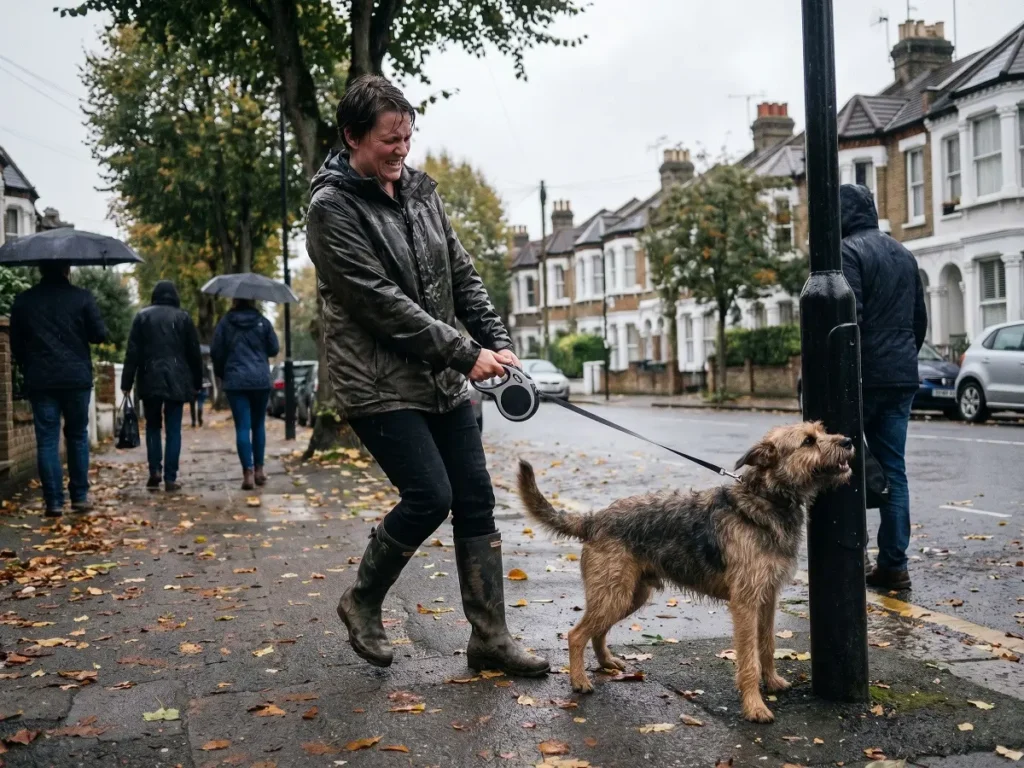
Living in the UK changes how you care for a dog. Weather, housing, and costs all play a role. The UK weather is often wet and cold. Dogs with short coats like the Whippet may need a coat in winter. On the other hand, long-haired dogs need regular drying and grooming after walks.
Housing is another factor. Many UK homes, especially flats, have limited space. So size and energy level matter more here. A large, high-energy dog in a small flat can be hard to manage. Vet care in the UK is good, but can be expensive.
Pet insurance is common and helps cover unexpected costs. It’s worth considering early, not later. Public spaces are dog-friendly, but rules apply. Parks often require dogs to be under control, and some areas need leads. Training your dog for recall and behavior is very important.
Real-Life Ownership Info
Owning a medium dog breed is a daily commitment. It’s not just about feeding and walking. You’ll spend time every day on walks, play, and basic care. On busy days, this can feel like a lot. On relaxed days, it feels enjoyable. So your routine matters more than you think.
Costs also add up over time. Food, vet visits, grooming, and small extras like toys or bedding all count. It’s manageable, but only if you plan. Behavior is another real part of ownership. Even good dogs can develop bad habits if ignored.
Chewing, barking, or restlessness often come from boredom or lack of exercise. What this really means is a dog fits into your life like a daily responsibility, not a side hobby. If your time, space, and energy match the dog’s needs, things go smoothly. If not, it becomes stressful.
Final Thoughts
At the end of the day, the best dog is the one that fits your life. That’s the key idea. Your time, space, and daily routine matter more than the breed name. Here’s the thing. A high-energy dog in a calm home will struggle. A relaxed dog in a very active home may not keep up. When your lifestyle and the dog’s needs match, everything feels easier.
Training becomes smoother. Behavior stays balanced. The bond grows naturally. There is no perfect breed. Every dog has strengths and challenges. It can Some need more exercise. Some need more grooming. Some need more patience during training. What this really means is you’re not looking for a perfect dog. You’re looking for the right fit.
