


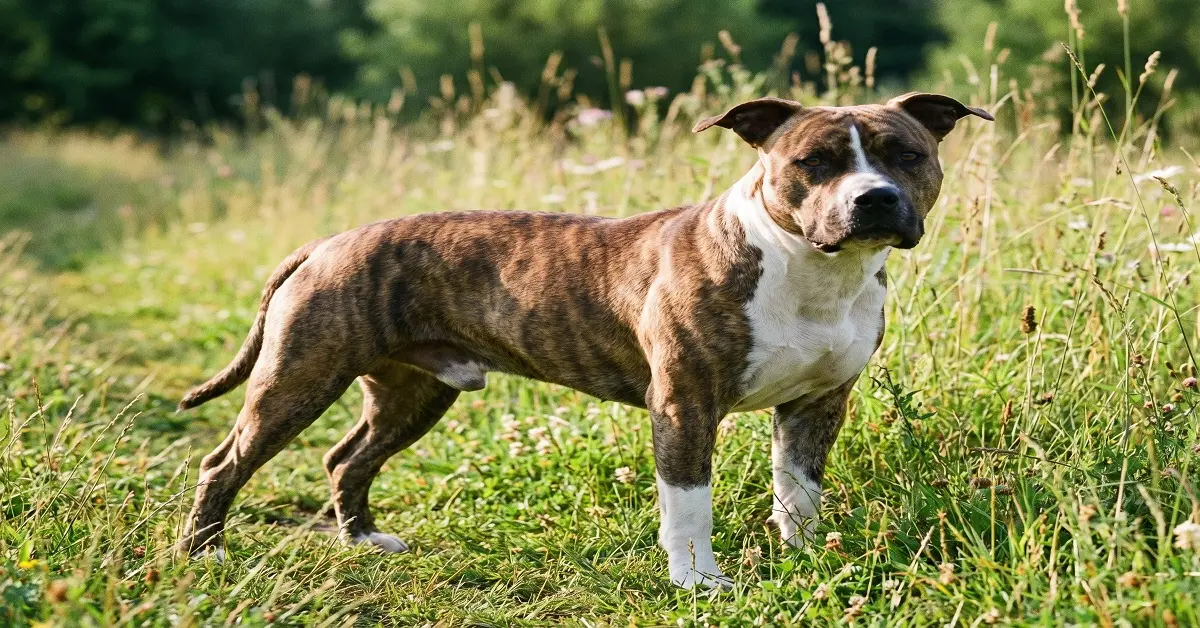
The American Staffordshire Terrier is a strong, loyal, and confident dog that often gets misunderstood. Many people judge it by its appearance. But here’s the thing. This breed is deeply people-focused and can be a loving family companion when raised the right way. At the same time, this is not a low-effort dog.
It needs proper training, structure, and daily attention. What this really means is simple. If you understand its needs, you get a loyal and reliable partner. If you ignore them, things can quickly become difficult. Now let’s go step by step so you can clearly understand this breed and decide if it fits your life.
Facebook Links
DIT CIT course in multanQuick Facts (Easy Snapshot)
| Feature | Details |
| Size | Medium |
| Weight | 18–32 kg |
| Lifespan | 12–16 years |
| Temperament | Loyal, confident, people-friendly |
| Good with kids? | Yes, with supervision |
| First-time owner friendly? | Not ideal |
What Is an American Staffordshire Terrier?
The American Staffordshire Terrier is a medium-sized, muscular dog developed in the United States. It is often grouped with pit bull–type dogs because of its appearance and shared history. Here’s the key point. Despite its strong look, this dog is very affectionate with people. It enjoys attention, stays close to its family, and often wants to be part of daily life.
It is also intelligent and eager to learn. Because of this, training can be very effective. On the other hand, it needs consistency. Without clear rules, it may become stubborn or hard to manage. So, in simple terms, this breed is strong outside but people-loving at heart.
History
Fighting Origin
This breed traces back to old bulldog and terrier types in England. Because of this background, early dogs were valued for toughness and determination.
Move to Family Dog
Later, when these dogs were brought to the United States, breeders began to change their focus. They selected dogs with calmer and more stable temperaments. Over time, this shift turned the breed into a companion dog. What this means is simple. The modern version is far more balanced and suitable for family life than its early ancestors.
Appearance and Size
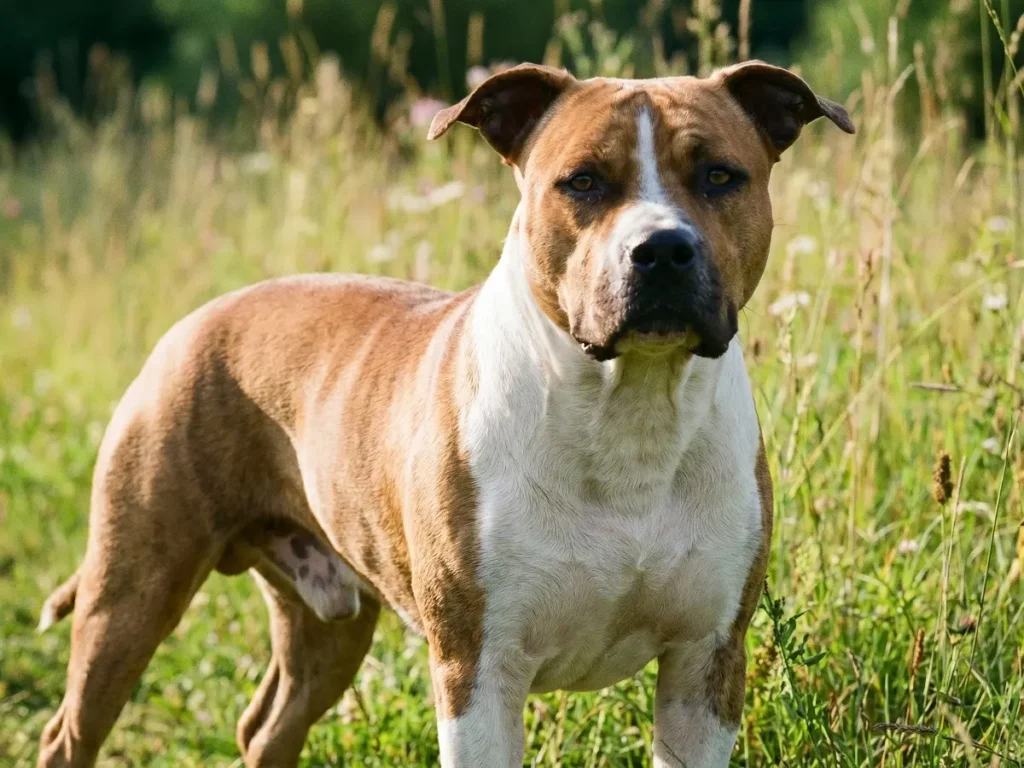
Height and Weight
This breed has a strong and well-balanced body.
- Height: 43 to 48 cm
- Weight: 18 to 32 kg
It is not very tall, but it is powerful and muscular. The chest is broad, and the stance is confident.
Coat and Colors
The coat is
- Short
- Smooth
- Easy to maintain
Common colors include:
- Black
- Blue
- Brindle
- White
- Fawn
Because of the short coat, grooming is simple. Regular brushing is usually enough.
Temperament (Honest View)
Understanding temperament is key. This is where most people get confused.
With Family
This dog is extremely loyal. It forms strong bonds and enjoys being close to its owners. Many dogs follow their owners around the house and like being involved in daily activities.
With Strangers
It is usually friendly but may stay alert at first. With proper socialization, it becomes calm and welcoming.
With Other Dogs
Here’s the honest truth. Some individuals may show dominance or aggression toward other dogs. This does not happen in every case, but it is something to be aware of. Because of this, early socialization and controlled introductions are very important.
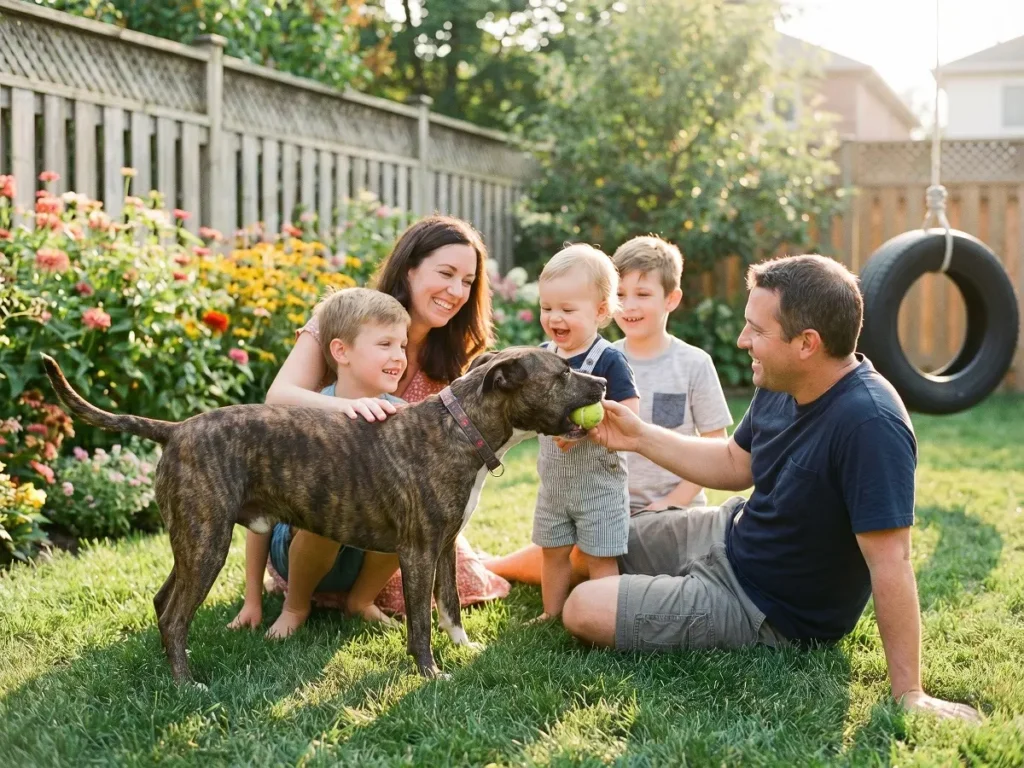
With Kids
This breed is often gentle and playful with children. It can be patient and protective. However, supervision is always necessary due to its strength and energy.
Pros and Cons
Pros
This breed is known for its loyalty. It builds strong relationships with its family and stays committed. It is also intelligent, which makes training easier when done correctly. In addition, its protective nature gives owners a sense of security.
Cons
On the other hand, it can be strong-willed. This means training must be consistent. It also requires time and effort, especially in the early stages. Another factor is the potential for dog aggression if socialization is ignored.
Are They Dangerous? (Myth vs Reality)
This is one of the most common questions. Many people believe this breed is naturally aggressive. But that idea is not accurate. The truth is simple. Behavior depends on training, environment, and handling.
A well-trained dog is:
- Friendly
- Stable
- Reliable
On the other hand, poor training or neglect can lead to problems. This applies to any strong breed. So, the real answer is this. The dog itself is not the problem. The way it is raised makes the difference.
Breed Comparison
Many people confuse this breed with similar dogs. Let’s clear that up.
| Feature | American Staffordshire Terrier | American Pit Bull Terrier | Staffordshire Bull Terrier |
| Origin | USA | USA | UK |
| Size | Medium | Medium | Small |
| Build | Muscular | Lean | Compact |
| Temperament | Loyal, stable | Energetic | Friendly |
| Family Suitability | Good | Moderate | Very good |
What this means is simple. While they may look similar, their size, behavior, and handling needs are different.
Is This Breed Legal in the UK?
This breed is not banned in the UK. However, laws focus on how a dog looks as well as its breed type. Because of this, confusion can happen. Some dogs may be mistaken for banned types based on appearance. So, while legal, owners must stay responsible and aware of local rules.
Training Guide (Step-by-Step)
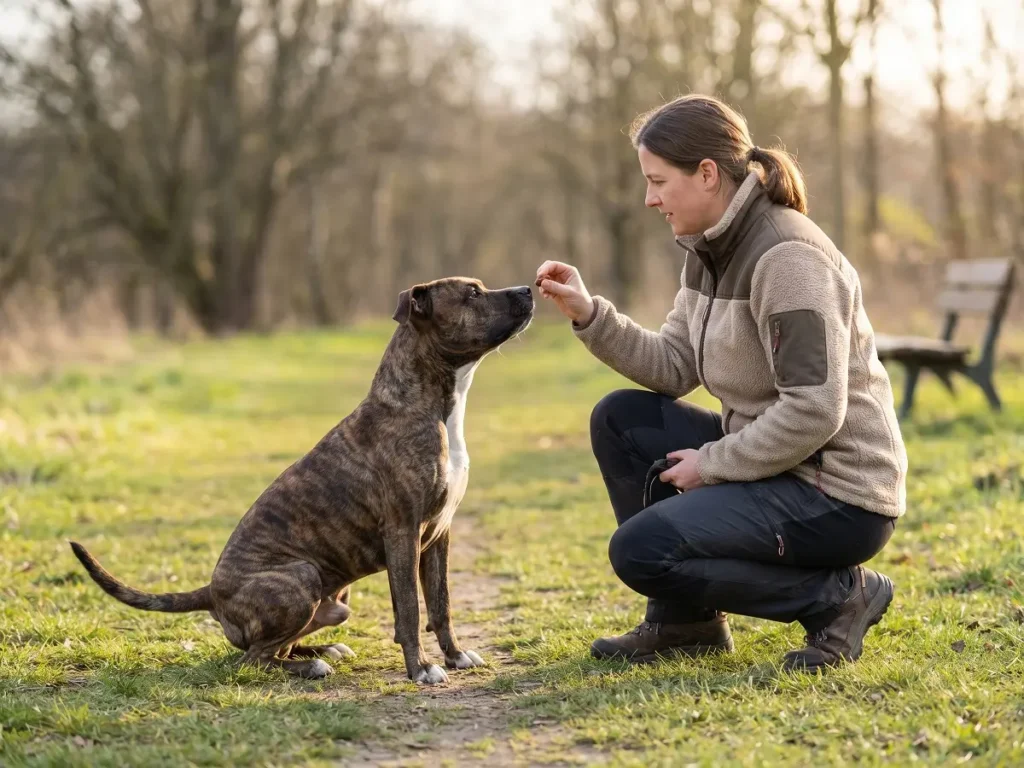
Training is not optional for this breed. It is essential.
Puppy Stage
Start training early. Focus on basic commands and simple routines. Short sessions work best.
Socialization
Expose the dog to different people, places, and situations. This helps build confidence and reduces unwanted behavior.
Obedience Basics
Teach commands like sit, stay, and come. Use rewards and stay consistent.
Mistakes to Avoid
- Delaying training
- Being inconsistent
- Skipping social exposure
What this really means is simple. Early effort saves a lot of trouble later.
Exercise and Daily Needs
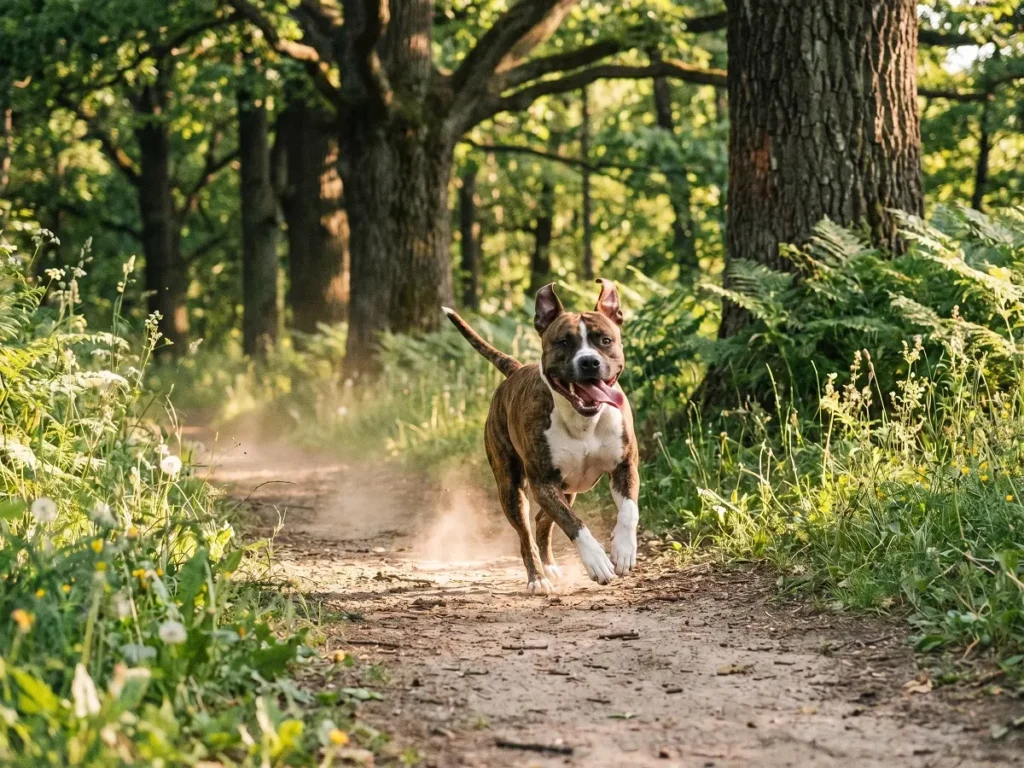
This is a high-energy dog. It needs daily physical activity to stay balanced. Regular walks, playtime, and active games are important. But exercise alone is not enough. Mental stimulation also matters. Training sessions, games, and problem-solving activities help keep the mind active. Without enough activity, the dog may become bored and develop unwanted behavior.
Health Issues and Lifespan
Hip Dysplasia
This condition affects the hip joint and can cause discomfort or movement issues.
Skin Issues
Some dogs may develop allergies or skin irritation. Regular care helps manage these problems.
Life Expectancy
Most live between 12 and 16 years with proper care and a healthy lifestyle.
Feeding Guide
Puppy vs Adult
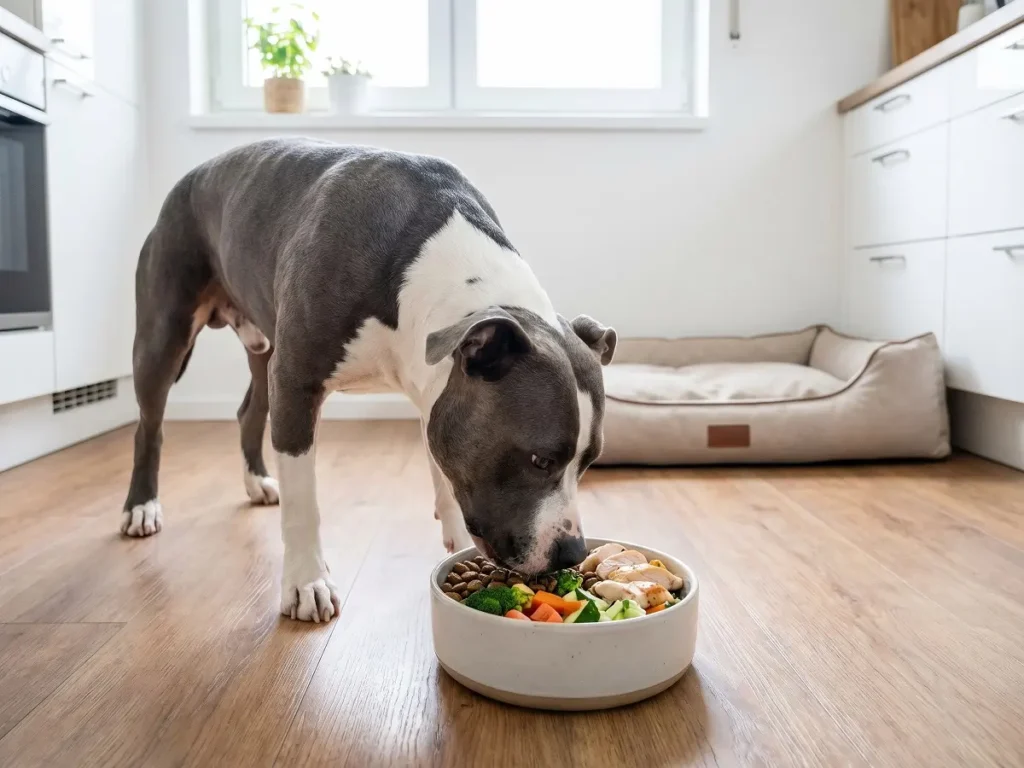
Puppies need more frequent meals to support growth. Adults need balanced portions to maintain weight and health.
Common Mistakes
- Overfeeding
- Poor quality food
- Sudden diet changes
Keeping feeding simple and consistent helps maintain good health.
Cost of Owning an AmStaff
Puppy Price
The cost can range from £500 to £2,000 or more depending on the breeder.
Monthly Cost
Expect to spend around £80 to £150 per month on food and basic care.
Vet and Insurance
Insurance may cost £20 to £60 per month. This helps manage unexpected expenses.
Is This the Right Dog for You?
Good for:
- Active individuals
- Owners willing to train
- Families looking for a loyal companion
Not good for:
- First-time owners
- People with limited time
- Those wanting a low-maintenance pet
FAQs
No, they are not naturally aggressive. Behavior depends on training and environment.
Yes, they are usually gentle and playful with supervision.
No, they are generally quiet unless bored or alerting.
Yes, if they get enough daily exercise and mental activity.
Final Thoughts
The American Staffordshire Terrier is a strong, intelligent, and loyal dog. But here’s the key point. It needs time, effort, and responsible ownership. With proper training and care, it becomes a loving and dependable companion. Without that, it can be challenging to manage.
So, the decision is simple. If you can meet its needs, this breed can be one of the most rewarding dogs to own.
