


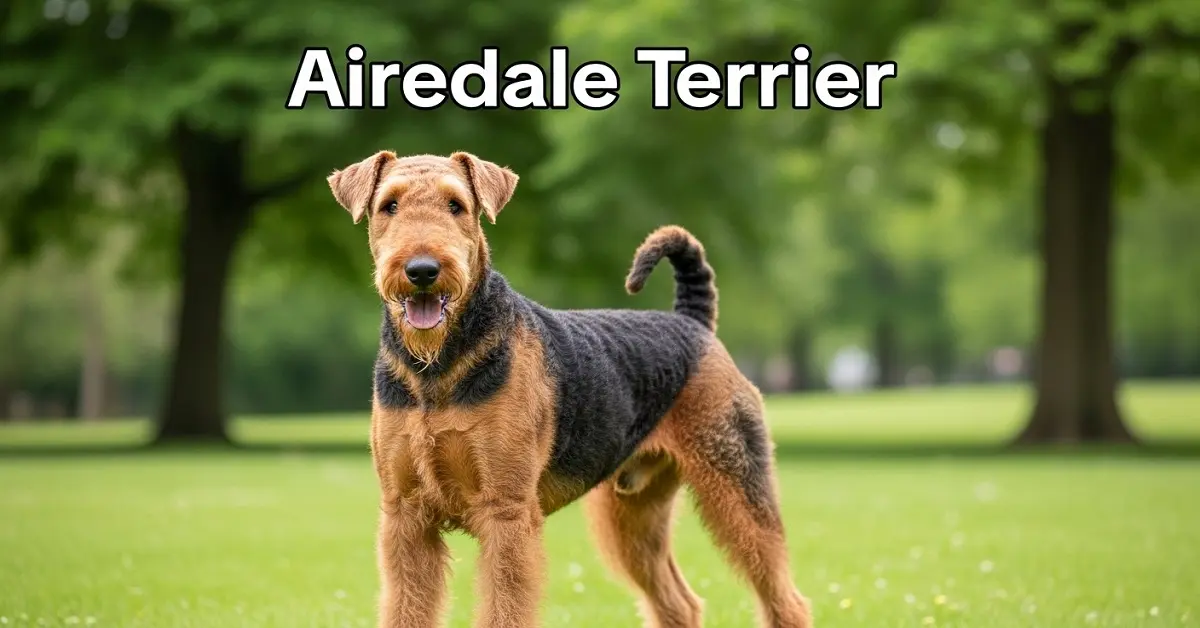
The Airedale Terrier is the largest of all terrier breeds and is often called the “King of Terries.” It comes from the Aire Valley in Yorkshire, England, where it was first bred to hunt small game and control pests. Here’s the thing, this dog is known for its sharp mind, strong body, and high energy level.
An adult Airedale usually stands about 21 to 23 inches tall and weighs between 18 to 29 kg. Its life span is around 10 to 13 years with proper care. It has a dense, wiry coat, usually tan with a black saddle, giving it a clean, alert look. What this really means is you’re looking at a breed that is active, smart, and built for both work and family life.
Facebook Links
DIT CIT course in multanAiredale Terrier Appearance
The Airedale Terrier has a strong, well-balanced body that gives it a confident and alert look. It is the largest of the terrier breeds, which makes it stand out right away. Most adults grow between 21 to 23 inches tall at the shoulder. Their weight usually falls between 18 to 29 kg, depending on gender and build. Males are often a bit taller and heavier than females.

Now let’s look at the coat. This breed has a dense, wiry outer coat with a softer layer underneath. The texture feels rough, not soft, and this helps protect the dog from dirt and weather. The coat does not shed heavily, but it does need regular grooming to stay neat and healthy.
When it comes to color, Airedales have a very distinct pattern. The body is mostly black or dark grey, often called a “saddle,” while the rest of the body, including the legs, chest, and face, is tan. This contrast gives them a clean and sharp appearance. Their beard and eyebrows also add to their expressive face, which often makes them look curious and full of energy.
Airedale Terrier Temperament (Real Behaviour)
Loyalty vs Independence
Here’s the thing: the Airedale Terrier is loyal, but it is not clingy. It builds a strong bond with its owner and likes to stay involved in daily life. At the same time, it has an independent mind. This breed was developed to work on its own, so it does not always wait for commands.
What this really means is you get a dog that loves you but still thinks for itself. Because of this, it may not always obey right away. It needs clear training and a firm, calm owner who can guide it without being harsh.
With Kids, Strangers, and Other Pets
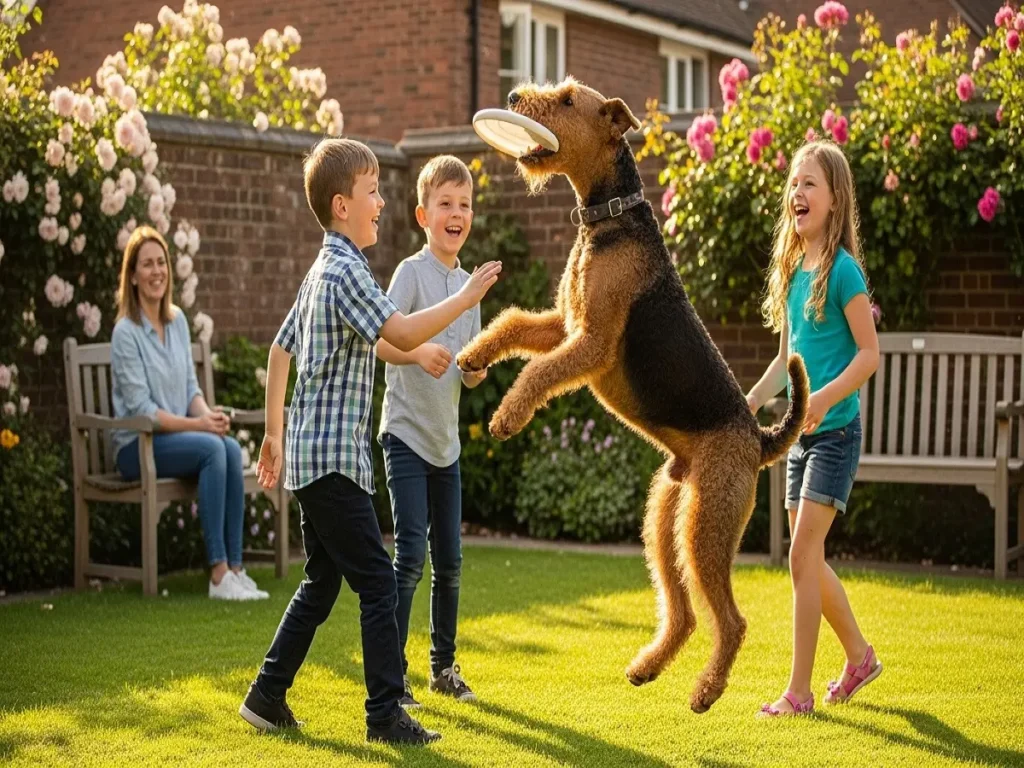
Now let’s look at how it behaves around others. With kids, the Airedale can be playful and protective. It enjoys active play, so it does well with older children who understand how to handle a dog. However, its energy can be too much for very young kids, so supervision is important.
With strangers, it is usually alert and a bit reserved at first. It won’t always welcome new people right away, but it is not naturally aggressive. Once it feels safe, it becomes more relaxed.
When it comes to other pets, things can be mixed. This breed has a strong prey drive, so it may chase smaller animals. With early training and proper social time, it can live with other dogs, but it may still try to dominate. So, early social exposure matters a lot if you want a calm and balanced dog.
Is an Airedale Terrier Right for You?
Ideal Owner
Here’s the thing, the Airedale Terrier is best for people who enjoy an active lifestyle. This dog needs daily exercise, playtime, and mental challenges. So, it suits owners who like long walks, outdoor time, and training sessions.
It also works well for someone who has experience with dogs or is willing to learn and stay consistent. What this really means is you should be patient, firm, and ready to guide a smart but strong-willed dog. Airedales also do well in homes with space, where they can move freely and stay busy.
Who Should Avoid This Breed
Now let’s be honest, this breed is not for everyone. If you want a calm, low-energy dog that just relaxes all day, this is not the right choice. It also does not suit people who are too busy to give time for training and exercise.
First-time owners may find it challenging because of its independent nature. In small apartments, it can become restless if it does not get enough activity. Also, if you have small pets like rabbits or birds, this breed may not be safe around them due to its strong chase instinct.
Airedale Terrier Pros and Cons
| Pros | Cons |
| Very intelligent and quick to learn | Can be stubborn and strong-willed |
| Loyal and protective of family | Needs firm and consistent training |
| Low shedding compared to many breeds | Requires regular grooming |
| Energetic and great for active owners | Gets bored easily without activity |
| Good watchdog with an alert nature | May chase small animals |
| Confident and adaptable | Not ideal for first-time owners |
Here’s the thing: this breed gives you a lot, but it also asks for effort. If you meet its needs, it becomes a great companion. If not, problems can show up quickly.
Training an Airedale Terrier (What Most Owners Miss)
Intelligence vs Stubbornness
The Airedale Terrier is very smart, but that does not mean it is easy to train. In fact, its intelligence is the reason it can be stubborn. It understands commands fast, yet it may choose not to follow them if it feels bored or pushed too hard.
What this really means is you are dealing with a thinking dog, not one that blindly obeys. It likes to test limits, so you need to stay consistent from the start.
Best Methods
Now let’s talk about what actually works. Positive reinforcement gives the best results. Reward-based training with treats, praise, and play keeps the dog interested. Short and engaging sessions work better than long, repetitive ones.
At the same time, you need to be firm and clear with rules. If you allow bad habits early, they are hard to fix later. Early social exposure also helps a lot, as it teaches the dog how to behave around people and other animals.
Exercise Needs and Daily Routine
Here’s the thing, the Airedale Terrier has high energy and needs daily activity to stay calm and healthy. A short walk is not enough. This breed needs both physical exercise and mental tasks. Without that, it can get bored, and that often leads to chewing, digging, or restless behavior. What this really means is you need to plan your day around keeping this dog active.
A good daily routine makes a big difference. In the morning, start with a 30 to 45 minute walk or light run to burn off energy. After that, a short training session helps keep its mind sharp. Later in the day, give it playtime like fetch or tug games. In the evening, another walk or outdoor activity works well to settle it down before rest.
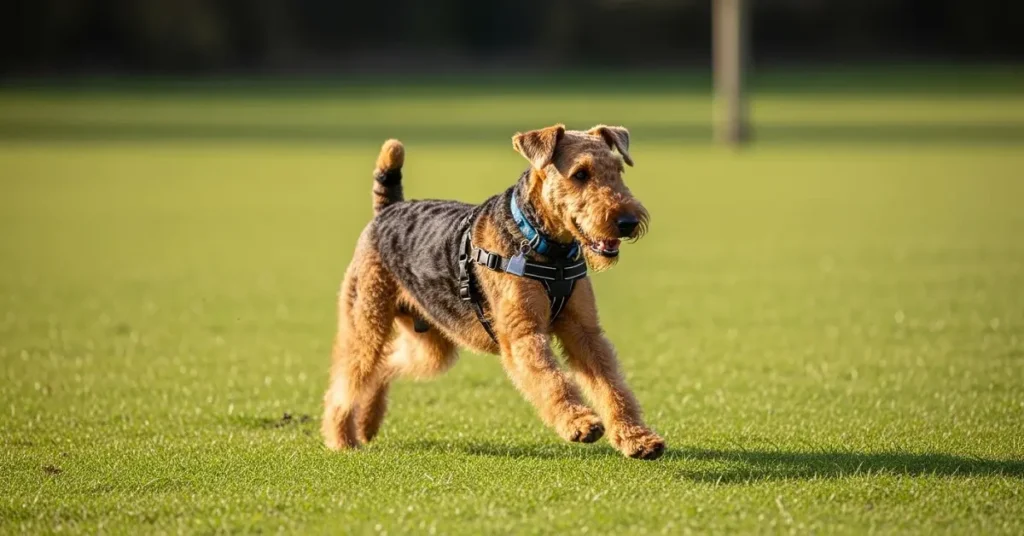
You can also mix in puzzle toys or simple tasks at home to keep it busy. Now here’s why this matters: an Airedale that stays active is easier to train, calmer indoors, and much happier overall.
Airedale Terrier Puppy vs Adult
Behavior Changes
Here’s the thing: an Airedale Terrier puppy and an adult dog can feel like two very different dogs. As a puppy, it is full of energy, curiosity, and constant movement. It may chew on things, dig, and test limits often. This stage can feel messy and a bit stressful if you are not prepared.
Now let’s look at the adult stage. As the dog grows, its behaviour becomes more stable and controlled. It still has high energy, but it learns when to stay calm, especially with proper training. What this really means is that the wild energy of a puppy slowly turns into a more balanced and focused adult dog.
Training Stages
Training also changes with age. In the puppy stage, the focus should be on basic commands like sit, stay, and recall. This is also the best time to introduce social exposure, so the dog gets used to people, places, and other animals. As the dog grows into an adult, training should move to more advanced control and behaviour.
This includes leash manners, impulse control, and consistent obedience. Now here’s why this matters: if you skip early training, the adult dog can become hard to manage because of its strong will. Consistent training at each stage builds a well-behaved and confident dog.
Health Issues and Lifespan
Common Problems
Here’s the thing: the Airedale Terrier is generally a strong and healthy dog, but like all breeds, it can face some health issues. One of the most common problems is hip dysplasia, which affects how the hip joint works and can cause pain over time.
Skin issues can also appear, especially if the coat is not cared for properly. Some dogs may develop allergies that lead to itching or irritation. Another issue to watch is ear infections, as dirt and moisture can build up if the ears are not cleaned regularly.
In some cases, this breed may also face thyroid problems, which can affect energy levels and weight. The average lifespan of an Airedale Terrier is around 10 to 13 years, and with good care, many live a full and active life.
Prevention Tips
Now let’s talk about how to reduce these risks. Regular vet checkups help catch problems early, which makes treatment easier. A balanced diet keeps the dog at a healthy weight, which lowers stress on joints like the hips. Grooming also plays a big role, especially for skin health, so brushing and coat care should not be ignored.
Daily exercise helps keep the body strong, but it should be done in a safe and controlled way to avoid injury. Cleaning the ears once a week can prevent infections. What this really means is simple care steps, done regularly, can help your dog stay healthy for many years.
Grooming and Maintenance
Coat Care
Here’s the thing: the Airedale Terrier has a unique coat that needs regular care to stay healthy and neat. Its wiry outer coat can trap dirt, so brushing at least two to three times a week helps keep it clean and free from tangles. Unlike soft-coated dogs, this breed often needs hand-stripping or trimming every few months to maintain the right texture and shape.
Bathing should not be too frequent, as it can make the coat lose its natural feel. A bath every few weeks or when the dog gets dirty is enough. Also, don’t forget the small details. Nail trimming, ear cleaning, and dental care should be part of the routine. Now here’s why this matters: Regular grooming not only keeps the dog looking good but also helps spot skin issues early.
Shedding Truth
Many people think this breed does not shed at all, but that is not fully true. The Airedale Terrier is a low-shedding dog, not a no-shedding one. Loose hair does come out, but it often gets trapped in the coat instead of falling all over the house.
What this really means is you will see less hair on your furniture compared to other breeds, but grooming is still needed to remove dead hair. If you skip brushing, the coat can become messy and harder to manage.
Diet and Feeding Guide
Food Type
Here’s the thing: the Airedale Terrier needs a balanced diet to support its energy and strong body. High-quality dog food, whether dry kibble or wet food, works well as long as it has good protein from real meat. Protein helps maintain muscle, while healthy fats support the coat and skin.
You can also mix in fresh foods like cooked chicken, rice, or vegetables in small amounts. However, avoid giving oily, spicy, or processed human food, as it can upset the stomach. Now let’s keep it simple, clean, and nutritious food helps this breed stay active and healthy.
Portion Basics
Feeding the right amount matters just as much as the food itself. An adult Airedale Terrier usually needs two measured meals per day instead of one large meal. The exact portion depends on age, weight, and activity level. A very active dog will need more food than a less active one.
Puppies need smaller meals more often, usually three to four times a day, to support growth. What this really means is you should watch your dog’s weight and adjust food as needed. Overfeeding can lead to weight gain, which puts stress on joints and affects overall health.
Cost of Owning an Airedale Terrier in the UK
Puppy Price
Here’s the thing, the price of an Airedale Terrier puppy in the UK can vary a lot based on breeder quality, pedigree, and location. On average, you can expect to pay around £1,000 to £2,000 for a well-bred puppy. Some lower-priced puppies may start from around £350 to £500, but these are usually without strong pedigree or full health checks.
Now here’s why this matters, paying a bit more for a trusted breeder often means better health, proper vaccinations, and fewer problems later. So, the upfront cost can actually save money in the long run.
Monthly Cost
Owning an Airedale Terrier also comes with regular monthly expenses. On average, you may spend around £80 to £150 per month depending on your choices. This includes food, basic grooming, and general care.
Food is the main ongoing cost, especially because this is a medium to large active dog. Grooming is another factor, as this breed needs trimming or professional care every few months.
Vet visits, vaccinations, and pet insurance also add to the monthly budget. What this really means is owning this breed is not just about buying the dog. You need a steady budget to keep it healthy, active, and well cared for over the years.
Airedale Terrier vs Other Breeds

Airedale Terrier vs Labrador
Here’s the thing, both breeds are popular, but they suit very different types of owners. The Airedale Terrier is more independent and strong-willed, while the Labrador Retriever is known for being easygoing and eager to please. This makes the Labrador much easier to train, especially for first-time owners.
Now let’s talk about energy. Both dogs are active, but Labradors are more predictable and calm with proper exercise. Airedales, on the other hand, need both physical and mental activity, or they can become restless.
When it comes to family life, Labradors are often more gentle with kids and more social with strangers. Airedales can be playful too, but they are more alert and sometimes reserved. What this really means is if you want a friendly and easy companion, the Labrador is a safer choice. If you prefer a more alert and independent dog, the Airedale Terrier stands out.
Airedale Terrier vs German Shepherd
Now let’s compare it with the German Shepherd. Both breeds are intelligent and loyal, but their behaviour is quite different. The German Shepherd is highly obedient and responds well to structured training. It is often used in police and security roles because of its focus and discipline.
The Airedale Terrier is also smart, but it tends to think on its own. This can make training more challenging. In terms of protection, German Shepherds are more naturally suited for guarding, while Airedales act more as alert watchdogs.
When it comes to living style, German Shepherds need strong leadership and consistent training, but they are more predictable once trained. Airedales can be a bit more unpredictable if not guided properly.
So, here’s the simple way to see it. If you want a highly obedient and protective dog, the German Shepherd is a strong choice. If you want a bold, energetic, and independent companion, the Airedale Terrier offers a different kind of personality.
FAQs
Yes, they can be good family dogs, especially for active households. They enjoy playtime and can be protective. However, they do best with older kids who know how to handle a dog properly.
Not always. They are smart, but also independent. This means they may not follow commands right away. Consistent and reward-based training works best.
They are alert dogs, so they may bark to warn you about strangers or unusual sounds. However, with proper training, excessive barking can be controlled.
No, they are not naturally aggressive. They can be cautious with strangers, but early social exposure helps them stay calm and friendly.
They need at least one hour of daily exercise. This can include walks, playtime, and training. Without enough activity, they can become bored and restless.
