


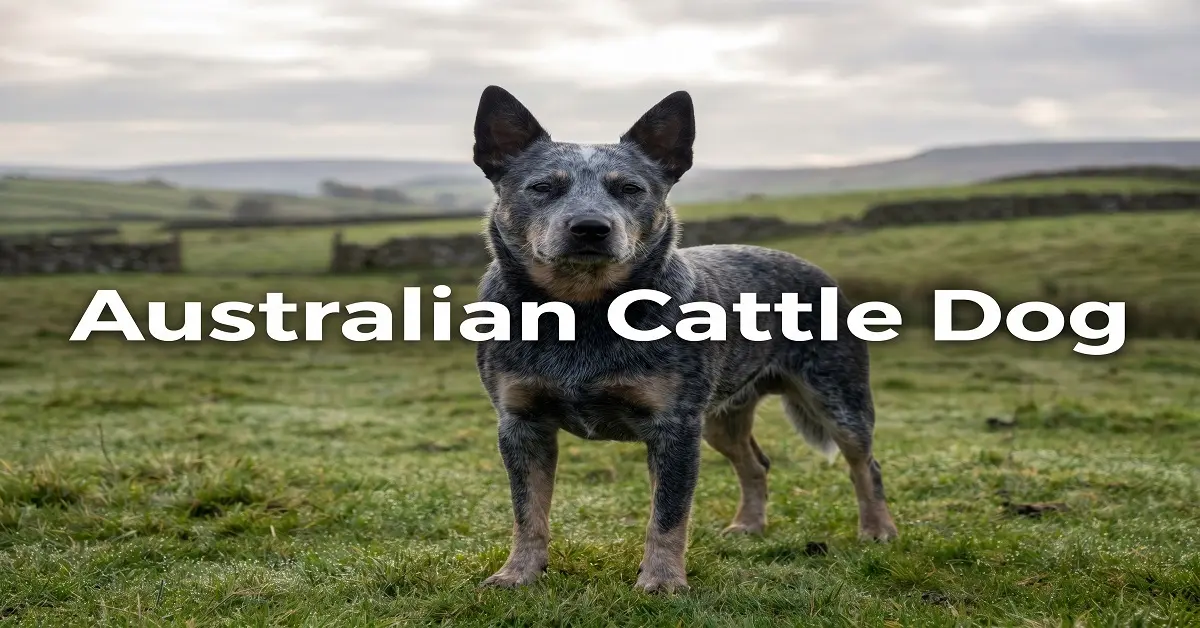
What Is an Australian Cattle Dog?
An Australian Cattle Dog is a strong and active working dog. It was bred to help farmers move cattle over long distances. This breed is known for its sharp mind, high energy, and strong loyalty. It does best with owners who can keep it busy every day.
You will also hear people call this dog a Blue Heeler or Red Heeler. These names come from its coat color and the way it works with livestock. What this really means is that this dog is not just a pet. It is a worker at heart.
Facebook Links
DIT CIT course in multanOrigin
The Australian Cattle Dog comes from Australia. It was developed in the 1800s when farmers needed a tough dog that could handle heat, rough land, and long hours.
At first, settlers used dogs from England. However, those dogs could not cope well with the harsh conditions. So, breeders started mixing different dogs to create a better fit.
One important influence was the Dingo. This helped add strength, stamina, and the ability to survive in tough climates.
Over time, this mix created a dog that could:
- Work all day without getting tired
- Handle hot weather
- Stay focused on moving cattle
So, the breed you see today was shaped by real farm needs, not just looks.
Why They Are Called Blue Heeler
The name Blue Heeler comes from both the dog’s color and its working style.
Many Australian Cattle Dogs have a blue or grey speckled coat. That explains the “blue” part. Others have a red coat and are called Red Heelers.
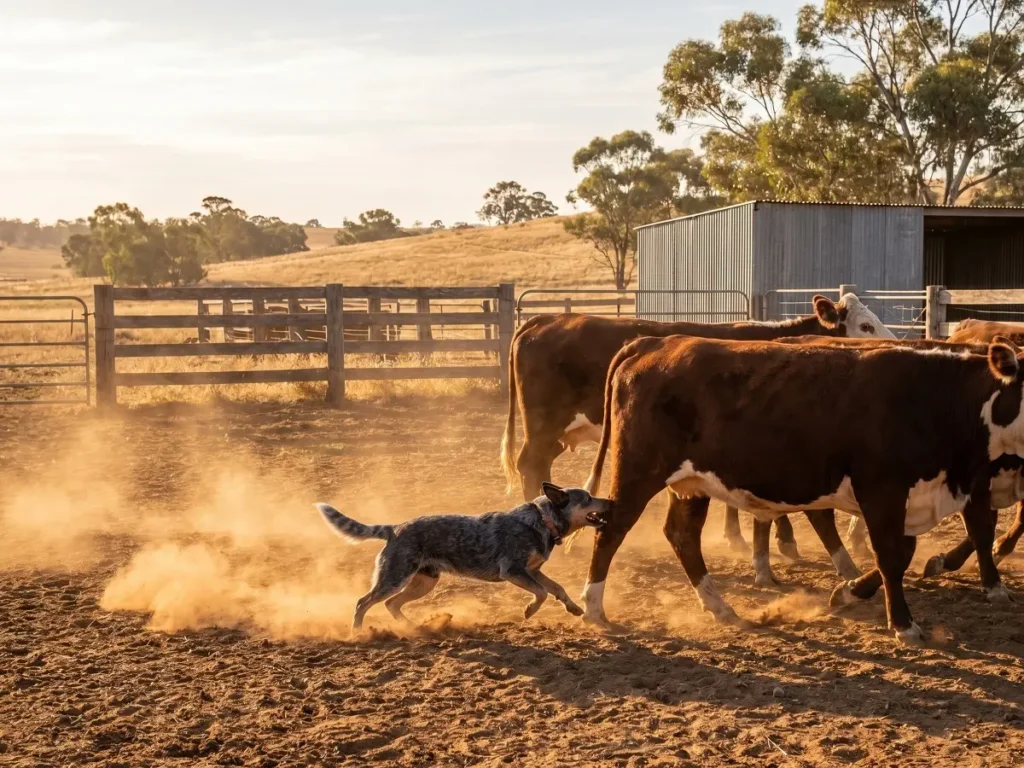
The word “heeler” comes from how the dog moves cattle. It gently bites or nips at the heels of cows to guide them. This is a natural herding method.
Here’s the key idea. The name tells you exactly what the dog does. It works close to the ground, stays alert, and controls livestock with quick movements.
If you are looking at other herding dogs, you might also notice different styles. For example, Border Collies use eye contact and movement more than nipping. That small difference matters when choosing the right breed.
Quick Facts
Here are the key details you should know about the Australian Cattle Dog. These points give you a clear picture of what to expect before you go deeper.
Size
The Australian Cattle Dog is a medium-sized dog. It is compact, but very strong for its size. Most dogs stand between 17 to 20 inches tall at the shoulder.
What this really means is that the dog is not too big for a home. However, it still needs space to move and stay active.
Weight
Most adult dogs weigh between 15 to 22 kg. Males are usually a bit heavier than females.
Even though the weight looks moderate, the body is muscular and solid. So, this dog feels stronger than it looks.
Lifespan
This is quite long compared to many other breeds. With proper care, good food, and regular exercise, many dogs stay active even in their older years.
Coat
The coat is short, dense, and weather-resistant. It helps protect the dog from heat, dust, and rough outdoor conditions.
There are two main coat types:
- Blue (blue, grey, or speckled)
- Red (even red speckle)
The coat is easy to maintain. Regular brushing once or twice a week is usually enough.
Energy Level
This is a high-energy dog. In fact, it is one of the most active working breeds.
It needs at least 1.5 to 2 hours of activity every day. This can include walks, running, training, or games.
Here’s the thing. If this dog does not get enough activity, it can become bored and start unwanted behavior. So, it is best suited for active owners.
If you are comparing energy levels, you might also want to read about Border Collies. They are similar in intelligence but slightly different in how they use their energy.
Temperament and Personality
The Australian Cattle Dog has a strong and focused personality. It was bred to work, so it thinks and reacts fast. This dog forms deep bonds with its owner and likes to stay busy. Here’s what you need to know.
Loyalty
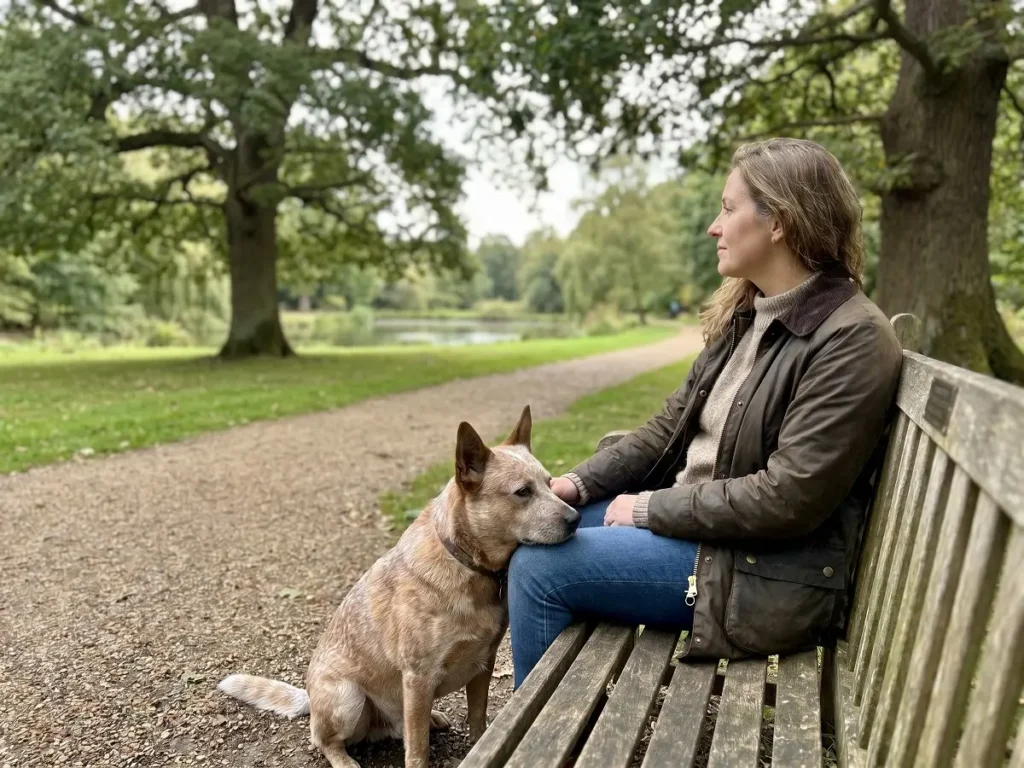
This breed is very loyal. It often attaches itself closely to one person. You may notice it following you from room to room. It likes to stay near and keep an eye on things.
What this really means is simple. You get a dog that is always by your side. However, it may take time to warm up to strangers. Early social time helps a lot here.
Intelligence
The Australian Cattle Dog is highly intelligent. It learns commands fast and understands patterns quickly. In fact, it often tries to think ahead of its owner.
This is great for training. But there is a catch. A smart dog can also get bored easily. So, you need to give it tasks, games, or training sessions often.
If you have read our guide on Border Collies, you will notice a similar level of intelligence. Both breeds need mental work, not just physical exercise.
Protective Nature
This dog has a natural protective side. It watches its home and family closely. If something feels off, it will react.
That said, it is not aggressive by default. It simply stays alert and aware. With proper training, it can tell the difference between a real threat and a normal situation.
Here’s the key point. This breed works best with clear rules and early training. When guided well, it becomes a loyal, smart, and reliable companion.
What Living with This Dog Feels Like
Here’s the thing. Living with an Australian Cattle Dog is very different from living with a calm, low-energy pet. This dog wants a job every single day. If you meet its needs, it becomes an amazing companion. If you don’t, problems start fast.
Daily Routine
A typical day with this dog is active from the start. Morning walks are not enough on their own. You will need to mix in training, play, and mental tasks.
For example, a good routine may include:
- A long walk or run in the morning
- Short training sessions during the day
- Games like fetch or problem-solving toys
- Another walk or activity in the evening
What this really means is that this dog fits best with people who already live an active life. It does not enjoy sitting around all day.
Energy Reality
This breed has very high energy. And it does not fade quickly. Even after a long walk, the dog may still want to play or work.
Many owners underestimate this. They think one walk is enough. It is not.
The dog needs both:
- Physical exercise
- Mental challenges
Without both, the energy builds up. That is when behavior starts to change. If you have seen other working breeds like Border Collies, the pattern is very similar. They stay calm only when their mind and body are busy.
Behavior If Bored
When this dog gets bored, it finds its own way to stay busy. And that usually leads to trouble.
Common signs include:
- Chewing furniture or shoes
- Digging in the yard
- Nipping at heels, even with kids
- Excessive barking
- Trying to control movement in the house
Here’s the key point. These are not “bad dog” problems. They are signs that the dog is not getting enough activity.
So, if you plan to keep an Australian Cattle Dog, you need to stay one step ahead. Give it structure, give it tasks, and keep its mind engaged. That is what keeps this breed balanced and happy
Is This the Right Dog for You?
Here’s the thing. The Australian Cattle Dog is not for everyone. It can be an amazing partner, but only if your lifestyle matches its needs. So, before you decide, look at this honestly.
Best Owners
This breed does best with active and committed owners. You should enjoy spending time outdoors and have the energy to keep up.
A good match usually looks like this:
- You like daily walks, runs, or outdoor activities
- You can give at least 1.5 to 2 hours each day to exercise and training
- You enjoy teaching and working with your dog
- You want a loyal dog that stays close and alert
What this really means is simple. If you treat your dog like a partner and give it a job, it will thrive.
This breed also works well for people who have experience with active dogs. If you have handled working breeds before, you will understand its needs faster.
Who Should Avoid This Breed
Now let’s be clear. This dog is not a good fit for every home.
You may struggle with this breed if:
- You prefer a quiet or low-energy pet
- You are away from home most of the day
- You live in a small space with no plan for daily exercise
- You do not have time for training and mental games
Also, families with very young children need to be careful. This dog may try to herd by nipping at heels. Without training, that can become a problem.
Here’s the key point. This is a working dog first, and a pet second. If you cannot meet its daily needs, it will create its own activity. And that usually leads to stress for both you and the dog.
So, choose this breed only if you are ready to stay active, consistent, and involved every day.
Exercise Needs (Real Numbers)
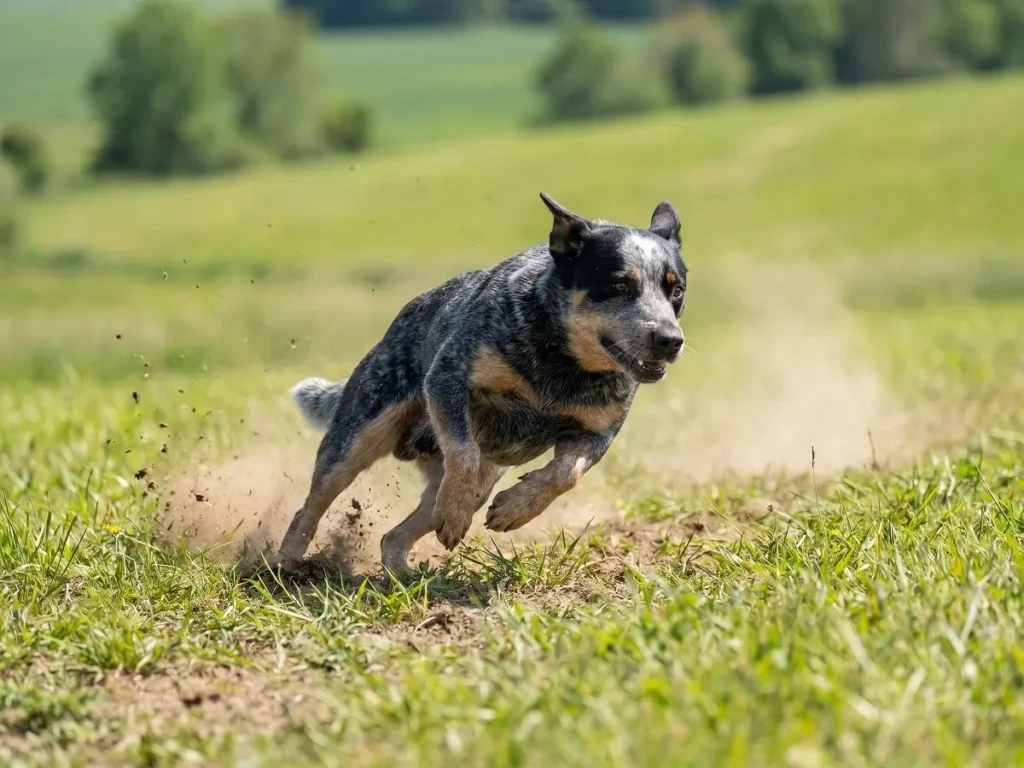
Here’s the thing. The Australian Cattle Dog does not get tired the way most dogs do. A short walk will not be enough. This breed was made to work for hours, so its exercise needs are much higher than average.
Daily Time Needed
You should plan for at least 1.5 to 2 hours every day. And this should not be just one long walk.
A better approach is to split it up:
- 45 to 60 minutes of walking, running, or outdoor activity
- 20 to 30 minutes of training or structured play
- Short games or mental tasks during the day
What this really means is simple. The dog needs both body and brain work. Just physical exercise will not fully tire it out.
For example, you can mix:
- Fetch or frisbee
- Obedience training
- Puzzle toys or problem-solving games
If you have seen other working breeds like Border Collies, the pattern is very similar. They stay balanced only when both physical and mental needs are met.
What Happens If Skipped
If you skip daily exercise, the change shows quickly. This dog does not just “rest” when bored. It finds its own way to release energy.
Common problems include:
- Chewing furniture or shoes
- Digging in the yard
- Barking more than usual
- Nipping at people’s heels
- Trying to control movement inside the house
Here’s the key point. These are not random bad habits. They are signs of unmet needs.
Even missing one or two days can make the dog restless. Over time, this can turn into long-term behavioral issues.
So, daily activity is not optional for this breed. It is a basic need, just like food and water.
Training an Australian Cattle Dog
Here’s the thing. Training this breed is both easy and hard at the same time. The dog learns fast, but it also thinks for itself. So, you need a clear plan and steady effort.
Difficulty Level
The Australian Cattle Dog is smart. It picks up commands quickly. In many cases, it understands what you want after just a few tries.
But there is a catch.
This dog can be stubborn. If it feels bored or confused, it may stop listening. It may also try to do things its own way.
What this really means is simple. Training is not hard because the dog is slow. It is hard because the dog is independent.
So, beginners can train this breed. However, they must stay patient and consistent every day.
Best Methods
This breed responds best to clear and positive training. You need to guide it, not force it.
Here are methods that work well:
- Short and focused sessions
Keep training sessions around 10 to 15 minutes. This helps the dog stay interested. - Positive rewards
Use treats, praise, or play as rewards. This builds trust and keeps the dog engaged. - Consistency
Use the same commands and rules every day. Mixed signals will confuse the dog. - Mental challenges
Add problem-solving tasks. For example, teach new tricks or use puzzle toys. - Early social time
Introduce the dog to new people, places, and sounds from a young age. This helps reduce fear or overreaction later.
If you have read our guide on Border Collies, you will notice a similar training style. Both breeds need structure and mental work to stay balanced.
Mistakes to Avoid
Many owners struggle because they make simple mistakes. These mistakes can slow down training or create bad habits.
Avoid these:
- Being inconsistent
Changing rules or commands confuses the dog. - Skipping mental work
Physical exercise alone is not enough. The dog needs brain tasks too. - Using harsh punishment
this can break trust and make the dog stubborn or anxious. - Long, boring sessions
the dog loses focus quickly if training goes on too long. - Ignoring early bad habits
Small issues like nipping or jumping can grow if not corrected early.
Here’s the key point. This breed wants to learn, but it needs the right guidance. Stay clear, stay consistent, and keep training part of your daily routine. That is what brings out the best in an Australian Cattle Dog.
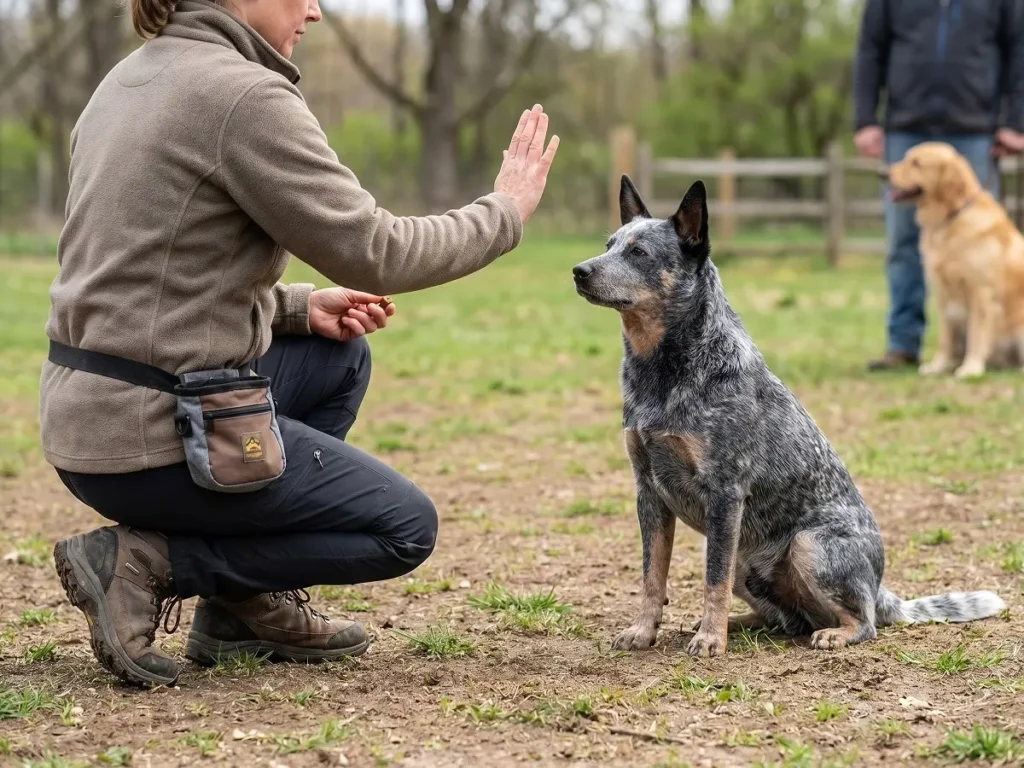
Mental Stimulation Ideas
Here’s the thing. Physical exercise alone will not satisfy an Australian Cattle Dog. This breed needs to think, solve problems, and stay mentally active every day. If you skip this part, the dog will create its own challenges, and that usually leads to trouble.
So, let’s look at simple ways to keep their minds busy.
Games
Games are one of the easiest ways to add mental work into your routine. But they should not be random. They should make the dog think.
Some good options include:
- Hide and seek
Hide treats or toys around the house. Let your dog search for them. This builds focus and uses its natural instincts. - Find the toy
Show a toy, then hide it and ask your dog to find it. Start easy, then make it harder over time. - Obstacle games
Set up simple obstacles using chairs or cones. Guide your dog through them. This improves both focus and control. - Controlled fetch
Instead of just throwing the ball, add commands like sit, stay, and release. This turns a simple game into a thinking task.
What this really means is simple. Even basic games can become mental training if you add rules and structure.
Tasks
This breed loves having a job. So, giving it small tasks can make a big difference.
Here are some useful ideas:
- Carry items
Teach your dog to carry light objects like a toy or small bag. - Follow commands during walks
Ask for stops, turns, or direction changes. This keeps the dog alert. - Herding-style activities
Use balls or safe objects and guide your dog to move them in a certain direction. - Daily routines with purpose
For example, ask your dog to sit and wait before meals or at the door. These small tasks build discipline.
If you have explored other working breeds like Border Collies, you will notice they also perform best when they feel useful. The same idea applies here.
Toys
Toys can help, but only if you choose the right ones. Simple chew toys are not enough for this breed.
Look for toys that make the dog think:
- Puzzle toys
These hide treats inside and require the dog to solve a problem. - Interactive feeders
Instead of a bowl, use a toy that releases food slowly. - Durable chew toys
These help release energy while keeping the dog occupied. - Rotating toys
Change toys every few days to keep interest high.
Here’s the key point. Toys should challenge the dog, not just distract it.
In the end, mental stimulation is just as important as exercise. When you combine both, your dog stays calm, focused, and much easier to manage every day.
Common Behavior Problems
Here’s the thing. Most behavior issues in an Australian Cattle Dog are not random. They come from strong instincts and high energy. If you understand the cause, you can manage the behavior in a smart way.
Let’s go step by step.
Nipping
Nipping is one of the most common habits in this breed. It comes from its natural herding instinct. On farms, the dog moves cattle by nipping at their heels.
At home, this can show up in daily life. The dog may nip at your heels when you walk or try to guide movement.
What this really means is simple. The dog is not trying to hurt you. It is trying to do its job.
To manage this:
- Stop the behavior early
- Use clear commands like “no” or “leave it.”
- Redirect the dog to a toy or task
- Reward calm behavior
If you ignore it, the habit can become stronger over time.
Herding Kids
This behavior is closely linked to nipping. The dog may try to “herd” children by circling them, chasing them, or lightly nipping.
This can be stressful for kids, especially younger ones.
Here’s the key point. The dog sees fast movement and reacts by trying to control it.
To reduce this:
- Teach children how to stay calm around the dog
- Supervise all interactions
- Train the dog with clear boundaries
- Give it proper outlets for its herding instinct
With the right training, this behavior can be controlled. But without guidance, it can become a real problem.
Barking
Australian Cattle Dogs are alert by nature. They notice small changes in their environment and react quickly.
So, barking is often a response to:
- Strangers
- Sounds
- Movement outside
In some cases, barking also increases when the dog is bored.
To manage barking:
- Identify the trigger
- Teach a “quiet” command
- Keep the dog mentally and physically active
What this really means is that barking is often a sign of awareness or unused energy.
Destruction
Destructive behavior is usually the result of boredom or lack of activity. This breed does not sit idle for long.
If its needs are not met, it may:
- Chew furniture or shoes
- Dig holes in the yard
- Tear up household items
This is one of the biggest challenges for new owners.
Here’s the key point. Destruction is not about a “bad dog.” It is about a dog with too much energy and no direction.
To prevent this:
- Follow a daily exercise routine
- Add mental tasks and games
- Provide safe chew toys
- Avoid leaving the dog alone for long hours
In the end, most of these problems can be managed with proper training, structure, and daily activity. If you stay consistent, the Australian Cattle Dog becomes much easier to live with.
Health Issues and Lifespan
The Australian Cattle Dog is a strong and hardy breed. It was built to work in tough conditions, so overall health is good. Still, like all dogs, it can face some health problems. Knowing these early helps you take better care of your dog.
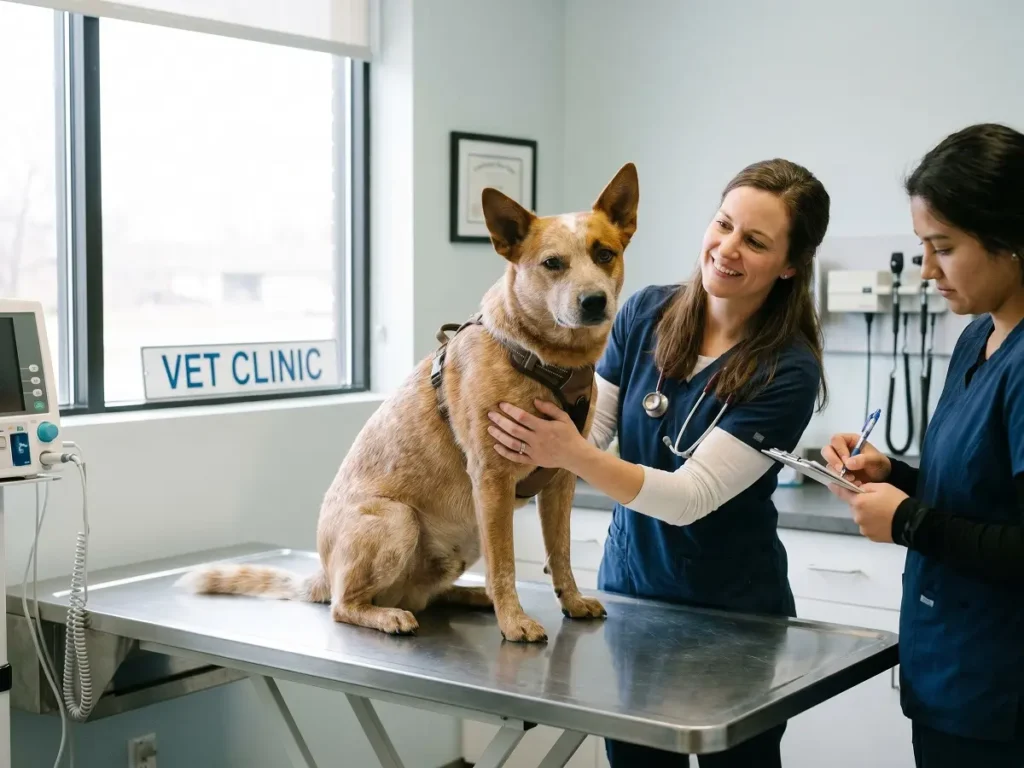
Common Conditions
Most Australian Cattle Dogs live between 12 to 16 years. Many stay active even in older age. However, a few health issues can appear over time.
Some common ones include:
- Hip dysplasia
this affects the hip joint and can cause pain or stiffness, especially as the dog gets older. - Progressive retinal atrophy (PRA)
This is an eye condition that can lead to vision loss over time. - Deafness
some dogs, especially those with certain coat patterns, may have hearing problems from birth. - Arthritis
this can develop later in life due to wear and tear on joints.
What this really means is simple. Even though the breed is tough, regular checks are still important.
Vet Care Tips
Good care can help your dog live a long and healthy life. Small steps make a big difference over time.
Here’s what you should focus on:
- Regular vet visits
At least once a year for check-ups and early detection of issues - Vaccinations and parasite control
Keep your dog protected from common diseases - Joint care
Maintain a healthy weight to reduce stress on joints - Dental care
Brush teeth or use dental treats to prevent problems - Watch for changes
Any shift in behavior, movement, or appetite should be checked early
Here’s the key point. Prevention is always easier than treatment.
Feeding Guide
Feeding your Australian Cattle Dog the right way is just as important as exercise and training. This breed burns a lot of energy, so it needs proper nutrition to stay strong and active.
Diet Basics
This dog needs a balanced diet with the right mix of nutrients.
Focus on:
- High-quality protein to support muscles
- Healthy fats for energy
- Vitamins and minerals for overall health
You can choose:
- Dry kibble
- Wet food
- A mix of both
Some owners also add fresh foods like cooked meat or vegetables. Just make sure the diet stays balanced.
What this really means is simple. Good food supports energy, coat health, and long-term wellness.
Portion Control
Even active dogs can gain weight if overfed. So, portion control matters a lot.
A general guide:
- Feed twice a day instead of one large meal
- Adjust portion based on age, size, and activity level
- Avoid too many treats during training
Puppies need more frequent meals, while adults need steady portions.
Here’s the key point. Watch your dog’s body, not just the food bowl. If weight starts to increase, adjust the portions early.
If you are also reading about other active breeds like Border Collies, you will notice a similar feeding pattern. High-energy dogs need balanced nutrition, not just more food.
Cost of Owning in the UK
Here’s the thing. The Australian Cattle Dog is not the most expensive breed, but it is not cheap either. Because it is active and strong, you will spend more on food, care, and health over time.
Monthly Cost
On average, you can expect to spend £70 to £120 per month.
This usually includes:
- Food (good quality dry or mixed diet)
- Basic grooming items
- Toys and replacements (this breed chews a lot if bored)
- Treats for training
If your dog is very active, food costs may be slightly higher. Also, strong toys may need regular replacement.
What this really means is simple. The more active your dog is, the more you will spend to keep it satisfied.
Vet + Insurance
Health care is a key part of the cost.
- Vet visits can cost around £40 to £60 per check-up
- Vaccinations and routine care add extra each year
- Emergency care can be expensive if not planned
Because of this, many owners choose insurance.
- Pet insurance in the UK may cost around £15 to £40 per month
- The price depends on coverage, age, and provider
Here’s the key point. Insurance helps you avoid large, unexpected costs. For an active breed like this, it is a smart choice.
Australian Cattle Dog vs Other Breeds
Choosing the right breed often means comparing options. The Australian Cattle Dog is similar to other working dogs, but there are clear differences that matter in daily life.
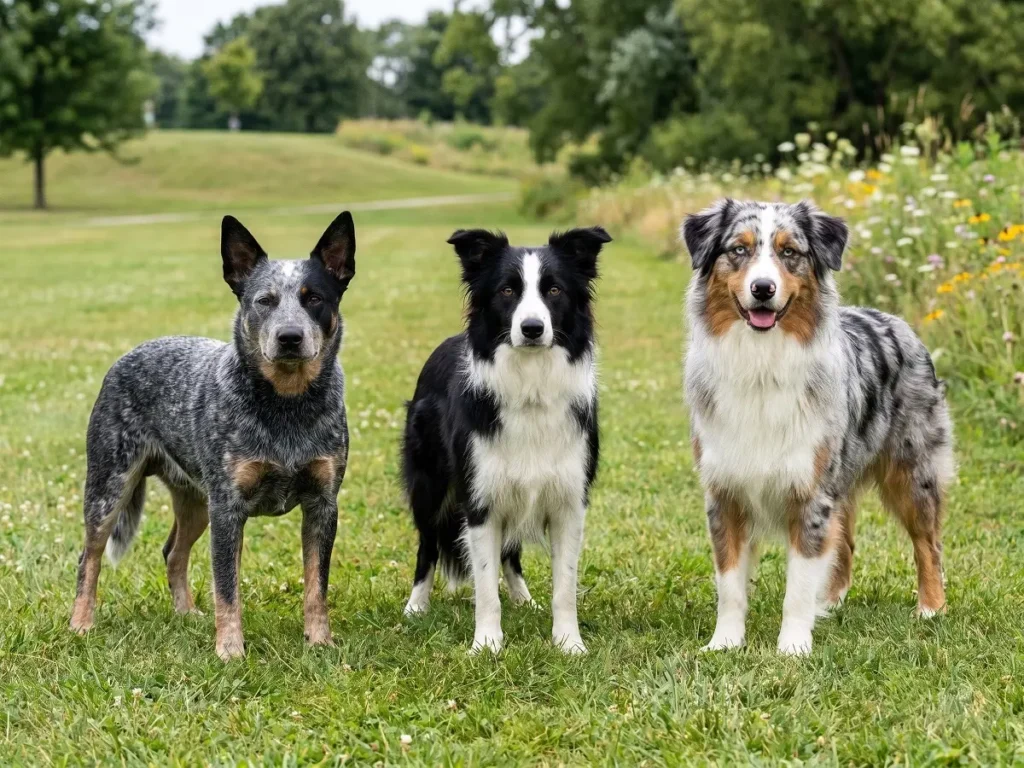
vs Border Collie
The Border Collie is often compared with the Australian Cattle Dog because both are highly intelligent and active.
Here’s how they differ:
- Energy use
Both are high energy, but Border Collies need more mental work. Cattle Dogs mix physical and mental activity more evenly. - Herding style
Border Collies control movement with eye contact and positioning. Cattle Dogs use quick nips at the heels. - Temperament
Border Collies are more sensitive and responsive. Cattle Dogs are tougher and more independent.
What this really means is simple. If you want a softer, highly trainable dog, Border Collie may suit you. If you prefer a stronger, more rugged worker, the Australian Cattle Dog stands out.
vs Australian Shepherd
The Australian Shepherd is another close match in terms of energy and intelligence.
Key differences include:
- Personality
Australian Shepherds are more social and friendly with people. Cattle Dogs are more reserved and focused. - Trainability
Both are smart, but Australian Shepherds are often easier for beginners. Cattle Dogs need firmer and more consistent handling. - Exercise style
Australian Shepherds enjoy a mix of play and work. Cattle Dogs lean more toward structured tasks and purpose-driven activity. - Adaptability
Australian Shepherds adjust better to family life. Cattle Dogs prefer routine and clear roles.
Here’s the key point. The Australian Cattle Dog is more intense and work-driven. The Australian Shepherd is more flexible and social.
If you are still deciding, comparing these breeds in real-life situations can help you make a better choice. Small differences in behavior can have a big impact on daily life.
Puppy vs Adult: What Changes?
Here’s the thing. An Australian Cattle Dog puppy and an adult dog can feel like two very different animals. The core traits stay the same, but the way they show up changes with age.
Energy
Puppies have sharp bursts of energy. They play hard, then crash and rest. This cycle repeats many times a day. They are active, but not steady.
Adults are different. Their energy becomes more controlled, but it does not drop much. They can stay active for long periods without slowing down.
What this really means is simple. Puppies are chaotic for short periods. Adults are consistent all day.
So, with a puppy, you manage short play sessions and rest. With an adult, you plan longer and more structured activities.
Training Difficulty
Puppies are like a blank page. They learn fast, but they also get distracted easily. You will spend more time teaching basic rules like toilet training, biting control, and simple commands.
Adults already have habits. If trained well early, they are easier to manage. They understand commands and follow routines better.
However, if an adult dog has bad habits, fixing them can take more effort.
Here’s the key point. Puppies need patience and repetition. Adults need consistency and structure.
Can They Live in Apartments?
Let’s be honest. This is not an ideal apartment dog. The Australian Cattle Dog was bred for open space and long hours of work.
Honest Answer
In most cases, apartment living is not a good fit. The dog needs space, movement, and daily activity. A small indoor space can feel limiting.
If its needs are not met, problems can start. These include barking, restlessness, and destructive behavior.
What this really means is simple. The issue is not the apartment itself. The issue is lack of activity.
Conditions Where It Might Work
That said, it can work in some situations. But the effort level is high.
You would need:
- At least 1.5 to 2 hours of daily exercise outside
- Regular mental stimulation through training and games
- A fixed daily routine
- Access to open spaces like parks
Also, the dog should not be left alone for long hours. This breed needs engagement and purpose.
Here’s the key point. Apartment living is possible, but only if you stay fully committed every day. Without that effort, this breed will struggle in a small space.
FAQs
Yes, they need a lot of daily attention. This breed likes to stay busy and close to its owner. If ignored for long periods, it can become restless or start unwanted behavior.
They can live with other pets, but it depends on training and early exposure. This breed has a strong herding instinct, so it may try to chase or control smaller animals.
This dog prefers open space, but space alone is not enough. Daily activity matters more than house size.
Even in a smaller home, the dog can adjust if it gets enough outdoor exercise and mental tasks. Without that, even a large yard will not solve the problem.
