



Quick Facts about the Australian Shepherd
Size
The Australian Shepherd is a medium-sized dog. Males are usually taller than females. On average, they stand between 46 to 58 cm at the shoulder. What this really means is they are not too big, but they are far from small. They have a strong and athletic body. This helps them work all day without getting tired easily.
Weight
Their weight depends on gender and activity level. Most Australian Shepherds weigh between 16 to 32 kg. Males are often heavier, while females are slightly lighter. If the dog gets enough exercise and eats well, the weight stays balanced. But here’s the thing, if they don’t get enough activity, they can gain weight fast.
Lifespan
This is quite good for a dog of this size. With proper care, regular vet visits, and a healthy diet, many live even longer. Genetics also play a role, so choosing a healthy puppy matters.
Energy Level
This is where things get serious. Australian Shepherds have a very high energy level. They were bred to herd animals, so they are always ready to move. They need daily exercise, both physical and mental. A short walk is not enough.
They need running, playing, and tasks to stay happy. If they don’t get this, they can become bored and start bad behaviour like chewing or barking a lot.
Good for Families
Yes, they can be great family dogs, but only in the right home. They are loyal, loving, and protective. They often form strong bonds with their owners. They usually get along well with children.
However, because of their herding instinct, they may try to chase or “herd” kids by nipping at their heels. This can be managed with training. They do best in active families who can give them time and attention. If the family is busy or prefers a quiet lifestyle, this breed may not be the best choice
What Is an Australian Shepherd?
The name can confuse people. The Australian Shepherd is not from Australia. Here’s the thing, this breed was mainly developed in the United States. Its story starts earlier, though. Shepherd dogs came from Europe, especially from areas near Spain and France.
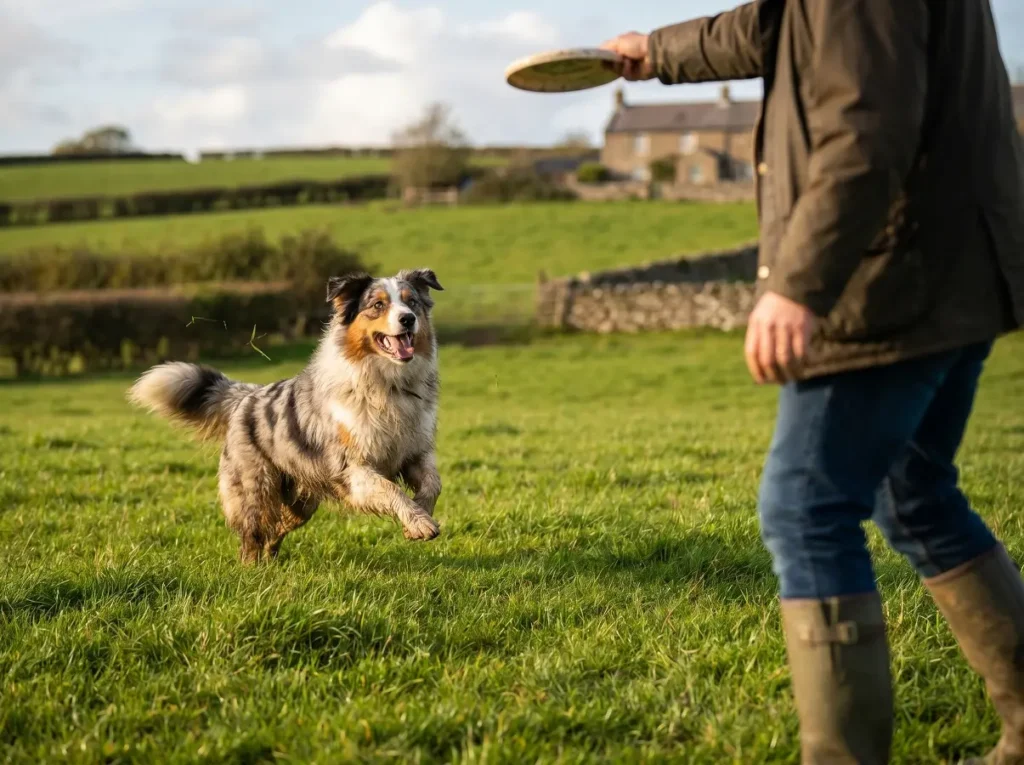
Some of these dogs moved with farmers to Australia. Later, they were brought to America. Over time, American ranchers shaped the breed into what we now call the Australian Shepherd. So the name stuck, even if it does not match the real origin.
Origin (Not Actually Australian)
In the 1800s, farmers and herders needed smart and active dogs. They wanted dogs that could handle sheep and cattle across large land areas. Dogs that came from Australian routes were used in the US, so people started calling them Australian Shepherds.
But the real development happened in the United States, not Australia. What this really means is the breed is more American than Australian. It became popular in Western states like California and Colorado. Ranchers trusted these dogs because they could work long hours without slowing down.
What They Were Bred For
The Australian Shepherd was bred for herding livestock. Their main job was to control sheep and cattle. They use strong eye contact and quick movement to guide animals. This skill is called herding instinct. But it’s not just about moving animals. These dogs can think fast.
They can make decisions on their own. For example, if a sheep runs away, the dog knows how to bring it back without waiting for commands. That’s why they are known for high intelligence. They are not just active, they need a purpose.
If they don’t get a job, they will create one. This can lead to behaviour like chasing, barking, or trying to herd people. Today, many still work on farms. At the same time, they are also family pets, sports dogs, and even used in rescue work. Their strong work drive is still there. It never really goes away.
Australian Shepherd Personality
The Australian Shepherd has a strong and active personality. This is not a calm, quiet dog. Instead, it is always alert, always thinking, and always ready to do something. What this really means is you don’t just “own” this dog. You live with a partner who needs your time and attention every day.
Intelligence
This breed is very smart. In fact, it is often listed among the most intelligent dog breeds. They learn commands quickly and remember them well. But here’s the thing, being smart also means they get bored fast.
If you repeat the same training again and again, they may lose interest. They like problem-solving tasks. They enjoy learning tricks, playing thinking games, and doing jobs. Without this, they may start making their own decisions, and that’s not always a good thing.
Energy
Australian Shepherds have a very high energy level. They are not happy sitting around all day. They need regular activity like running, playing, and training. A short walk is not enough for them.
If they don’t burn off their energy, problems can start. You may see chewing, digging, or constant barking. So daily exercise is not optional. It is a must if you want a calm and happy dog.
Loyalty
This breed is very loyal to its owner. They form strong bonds and like to stay close to their family. Many Australian Shepherds follow their owners from room to room. They like being involved in everything. Because of this, they do not enjoy being left alone for long hours. They want attention and connection. If they don’t get it, they may feel stressed or anxious.
Stranger Behaviour
Australian Shepherds are friendly, but not always with strangers. They can be cautious at first. This comes from their natural guarding instinct.They may watch new people carefully before feeling comfortable.
Early social training helps a lot here. If they meet different people from a young age, they become more relaxed and confident. Still, they are not usually aggressive. They just take time to trust. Once they do, they can become friendly and calm around new faces.
What Living With an Australian Shepherd Is Really Like
Living with an Australian Shepherd is not simple or quiet. Here’s the thing, this dog brings a lot of energy into your home. If you like calm and slow days, this breed can feel overwhelming. But if you enjoy an active life, it can be a great match.
Daily Life
A normal day with an Australian Shepherd starts early. They wake up ready to move. Most need a long walk or run in the morning. After that, they still have energy left. So playtime or training usually follows. During the day, they don’t just sleep like some other dogs.
They stay alert. They watch what you are doing. Many will follow you from room to room. They like to be involved. Later in the day, they need more activity. This can be a walk, a game, or training.
What this really means is that one short walk is never enough. They need both physical exercise and mental work every day. If they don’t get this, they will find their own way to stay busy. That often means chewing things, digging, or running around the house.
Attention Needs
This breed needs a lot of attention. They are not the type of dog you can ignore for hours. They want to be near their owner most of the time. They enjoy interaction. This includes playing, training, or even just sitting close to you.
Because of this, they don’t do well if left alone all day. Long periods of isolation can lead to stress or bad behaviour. What this really means is you need time for this dog. If your routine is very busy, it can be hard to meet their needs.
Noise Level
Australian Shepherds are not silent dogs. They can bark quite a lot. They may bark when they are bored, excited, or when they see something new. They also act as natural watchdogs. So they often alert you when someone comes near the house. This can be helpful, but it can also become annoying if not managed.
Training can reduce excessive barking, but it won’t remove it completely. This breed likes to communicate. So some level of noise is always expected. In simple words, living with an Australian Shepherd is active, busy, and full of interaction. They give a lot of love and loyalty, but they also ask for time, effort, and energy every single day.
Pros and Cons of the Australian Shepherd
The Australian Shepherd is a great dog for the right person. But it is not for everyone. Here’s the thing, this breed gives a lot, but it also expects a lot from you. So it’s better to look at both sides before making a decision.
Pros of Australian Shepherd
Very intelligent
They learn fast. Training is easier compared to many other breeds. They can understand commands quickly and enjoy learning new things.
Highly active and playful
If you like outdoor activities, this dog is a perfect partner. They enjoy running, hiking, and playing games every day.
Strong loyalty
They build deep bonds with their owners. Many stay close to their family and like being part of daily life.
Good working ability
They are natural workers. Whether it is herding, training, or dog sports, they perform very well.
Protective nature
They are alert and aware of their surroundings. This makes them good watchdogs for the home.
Cons of Australian Shepherd
Very high energy
This is the biggest challenge. They need a lot of exercise every day. Without it, they become restless and hard to manage.
Needs constant attention
They don’t like being alone for long. If ignored, they can develop bad habits or feel stressed.
Can be too smart
Their intelligence can backfire. If they get bored, they may start doing things their own way, which can cause trouble.
Barking and noise
They tend to bark more than some other breeds. This can be a problem if not trained early.
Herding behaviour
They may try to herd children or other pets. This includes chasing or light nipping, which needs proper training to control.
Exercise Needs (With Real Routine)
The Australian Shepherd needs a lot of exercise. Here’s the thing: this is not a dog you can tire out with a short walk. They were bred to work all day, so both their bodies and minds need daily activity. If you don’t meet this need, problems start fast.
Daily Schedule
A good routine makes a big difference. Without structure, this breed can become restless.
Morning:
Start with a long walk or run. Around 45 to 60 minutes works well. You can also add fetch or off-leash running in a safe area. This helps burn early energy.
Midday:
Short play or training session. This could be 15 to 20 minutes. Use simple commands, tricks, or games. Mental work is just as important as physical activity.
Evening:
Another walk or active play session. Around 30 to 45 minutes is enough. You can mix it with games like fetch or light agility work.
Indoor time:
Give them puzzle toys or small tasks. This keeps their brain busy when they are inside.
What this really means is they need activity spread across the day, not just one walk.
Minimum vs Ideal
Minimum exercise:
At least 1 to 2 hours daily. This includes walking and some play. This is the bare minimum to keep them stable.
Ideal exercise:
2 to 3 hours daily with a mix of:
- Running
- Training
- Play
- Mental challenges
The ideal routine keeps them calm, focused, and happy. If you only meet the minimum, the dog may still feel restless. But if you follow the ideal routine, you will notice a big change. They become more relaxed at home and easier to manage. In simple words, this breed needs a lifestyle, not just exercise.
Mental Stimulation: What They Actually Need
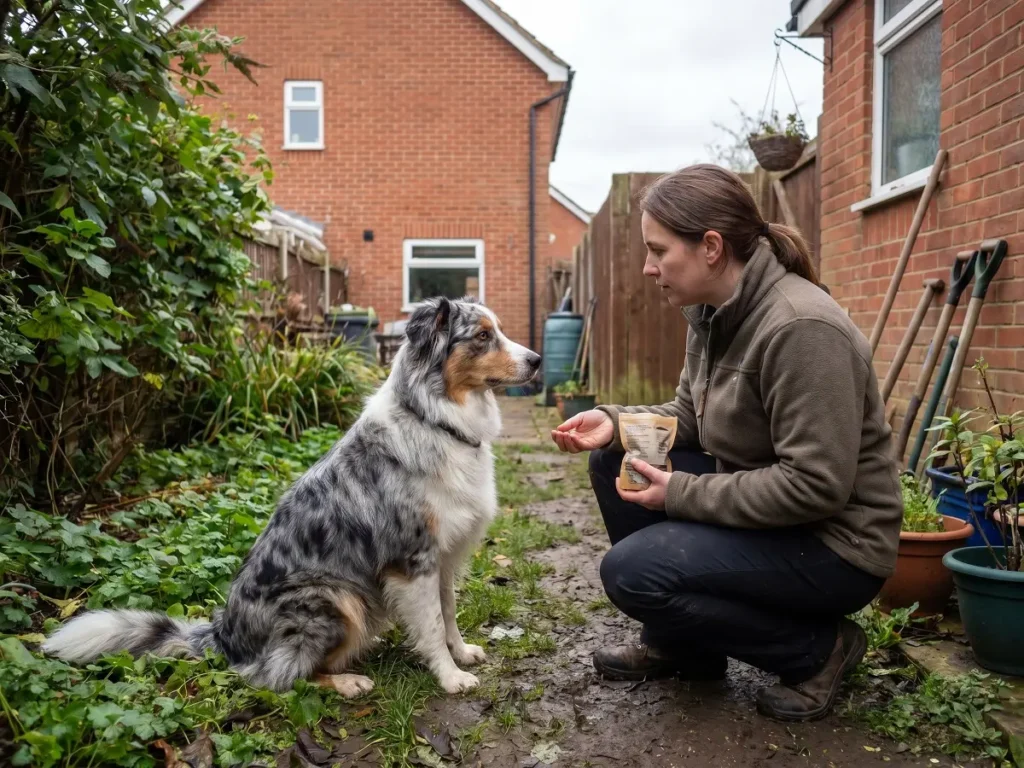
The Australian Shepherd does not just need physical exercise. Here’s the thing, their mind is always active. If you only focus on walks and running, it’s not enough. They need to think, solve, and stay busy in a smart way.
Games
Simple games work very well. For example, hide and seek with treats is a great start. You can hide food around the house and let them find it. This keeps their brain active. Fetch is also useful, but you can make it better.
Add rules like “sit” before throwing the ball. This adds a mental challenge. Puzzle toys are another good option. These toys make the dog work to get food. It slows them down and keeps them focused.
Tasks
This breed loves having a job. Even small tasks can make a big difference. You can ask them to carry light items, follow simple commands, or help during daily routines. Some owners even teach them to pick up toys and put them away. What this really means is they want purpose. Without it, they may create their own tasks, like chewing furniture or digging.
Training Ideas
Training is one of the best ways to keep them mentally active. Teach new tricks often. Don’t repeat the same thing every day.
You can try:
- Basic obedience commands
- Advanced tricks
- Agility-style training at home
Short sessions work best. Around 10 to 15 minutes is enough. Keep it fun and varied so they stay interested.
Training an Australian Shepherd
Training an Australian Shepherd can be both easy and challenging. It depends on how you approach it.
Easy or Hard?
They are very smart, so they learn quickly. This makes training easier than many other breeds. But here’s the catch, they also think for themselves. If they feel bored or confused, they may ignore commands. So training needs to be clear and consistent.
Common Mistakes
Repeating the same training
Doing the same commands again and again can make them lose interest.
Not enough exercise before training
If they have too much energy, they won’t focus. Always give some activity before training.
Being inconsistent
If rules change often, the dog gets confused. This slows progress.
Ignoring bad behaviour early
Small problems can grow if not corrected in time.
Tips That Work
Keep sessions short
10 to 15 minutes is enough. This keeps their attention strong.
Use rewards
Treats, praise, and play work well. They respond better to positive methods.
Stay consistent
Use the same commands and rules every time.
Mix things up
Add new tricks and challenges often. This keeps training interesting.
Start early
Training from a young age builds better habits. What this really means is simple. Training works well if you stay patient, consistent, and active. If done right, this breed becomes very well-behaved and easy to manage.
Common Behavior Problems (And Fixes)
The Australian Shepherd is smart and active. That’s great, but it also brings a few behavioural issues. Here’s the thing: most problems come from too much energy or not enough mental work. The good news is you can fix them with the right approach.
Barking
Australian Shepherds bark more than many other breeds. They bark when they are bored, excited, or trying to alert you. Sometimes they bark just to release energy. What this really means is that barking is not random. There is always a reason behind it.
How to fix it:
Start by getting enough exercise every day. A tired dog barks less. Next, teach a simple command like “quiet.” When the dog stops barking, reward it. Stay consistent. Over time, they learn when to stop. Also, reduce triggers. For example, if they bark at people passing by, limit their view or distract them with a task.
Herding Kids
This is an instinct. These dogs were bred to control animals, so they may try to “herd” children. This can include chasing, circling, or light nipping at the heels. It may look playful, but it can scare kids if not controlled.
How to fix it:
Training is key. Teach commands like “leave it” or “stop.” Use these when the behaviour starts. At the same time, give the dog proper outlets for its energy, like games or tasks. Supervision also matters. Don’t leave young children alone with the dog until behaviour improves. With time and training, this habit can be reduced.
Destructive Behaviour
Chewing furniture, digging, or tearing things apart is common in this breed. This usually happens when they are bored or left alone too long. What this really means is the dog is trying to release energy or stress.
How to fix it:
Increase daily exercise and mental activity. Add puzzle toys or training sessions. Give them safe chew toys so they don’t destroy household items.Also, create a routine. Dogs feel calmer when they know what to expect each day.
If needed, limit access to certain areas of the house until behaviour improves. In simple words, these problems are not about a “bad dog.” They are signs that the dog needs more activity, structure, and attention. Once you fix that, behaviour usually improves a lot.
Are Australian Shepherds Good for Families?
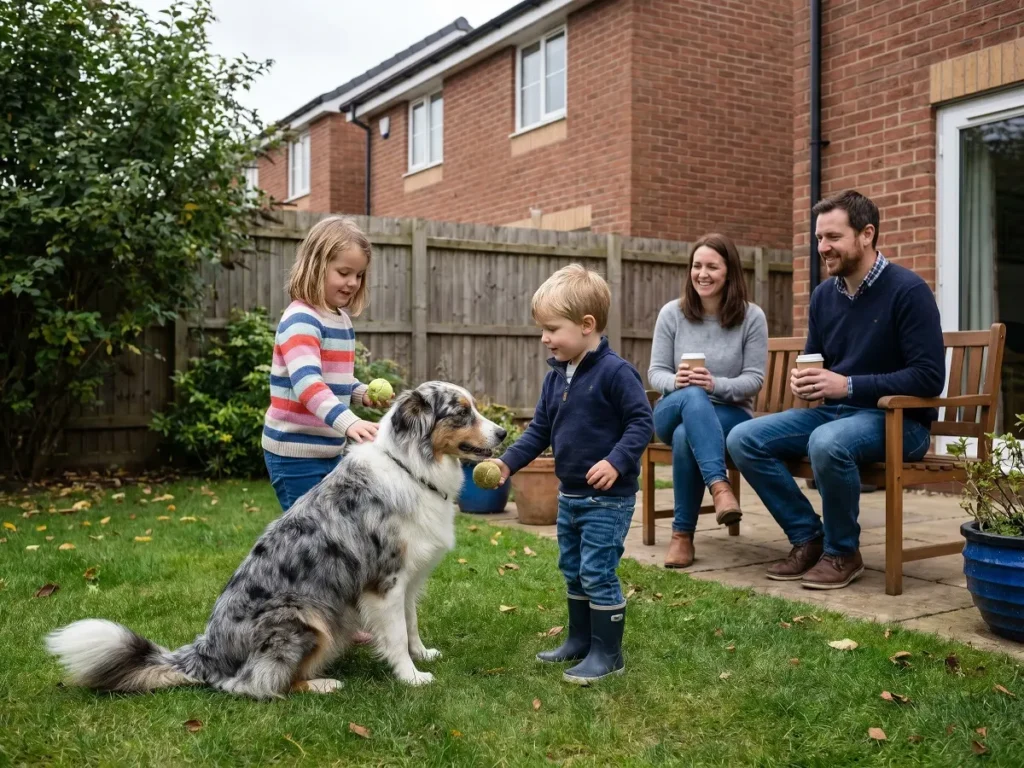
The Australian Shepherd can be a great family dog, but only in the right home. Here’s the thing, this breed is active, smart, and very involved in daily life. If your family can match that energy, things go well. If not, it can become stressful.
Kids
Australian Shepherds usually get along well with children. They are playful and enjoy being part of family activities. Many form strong bonds with kids and like to stay close to them. But there is one thing to watch. Because of their herding instinct, they may try to control children.
This can include chasing, circling, or light nipping at the heels. It’s not aggression, but it can scare younger kids. What this really means is that supervision is important, especially at the start.
Teach both the dog and the child how to behave around each other. Training helps reduce herding behavior over time. They often do best with older kids who understand how to interact with dogs. With proper guidance, they can become very loyal and protective companions.
Other Pets
Australian Shepherds can live with other pets, but early introduction matters a lot. If they grow up with other animals, they usually adapt well. With dogs, they are often friendly and playful. With smaller animals like cats, things depend on training.
Their herding instinct may make them chase, especially at the start. What this really means is slow and careful introduction works best. Teach boundaries early. Use commands to stop chasing behaviour.
Once they learn, many Australian Shepherds live peacefully with other pets. But without training, their instincts can take over. In simple words, this breed fits active families who are ready to train, guide, and spend time with their dog. If you can do that, they become loving and loyal family members.
Australian Shepherd vs Other Breeds
Comparing the Australian Shepherd with other popular breeds helps you make a better choice. Here’s the thing: all dogs are good in the right home, but their needs and behaviour can be very different.
Australian Shepherd vs Border Collie
Both breeds are very smart and full of energy. In fact, they are often seen as two of the most intelligent working dogs.
Energy and activity:
Both need a lot of exercise. But the Border Collie is often even more intense. It may need more mental work compared to the Australian Shepherd.
Trainability:
Both learn fast. However, Border Collies can be more focused on tasks, while Australian Shepherds are slightly more flexible and social.
Personality:
Australian Shepherds are usually more friendly and open with families. Border Collies can be more serious and work-focused.
Living style:
Both struggle in small spaces without activity. But Border Collies are less suited for relaxed homes. They need constant engagement.
What this really means is that both breeds are high effort. But the Australian Shepherd is often a bit easier for active families.
Australian Shepherd vs Labrador Retriever
This is a very different comparison. The Labrador is one of the most popular family dogs.
Energy level:
Both are active, but Labradors are more balanced. Australian Shepherds need more structured activity and mental work.
Trainability:
Both are easy to train, but Labradors are more relaxed. Australian Shepherds may get bored faster if training is repetitive.
Personality:
Labradors are very friendly with almost everyone. Australian Shepherds can be more reserved with strangers.
Family life:
Labradors are easier for first-time owners. They adapt well to many lifestyles. Australian Shepherds need more time, effort, and attention. What this really means is simple. If you want an easy-goingfamily dog, the Labrador is a safer choice. If you want a smart, active, and highly involved dog, the Australian Shepherd fits better.
In short, the Australian Shepherd sits in the middle. It is more demanding than a Labrador, but slightly more flexible than a Border Collie. The right choice depends on your lifestyle and how much time you can give.
Grooming and Shedding
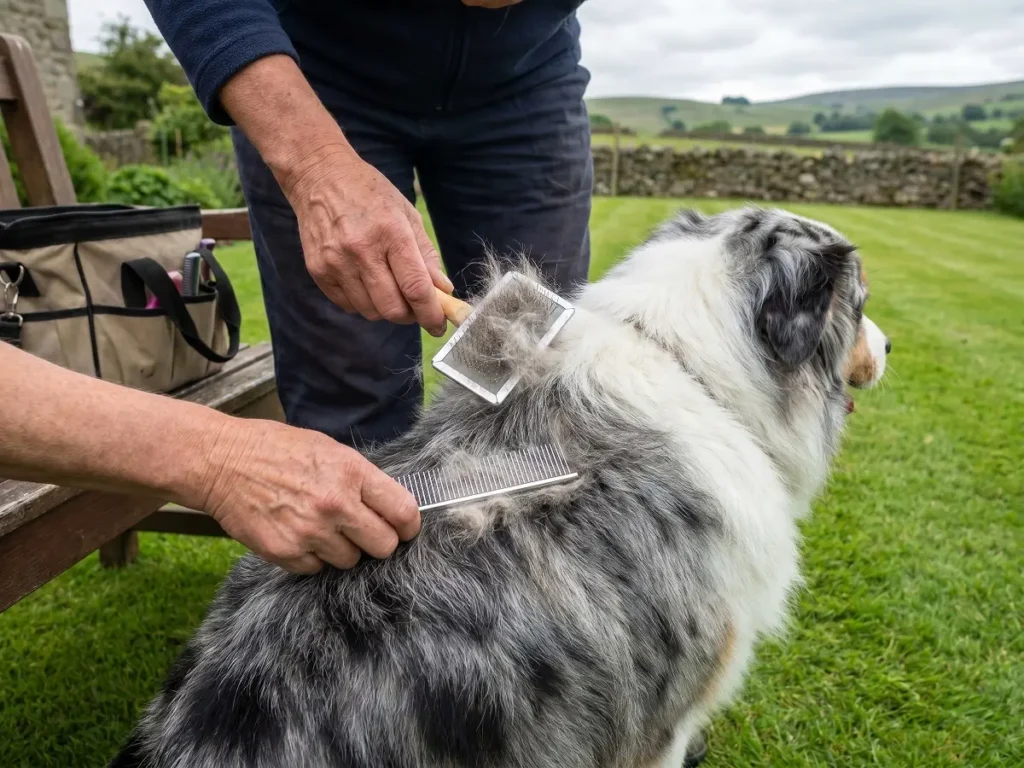
The Australian Shepherd has a thick double coat. This coat protects them from heat and cold. Here’s the thing: it also means regular grooming is a must. If you ignore it, the coat can get messy, and shedding can become a problem inside your home.
How Often
Brushing should be done at least 2 to 3 times a week. This helps remove loose hair and prevents tangles. During heavy shedding seasons, which usually happen in spring and autumn, daily brushing works better. Bathing is not needed too often. Once every 4 to 6 weeks is enough, unless the dog gets very dirty.
Too many baths can dry out the skin. Nail trimming should be done every few weeks. If you hear nails clicking on the floor, it’s time to trim them. Ear cleaning and teeth care should also be part of the routine. What this really means is that grooming is regular, but not too hard if you stay consistent.
What to Expect
Australian Shepherds shed a lot. There is no way around it. You will find hair on furniture, clothes, and floors, especially during shedding seasons. Their coat can also collect dirt, small sticks, and debris, especially after outdoor activity. So quick checks after walks help keep things clean.
The good part is their coat does not mat as easily as some long-haired breeds, if you brush it often. Regular grooming keeps the coat healthy and reduces shedding around the house. In simple words, expect moderate to heavy shedding and regular brushing. If you keep up with grooming, it stays manageable. If not, it can quickly turn into extra work.
Health Issues Explained Simply
The Australian Shepherd is generally a healthy dog, but like all breeds, it can face some health problems. Here’s the thing: knowing these early can help you take better care of your dog and avoid bigger issues later.
Common Problems
One common issue is hip dysplasia. This affects the hip joint and can cause pain or difficulty in movement. It may get worse as the dog gets older. Another condition is progressive retinal atrophy. This affects the eyes and can slowly lead to vision loss over time.
Some Australian Shepherds may also have epilepsy. This can cause seizures, which need medical attention and proper care. There is also a genetic issue called the MDR1 gene mutation. Dogs with this condition can react badly to certain medicines. This is why proper testing is important.
Signs to Watch
It’s important to notice small changes early.
For joint problems like hip dysplasia, watch for:
- Limping
- Difficulty getting up
- Less interest in running or playing
For eye issues, look for:
- Trouble seeing in low light
- Bumping into objects
- Cloudy eyes
For epilepsy, signs include:
- Sudden shaking or seizures
- Loss of control for a short time
What this really means is early signs are often small, but they matter a lot. If you notice anything unusual, a vet visit is the best step. In simple words, regular check-ups, a healthy diet, and proper care can help reduce many risks. While these problems can happen, many Australian Shepherds live long and healthy lives when looked after properly.
Cost of Owning an Australian Shepherd (UK)
Owning an Australian Shepherd in the UK comes with regular costs. Here’s the thing, this is an active breed, so expenses can be higher than a low-energy dog. It’s better to understand the monthly and yearly costs before you decide.
Food
Australian Shepherds eat more than small breeds because of their energy level. Good quality dog food in the UK usually costs around £40 to £80 per month. If your dog is very active, the cost may go higher. Cheap food may save money now, but it can lead to health issues later. So, balanced nutrition is always the better choice.
Vet
Vet costs can vary, but basic care is a must. Regular check-ups, vaccines, and parasite treatments can cost around £200 to £400 per year. If health issues appear, costs can rise quickly. For example, treatment for joint or eye problems can be expensive. That’s why regular check-ups matter. They help catch problems early.
Insurance
Pet insurance is very common in the UK. For an Australian Shepherd, it usually costs between £20 to £50 per month. The price depends on coverage, age, and health history. Insurance helps cover large vet bills, which can save you a lot of money in the long run. What this really means is owning this breed is a long-term financial responsibility. Monthly costs can easily reach £80 to £150 or more, depending on your choices.
Puppy vs Adult: What Changes
Choosing between a puppy and an adult Australian Shepherd can change your whole experience. Both have their pros and challenges.
Puppy Stage
Puppies are full of energy and curiosity. They need a lot of time, patience, and training.They may chew things, have accidents in the house, and wake up at night. Training takes effort, especially in the first few months.
But here’s the good part, you can shape their behaviour from the start. You can teach habits, routines, and social skills early. What this really means is puppies need more work, but you get more control over how they grow.
Adult Stage
Adult dogs are more settled. They usually have better control over their behaviour. Many are already trained, especially if adopted from a good home. They still need exercise and attention, but they are easier to manage compared to puppies. However, adult dogs may already have habits, both good and bad. Changing these can take time.
In simple words, puppies need more effort but give you a fresh start. Adults are easier in daily life but may come with existing behaviour patterns. The right choice depends on how much time and patience you can give.
Is an Australian Shepherd Right for You?
Choosing an Australian Shepherd is a big decision. Here’s the thing, this breed is amazing in the right home, but it can be hard to manage in the wrong one. So it’s better to be honest about your lifestyle before you decide.
Best Owner Type
This dog fits people who live an active life. If you enjoy daily walks, running, or outdoor time, this breed can match your energy. They are also a good fit for owners who like training dogs. Since they are very smart, they enjoy learning and working with their owner. If you are ready to spend time on training and play, things go smoothly.
Families who are involved and spend time at home also do well with this breed. The dog likes attention and does best when it feels part of daily life. What this really means is the ideal owner has time, energy, and patience.
Who Should Avoid This Breed
If you prefer a quiet and low-energy lifestyle, this breed may not suit you. They need daily activity and mental work. Without it, they can become difficult to handle. People who stay away from home for long hours may also struggle. This dog does not like being alone too much. It can lead to stress and unwanted behaviour.
First-time owners can manage this breed, but only if they are ready to learn and stay consistent. Without effort, this dog can feel overwhelming. In simple words, the Australian Shepherd is not for everyone. But if your lifestyle matches its needs, it becomes a loyal, active, and very rewarding companion.
FAQs
They can be, but it depends on the owner. If you are ready to train, stay consistent, and give daily exercise, it can work well. If not, this breed may feel too demanding.
Yes, they can bark more than some other breeds. They bark when bored, excited, or alert. Training and enough activity can help reduce this.
They can, but it is not ideal. They need a lot of exercise and space to move. If you live in a flat, you must commit to daily outdoor activity.
They need at least 1 to 2 hours of exercise every day. For best results, aim for 2 to 3 hours with both physical and mental activity.
Final Thoughts
The Australian Shepherd is a smart, active, and loyal dog. Here’s the thing, this breed gives a lot of love and energy, but it also asks for time, effort, and daily care. If you meet its needs, it becomes an amazing companion. If not, it can feel hard to manage.
So before you decide, think about your routine, your energy level, and how much time you can give. This helps you make the right choice.
