

Many people search for toy dog breeds that don’t shed because they want a small dog without hair all over the sofa, clothes, bed, and carpet.
This makes sense.
A tiny dog looks easier to manage in a small home. But shedding, grooming, barking, allergies, and coat care still matter a lot.
Here’s the thing. No dog is fully shed-free. Even low-shedding toy dogs lose some hair. They also release dander, saliva, and skin flakes, which can still bother people with allergies.
So, the goal is not to find a “zero-shedding” dog. The better goal is to find a toy dog that sheds less, fits your home, and matches your grooming routine.
This guide uses a case study style to compare the best low-shedding tiny dogs for small homes, apartments, seniors, families, and first-time owners.
Quick Answer: Best Toy Dog Breeds That Don’t Shed Much
The best toy dog breeds that don’t shed much include Toy Poodle, Maltese, Yorkshire Terrier, Shih Tzu, Havanese, Chinese Crested, Affenpinscher, and Brussels Griffon.
These dogs are popular because they stay small, shed less than many other breeds, and fit well into indoor homes.
Still, low shedding does not mean low care.
Most of these breeds need brushing, face cleaning, coat trimming, or professional grooming. Some also bark more than expected. So, choosing the right dog depends on your home, budget, time, and patience.
Choosing a Low-Shedding Toy Dog for a Small Home
Let’s look at a simple example.
A first-time owner lives in a small apartment. They work from home most days and want a tiny dog that does not leave hair everywhere. They want a sweet companion that can sit on the sofa, walk around the block, and sleep calmly at night.
They also have one big worry.
They do not want a dog that sheds heavily or makes the home feel messy.
At first, they think any small dog will work. But after comparing breeds, they learn that size is only one part of the decision.
A good low-shedding toy dog should fit six things:
Shedding level
Grooming needs
Barking habits
Apartment fit
Exercise needs
Owner experience
A Toy Poodle may shed very little, but it needs regular grooming. A Maltese may be loving and clean, but it can get tear stains and hate being left alone. A Yorkie may shed less, but it can bark a lot if not trained early.
So, the best choice is not always the cutest dog.
The best choice is the dog that fits your real daily life.
What Does Low-Shedding Really Mean?
Low-shedding means a dog drops less loose hair around the home compared with heavier-shedding breeds.
Some dogs have coats that grow more like human hair. These coats often trap loose hairs instead of dropping them everywhere. That is why breeds like Toy Poodles and Maltese are often called low-shedding.
But this does not mean they need less care.
In fact, many low-shedding dogs need more brushing because loose hair can get stuck inside the coat. If you skip brushing, mats and tangles can form. These can pull on the skin and make the dog uncomfortable.
There is another thing many owners miss.
Low-shedding does not always mean hypoallergenic. A person can still react to dog dander, saliva, or skin flakes. So, if allergies are a concern, spend time around the breed before bringing one home.
Why Low-Shedding Toy Dogs Are So Popular
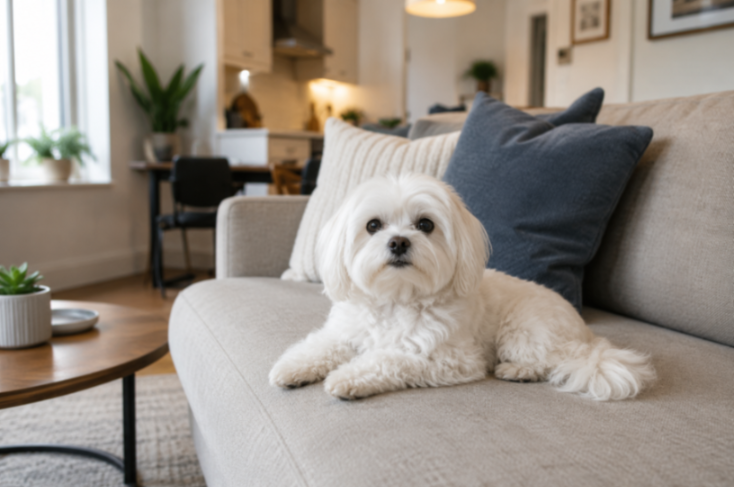
Low-shedding toy dogs are popular because they fit modern homes.
Many people now live in apartments, condos, or smaller houses. They want a dog that feels easy to carry, easy to walk, and easier to keep clean.
A tiny low-shedding dog can be a good match for:
Apartment owners
Seniors
Busy adults
First-time dog owners
People with small bedrooms
Families who want less dog hair indoors
Owners with mild allergy concerns
These dogs also work well for people who want a close companion. Most toy breeds enjoy being near their owner. They often like sitting on laps, following people from room to room, and being part of daily routines.
But there is a trade-off.
Many toy breeds do not enjoy being ignored all day. Some become noisy, nervous, or clingy if they do not get enough attention.
So, before choosing a low-shedding tiny dog, ask yourself one honest question.
Do you want a dog that looks easy, or can you give that dog the care it actually needs?
Best Toy Dog Breeds That Don’t Shed Much
Below are some of the best low-shedding toy dogs for small homes. Each one has good points and a few things to watch.
Toy Poodle
The Toy Poodle is one of the best toy dog breeds that don’t shed much. It is small, smart, active, and often a strong choice for people who want a cleaner home.
Toy Poodles have curly coats that trap loose hair. This helps reduce shedding around furniture and clothing. That is one reason many allergy-sensitive owners consider them.
But Toy Poodles are not lazy little dogs.
They are bright, alert, and quick to learn. They need short walks, playtime, and mental games. If a Toy Poodle gets bored, it may bark, follow you too much, or start looking for trouble around the house.
Grooming is also part of the deal. Their coat needs regular brushing and trimming. Many owners keep them in a simple puppy cut because it is easier to manage.
Best for: Apartment owners, allergy-sensitive homes, and people who enjoy smart dogs.
Watch for: Grooming cost, barking, and mental boredom.
For more official breed details, you can also check the AKC Toy Group guide.
Maltese
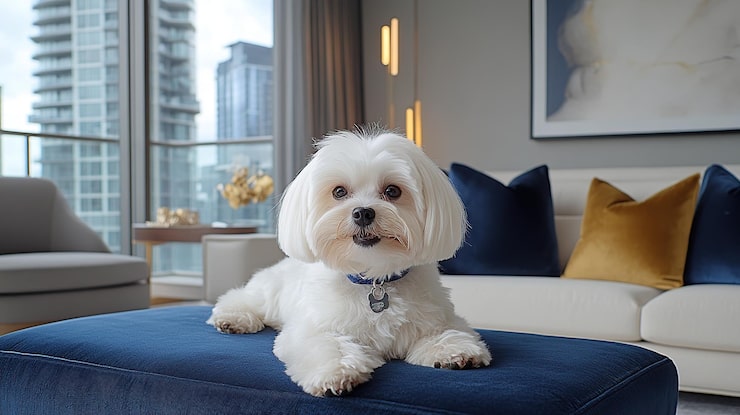
The Maltese is a tiny white dog with a soft, flowing coat. It is one of the most loved low-shedding toy breeds for indoor homes.
A Maltese can be a great choice for someone who wants a sweet lap dog. This breed is usually affectionate, gentle, and happy to stay close to its owner.
Its coat sheds very little, but it needs care. Long Maltese hair can tangle fast. Many owners choose a short trim because it is easier for daily life.
Tear stains are also common in Maltese dogs. You may need to clean the face often, especially around the eyes.
The Maltese can fit well in apartments because it does not need heavy exercise. Short walks and indoor play are often enough. But this breed can struggle with being alone for long hours.
Best for: Seniors, small homes, gentle owners, and people who want a loving lap dog.
Watch for: Tear stains, coat brushing, and separation anxiety.
Yorkshire Terrier
The Yorkshire Terrier, often called the Yorkie, is tiny but full of attitude. It has a silky coat that sheds less than many other small breeds.
Yorkies are popular because they are portable, confident, and stylish. They often act like big dogs in small bodies. That can be fun, but it also means they need early training.
A Yorkie may bark at visitors, noises, and other dogs. In an apartment, this can become a problem if the habit is ignored.
Their coat can be kept long, but that takes work. Many pet owners choose a shorter haircut to keep grooming simple.
Yorkies can do well with adults and older children. They are very small, so rough handling can hurt them. Families with toddlers need to be careful.
Best for: Adults, apartment owners, and people who want a bold tiny dog.
Watch for: Barking, coat care, and fragile size.
Shih Tzu
The Shih Tzu is a sweet, calm, low-shedding toy dog with a strong history as a companion breed.
This dog was bred to live close to people. That still shows today. A Shih Tzu often enjoys sitting near family, relaxing indoors, and being part of a quiet home.
Shih Tzus do not shed heavily, but their coat needs regular care. If the hair is long, it must be brushed often. A short puppy cut is easier for most owners.
One thing to remember is face care. Shih Tzus have flat faces and large eyes, so cleaning around the face is important. They can also struggle in hot weather.
This breed does not need intense exercise. A few short walks and some indoor play usually work well.
Best for: Calm homes, seniors, families, and apartment living.
Watch for: Face cleaning, grooming, heat sensitivity, and breathing comfort.
Havanese
The Havanese is friendly, cheerful, and often great for families who want a small, low-shedding dog.
This breed has a soft coat that sheds less than many dogs. But it still needs brushing. If the coat is ignored, it can mat quickly.
Havanese dogs are social. They usually enjoy people, visitors, and family activities. This makes them a good choice for homes where someone is around during the day.
They can also be good for first-time owners because they are trainable and eager to connect. Still, they need attention. A bored Havanese may bark or become clingy.
In a small home, the Havanese can do very well. It enjoys short walks, playtime, and simple training games.
Best for: Families, first-time owners, and people who want a social toy dog.
Watch for: Brushing, barking, and needing human attention.
Chinese Crested
The Chinese Crested is one of the most unique low-shedding toy dogs.
There are two types. The hairless type has soft skin with hair on the head, feet, and tail. The powderpuff type has a fuller coat.
The hairless Chinese Crested can be a good choice for people who want very little loose hair in the home. But skin care becomes important. This dog may need sun protection, gentle bathing, and warm clothing in cold weather.
The powderpuff type sheds less than many dogs but needs more brushing.
Chinese Cresteds are often affectionate and sensitive. They can be great companions for calm owners. They may not enjoy rough handling or loud homes.
Best for: Owners who want a unique low-shedding toy dog.
Watch for: Skin care, sun protection, cold weather, and delicate handling.
Affenpinscher
The Affenpinscher is a small, sturdy toy breed with a wiry coat and a funny personality.
This dog does not shed much, especially when brushed and groomed well. Its coat is not as silky as a Maltese or Yorkie, which can make it feel easier for some owners.
Affenpinschers are playful, bold, and sometimes stubborn. They can be loving with their family, but they may not always act like soft lap dogs.
They are better for adults or families with older kids. Very young children may not understand how to handle a small dog with respect.
This breed can live in apartments, but training helps. Like many small dogs, it may bark if it hears noises outside.
Best for: Adults, older kids, and owners who like playful small dogs.
Watch for: Stubborn behavior, barking, and regular coat care.
Brussels Griffon
The Brussels Griffon is a tiny companion dog with a big personality. It has a sweet face, expressive eyes, and a strong bond with its owner.
Some Brussels Griffons have rough coats that shed less. Others have smooth coats that may shed more. If low shedding matters most, ask about the coat type before choosing a puppy.
This breed is often loving and funny, but it can be sensitive. It may not enjoy being left alone for long periods.
A Brussels Griffon can fit well in an apartment if barking is managed early. It does not need a huge yard, but it does need daily attention.
Best for: Owners who want a tiny companion with character.
Watch for: Barking, clinginess, and coat-type differences.
Case Study Comparison Table
Breed | Shedding Level | Grooming Needs | Apartment Fit | Best For | Difficulty Level |
|---|---|---|---|---|---|
Toy Poodle | Very low | High | Excellent | Smart dog owners | Medium |
Maltese | Very low | High | Excellent | Lap-dog lovers | Medium |
Yorkshire Terrier | Low | Medium to high | Good | Confident owners | Medium |
Shih Tzu | Low | Medium to high | Excellent | Calm homes | Easy to medium |
Havanese | Low | Medium to high | Excellent | Families | Easy to medium |
Chinese Crested | Very low | Medium | Good | Unique dog lovers | Medium |
Affenpinscher | Low | Medium | Good | Adults, older kids | Medium |
Brussels Griffon | Low to medium | Medium | Good | Companion homes | Medium |
This table shows why the “best” dog is different for every owner.
A Toy Poodle may be best for one person. A Shih Tzu may be better for someone else. A Chinese Crested may be perfect for a person who wants the least hair around the home.
The right choice depends on your lifestyle.
Which Low-Shedding Toy Dog Is Best for Apartments?
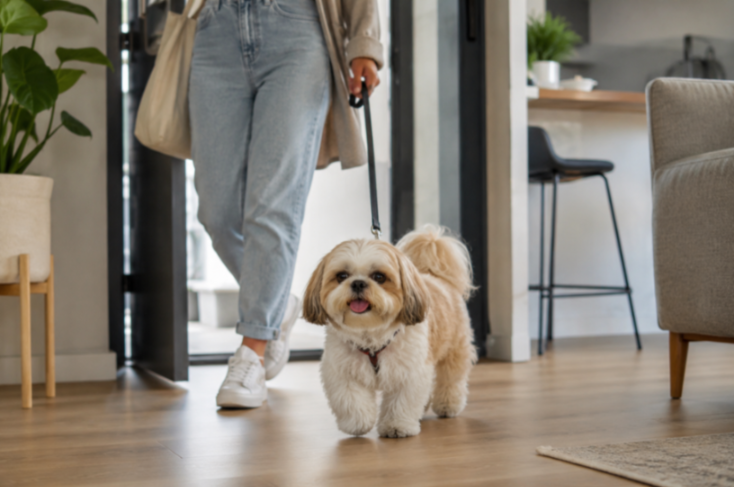
The best low-shedding toy dogs for apartments are Toy Poodle, Maltese, Shih Tzu, and Havanese.
These breeds stay small, bond closely with owners, and do not need a large yard. They can get enough movement through short walks and indoor play.
But apartment living brings one big issue.
Barking.
Even a tiny dog can cause stress if it barks at every hallway sound. So, apartment owners should focus on calm training from the start.
Teach your dog to settle. Reward quiet behavior. Give it enough play before long rest periods. Also, avoid leaving a young toy dog alone for too many hours at once.
A clean apartment is nice. A calm apartment is even better.
Which Toy Dog Is Best for Mild Allergies?
Toy Poodles and Maltese are common choices for people with mild allergy concerns because they shed very little.
Havanese and Shih Tzus may also work for some homes.
But no breed is allergy-proof.
A person may react to one Toy Poodle and feel fine around another. This is why it helps to spend time with the breed before making a final decision.
Visit the breeder. Meet adult dogs. Sit near them for a while. Notice your breathing, eyes, skin, and nose. Do not choose based only on online lists.
If allergies are serious, speak with a health professional before bringing any dog home.
Which Low-Shedding Toy Dog Is Easiest to Groom?
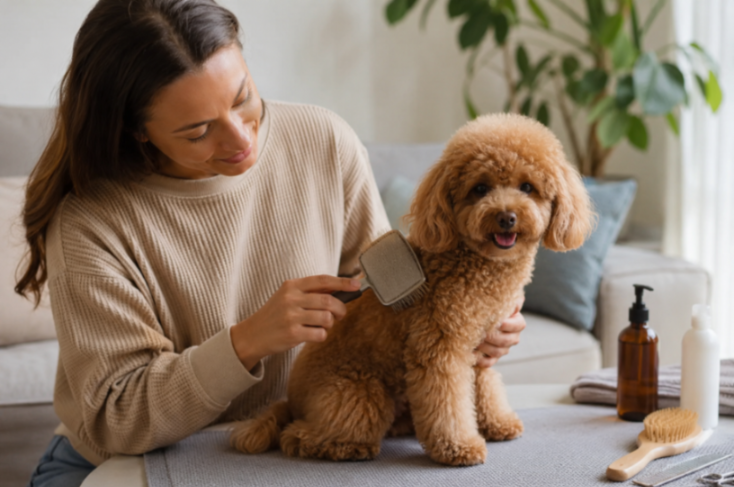
Low-shedding dogs often need more grooming, not less.
This is where many new owners get surprised.
Low-shedding dogs often need more grooming, not less.
A dog that drops hair around the home may need less trimming. A dog that holds hair in the coat may need more brushing to prevent mats.
For easier grooming, many owners choose:
Shih Tzu in a short puppy cut
Maltese in a short trim
Toy Poodle in a simple clip
Havanese with a manageable coat length
A short haircut can make life easier. It can reduce tangles, save brushing time, and keep the dog more comfortable.
Still, grooming costs should be part of your budget. Small dogs may eat less food, but grooming bills can add up.
Best Low-Shedding Toy Dog for First-Time Owners
For first-time owners, the best choices are often the Shih Tzu, Havanese, Toy Poodle, and Maltese.
A Shih Tzu can be a good fit for calm homes because it usually does not need heavy exercise.
A Havanese can work well for friendly families because it enjoys people and learns well.
A Toy Poodle is smart and low-shedding, but it needs mental activity and grooming.
A Maltese is sweet and tiny, but it can become clingy if not taught confidence.
For a first dog, avoid choosing only by looks. Choose by daily routine.
Ask yourself:
Can I brush this dog often?
Can I afford grooming?
Can I train barking early?
Can I give enough attention?
Can I handle a dog that wants to be near me often?
These questions matter more than coat color or cuteness.
Common Mistakes Owners Make
The first mistake is thinking low-shedding means no grooming.
That is false.
Many low-shedding toy breeds need brushing several times a week. Some need professional grooming every few weeks. If you skip this care, the coat can mat and hurt the dog.
The second mistake is choosing the smallest dog possible.
Tiny dogs are cute, but they are also fragile. They can get hurt if dropped, stepped on, or handled roughly by children.
The third mistake is ignoring barking.
Toy breeds are small, but some are very alert. A Yorkie, Affenpinscher, or Brussels Griffon may bark often without training.
The fourth mistake is buying from a poor breeder.
A badly bred puppy may have health and behavior problems. Always look for responsible breeding, clean living conditions, health testing, and honest answers.
The fifth mistake is not checking allergy reaction first.
Low-shedding dogs may drop less hair, but they can still cause problems for some allergy-sensitive owners. Spend time around the breed before making a final choice.
The sixth mistake is expecting a toy dog to act like a stuffed animal.
These dogs have needs. They need walks, training, play, rest, grooming, and respect.
Small size does not remove responsibility.
How to Choose the Right Low-Shedding Toy Dog
Start with your home.
If you live in a quiet apartment, choose a calmer breed like a Shih Tzu or Maltese. If you want a smarter, more active dog, consider a Toy Poodle. If you have a family and want a cheerful pet, look at the Havanese.
Then look at your schedule.
If you are away from home all day, many toy breeds may struggle. They are companion dogs. They often want to be near people.
Next, check your grooming budget.
A low-shedding coat may need regular trimming. If grooming cost is a problem, choose a simple coat style and learn basic brushing at home.
Also, The The think about your energy level.
Some toy dogs want couch time. Others want games, walks, and training. A bored tiny dog can still become loud or destructive.
The best dog is not the one with the lowest shedding score.
The best dog is the one you can care for properly every week.
Final Verdict: Best Toy Dog Breeds That Don’t Shed Much
The best toy dog breeds that don’t shed are Toy Poodle, Maltese, Shih Tzu, Havanese, Chinese Crested, Yorkshire Terrier, Affenpinscher, and Brussels Griffon.
Toy Poodle is best overall for very low shedding and trainability.
Maltese is best for lap-dog lovers who want a sweet indoor companion.
Shih Tzu is best for calm homes and owners who want a relaxed little dog.
Havanese is best for families who want a friendly, social toy breed.
Chinese Crested is best for owners who want the least hair around the home.
Yorkshire Terrier is best for people who like bold, confident tiny dogs.
Affenpinscher and Brussels Griffon are best for owners who want personality in a small package.
In the end, the best toy dog breeds that don’t shed are the ones that match your home, grooming budget, allergy concerns, and daily routine.
A cleaner home is nice.
But the right dog should also feel happy, healthy, and loved inside that home.
FAQs About Toy Dog Breeds That Don’t Shed Much
What toy dog breed sheds the least?
Toy Poodles, Maltese, and Chinese Crested dogs are among the toy breeds that shed the least. They still need grooming, brushing, and regular coat or skin care.
Are low-shedding toy dogs hypoallergenic?
No dog is fully hypoallergenic. Low-shedding toy dogs may drop less hair, but they can still release dander, saliva, and skin flakes that trigger allergies.
What is the best low-shedding toy dog for apartments?
Toy Poodles, Maltese, Shih Tzus, and Havanese dogs are strong choices for apartments. They are small, indoor-friendly, and usually do not need a large yard.
Do Maltese dogs shed much?
Maltese dogs shed very little compared with many other breeds. Their long coat still needs brushing and regular trimming to prevent tangles and mats.
Is a Toy Poodle better than a Maltese?
A Toy Poodle may be better for owners who want a smart, trainable, active dog. A Maltese may be better for someone who wants a softer lap dog. Both are low-shedding choices.
Which low-shedding toy dog is best for first-time owners?
Shih Tzu, Havanese, Maltese, and Toy Poodle can all work for first-time owners. The best choice depends on grooming budget, barking tolerance, and daily attention.
