


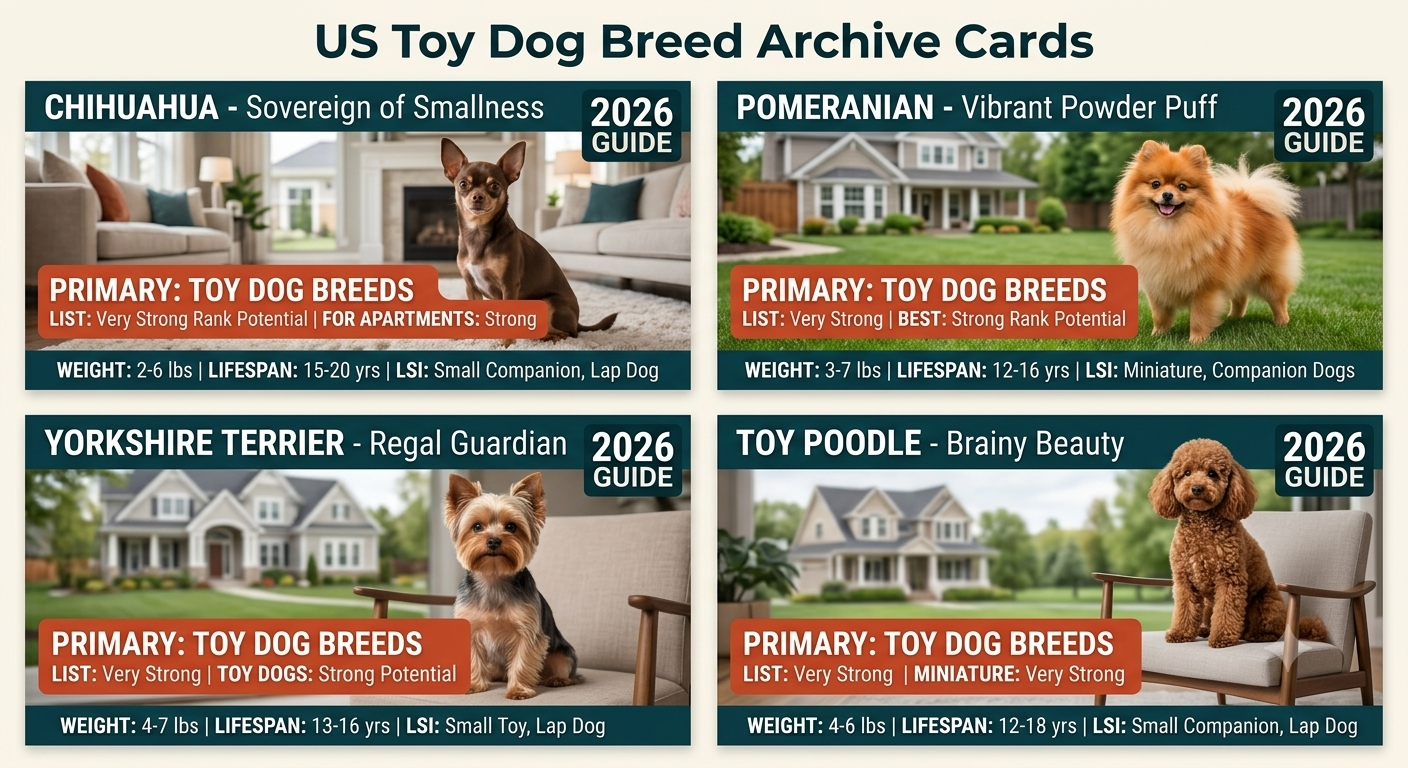
Introduction: The Rising Phenomenon of Toy Dog Breeds in America
Welcoming miniature dog breeds into your domestic space represents an incredibly popular lifestyle decision across the United States today. These remarkably small toy dog breeds deliver a highly versatile combination of deep family loyalty, compact convenience, and exceptional companionship. However, managing the unique biological thresholds and structural daily requirements of tiny canine companions demands precise operational planning. The urban pet ownership landscape inside major American municipal zones is undergoing swift structural transformations this year. Consequently, understanding the deep dynamics of small companion dogs ensures that new owners can establish safe domestic spaces.
Modern Urbanization and the Shift Toward Smaller Pets
First and foremost, shifting national demographics show a massive collective movement toward high-density apartment living setups. Modern metropolitan areas feature compact residential footprints where maintaining a hundred-pound animal is completely non-viable logistically. Consequently, millions of suburban and urban households are turning their core attention toward a comprehensive toy dog breeds list. These diminutive animals fit effortlessly into restricted square footage without demanding expansive backyard acreage or heavy structural modifications. Therefore, investigating the best toy dog breeds has become a vital task for modern American household managers.
Key Budgetary Realities and Medical Infrastructure Needs
However, first-time owners frequently make the critical mistake of assuming that small toy dogs demand minimal financial commitments. In stark contrast to their physical scale, premium toy breed dogs require highly specialized veterinary care and customized equipment. For instance, their fragile skeletal structures make them highly vulnerable to sudden injuries from ordinary household mishaps. Moving forward without establishing dedicated pet insurance protocols frequently exposes families to severe clinical treatment costs later. Therefore, executing a comprehensive structural overview of these small companion dogs provides total baseline safety for your household budget. Let us evaluate the primary physiological frameworks that govern these incredible pocket-sized companions.
Physiological Architecture: Understanding the Micro-Canine System
Before reviewing individual profiles, you must thoroughly comprehend the underlying physiological traits that define true toy dogs. Managing a tiny biological entity requires adjusting your daily nutritional, environmental, and physical safety baselines completely. Failing to respect these micro-canine parameters can cause sudden health crises that compromise your pet’s life expectancy.
Accelerated Metabolic Rates and Hypoglycemia Risks
True miniature dog breeds process their nutritional intake at an incredibly rapid rate compared to standard large animals. Their internal metabolic systems demand consistent, highly concentrated fuel sources to maintain stable core body temperatures and blood sugar balances.
The Critical Need for Strict Daily Feeding Intervals
Consequently, missing a single scheduled meal can trigger a rapid, life-threatening drop in blood glucose known as clinical hypoglycemia. This dangerous metabolic condition causes sudden lethargy, muscular tremors, disorientation, and even fatal seizures if left completely unaddressed. Therefore, owners must partition the daily dietary allotment into four small, highly precise feeding sessions spaced evenly across the day. Utilizing premium, nutrient-dense kibble explicitly formulated for small toy dog breeds provides the necessary caloric density for safety.
Managing Post-Exercise Recovery and Thermal Regulation
Additionally, these compact animals possess minimal internal body fat reserves to insulate their vital organs against shifting weather patterns. Cold winter drafts or excessive air conditioning can lower their internal temperature baseline within a matter of minutes. As a result, providing high-quality insulated canine sweaters and avoiding long outdoor exposure during freezing January mornings is mandatory. To ensure total physical safety, owners should continuously monitor their lap dog breeds for signs of shivering during walks.
Delicate Skeletal Frameworks and Household Safety Planning
The physical bones of prominent small toy dog breeds are incredibly fine, resembling the delicate structural components of birds. This extreme anatomical fragility introduces severe physical risks within a standard American household environment.
Preventing Catastrophic Jumping Injuries with Ramps
An ordinary jump from a standard living room sofa or a master bed can fracture a toy dog’s radius effortlessly. Consequently, installing specialized low-gradient pet steps or soft foam ramps next to high household furniture is a vital necessity. Furthermore, owners must train human family members to navigate common walking pathways with continuous downward visual awareness. Accidentally stepping on or tripping over these hidden lap dog breeds can inflict traumatic internal organic injuries instantly.
Transitioning to Specialized Y-Shaped Chest Harnesses
Furthermore, traditional neck-fastened collars represent a severe structural hazard for the majority of miniature dog breeds on our list. Their cartilaginous tracheal rings are highly soft and prone to permanent structural collapse under ordinary leash tension. Consequently, owners must transition exclusively to specialized, wide-coverage Y-shaped chest harnesses that distribute pulling forces safely. This simple change completely eliminates localized neck pressure, protecting your companion from developing chronic, irreversible breathing complications.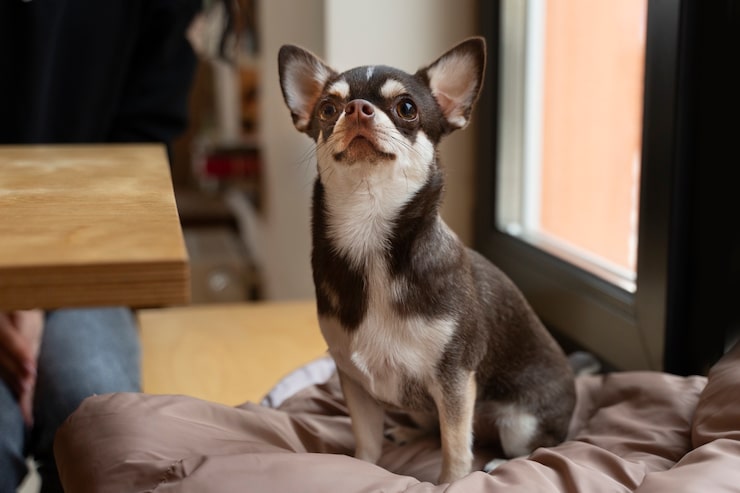
Profile Breakdown: The Chihuahua (The Sovereign of Smallness)
The Chihuahua stands as the undisputed historic king of the true toy dog breeds classification across North America. Tracing their ancient lineage back to the sacred Techichi dogs of early Mexican civilizations, they possess massive personalities.
Bold Temperament Traits and the One-Person Bonding Dynamic
First and foremost, Chihuahuas are globally celebrated for their fiercely loyal, intensely protective, and thoroughly dynamic internal temperaments. They do not view themselves as fragile animals; instead, they operate with the fearless confidence of an apex guardian. Furthermore, they exhibit a strong behavioral tendency to form an exclusive, unwavering bond with one primary human handler. Consequently, they can display sharp territorial alert behaviors when unfamiliar guests approach their chosen person inside the home. Therefore, implementing early social exposure is critical for transforming this breed into one of the best toy dog breeds for apartments.
Apartment Optimization and Compact Exercise Strategies
Because of their tiny physical dimensions, satisfying the daily exercise metrics of a Chihuahua is incredibly straightforward. They can comfortably fulfill their full physical movement quotas simply by following you around standard residential hallway setups. Consequently, they represent an exceptional structural match for busy individuals managing high-density urban apartments with zero backyard access. However, owners must still provide structured mental stimulation through miniature puzzle feeders and indoor scent-tracking games. Keeping their highly active minds busy prevents the development of persistent, high-pitched alert barking habits over time.
Lifespan Longevity and Core Genetic Health Screening Protocols
Chihuahuas boast an extraordinary lifespan that routinely spans between fifteen and twenty exceptional years under optimal parental management. However, their long life journey can be impacted by specific hereditary orthopedic conditions like medial patellar luxation. This structural defect occurs when the tiny kneecap slips out of its primary anatomical groove during physical movement. Consequently, buyers must demand verified clearance certificates from certified veterinary orthopedic registries before choosing a new puppy. Proactively tracking these structural health metrics ensures your tiny companion maintains smooth, pain-free mobility throughout their senior years.
Profile Breakdown: Pomeranian (The Vibrant Powder Puff)
The Pomeranian is an unmistakable global icon of pure charisma, luxurious double coats, and historical European royal heritage. Originally descended from massive Arctic sledding animals, these small toy dog breeds pack incredible energy into a tiny framework.
Vivacious Behavioral Dynamics and Multi-Pet Integration
First and foremost, Pomeranians possess an exceptionally vivacious, highly extroverted, and thoroughly inquisitive household temperament. They approach every single daily event with an unmistakable curiosity, making them incredibly entertaining domestic companions. Furthermore, their confident social nature allows them to integrate smoothly into households featuring alternative small companion dogs. Consequently, they thrive inside active environments where they receive continuous attention and praise from family members. Therefore, they consistently rank near the top of any consumer search for the best toy dog breeds.
Master-Class Double Coat Care and De-Matting Regimens
However, maintaining the spectacular, cloud-like double coat of a Pomeranian represents an intensive, uncompromising domestic commitment. Their dense, soft undercoat combined with a long, harsh outer coat traps outdoor debris and loose hair continuously. Consequently, owners must execute full line-brushing procedures down to the bare skin at least three times every week. Additionally, investing in high-grade professional slicker brushes and specialized anti-static detangling sprays is an absolute structural necessity. Neglecting this rigorous coat maintenance routine results in severe, painful mats that require full shaving at the clinic.
Addressing Tracheal Collapse and Alopecia X Vulnerabilities
Pomeranians maintain a robust average life expectancy sitting comfortably between twelve and sixteen years under structured care. However, their unique physical lineage introduces a higher risk for developing specialized skin disorders known as Alopecia X. This aesthetic condition causes gradual, symmetric coat loss across the torso, requiring advanced dermatological management and dietary adjustments. Furthermore, their tiny throat structures demand absolute protection from heavy leash tension to prevent chronic tracheal collapse. Utilizing a secure chest harness ensures your vibrant companion breathes freely during high-energy outdoor play sessions.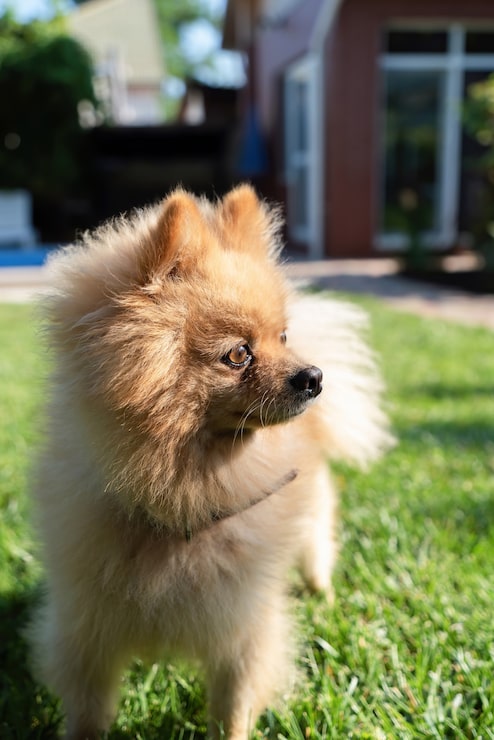
Profile Breakdown: Yorkshire Terrier (The Regal Guardian)
The Yorkshire Terrier, affectionately known as the “Yorkie,” perfectly blends aristocratic elegance with the tenacious grit of a true working hunter. Developed inside northern English industrial towns to clear textile mills of rodents, they are exceptionally brave toy dogs.
High-Mettle Temperament Scales and Advanced Household Training
First and foremost, the modern Yorkshire Terrier possesses an incredibly high-mettle, fiercely independent, and thoroughly confident temperament. They are not content functioning merely as passive lap dog breeds; they crave active environmental interaction. Furthermore, their sharp terrier instincts mean they maintain a high prey drive toward smaller household pocket pets like hamsters. Consequently, owners must implement consistent, reward-based obedience training early to curb unnecessary territorial defense behaviors. Therefore, they represent an exceptional, highly protective option for individuals seeking toy dog breeds for first time owners.
Premium Coat Sourcing and Practical Single-Coat Maintenance
The stunning, steel-blue and tan coat of a purebred Yorkshire Terrier features a single-layer structure composed of fine human-like hair. Because they lack a dense, fuzzy undercoat, they are widely celebrated as premier toy dog breeds that dont shed. Consequently, they are an exceptional match for families managing mild canine allergen sensitivities inside the household. However, if you choose to maintain a full, show-length coat, daily meticulous combing sessions are completely mandatory. Alternatively, many busy owners utilize a practical “puppy cut” from local salons to simplify ongoing domestic management.
Dental Overcrowding Hazards and Preventative Hygiene Metrics
Yorkshire Terriers enjoy a fantastic average lifespan spanning between thirteen and sixteen years when managed correctly. However, their highly compact jaw structures frequently cause severe dental crowding issues as their permanent adult teeth emerge. Food particles accumulate inside these tight structural gaps rapidly, accelerating the onset of aggressive periodontal disease. Consequently, establishing a daily preventative teeth-brushing routine using specialized canine enzymatic toothpaste is absolutely critical. Scheduling annual professional veterinary dental cleanings protects your Yorkie from premature tooth loss and associated systemic infections.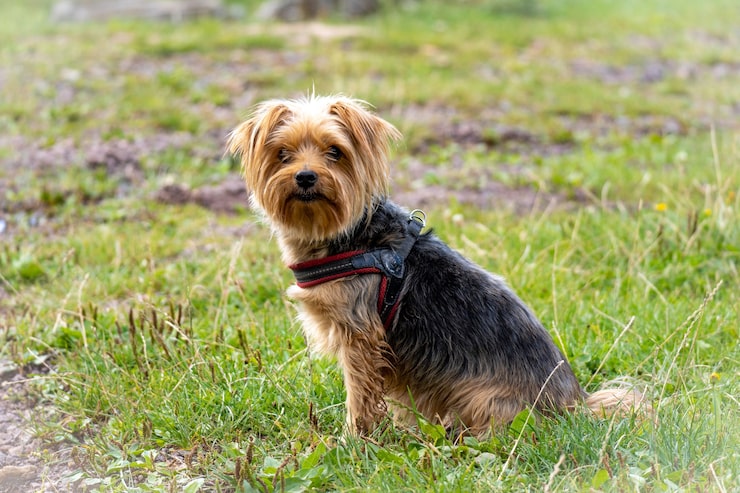
Profile Breakdown: Shih Tzu (The Ancient Lion Dog)
The Shih Tzu features a proud, ancient history tracing directly back to the elite imperial palaces of the Chinese Ming Dynasty. Specifically bred to function as cherished, highly comforting companion dogs, they possess a thoroughly refined approach to domestic life.
Affectionate Temperament Frameworks and True Lap Dog Adaptability
First and foremost, the Shih Tzu operates with a remarkably affectionate, calm, and thoroughly sweet-tempered internal disposition. They lack the high-strung hunting drives found in terrier groups, making them exceptionally peaceful household companions. Furthermore, their innate desire for human physical closeness makes them the absolute epitome of classic lap dog breeds. Consequently, they are highly content spending the vast majority of the day relaxing next to you on a bed. Therefore, they represent an ideal option for retirees or busy remote workers searching for a low-stress pet.
Navigating Brachycephalic Airway Risks and Summer Heat Protocols
However, the distinctive short, flat facial structure of a Shih Tzu introduces specific brachycephalic health liabilities. Their shortened respiratory tracts make efficient internal cooling incredibly difficult for the animal during high-humidity seasons. Consequently, leaving a Shih Tzu inside an uncooled property during peak July afternoons can trigger rapid heat exhaustion. Owners must provide continuous indoor air conditioning and fresh, ice-chilled water supplies throughout the entire summer cycle. Furthermore, their large, prominent eyes require daily visual inspections to catch scratch injuries or chronic dry-eye conditions early.
Comprehensive Dietary Planning and Lifespan Benchmarks
A properly managed Shih Tzu boasts an impressive average life expectancy ranging between ten and sixteen years. Because they are a low-energy breed, matching their caloric intake to their actual physical movement levels is essential. Allowing a Shih Tzu to develop clinical obesity puts immense structural stress on their elongated spinal columns. Consequently, utilizing precise measuring cups and avoiding excessive high-fat commercial table treats is a vital requirement. Tracking these dietary metrics carefully ensures your ancient companion maintains exceptional physical vitality across their senior years.
Profile Breakdown: Maltese (The Gentle Aristocrat)
The Maltese dog stands as one of the oldest recorded European companion dogs, celebrated for thousands of years across Mediterranean cultures. Featuring a striking, pure-white silken coat, these elegant animals look truly aristocratic.
Serene Temperament Profiles and True Family Devotion
First and foremost, Maltese dogs possess an incredibly serene, deeply gentle, and thoroughly responsive household temperament. They respond with immense sensitivity to the emotional tone of their human handlers, making them elite emotional support companions. Furthermore, their bright, intelligent natures allow them to master advanced trick training routines with absolute ease. Consequently, they form deep, multidimensional bonds with all family members, creating a highly cohesive home dynamic. Therefore, they remain a premier recommendation for families researching top-tier small companion dogs.
Managing Tear Staining and White Coat Maintenance Metrics
The pure-white, single-layer coat of a Maltese grows continuously and requires consistent structural management to prevent discolored staining. Moisture from the eyes reacts with local facial bacteria, creating dark reddish-brown tear stains along the muzzle. Consequently, owners must manually wipe the ocular area daily using specialized, vet-approved topical cleansing solutions. Furthermore, regular baths using premium whitening shampoos are necessary to maintain their pristine look. If you prefer a low-maintenance lifestyle, maintaining a short utility clip reduces grooming times significantly.
Structural Integrity and Advanced Genetic Deafness Screenings
Maltese dogs enjoy a wonderful average lifespan spanning between twelve and fifteen years under attentive care. While they are a generally robust breed, their line can carry genetic predispositions toward hereditary liver shunts. This metabolic defect bypasses normal blood filtration pathways, allowing dangerous toxins to accumulate inside the animal’s bloodstream. Consequently, purchasing your puppy exclusively from ethical breeders who perform comprehensive bile acid testing is critical. Securing these diagnostic clearances ensures your elegant companion enters your home with a clean bill of health.
Profile Breakdown: Toy Poodle (The Brainy Beauty)
The Toy Poodle represents the absolute pinnacle of canine intelligence, structural symmetry, and athletic adaptability in a micro package. Despite their highly stylized modern appearances, they retain the robust working DNA of historical European water retrieval dogs.
Unparalleled Intellectual Capacity and Training Velocity
First and foremost, the Toy Poodle possesses an astonishingly high level of cognitive intellect and rapid learning velocity. They do not view themselves merely as passive lap decorations; they require consistent mental problem-solving activities. For example, a Toy Poodle can easily master complex multi-step commands and advanced housebreaking protocols within days. Consequently, they consistently rank as the single best choice for owners who prioritize high trainability and behavioral obedience. Therefore, they represent a highly successful option when introducing toy dog breeds for first time owners.
The Hypoallergenic Coat Blueprint and Salon Requirements
Toy Poodles feature a highly unique, single-layer coat composed of dense, low-dander curls that trap shedding hair internally. Because these loose fibers stay caught inside the curls rather than dropping onto floors, they are premium toy dog breeds that dont shed. Consequently, they are widely recognized as the gold standard for households managing severe airborne pet allergies. However, this dense curly structure will form massive, painful mats quickly if left without consistent attention. Owners must commit to a professional salon clipping appointment every four to six weeks without exception.
Patellar Health Management and Lifetime Operational Expenses
A healthy Toy Poodle maintains a fantastic life expectancy averaging between twelve and eighteen exceptional years. Because of their active, bouncy jumping habits, maintaining optimal joint health is a primary parental obligation. Owners should actively avoid encouraging high vertical jumps down from tall surfaces onto hard hardwood floors. Furthermore, adding premium joint supplements rich in glucosamine and chondroitin to their daily diet supports long-term cartilage integrity. Investing in these preventative measures protects your highly intelligent companion from facing restricted mobility during their senior years.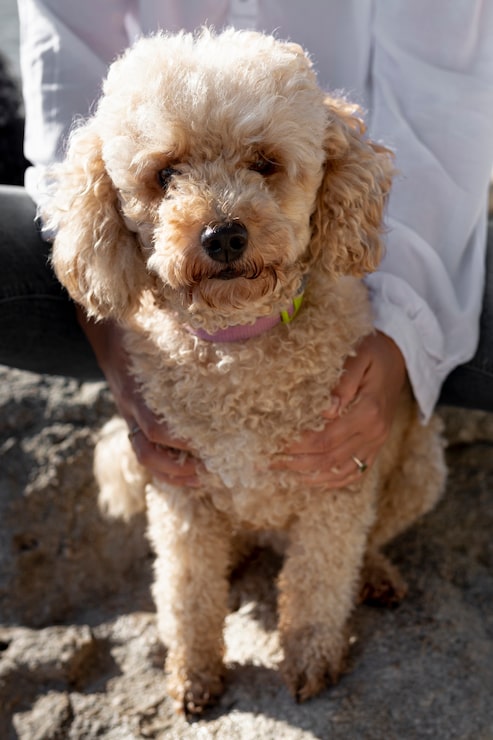
Profile Breakdown: Cavalier King Charles Spaniel (The Ultimate Comforter)
The Cavalier King Charles Spaniel beautifully bridges the historical gap between classic field spaniels and royal lap dog breeds. Originally designed to keep British monarchs warm in drafty stone palaces, they possess an incredibly soothing essence.
Docile Temperament Dynamics and Social Empathy Scales
First and foremost, the Cavalier King Charles Spaniel features an exceptionally docile, endlessly patient, and deeply empathetic disposition. They possess a remarkable ability to sense human emotional shifts, matching their energy level to your exact mood. Furthermore, they display zero inherent terrier-like stubbornness, making their house training routine an incredibly smooth process. Consequently, they integrate flawlessly into diverse households containing small children or alternative senior pets. Therefore, they are universally recognized as one of the best toy dog breeds across North America today.
Silky Coat Grooming Frameworks and Seasonal Shedding Controls
The rich, silky coat of a Cavalier features beautiful feathering along the ears, chest, legs, and tail structures. Unlike Poodles, they possess a double-layered coat that undergoes moderate seasonal shedding changes twice every year. Consequently, weekly thorough brushing sessions using high-quality wire pin brushes are required to keep the feathering clean. Owners must pay special attention to the fine fur behind the ears, which traps outdoor burs easily. Fortunately, their natural coat requires zero complex trimming or expensive shaving procedures to look its absolute best.
Addressing Complex Cardiac Health and Mitral Valve Screenings
Cavaliers maintain a standard average life expectancy sitting between nine and fourteen years under optimal medical supervision. However, the breed faces a significant, well-documented genetic risk for developing Mitral Valve Disease as they mature. This chronic cardiac condition requires early, consistent diagnostic monitoring through annual veterinary heart auscultations and regular ultrasounds. Consequently, sourcing puppies exclusively from preservation breeders who provide clear cardiology clearance charts is completely mandatory. Prioritizing these advanced medical checks ensures your affectionate companion enjoys a vibrant, well-protected life.
Financial Matrix: Analyzing Annual Ownership Costs for Toy Breeds
Operating an exceptional household for small toy dog breeds requires a transparent understanding of long-term financial commitments. While these compact animals consume small physical amounts of food, their specialized care vectors introduce specific premium costs. Evaluating these baseline economic line items ensures you maintain total control over your monthly accounts.
Expense Category | Standard Annual Cost (USD) | Premium Custom Tier (USD) | Budgetary Impact Level |
Ultra-Dense Premium Kibble | $350 | $600 | Low Baseline |
Professional Salon Grooming | $450 | $900 | Medium Consistent |
Specialized Veterinary Checkups | $400 | $1,200 | High Variable |
Comprehensive Pet Insurance | $500 | $1,100 | High Fixed |
Custom Micro Equipment & Harnesses | $150 | $400 | Low Upfront |
Preparing for Upfront Security Deposit Requirements
Furthermore, renters living inside modern urban apartment complexes must budget for mandatory, non-refundable pet administrative fees. While toy dog breeds for apartments reduce spatial constraints, landlords frequently demand specialized pet damage deposits. These upfront layout fees typically range between two hundred and five hundred dollars depending on your specific state legislation. Therefore, keeping these explicit housing costs positioned inside your primary savings account prevents sudden moving-day tension.
Navigating Premium Specialist Veterinary Tiers
Additionally, remember that emergency clinical care for toy dogs demands specialized micro-surgical instrumentation. Standard veterinary clinics occasionally refer complex fractures or delicate tracheal procedures to advanced regional surgical centers. These elite specialist consultations carry substantial pricing premiums that can stress unsecured family banking accounts. Consequently, maintaining a top-tier pet insurance policy with a low deductible is an absolute prerequisite for peace of mind.
Technical Training Insights: Overcoming Small Dog Syndrome
Small Dog Syndrome represents a complex, completely human-induced behavioral pattern that frequently ruins the temperament of toy breed dogs. This dynamic occurs when owners treat minor behavioral infractions as cute or harmless due to the animal’s tiny size.
Eradicating Proclivities for Persistent Territorial Growling
When a ninety-pound German Shepherd growls aggressively at the front door, the owner intervenes with immediate corrective training. However, when a five-pound Chihuahua exhibits identical behavior, humans frequently laugh or comfort the animal. Consequently, the tiny dog receives positive reinforcement for displaying defensive territorial aggression across the property. Over time, this lack of boundary enforcement turns small toy dogs into highly stressed, anxious boundary guardians. Therefore, you must hold your miniature companion to the exact same behavioral standards as a giant working breed.
Implementing Independent Sleeping and Crate Protocols
Furthermore, over-protecting your tiny companion can trigger severe, destructive separation anxiety issues when you leave the home. To prevent this behavioral failure, establish an independent sleeping routine inside a secure, properly insulated crate early. Avoid carrying your lap dog breeds in your arms continuously during standard outdoor public outings. Allowing them to walk on their own paws builds exceptional environmental confidence and psychological self-reliance. As a result, your animal transforms into a beautifully balanced, socially stable companion capable of navigating busy urban environments smoothly.
Legal & HOA Frameworks: Navigating Breed-Neutral Policies
The legal landscape surrounding pet ownership inside the United States is shifting rapidly toward progressive, breed-neutral frameworks. However, private Homeowners Associations (HOAs) and local condominium boards still maintain substantial authority over residential properties.
Documenting Official Weight Verification Records
Many private housing complexes enforce strict, unyielding weight caps that typically sit at twenty-five total pounds. Because all options on our comprehensive toy dog breeds list sit well below this threshold, compliance is incredibly easy. However, you must still present official, vet-stamped weight verification certificates to your building management team annually. Keeping these documents updated prevents administrative fines and ensures your standing inside the residential community stays secure.
Securing Canine Good Citizen (CGC) Certifications
To maximize your legal safety when renting premium urban spaces, earn a formal AKC Canine Good Citizen certificate. This verified training credential proves to insurance providers and landlords that your tiny companion is thoroughly trained. Many top-tier national insurance companies will waive minor premium adjustments if you provide documentation of a passing CGC status. Investing a few weekends into this official training system delivers immense long-term legal protection for your household.
Summary: Designing the Perfect Blueprint for Toy Breed Companionship
In conclusion, selecting an option from our premium toy dog breeds list requires balancing your lifestyle with the animal’s biology. Whether you choose the incredible intellect of a Toy Poodle, the calm devotion of a Shih Tzu, or the brave spirit of a Yorkie, preparation is your single biggest tool for success. By understanding exact metabolic limits, enforcing strict training boundaries early, and sourcing from certified breeders, you set your household up for a beautiful journey. Plan your budget meticulously, protect your micro pet’s physical safety, and fully enjoy the incredible experience of miniature canine companionship this year!
