


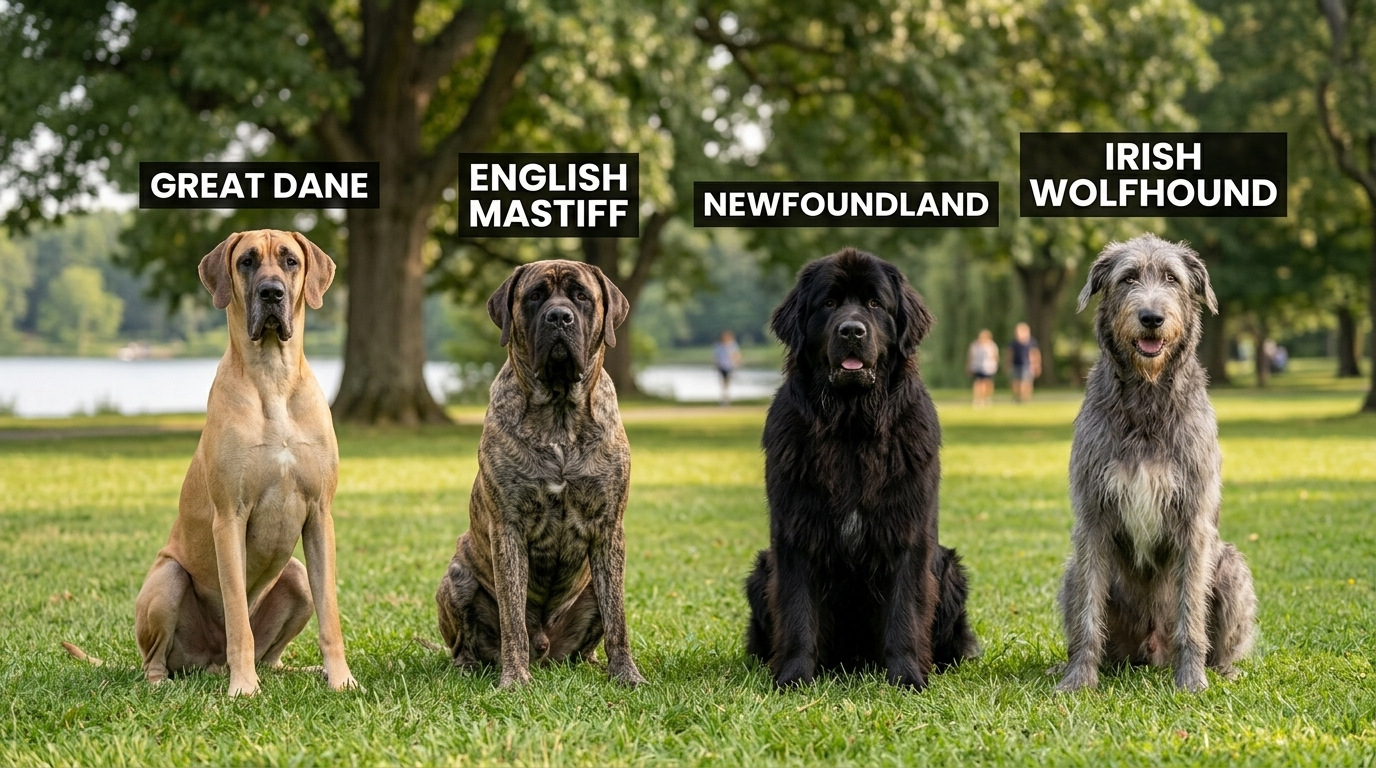
Introduction: The Reality of Owning a Giant Dog Breed
Welcoming a giant dog breed into your American household is a truly monumental decision. These magnificent animals offer unparalleled loyalty, gentle companionship, and a commanding presence in any neighborhood. However, managing a canine that weighs over one hundred pounds requires significant lifestyle adjustments. This complete guide provides a comprehensive framework for prospective and current US owners this year.
The True Definition of a Giant Canine Breed
First and foremost, the canine community classifies dogs weighing over ninety pounds as giant breeds. Many of these historical working dogs easily surpass the weight of an average human adult. Consequently, physical management requires deliberate structural training and confidence from the handler. Furthermore, their skeletal growth patterns differ vastly from standard medium-sized family dogs. Therefore, owners must understand their unique developmental timelines right from the very beginning.
Why Americans Love Massive Working Dogs
On the other hand, the emotional reward of owning a giant breed is incredibly profound. These dogs are affectionately known as gentle giants due to their calm demeanor. For instance, well-socialized Great Danes and Mastiffs often display remarkable patience with young children. Additionally, their natural size provides a highly effective visual deterrent against property trespassers. As a result, they function as both loving family members and excellent home guardians. Let us examine the most popular giant breeds in the US today.
Top Giant Dog Breeds in the United States: AKC Standard Profiles
The American Kennel Club recognizes several massive breeds, each possessing distinct behavioral traits and exercise needs. Choosing the right breed depends heavily on your household activity levels and personal space availability. Analyzing these profiles ensures a successful long-term match for your family lifestyle.
1. The Great Dane: The Apollo of Dogs
Great Danes consistently rank as one of the most popular giant breeds across America. Despite their towering height, these elegant dogs are remarkably well-suited for indoor family living setups.
Temperament Dynamics and Sociability
Furthermore, Great Danes typically exhibit an incredibly sweet, affectionate, and sensitive emotional nature. They form deep emotional bonds with their human handlers and prefer staying close to family activities. Additionally, they tend to be highly welcoming toward friendly neighborhood visitors and other domestic pets. Consequently, they adapt beautifully to suburban neighborhood life when socialized during puppyhood.
Managing the Towering Vertical Height
However, their extreme vertical height presents unique domestic challenges for standard households. For example, an adult Great Dane can effortlessly clear food items off kitchen counters without jumping. Therefore, counter-surfing prevention must be a core focus of your early training sessions. As a result, you preserve your family dinners and keep hazardous human foods out of reach.
2. The English Mastiff: Absolute Physical Power
If you prefer a heavier, more muscular canine companion, the English Mastiff represents the ultimate option. These ancient guardian dogs possess immense physical strength combined with a deeply peaceful soul.
Natural Protective Instincts and Guarding Profiles
Consequently, Mastiffs are naturally inclined to protect their immediate family members from perceived external threats. They rarely bark excessively, preferring to use their massive bodies to block intruders physically. Furthermore, they are incredibly gentle and protective when interacting with younger family members. Therefore, they represent an exceptional guardian choice for rural properties or detached suburban homes.
Handling the Famous Drool Factor
Conversely, prospective Mastiff owners must prepare themselves for significant amounts of daily drool. These dogs possess deep, loose jowls that collect saliva continuously throughout the afternoon. For instance, a quick shake of their massive head can send drool across living room walls. Consequently, keeping microfiber cloths handy in every room is a mandatory reality for Mastiff ownership.
3. The Newfoundland: The Gentle Lifesaver
Newfoundlands are world-renowned for their incredible swimming abilities, thick water-resistant coats, and sweet expressions. They were originally bred to assist Canadian fishermen with heavy maritime rescue operations.
Exceptional Child Patience and Nanny Dog Reputation
First and foremost, the breed has earned a legendary reputation for its remarkable patience around young toddlers. Many owners refer to them as natural nanny dogs due to their structural protective instincts. Additionally, they are highly intelligent and respond beautifully to positive reinforcement training techniques. Consequently, they excel in active households that enjoy frequent outdoor adventures and lakeside trips.
Managing the Intensive Double Coat Grooming Schedule
However, maintaining a healthy Newfoundland coat requires hours of deliberate physical grooming every week. These dogs shed their thick undercoats heavily during the spring and autumn seasons across the US. Therefore, investing in commercial-grade de-shedding tools and high-velocity blasters is an absolute necessity. As a result, you prevent painful matting and keep your household floors relatively free of canine hair.
Dietary Planning: Nutritional Science for Rapid Growth Phases
Feeding a giant breed puppy requires precise scientific management to prevent severe skeletal deformities. Because these dogs grow at an incredibly rapid rate, standard commercial dog foods are highly dangerous.
The Danger of Accelerated Skeletal Growth
Giant breed puppies can gain up to five pounds of body mass every single week. Consequently, feeding them excessive calories or improper calcium ratios causes their bones to grow too fast. This accelerated growth frequently leads to debilitating conditions like Hip Dysplasia and Elbow Dysplasia later in life. Therefore, utilizing specialized large or giant breed puppy formulations is a strict requirement for safety.
Understanding the Correct Calcium to Phosphorus Ratios
Specialized giant breed puppy foods feature carefully restricted percentages of calcium and phosphorus. These precise mineral balances ensure that skeletal structures calcify at a safe, controlled speed. Furthermore, you must avoid introducing random joint supplements containing high calcium doses without professional approval. As a result, you protect your growing puppy from lifelong structural joint issues and painful arthritic changes.
Implementing Life-Saving Anti-Bloat Feeding Protocols
Additionally, giant breeds are highly susceptible to Gastric Dilation-Volvulus, commonly known as deadly canine Bloat. This terrifying condition occurs when the stomach fills with gas and twists on its internal axis. To minimize this risk, always divide your adult dog’s daily food allocation into multiple smaller meals. Furthermore, enforce a strict one-hour rest period before and after eating to prevent dangerous gas accumulation.
Veterinary Medicine: Navigating Healthcare Expenses and Lifespans
Prospective owners must confront the biological reality that giant canine breeds possess significantly shorter lifespans. While a small terrier can easily live for fifteen years, giant dogs average around eight to ten years.
Budgeting for Massive Prescription Dosages
First and foremost, medical costs for giant dogs scale directly with their physical body weight. For instance, a simple course of antibiotics requires five times the dosage level of a standard beagle. Consequently, basic veterinary procedures, routine surgeries, and flea preventatives are exceptionally expensive across America. Therefore, securing a comprehensive premium pet insurance policy during puppyhood is highly critical for financial security.
Recognizing the Onset of Early Senior Arthritis
Because these dogs carry immense physical weight, their joints experience substantial mechanical wear and tear. Consequently, many giant breeds show signs of structural mobility decline by their sixth year of life. Watch closely for subtle behavioral changes, such as hesitating before climbing household staircases or rising slowly. Introducing veterinary-approved glucosamine, chondroitin, and omega-3 fatty acids early can extend their pain-free years significantly.
Evaluating Preventive Gastropexy Surgery
To protect your pet from the constant threat of lethal Bloat, discuss preventive surgeries with your veterinarian. A procedure called a prophylactic gastropexy surgically tacks the dog’s stomach wall to the abdominal side. Consequently, even if the stomach fills with gas, it cannot physically twist and cut off blood flow. Many owners choose to perform this life-saving surgery simultaneously during the routine spay or neuter procedure.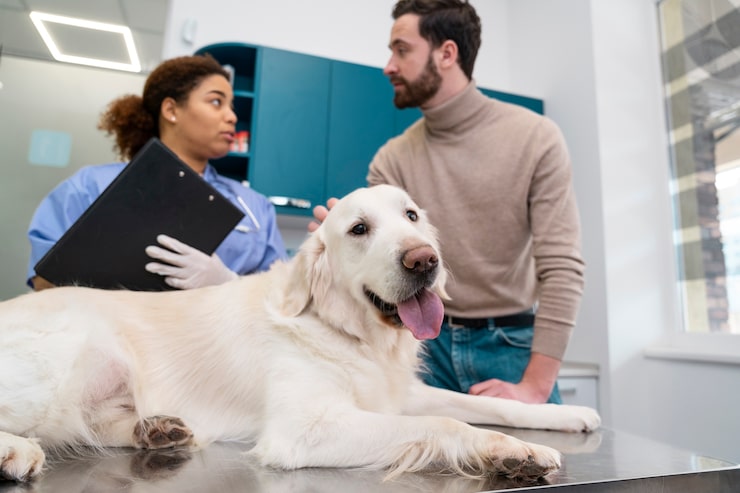
Domestic Engineering: Adapting Your Home for a Hundred-Pound Dog
Living harmoniously with a massive canine requires specific modifications to your physical property and indoor layout. Standard pet gates and small dog beds are completely useless when dealing with giant animals.
Upgrading to Orthopedic Support Mattresses
First, giant dogs should never sleep continuously on hard kitchen tiles or thin fabric mats. Their heavy pressure points can quickly develop painful, unsightly calluses and fluid-filled hygromas on their elbows. Therefore, investing in premium, multi-layered orthopedic memory foam beds is an absolute structural necessity for joint health. As a result, you distribute their body weight evenly and prevent chronic morning stiffness.
Securing the Perimeter with Heavy-Duty Fencing
Furthermore, standard four-foot residential garden fences are rarely sufficient for containing curious giant dog breeds. For example, an athletic Irish Wolfhound can easily vault over low obstacles if they spot a squirrel. Consequently, installing a professional six-foot solid wood or vinyl privacy fence is highly advised for safety. Therefore, you eliminate the risk of accidental escapes and protect your local neighborhood community safely.
Tailoring Your Vehicle Strategy for Safe Transport
Additionally, moving a hundred and fifty-pound animal to the veterinary clinic requires deliberate automotive planning. Small sedan vehicles simply do not possess the interior cabin space required to transport these dogs comfortably. Consequently, giant breed ownership frequently necessitates upgrading to large SUVs or spacious station wagons. Furthermore, utilizing specialized pet ramps avoids forcing senior dogs to jump down onto hard asphalt roads.
Essential Training Protocols: Mastering Loose-Leash Control
An untrained giant dog is a severe physical liability that can easily pull an adult handler onto the ground. Training must begin the exact day your puppy arrives home, well before they cross the fifty-pound threshold.
The Foundation of Positive Reinforcement Obedience
First, never attempt to use physical dominance or harsh correction collars on a growing giant breed puppy. These traditional methods damage the handler bond and can trigger dangerous defensive aggression as the dog matures. Instead, utilize reward-based positive reinforcement techniques using high-value training treats and clear marker words. Consequently, your dog learns to cooperate willingly because they enjoy the mental stimulation and rewards.
Achieving Perfect Loose-Leash Walking Behaviors
Walking a massive adult canine through a busy public park requires absolute control over their movement. Therefore, teaching your puppy to walk politely by your side without pulling is a critical safety milestone. Use a front-clip harness configuration to redirect their physical forward momentum gently if they begin to forge ahead. As a result, walking your dog remains an enjoyable, stress-free activity rather than a physical struggle.
Cultivating Intensive Socialization Frameworks
Furthermore, exposing your puppy to diverse human demographics, loud city noises, and novel environments is vital. Giant dogs must grow up feeling completely relaxed and unbothered by sudden changes in their surroundings. For instance, take your young puppy to pet-friendly hardware stores and local outdoor cafes frequently. Consequently, you prevent the development of fear-based reactivity, which is incredibly dangerous in a massive dog.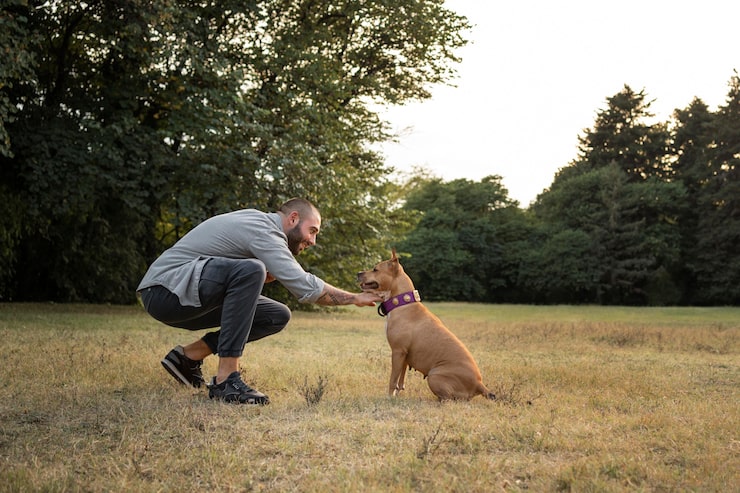
Grooming Realities: Managing Heavy Shedding and Nail Trimming
Maintaining the hygiene of a massive animal requires specialized equipment and physical stamina from the owner. Neglecting routine grooming tasks can quickly lead to painful infections and structural mobility problems.
The Technical Challenge of Giant Nail Maintenance
Trimming the claws of a giant dog breed is a highly critical task that many owners accidentally avoid. When nails grow too long, they alter the natural alignment of the canine foot structure over time. Consequently, this changes the mechanical angle of their leg joints, accelerating the painful onset of arthritis. Utilize heavy-duty steel clippers or professional rotary grinders to keep their nails short and silent on hardwood floors.
Establishing a Coordinated Bathing Strategy
Bathing a hundred-pound animal inside a standard residential bathtub can cause immense domestic chaos and mess. Therefore, many US owners prefer utilizing specialized self-service dog wash stations at local pet supply stores. These professional facilities feature elevated steel tubs, secure safety restraints, and professional high-velocity blow dryers. Consequently, you can clean your massive pet thoroughly without destroying your home bathroom walls.
Preventing Chronic Ear Infections in Drooping Breeds
Additionally, many giant breeds like Bloodhounds and Mastiffs possess long, heavy ear flaps that trap moisture. This dark, warm internal environment is perfect for the rapid colonization of yeast and harmful bacteria. To prevent this, implement a strict weekly ear cleaning routine using veterinary-approved drying solutions. Wipe the internal folds gently using soft cotton pads, avoiding inserting cotton swabs deep into the delicate canal.
Financial Commitment Analysis: Calculating the Annual Lifetime Costs
Owning a giant dog breed represents a major long-term financial obligation that can strain middle-class household budgets. Before committing to a puppy, you must evaluate the ongoing cumulative expenses realistically.
Breaking Down the Massive Monthly Food Expenses
First and foremost, premium commercial dog food will constitute the largest ongoing monthly expense for your household. An adult giant breed can easily consume between sixty to eighty pounds of dry kibble every single month. Consequently, feeding a single massive dog can cost between one hundred and fifty to three hundred dollars monthly. Therefore, you must ensure your disposable income can easily absorb these substantial food supply bills.
Factoring in Boarding and Professional Pet Sitting Premiums
Furthermore, traveling for family vacations becomes significantly more complex and expensive when you own a giant breed. Many standard commercial pet boarding kennels do not possess the oversized enclosures required for giant dogs. Consequently, you must often hire specialized in-home pet sitters who charge premium daily rates for massive animals. Tracking these luxury service expenses is vital for accurate annual financial planning.
The Lifetime Accumulation Metrics
When you aggregate high food consumption, premium insurance policies, specialized gear, and veterinary costs, the numbers are eye-opening. The annual upkeep for a healthy giant breed typically ranges between two thousand five hundred and four thousand dollars. Over an eight-year lifespan, the total cost of ownership can easily cross twenty-five thousand dollars. As a result, financial stability is an absolute prerequisite for responsible giant breed ownership.
Legalities and Insurance: Navigating Homeowners Restrictions
American property owners must navigate unique insurance hurdles and local municipal regulations when introducing a giant canine. Failing to research these restrictions beforehand can result in severe legal and financial penalties.
Understanding Homeowners Insurance Breed Exclusion Lists
Many major insurance providers across the United States maintain explicit breed exclusion lists within their policy terms. For instance, some companies refuse to issue liability coverage if a Mastiff or Great Dane resides on the property. Therefore, you must contact your insurance agent to confirm your policy remains valid before bringing a puppy home. Consequently, you protect your household financial assets from catastrophic liability claims.
Navigating Local Municipal Leash and Weight Laws
Additionally, certain urban counties or private Homeowners Associations (HOAs) enforce strict local weight limitations on domestic pets. For example, some condo associations prohibit dogs weighing over fifty pounds from living within the residential complex. Consequently, violating these structural rules can result in ongoing daily fines or forced property eviction. Always review your local bylaws thoroughly to guarantee long-term housing security.
Implementing Proactive Liability Management Steps
To safeguard your family reputation and protect your financial assets, implement proactive management steps from day one. Enroll your growing puppy in structured AKC Canine Good Citizen training programs to document their excellent behavior officially. Furthermore, hamesha leash utilize karein whenever you enter public parks or shared walking trails. Taking these simple steps demonstrates responsible handling and minimizes the risk of accidental neighborhood encounters.
Breed-Specific Health Management: Deep Clinical Screening
Responsible giant breed ownership starts with genetic transparency long before the puppy arrives home from the breeder. Reputable breeders utilize exhaustive health screenings to eliminate inheritable neurological and physical defects.
The Critical Role of OFA Hip Evaluations
First, ensure that the parents of your prospective puppy hold certified clearances from the Orthopedic Foundation for Animals. The OFA grading scales evaluate hip socket depth to predict the likelihood of early onset joint dysplasia. Consequently, choosing puppies from excellent or good-rated parental lines minimizes structural failures as the dog grows. Therefore, demanding these medical records protects you from adopting high-risk animals.
Checking for Inheritable Dilated Cardiomyopathy (DCM)
Furthermore, many massive breeds carry genetic vulnerabilities to critical cardiac structural thinning known as DCM. This condition weakens the heart muscle over time, causing progressive cardiovascular exhaustion and sudden failure. Reputable breeders run routine echocardiograms and DNA marker panels on breeding dogs to screen for cardiac health. As a result, you ensure your future companion starts life with a strong structural foundation.
Evaluating Juvenile Cataracts and Eye Conditions
Additionally, giant canine strains face increased risks of early-onset progressive retinal atrophy and juvenile cataracts. If left untreated, these genetic defects cause rapid vision deterioration and premature blindness during young adulthood. Ensure your breeder provides verified eye clearance certificates issued within the past twelve months. Consequently, you can confirm your puppy’s optical pathways are fully functional and healthy.
Environmental Enrichment: Mental Stimulation Strategies
Giant dogs do not require hours of high-impact physical running to stay content and healthy. In fact, excessive running can severely damage their joints, making mental enrichment a superior method for expending energy.
Implementing Advanced Scent Work Activities
First, giant breeds possess incredibly sensitive olfactory systems that respond beautifully to structured scent tracking games. Hiding high-value dehydrated treats around your living space forces your dog to use their brain to track odors. Consequently, twenty minutes of intense scent hunting exhausts a giant dog more effectively than a long physical walk. Therefore, you can keep your dog calm and satisfied indoors during severe winter weather.
Utilizing Industrial-Grade Stuffable Rubber Toys
Furthermore, traditional plush toys are easily destroyed within seconds by the immense jaw pressure of a Mastiff. Instead, invest in extra-large, black rubber chewing tools specifically formulated for extreme power chewers. Pack these items with healthy peanut butter, mashed pumpkin, and kibble before freezing them solid overnight. As a result, you create long-lasting mental puzzles that keep your dog peacefully occupied for hours.
The Value of Structured Obedience Intermissions
Additionally, insert quick three-minute training sessions randomly throughout your regular afternoon routine. Asking your adult dog to perform rapid transitions between sit, down, and stay commands keeps their mind sharp. This regular psychological engagement prevents the development of destructive chewing behaviors born from absolute domestic boredom. Consequently, your home furniture remains completely safe from accidental canine damage.
Emergency Preparedness: Formulating a Massive Evacuation Blueprint
When natural disasters or home emergencies strike, moving a hundred and fifty-pound animal requires an pre-planned strategy. Standard emergency rescue protocols must be heavily customized to accommodate the extreme scale of a giant breed.
Sourcing Heavy-Duty Transport Slings
First, if your giant dog becomes suddenly immobilized due to injury, you cannot easily lift them single-handedly. Keep a specialized, heavy-duty canine transport stretcher or canvas lifting sling stored in your utility room. Consequently, two adult handlers can safely lift and carry the animal into a vehicle without causing spinal pain. Therefore, you protect both your pet and your own physical safety during acute medical crises.
Identifying Specialized 24/7 Trauma Hospitals
Furthermore, not every local veterinary clinic possesses the specialized equipment required to treat an anesthetized giant dog. Research and identify the nearest 24/7 veterinary trauma center that features oversized surgical suites and high-capacity gurneys. Keep their emergency telephone contact details pinned securely to your refrigerator door for immediate access. As a result, you eliminate panicked navigation delays during life-threatening bloat episodes.
Building a High-Capacity Disaster Supply Kit
Finally, construct a dedicated emergency travel kit packed with a two-week supply of your dog’s specific food. Include extra-large heavy-duty nylon leashes, duplicated medical records, and massive quantities of critical daily prescription medications. Because rescue shelters occasionally face supply shortages, bringing your own specialized gear ensures your pet’s comfort. Maintaining this level of preparation guarantees your family remains completely unified during critical emergency evacuations.
Summary: Embracing the Giant Breed Lifestyle Responsibly
In conclusion, successfully raising a giant dog breed in the United States requires balancing deep family affection with disciplined structural planning. Whether you choose the elegant height of a Great Dane, the guardian presence of an English Mastiff, or the sweet nature of a Newfoundland, preparation remains your ultimate tool for success. By committing to specialized developmental nutrition, investing in premium veterinary insurance, and enforcing early positive obedience training, you ensure your massive companion grows into a safe, well-adjusted family member. Plan your household budget carefully, respect your local community laws, and fully enjoy the unforgettable reward of life with a true gentle giant!
