


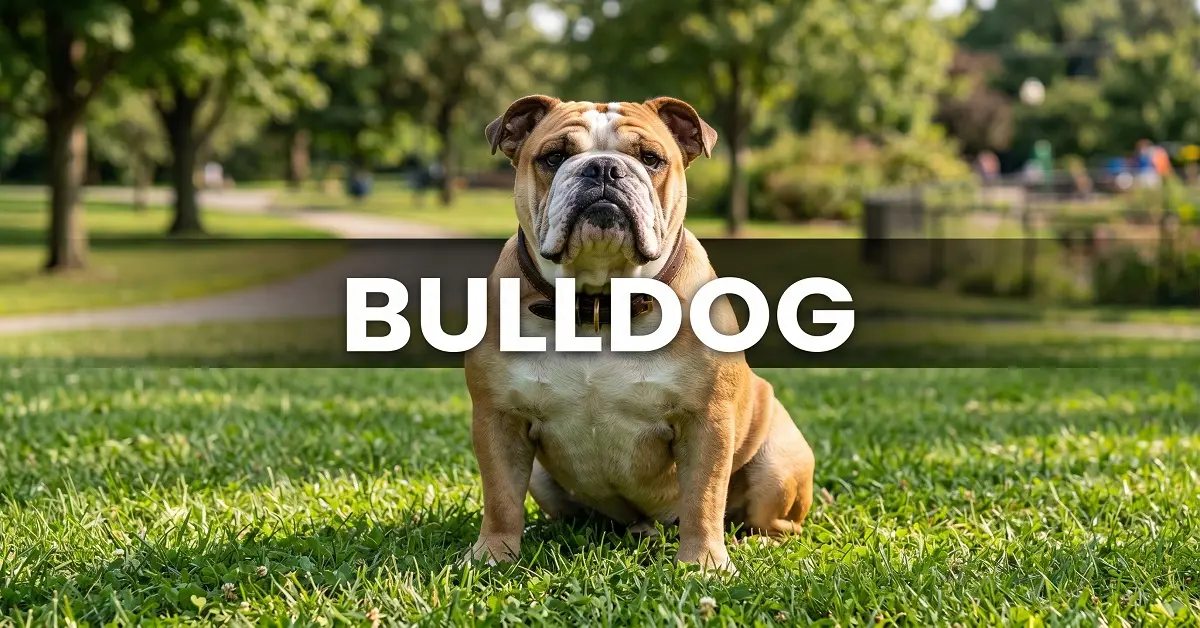
The Bulldog is one of the most popular companion dog breeds in the United States. People love this breed for its wrinkled face, calm personality, and loyal nature. Even though Bulldogs look strong and serious, most are gentle family dogs that enjoy relaxing close to their owners.
Here’s the thing. Bulldogs are very different from high-energy breeds like the Labrador Retriever or Border Collie. They prefer short walks, indoor comfort, and quiet routines. That makes them a great fit for apartments, seniors, and families who want a laid-back dog.
At the same time, Bulldogs come with real challenges. Their flat face can cause breathing problems, heat sensitivity, and expensive vet bills. So, before bringing one home, future owners should fully understand.
The breed’s personality, health needs, grooming routine, and long-term care costs. This complete Bulldog guide covers everything you need to know, including temperament, health problems, grooming, exercise, diet, training, and Bulldog ownership costs in the USA.
Bulldog Breed Overview
| Trait | Details |
| Breed Name | Bulldog |
| Other Names | English Bulldog, British Bulldog |
| Origin | England |
| Breed Group | Non-Sporting Group |
| Height | 14–15 inches |
| Weight | 40–50 pounds |
| Lifespan | 8–10 years |
| Energy Level | Low to Moderate |
| Coat Type | Short and Smooth |
| Temperament | Loyal, Calm, Friendly |
Origin
The Bulldog first came from England. Early Bulldogs were used in bull-baiting, a cruel blood sport that was later banned in 1835. After the ban, breeders slowly developed the modern Bulldog into a calmer and more affectionate companion dog. Today’s Bulldog looks powerful but usually has a gentle and relaxed personality.
Breed Type
The Bulldog belongs to the Non-Sporting Group. This breed was developed primarily for companionship rather than for hunting or working. Bulldogs are also considered brachycephalic dogs because of their short muzzle and flat face.
Average Height and Weight
Most Bulldogs stand around 14 to 15 inches tall and weigh between 40 and 50 pounds. Even though they are short dogs, Bulldogs have a heavy and muscular body.
Lifespan
The average Bulldog lifespan is around 8 to 10 years. Good nutrition, healthy weight control, and regular vet care can help improve their quality of life.
Energy Level
Bulldogs have a low to moderate energy level. They enjoy short walks and indoor play but usually do not enjoy intense exercise. Because of their breathing structure, Bulldogs can overheat quickly during hot weather.
History of the Bulldog
The Bulldog has one of the most unique histories among dog breeds.
Bull-Baiting Roots
Centuries ago, Bulldogs were bred for bull-baiting. Their muscular body, wide jaw, and fearless behavior helped them hold onto large animals. Thankfully, this violent sport ended in the 1800s.
Transition Into a Companion Dog
After bull-baiting was banned, breeders focused on creating a calmer and friendlier Bulldog. Over time, the breed became affectionate, patient, and family-oriented. Today, Bulldogs are known more for cuddling on the couch than aggressive behavior.
Popularity in America
The Bulldog became very popular in America because of its unique appearance and loyal personality. Today, Bulldogs remain one of the most recognized dog breeds in the country.
Bulldog Appearance
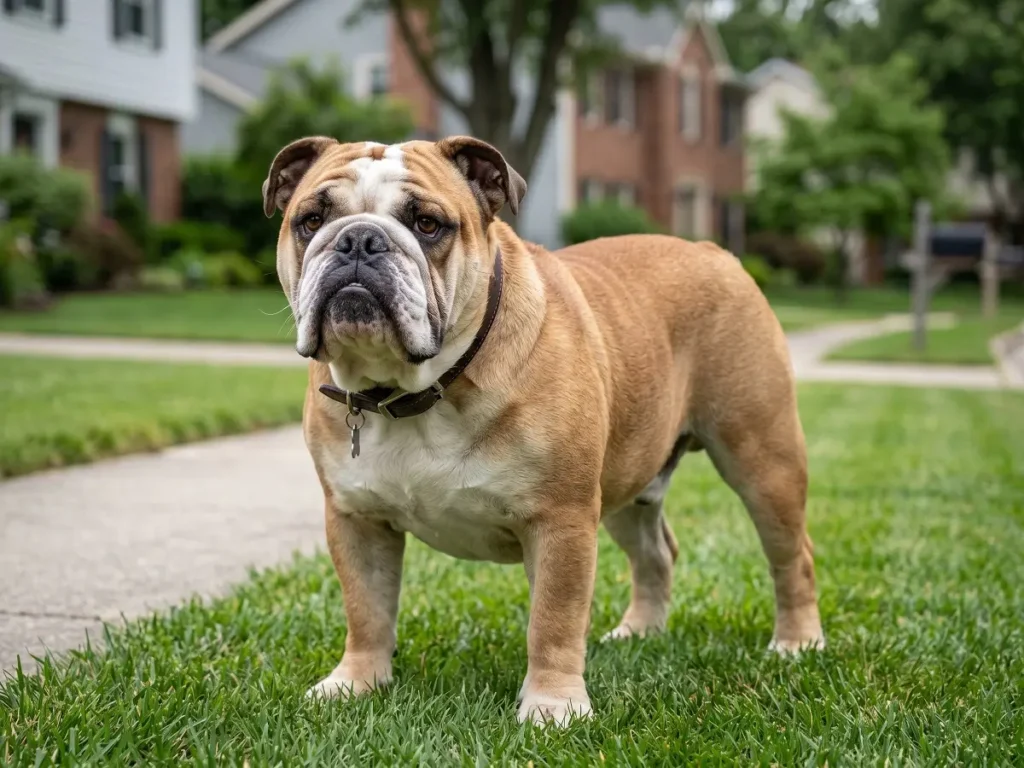
The Bulldog has one of the most recognizable appearances in the dog world.
Head Shape
Bulldogs have a large square-shaped head with a short muzzle and wide jaw. Their flat face gives them their famous expression but also contributes to breathing problems.
Wrinkles
Deep facial wrinkles are one of the Bulldog’s signature features. These wrinkles need regular cleaning because moisture and bacteria can build inside the folds.
Coat Colors
Common Bulldog coat colors include:
- White
- Fawn
- Red
- Brindle
- Piebald
Body Structure
Bulldogs have:
- Broad shoulders
- Thick chest
- Muscular legs
- Heavy bone structure
Their body gives them a slow rolling walk.
Tail Types
Bulldogs may have straight tails or screw tails. Owners should regularly check the tail area for moisture and irritation.
Bulldog Temperament
The Bulldog is calm, affectionate, and deeply loyal to its family.
Personality
Most Bulldogs are:
- Relaxed
- Friendly
- Gentle
- Courageous
- Family-oriented
They enjoy spending time close to their owners and usually prefer indoor comfort over nonstop activity.
Kids
Bulldogs are usually very good with children. Their patient personality makes them a popular family dog.
Other Pets
Most Bulldogs get along well with other pets when socialized early. They can peacefully live with other dogs and even cats.
Strangers
Bulldogs are often calm around strangers. Some may act cautious at first, but most warm up quickly.
Barking Habits
Bulldogs are not heavy barkers. Instead of barking often, many Bulldogs snore, grunt, and snort because of their facial structure.
Stubbornness
Bulldogs can be stubborn during training. Positive reinforcement, patience, and short training sessions usually work best.
Are Bulldogs Good Family Dogs?
Yes, Bulldogs are excellent family dogs for the right household.
They are especially good for:
- Families with kids
- Apartment living
- Seniors
- First-time owners who want a calm dog
Bulldogs do not need large yards or intense exercise. However, owners should still prepare for regular health care and cleaning routines. What this really means is that Bulldogs are emotionally easy dogs but physically high-maintenance dogs.
Bulldog Health Problems
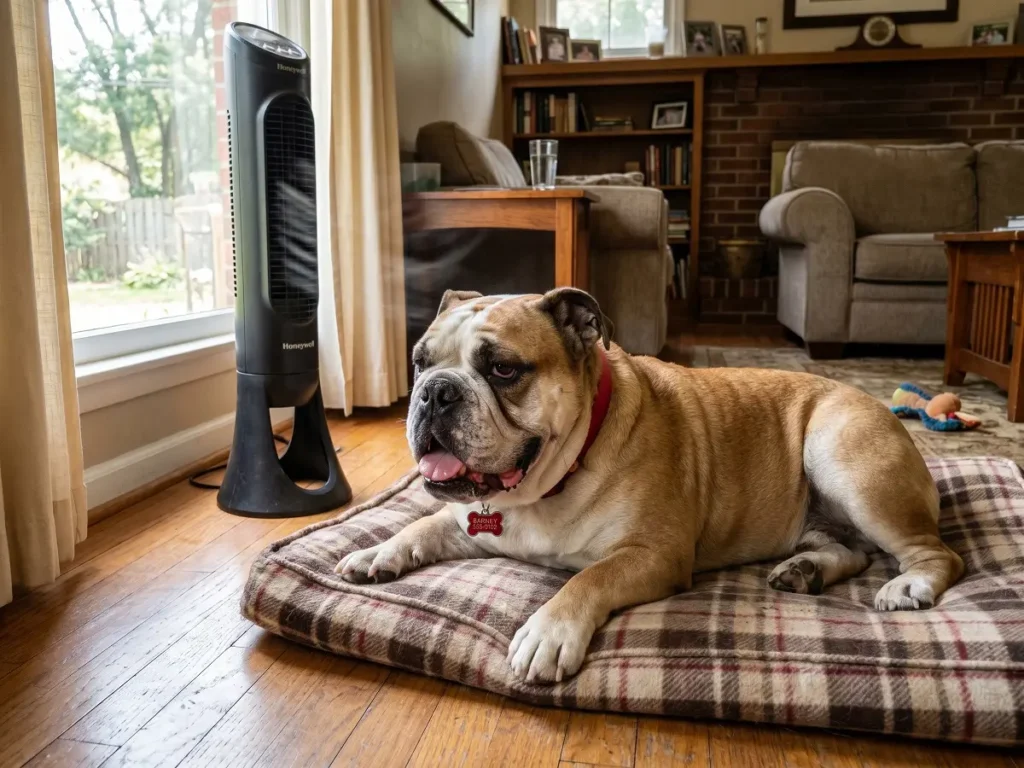
Bulldogs are prone to several health problems because of their body structure.
Breathing Issues
Bulldogs often struggle with breathing because of their flat face and narrow airways.
Many Bulldogs:
- Snore loudly
- Wheeze
- Tire quickly
- Struggle in hot weather
Some may even require breathing surgery.
Heat Sensitivity
Bulldogs overheat very quickly. Owners should avoid long walks during hot weather and always provide cool environments and fresh water.
Skin Infections
Moisture inside skin folds can lead to:
- Redness
- Yeast infections
- Bad odor
- Irritation
Regular wrinkle cleaning helps prevent infections.
Hip Dysplasia
Hip dysplasia is common in Bulldogs because of their heavy body structure.
Signs include:
- Limping
- Stiffness
- Trouble standing
Cherry Eye
Cherry eye appears as a red swelling near the eye. This condition often requires veterinary treatment.
Obesity
Bulldogs gain weight very easily. Extra weight can worsen:
- Breathing problems
- Joint stress
- Heart strain
Lifespan
Most Bulldogs live between 8 and 10 years. Healthy weight management and proper care can help improve overall quality of life.
Bulldog Grooming Needs
Even though Bulldogs have short coats, they still need regular grooming.
Wrinkle Cleaning
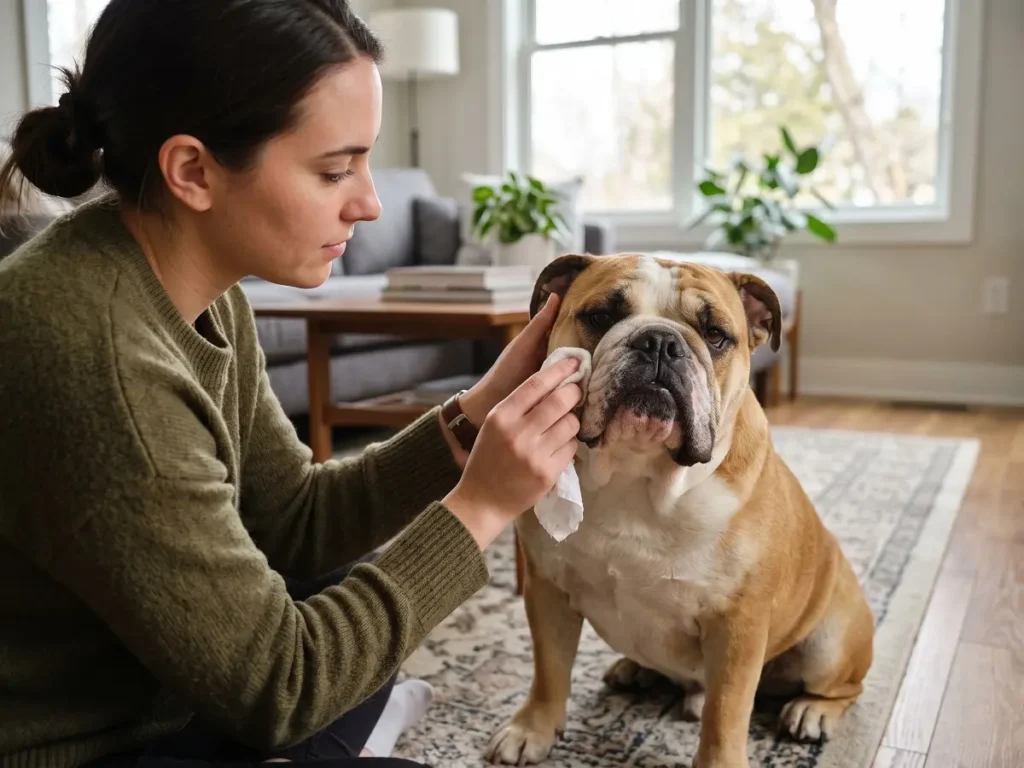
Facial wrinkles should be cleaned several times each week. Moisture trapped inside folds can cause infections.
Shedding
Bulldogs shed moderately year-round. Weekly brushing helps remove loose fur and keeps the coat healthy.
Nail Trimming
Long nails can cause discomfort and affect walking posture. Most Bulldogs need nail trimming every few weeks.
Ear Care
Bulldog ears should be checked regularly for dirt, wax buildup, and infection signs.
Bulldog Exercise Needs
Bulldogs need daily activity, but they do not require intense exercise.
Daily Walks
Most Bulldogs do well with one or two short walks every day. Short walks help with:
- Weight control
- Joint health
- Mental stimulation
Indoor Activity
Bulldogs enjoy indoor games like:
- Tug toys
- Puzzle feeders
- Short fetch sessions
Summer Safety
Hot weather can become dangerous for Bulldogs.
Owners should:
- Walk Bulldogs during cooler hours
- Avoid hot pavement
- Keep water available
- Use air-conditioned spaces
Bulldog Diet and Nutrition
A healthy diet helps Bulldogs maintain proper weight and overall health.
Portion Sizes
Most adult Bulldogs eat two balanced meals daily. Overfeeding can quickly lead to obesity.
Best Food Types
High-quality dog food with balanced protein and healthy fats works best. Many Bulldogs also benefit from foods made for sensitive stomachs.
Allergies
Bulldogs often develop food allergies. Common triggers include:
- Chicken
- Dairy
- Wheat
- Soy
Food allergies may cause itchy skin and ear infections.
Weight Control
Weight control is extremely important for Bulldogs. Healthy weight management can improve breathing and reduce joint stress.
Bulldog Training Tips
Bulldogs are intelligent but stubborn.
Potty Training
Consistency and routine are important during house training. Crate training and reward-based methods usually work well.
Socialization
Bulldog puppies should meet different people, sounds, and environments early in life. Good socialization helps prevent fearfulness later.
Stubborn Behavior
Bulldogs sometimes ignore commands when bored or tired. Owners should stay calm and patient during training.
Positive Reinforcement
Treats, praise, and rewards work much better than punishment. Short training sessions help Bulldogs stay interested.
Bulldog Puppy Growth Stages
Bulldog puppies change a lot during their first year.
8 Weeks
At 8 weeks old, Bulldog puppies are playful and curious.
This is the stage where:
- Potty training begins
- Socialization starts
- Bonding develops
3 Months
At 3 months, puppies become more confident and active. Teething and basic obedience training usually begin during this stage.
6 Months
At 6 months, Bulldogs become stronger and heavier. Owners should monitor weight carefully during adolescence.
Adult Stage
Most Bulldogs reach adulthood between 12 and 18 months. Adult Bulldogs are calmer and more relaxed than puppies.
Bulldog Pros and Cons
| Bulldog Pros | Bulldog Cons |
| Loyal and affectionate | Expensive vet care |
| Good with families | Breathing problems |
| Great apartment dog | Heat sensitivity |
| Low exercise needs | Regular wrinkle cleaning |
| Calm personality | Can be stubborn |
| Usually quiet | Shorter lifespan |
Bulldogs make excellent companions for calm households. However, future owners should prepare for long-term health care and grooming responsibilities.
Bulldog vs French Bulldog
Both breeds are affectionate companion dogs, but they have important differences.
| Feature | Bulldog | French Bulldog |
| Size | Larger | Smaller |
| Energy Level | Lower | Moderate |
| Lifespan | 8–10 years | 10–12 years |
| Grooming | More wrinkle care | Easier grooming |
| Exercise Needs | Lower | Slightly higher |
| Health Problems | More severe | Moderate |
| Cost | High vet bills | Expensive puppies |
French Bulldogs are smaller and slightly more energetic. Bulldogs are heavier, calmer, and often require more medical care.
How Much Does a Bulldog Cost in the USA?
Bulldogs are expensive dogs to own.
Puppy Cost
A Bulldog puppy from a reputable breeder usually costs between $2,000 and $5,000.
Vet Expenses
Bulldogs often need regular medical care for:
- Breathing issues
- Skin infections
- Joint problems
- Allergies
Medical expenses can become very high over time.
Food
Monthly food costs usually range from $50 to $120 depending on food quality and dietary needs.
Insurance
Many owners buy pet insurance because Bulldog health care can become expensive.
Grooming
Professional grooming visits may cost around $40 to $80 per session. Many owners handle wrinkle cleaning and brushing at home.
Common Bulldog Myths
Bulldogs Are Aggressive
Modern Bulldogs are usually calm and affectionate dogs. Most are friendly with families and children.
Bulldogs Are Lazy
They enjoy relaxing, but they still need daily exercise and mental stimulation.
Bulldogs Are Easy-Care Dogs
It is Bulldogs may look low-maintenance, but they require regular cleaning, health monitoring, and vet care.
Is the Bulldog Right for You?
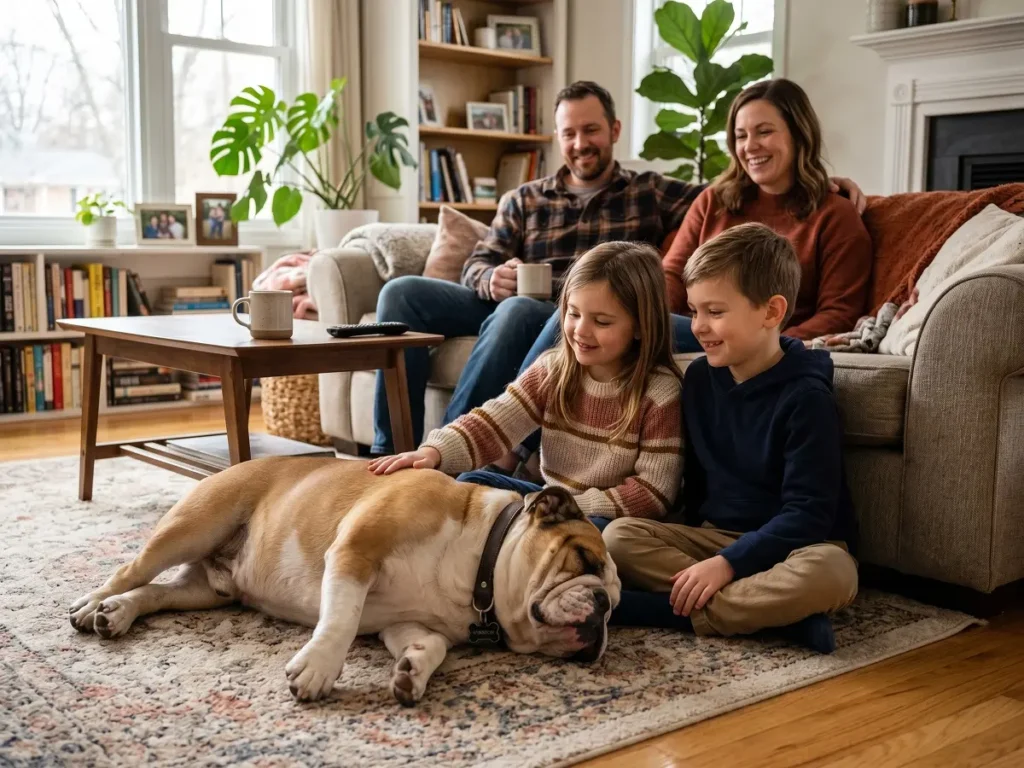
The Bulldog can be a wonderful companion for the right owner. This breed is best for people who want:
- A calm indoor dog
- Strong companionship
- Lower exercise demands
- Family-friendly personality
However, Bulldogs also require:
- Regular wrinkle cleaning
- Heat safety precautions
- Weight management
- Veterinary care
If you want a highly active dog for running or hiking, a Bulldog may not be the best fit. Still, for many families, the Bulldog’s loving personality makes the extra care completely worth it.
FAQs
Bulldogs snore because of their flat face and narrow airways.
Bulldogs can be stubborn, but positive reinforcement and patience usually work well.
Most Bulldogs are poor swimmers because of their heavy body structure.
Most Bulldogs live between 8 and 10 years.
Modern Bulldogs are usually gentle and family-friendly.
