


- Introduction:
- Small Dog Breeds – Types of Dogs by Size:
- Types of Small-Sized Dogs:
- Why Choose a Small Dog?
- Medium Dog Breeds – Types of Dogs by Size:
- Types of medium-sized dogs:
- Why Choose a Medium-Sized Dog?
- Large Dog Breeds – Types of Dogs by Size:
- Types of large dogs:
- Why Choose a Large Dog?
- Giant Dog Breeds – Types of Dogs by Size:
- Types of giant dogs:
- Why Choose a Giant Dog Breed?
- Toy Dog Breeds – Types of Dogs by Size:
- Types of Toy Dogs by Size:
- Why Do You Choose Toy Dogs?
- FAQs?
- Conclusion: Finding Your Perfect Match
Introduction:
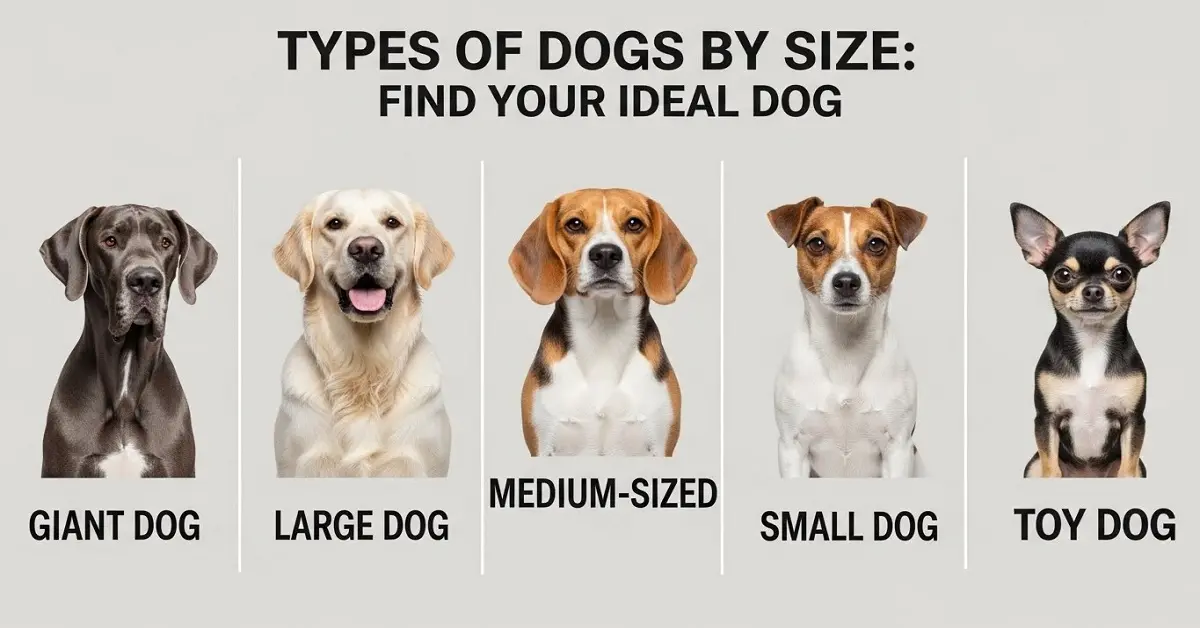
Very large dogs have always stood out to me while working with different dogs, especially. When observing the great range of sizes and the wide variety of characteristics they show. Studies across mammals confirm that domestic dogs have the greatest range of body size among different breeds. Making Types of Dogs by Size an interesting way to explore their diversity.
Types of Dog By Size:
The smallest dog breed, the Chihuahua, can weigh as little as 3.3 lb or 6.6 lb. With height that ranges from 6 inches, 10 inches, 12 inches, to 15 inches. On the other end, the largest dog breed, the Great Dane, weighs over 100 lbs. With a male reaching 200 lbs, and heights between 28 inches and 42 inches.
Dog breeds are classified into varieties on the basis of size, which helps in identifying the ideal dog. Choosing the right breed size is an important factor, whether it’s an extra-small Pomeranian, a large Afghan Hound, or an extra-large canine companion, as health, life expectancy, energy levels, and temperament are all connected.
From experience, I’ve seen how welcoming a dog into life brings joy and responsibilities. In the giant variety, dogs weigh around 100 pounds or even more, with heights ranging from 22 inches to 42 inches. The standard variety includes very large, large, large to medium, and medium to small dog breeds, with minimum weights around 25 pounds and maximum weights that exceed 65 pounds.
Miniature dogs are very small when compared to other breeds. Toy dogs are very small dogs, kept exclusively as pets and companions, unlike working dogs, with heights, range, 6 inches, while teacup dogs are tiny dogs, smaller than usual toy dogs, including Chihuahuas, tiny English Spaniels, and tiny Fox Terriers. No matter the size, unique dogs need common care practices like regular exercise, the right nutrition, and mental stimulation to support their well-being.
Small Dog Breeds – Types of Dogs by Size:
Living with small dogs has shown me that size doesn’t tell the full story, and across AKC groups, there truly is a perfect breed for every lover of little companions, whether your focus is on personality, activity level, or coat type.
| Breed | Average Weight | Key Characteristics |
| Chihuahua | 1-3 kg (2-6 lbs) | Tiny but bold, loyal, good apartment dogs. |
| Pomeranian | 1.8-3.5 kg (4-8 lbs) | Fluffy, cheerful, intelligent, devoted lapdogs. |
| Yorkshire Terrier (Yorkie) | 2-3 kg (4-7 lbs) | Energetic, affectionate, long silky coat. |
| Shih Tzu | 4-7 kg (9-16 lbs) | Bred as companions, long coat needs grooming, very attached. |
| Pug | 6-8 kg (14-18 lbs) | Playful, charming, distinctive wrinkled face, sturdy build. |
| French Bulldog | 8-13 kg (18-28 lbs) | Adaptable, playful, good for first-time owners, bat ears. |
| Dachshund (Miniature) | 3-5 kg (7-11 lbs) | Playful, bold, long body, hound group. |
| Maltese | 3-4 kg (7-9 lbs) | White silky coat, gentle, lively, hypoallergenic. |
| Cavalier King Charles Spaniel | 5-8 kg (12-18 lbs) | Gentle, affectionate, eager to please. |
| Toy Poodle | 2-3 kg (4-6 lbs) | Brilliant, hypoallergenic coat, energetic. |
From experience, many of these dogs don’t need to burn off huge amounts of energy, making them well-suited to apartment life, though not all are lap warmers, as some have tough-as-nails personalities. Certain breeds, like Dachshunds and Terriers, have surprised me with how much they enjoy having country space to run, so matching a dog to your family setup is very important.
Small Dogs With Children:
If your household includes very young children, it’s essential to ensure the dog has space to be alone when needed, or consider researching a lifestyle fit more carefully. Some small dogs are too delicate to thrive in boisterous homes and prefer quieter environments, even though they are cute, compact, and easy to love.
Over time, I’ve realized that different types are never exactly alike, and choosing the best toy breed for your routine requires honestly considering size, needs, and expectations. Often, the biggest hearts come in the smallest packages, and fortunately, there’s a wide range of options, especially here in Australia.
Where popular breeds frequently appear on every list. Learning a breed’s history, typical temperament, common health issues, and other interesting facts can truly guide you to a small dog that feels like it was made for your everyday life.
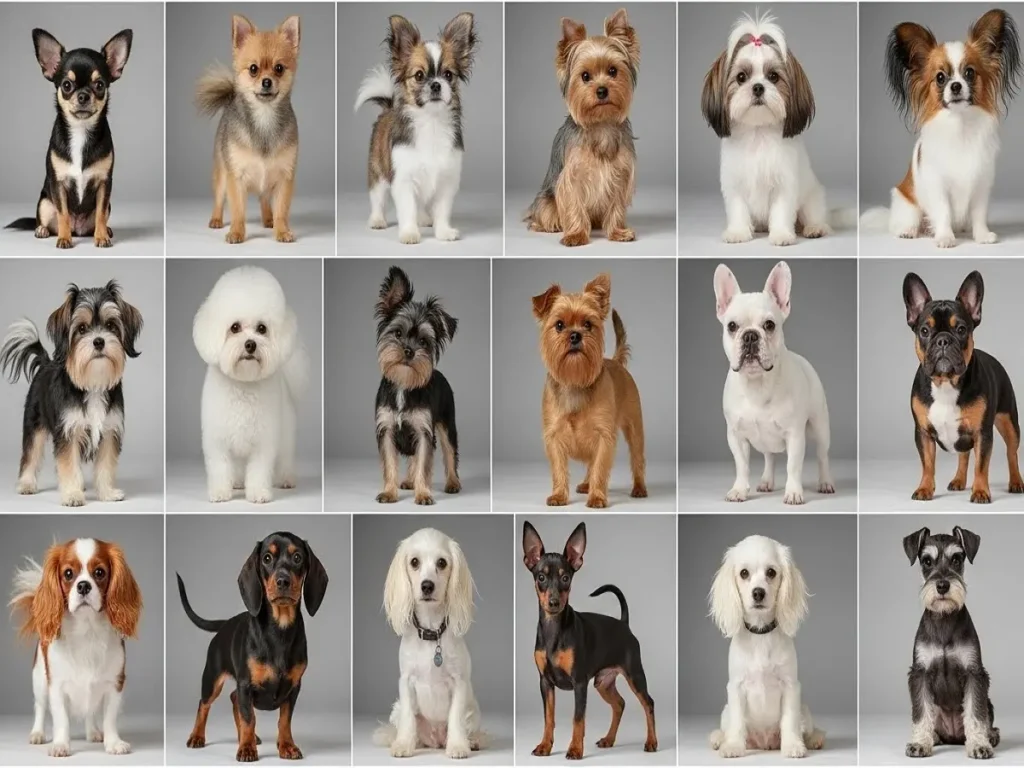
Types of Small-Sized Dogs:
- Chihuahua
- Pomeranian
- Yorkshire Terrier
- Shih Tzu
- Papillon
- Toy Poodle
- Maltese
- Bichon Frise
- Affenpinscher
- Brussels Griffon
- Australian Terrier
- French Bulldog
- Havanese
- Japanese Chin
- Dachshund
- Cavalier King Charles Spaniel
- Chinese Crested
- Coton de Tulear
- Miniature Pinscher
- Miniature Schnauzer
Why Choose a Small Dog?
When most people think of dogs, they often picture large breeds bounding across a yard. Yet small dogs prove that size isn’t necessary to enjoy the love, dedication, and charm these companions bring. Many small breeds belong to AKC groups, ensuring there’s a suitable dog for every enthusiast who prefers toy or miniature companions.
Flexibility and Lifestyle Aids:
These toy buddies are perfect for any home, whether a cozy apartment or a spacious residential property. Their intelligence, playful personalities, and attractive nature make them favorites worldwide. Small dogs need less space, making them adaptable to condos, apartments, and homes with limited yards.
They’re also easy to transport, ideal for travelers or people who enjoy road trips. Many breeds, like Dachshunds and Terriers, thrive with country space and opportunities to run, while others are happy in apartment life, providing affection and companionship to seniors and first-time owners alike.
Important Considerations:
Families with young children should carefully evaluate whether a small dog has the right temperament and space to interact safely. Researching breeds thoroughly ensures the best fit for your lifestyle.
Delicate small breeds may prefer quieter environments and can struggle in lively settings. Choosing a dog with a big personality that comes in a small package can bring unmatched joy. These breeds offer something for every home, whether you’re seeking a playful, cuddly, or intelligent companion.
Medium Dog Breeds – Types of Dogs by Size:
If you are looking for a dog that is neither too big nor too small, medium breeds may be the perfect pet for your family. These dogs strike a balance between the cuddly nature of small dogs and the energy of large breeds, making them a popular choice year after year.
| Breed | Approx. Weight (lbs) | Approx. Height (inches) | Key Temperament Traits |
|---|---|---|---|
| Beagle | 20-30 lbs | 13-15 inches | Friendly, curious, and social |
| Border Collie | 30-55 lbs | 18-22 inches | Intelligent, energetic, and loyal |
| Australian Shepherd | 40-65 lbs | 18-23 inches | Smart, work-oriented, and playful |
| Bulldog | 40-50 lbs | 12-16 inches | Gentle, affectionate, and brave |
| Cocker Spaniel | 20-30 lbs | 14-16 inches | Friendly, intelligent, and gentle |
| Standard Schnauzer | 30-45 lbs | 17-20 inches | Intelligent, loyal, and good watchdogs |
| Whippet | 25-40 lbs | 18-22 inches | Affectionate, quiet, and fast sprinters |
| Basset Hound | 40-65 lbs | 11-15 inches | Low-key, excellent trackers, and vocal |
| Brittany | 30-40 lbs | 17.5-20.5 inches | Active, friendly, and eager to please |
Their playful, kind, and friendly personalities make them ideal for families, while some dogs are naturally calmer, like the Bulldog or Whippet, and others are more energetic, such as the Brittany or Shetland Sheepdog. This is a Types of Dogs by Size.
Medium-sized dogs typically weigh between 20 and 60 pounds, though some may grow bigger or stay smaller. In my experience, these dogs offer a manageable package that is easy to maintain while still being playful and rounded companions.
Medium Dogs Temperament:
Medium dogs come in various types and temperaments, from low-shedding dogs like the standard poodle, ideal for allergies, to active running buddies like the German Shorthaired Pointer or Dalmatian, who can go for miles.
Families with kids often choose Labrador Retrievers, a number-one breed known for their mold-mannered soul and gentle nature. Medium breeds include dogs from nearly every group, such as sporting, non-sporting, working, hounds, and terriers, along with less familiar options like Boykin Spaniels and Pyrenean Shepherds.
Whether you’re adopting from respected, reputable breeders or animal shelters, doing your homework on cost, commitments, and owning a pet ensures these beloved dogs fit perfectly into your home.
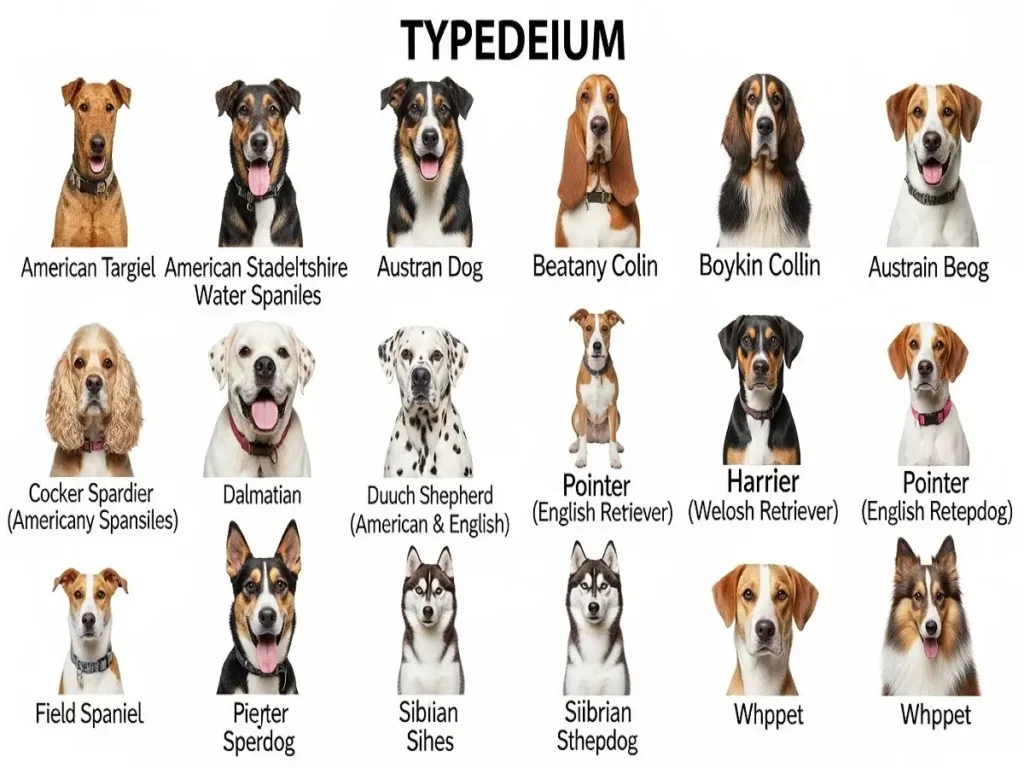
Types of medium-sized dogs:
- Airedale Terrier
- American Staffordshire Terrier
- American Water Spaniel
- Australian Cattle Dog
- Australian Shepherd
- Basset Hound
- Beagle
- Bearded Collie
- Boykin Spaniel
- Brittany (Brittany Spaniel)
- Bulldog
- Cocker Spaniel (American & English)
- Dalmatian
- Dutch Shepherd
- Field Spaniel
- Flat‑Coated Retriever
- Harrier
- Pointer (English Pointer)
- Polish Lowland Sheepdog
- Welsh Springer Spaniel
- Siberian Husky
- Shetland Sheepdog
- Whippet
Why Choose a Medium-Sized Dog?
Medium-sized dogs offer a wonderful balance between small and large breeds, making them a popular choice for many households. Choosing the right dog involves considering your lifestyle, living space, and activity level to ensure a perfect match.
Versatility and Adaptability:
These dogs are highly adaptable and can thrive in both compact apartments and homes with plenty of outdoor space. They are comfortable in urban settings as well as suburban neighborhoods.
Their exercise needs are moderate, including daily walks, interactive play, and occasional games, making them ideal for families who want an active companion without the demanding routines of larger breeds. Medium-sized dogs provide a manageable size that suits a variety of homes and family structures.
Family-Friendly Nature:
When given proper training, medium-sized dogs make excellent family pets. Children should always be supervised around dogs, but these breeds are generally intelligent, eager to please, and respond well to positive reinforcement.
Their size is sturdy enough to handle playful interactions yet small enough to remain manageable in everyday life. Medium dogs can participate in numerous family activities, striking a comfortable balance between the delicate nature of tiny breeds and the strength of very large ones.
Large Dog Breeds – Types of Dogs by Size:
Some people live by the motto “bigger is better,” and that often applies to their dogs too. Despite their massive size, these dogs are truly wonderful to live with, as many prefer to relax throughout the day and remain relatively calm inside the house. Large dogs are especially well-suited for suburban or country living.
| Breed | Temperament | Exercise Needs | Life Span |
|---|---|---|---|
| Great Dane | Gentle, affectionate, and calm, often called “gentle giants”. | Moderate; about 1-2 hours of daily exercise, avoiding strenuous activity in youth to protect joints. | 7-10 years |
| Mastiff | Docile, loyal, and protective, but generally calm and laid-back indoors. | Low to moderate; around 1 hour of daily exercise (walks and gentle play). | 6-10 years |
| Saint Bernard | Gentle, patient, and friendly, known for their “nanny dog” qualities with children. | Moderate; up to 1 hour of daily activity, susceptible to heatstroke due to their thick coat. | 8-10 years |
| German Shepherd | Highly intelligent, loyal, protective, and alert; often used as working dogs. | High; at least 2 hours of vigorous exercise and mental stimulation daily. | 9-13 years |
| Golden Retriever | Friendly, intelligent, and devoted, eager to please, and patient with families. | High; at least 1-2 hours of vigorous daily exercise, including activities like swimming and fetching. | 10-12 years |
| Irish Wolfhound | Docile, calm, and good-natured, despite their imposing size as one of the tallest breeds. | Moderate; about 1-2 hours of daily activity, including walks and free play in a secure area. | 6-10 years |
| Newfoundland | Sweet-tempered, gentle, and intelligent, known for their water rescue instincts and “nanny dog” traits. | Moderate; around 1 hour of daily exercise, especially enjoying swimming. | 8-10 years |
| Siberian Husky | Friendly, outgoing, and independent, with a playful and mischievous nature. | Very high; a minimum of 2 hours of vigorous exercise daily, needing a secure space due to their urge to run and explore |
Large Dogs Are Playful:
Incredibly agile and active, some large dogs are playful, while others are more laid-back. Family-friendly breeds are widely available, with several renowned for their loyalty, affection, and gentle nature.
A calm, patient personality is particularly crucial for families with young children, and who wouldn’t enjoy a cuddle with a giant lap dog? From personal experience, large dogs can be just as manageable and loving as smaller dogs, providing companionship, protection, and joy in equal measure.
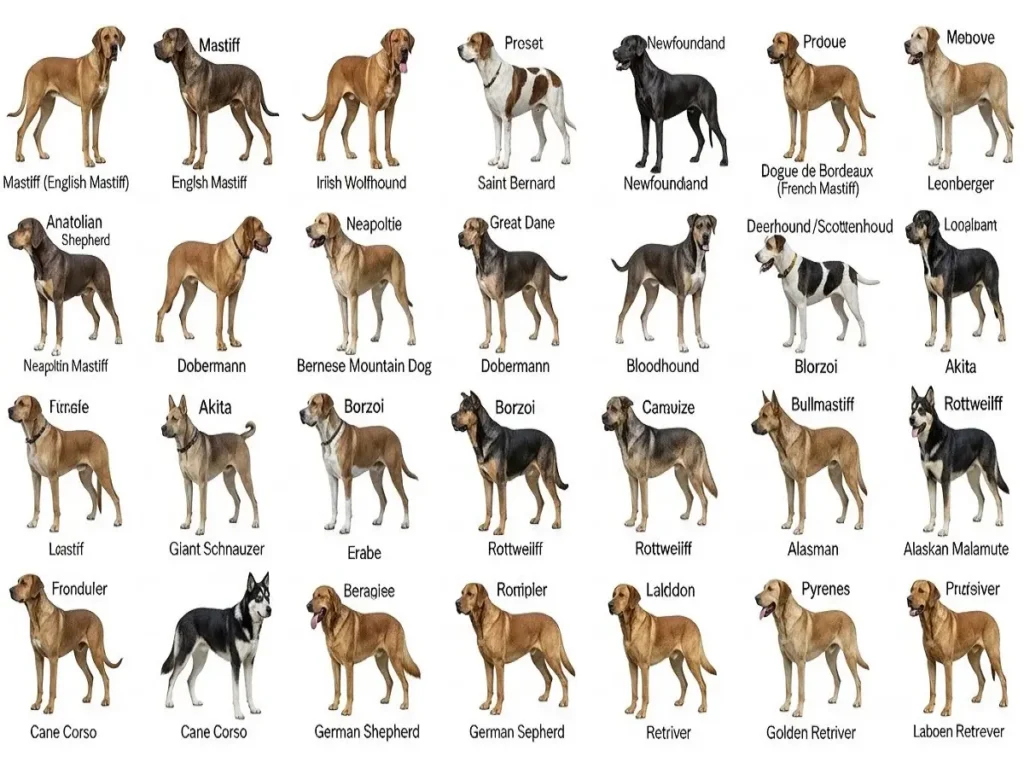
Types of large dogs:
- Mastiff (English Mastiff)
- Irish Wolfhound
- Saint Bernard
- Newfoundland
- Dogue de Bordeaux (French Mastiff)
- Leonberger
- Anatolian Shepherd
- Neapolitan Mastiff
- Great Dane
- Deerhound/Scottish Deerhound
- Bernese Mountain Dog
- Dobermann
- Bloodhound
- Akita
- Giant Schnauzer
- Borzoi
- Bullmastiff
- Rottweiler
- Alaskan Malamute
- Great Pyrenees
- Cane Corso.
- German Shepherd
- Golden Retriever
- Labrador Retriever
Why Choose a Large Dog?
People often select large dogs for their loyalty, protective nature, and companionship, even though their size may seem daunting. Understanding their needs and lifestyle fit is key before bringing a large dog into your home.
Space and Living Requirements:
While it’s common to think that large dogs always require vast outdoor spaces, some breeds, like the Presa Canario, can adapt well to apartment living if given sufficient exercise. However, most large dogs thrive with ample space to move freely and explore, such as the Wirehaired Slovakian Pointer. Ensuring your home allows enough room to play safely, without bumping into furniture or family members, is essential for their comfort and well-being.
Guardian Instincts and Protection:
Many large breeds have natural guardian instincts, making them excellent companions for families seeking protection. Dobermans, though sometimes considered medium-sized, are prime examples of dogs that are both watchful and gentle with their families.
Proper training and socialization enhance these protective traits, helping them become trustworthy and reliable dogs that safeguard the home while staying affectionate with their human companions.
Intelligence and Trainability:
Large dogs are often highly intelligent, excelling in tasks like herding, tracking, or other working roles. Their trainability makes learning commands and routines rewarding, but consistent guidance from an early age is essential to manage their size.
Many breeds retain playful and puppy-like personalities, bringing energy, laughter, and adventure to the household. Their stamina and adventurous spirit make them excellent exercise partners for active owners.
Giant Dog Breeds – Types of Dogs by Size:
There’s nothing that fills your heart or home quite like a big dog. While the benefits of large breeds joining your family are many, there are some considerations pet parents must keep in mind. Many people find their size intimidating, yet most giant breeds are gentle and affectionate, making them perfect gentle giants for families with children.
| Breed | Key Characteristic | Average Height (at shoulder) | Average Weight |
|---|---|---|---|
| Great Dane | Tallest breed, “gentle giant” | 28-32+ inches | 100-120+ lbs |
| Mastiff (English) | Massive, sturdy frame | 27-30+ inches | 150-230+ lbs |
| Saint Bernard | Powerful, rescue dog | 26-30 inches | 140-180+ lbs |
| Irish Wolfound | Tallest breed (height) | 32+ inches (Males) | 100-120+ lbs |
| Newfoundland | Fluffy, water-loving, sweet | 26-28 inches | 100-150+ lbs |
| Leonberger | Calm, clever, thick coat | 28-31 inches (Males) | 100-170+ lbs |
| Bernese Mountain Dog | Tri-colored, family-oriented | 23-27 inches | 80-120+ lbs |
| Cane Corso | Powerful guardian, mastiff type | 23-27 inches | 90-120+ lbs |
| Anatolian Shepherd Dog | Rugged flock guardian | 28-32+ inches (Males) | 90-150+ lbs |
Some take on the role of protector or watchdog, while others simply fill your space as loyal companions. These breeds are impressive, with weight often exceeding 45 kg (100 pounds) and include the Great Dane, Newfoundland, St. Bernard, Irish Wolfhound, and Kuvasz.
Over the nineteenth century, selective breeding led to a notable increase in their size, and today these dogs still turn heads at the park and can even stop traffic with their presence. Historically, giant breeds like the Mastiff, Great Dane, and St.
Bernard carry centuries of history, from guarding flocks, rescuing travelers, pulling carts, to sprinting after prey. Despite their impressive size, many are calm companions who integrate seamlessly into a family lifestyle. The biggest of the big truly sets itself apart in both strength and gentleness, earning recognition from the American Kennel Club and delighting those ready to welcome one into their home.
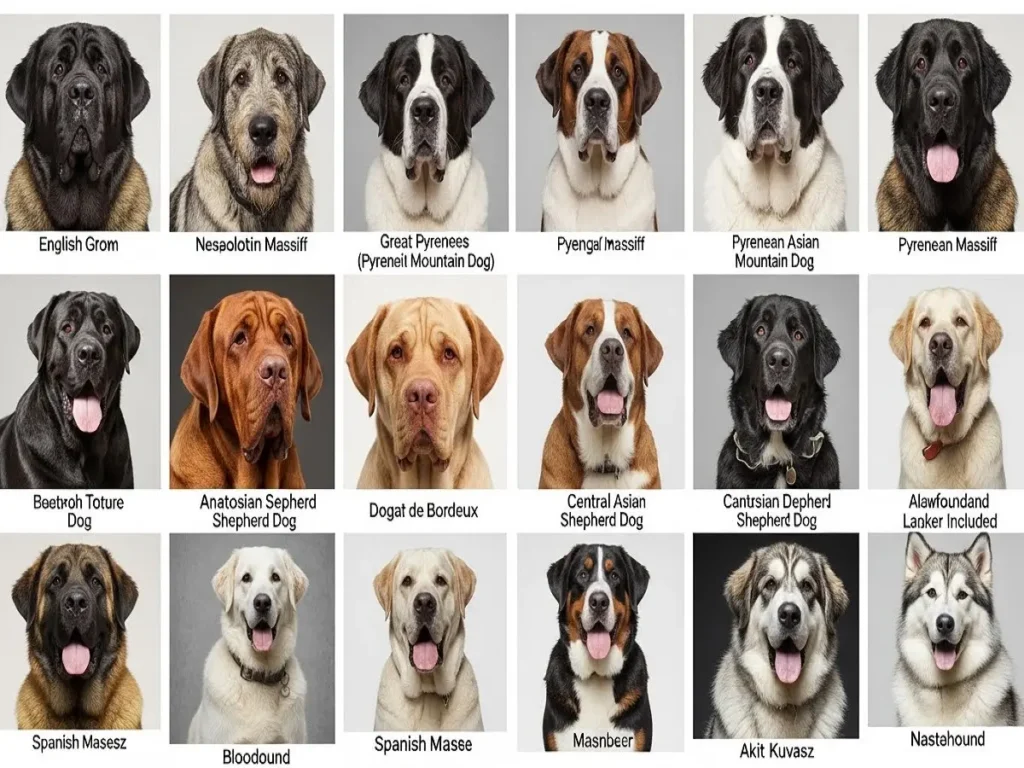
Types of giant dogs:
- English Mastiff
- Irish Wolfhound
- Great Dane
- Saint Bernard
- Newfoundland
- Leonberger
- Neapolitan Mastiff
- Tibetan Mastiff
- Pyrenean Mastiff
- Great Pyrenees (Pyrenean Mountain Dog)
- Dogue de Bordeaux
- Anatolian Shepherd Dog
- Kangal Shepherd Dog
- Bernese Mountain Dog
- Scottish Deerhound
- Borzoi
- Caucasian Shepherd Dog
- Central Asian Shepherd Dog
- Giant Schnauzer
- Boerboel
- Spanish Mastiff
- Komondor
- Kuvasz
- Akita
- Bloodhound
- Alaskan Malamute
- Newfoundland (Landseer type included)
- Leonberger
- Mastiff (general Mastiff group)
Why Choose a Giant Dog Breed?
1. Gentle Power with Deep Loyalty
Giant dog breeds are often described as gentle giants because they combine impressive size with calm and affectionate behavior. Despite their strength, many giant breeds are naturally patient, emotionally stable, and deeply loyal to their families.
They tend to form strong bonds with owners and enjoy being close to people, making them excellent companions for households that value emotional connection and devotion.
2. Natural Protection and Strong Presence
One of the most common reasons people choose giant dog breeds is their protective instinct. Their large build, confident posture, and alert nature provide a strong sense of security. Even without aggression, their presence alone can discourage threats. Many giant breeds are naturally watchful and protective, making them ideal for owners who want both companionship and peace of mind.
3. A Lifestyle Companion, Not Just a Pet
Giant dogs often suit owners who enjoy structured routines and an active but balanced lifestyle. They encourage regular walks, outdoor time, and responsible care. In return, they offer steady companionship, emotional support, and a sense of purpose. For the right owner, a giant dog becomes a loyal partner in daily life, not just a pet.
Toy Dog Breeds – Types of Dogs by Size:
From my experience working with small dogs, I’ve learned that instincts, city dwellers, apartment dogs, and lap warmers often come together naturally. Thanks to their miniature size, they adjust easily to any environment, lifestyle, city living, suburbs, or even the country, making them a perfect fit for everyday life.
| Breed | Key Characteristics |
|---|---|
| Chihuahua | Smallest breed, big personality, adaptable to small spaces, popular. |
| Pomeranian | Fluffy, energetic, playful, good apartment dogs. |
| Pug | Affectionate, charming, can be lazy, distinctive flat face. |
| Yorkshire terrier | Feisty, small but bold, silky coat. |
| shih tzu | Friendly, bred as lap dogs, long hair. |
| Maltese | White coat, gentle, delicate, needs grooming. |
| Pekingese | Regal, independent, distinctive “lion’s mane”. |
| Papillon | Butterfly-like ears, intelligent, active. |
| Toy Poodle | Smart, hypoallergenic (low shedding), curly coat, athletic. |
| Havanese | Cheerful, playful, good family dogs. |
| AffinPinshere | “Monkey-like” face, playful, energetic, can be stubborn. |
| Bicon frese | Fluffy white coat, cheerful, good companion. |
Being small does not mean timid; many are the feistiest companions I’ve trained. Proper training, socialising, and good behaviour are essential, and this guide helps owners decide the right fit. I’ve always believed good things truly come in small packages. They’re adorable, loyal companions with a unique personality and balanced temperament.This is a type of dog by size.
Exploring the Toy Dog breeds:
When exploring toy dog breeds, it’s wise to visit a pup before committing to ensure a perfect match among the 28 excellent pets known for being cute, full of elegance, and perfect for any home. These friendly dogs have charmed the globe with pure cuteness and intelligence, whether it’s a Toy Poodle, Shih Tzu, or Pug, each playful yet dignified.
This article shares descriptions, temperaments, grooming requirements, and compatibility across different life settings. Traditionally, this grouping includes the very small dog types like spaniels, pinschers, and terriers, carefully bred down in size. Not all are lap dogs; some make a great hiking buddy for weekend adventures, ticking every wishlist item.
Understanding common characteristics helps you choose, answer frequently asked questions, and gain the right information trusted by pet lovers. Their affectionate nature, sociable behaviour, and adaptability balance training needs and socialization, whether in an apartment, city, home, or countryside.
With the right lifestyle fit, they stay energetic, offer protection, deep companionship, natural elegance, an adorable appearance, stay miniature yet active, deeply loyal, with a feisty personality truly smart dogs, among the best small breeds, excellent companions, known for versatility, adaptability range, environment fit, and lasting lifestyle compatibility.
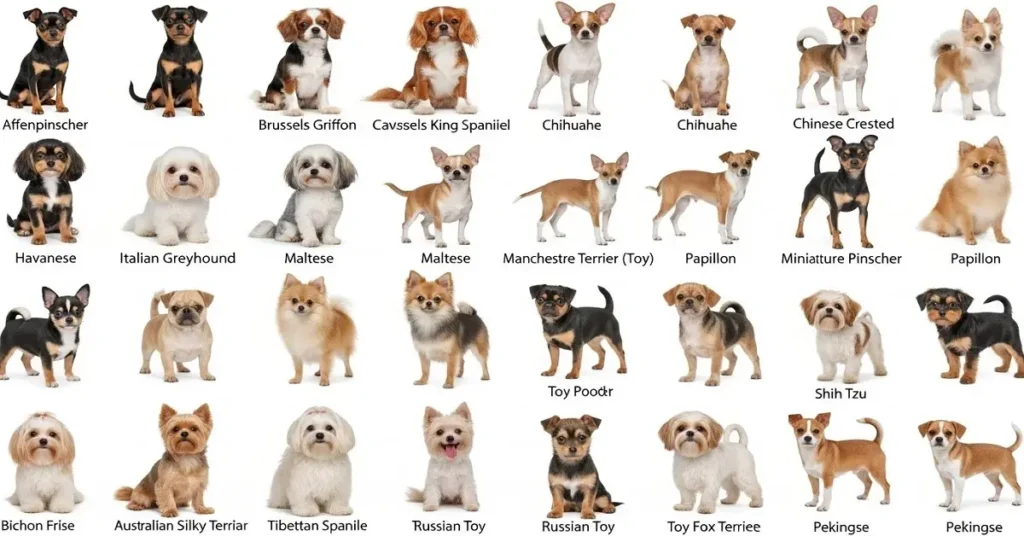
Types of Toy Dogs by Size:
- Affenpinscher
- Brussels Griffon
- Cavalier King Charles Spaniel
- Chihuahua
- Chinese Crested
- English Toy Spaniel
- Havanese
- Italian Greyhound
- Japanese Chin
- Maltese
- Manchester Terrier (Toy)
- Miniature Pinscher
- Papillon
- Pomeranian
- Pug
- Toy Poodle
- Shih Tzu
- Yorkshire Terrier
- Bichon Frise
- Bolognese
- Coton de Tulear
- Australian Silky Terrier
- Tibetan Spaniel
- Russian Toy
- Toy Fox Terrier
- Pekingese
Why Do You Choose Toy Dogs?
1. Companion Nature and Bonding
People often choose toy dogs because they are bred to be companions, not workers. Toy dogs closely bond with their owners and enjoy affectionate lap time, making them ideal pets for people who want a close relationship with their dog.
These little breeds thrive on attention and love, being part of everyday family life, whether it’s sitting with you on the sofa or joining you on errands. Their natural social nature means you usually get a dog that wants to be with you.
2. Small Size and Easy Care
One big reason people choose toy breeds is practical: their small Types of Dogs by Size means they are easier to keep in apartments and urban environments. Because they require less exercise than larger dogs and can be happy with short daily walks and indoor play, they are a good match for city living or busy households. Their size also makes them easier to transport and carry, which many owners find comforting
3. Playful Personality and Compatibility
Despite their size, toy dogs often have lively personalities, can be quite intelligent, and enjoy interactive play and training. Many toy breeds excel in activities adapted to their scale and enjoy games that keep their minds active. Their playful nature and compatibility with household routines make them great for people looking for engaging, small companions.
FAQs?
Dogs are commonly grouped by size into small, medium, large, and giant breeds. Small dogs include Chihuahuas, medium dogs include Beagles, large dogs include German Shepherds, and giant breeds include Great Danes and Mastiffs.
Dog size matters because it affects living space, exercise needs, food costs, and handling. Smaller dogs suit apartments, while larger dogs need more space and activity. Size also influences strength, training style, and overall daily care.
You should consider dog size before adoption, especially when evaluating your home, lifestyle, family members, and time for exercise. Size is also important if you travel often, have children, or live in a rented apartment.
You can find reliable dog size information on breed-specific websites, kennel club resources, veterinary clinics, dog care books, and reputable pet blogs. Breeders and animal shelters also provide helpful size and growth details for dogs.
Types of Dogs by Size can influence energy levels, behavior, and care needs. Smaller dogs often need less space but more attention, while larger dogs require more exercise, training, and food. Size also affects grooming, health risks, and lifespan.
Conclusion: Finding Your Perfect Match
2.8 kg. From the diminutive Chihuahua weighing just 2.8 kg to the massive Irish Wolfhound reaching 81 cm at the shoulder, the world of Types of Dogs by Size offers incredible diversity. Each size category, toy small, medium, large, and giant, brings unique advantages and considerations.
Toy breeds like the Yorkshire Terrier, Maltese, Pomeranian, Pug, Cavalier King Charles Spaniel, Havanese, Toy Poodle, Papillon, Miniature Pinscher, Brussels Griffon, Chinese Crested, Italian Greyhound, Japanese Chin, Pekingese, Affenpinscher, Bichon Frise, Toy Fox Terrier, Manchester Terrier, English Toy Spaniel, Silky Terrier, and Miniature Dachshund offer compact companionship.
Medium breeds, including the Border Collie, Australian Shepherd, Cocker Spaniel, Bull Terrier, and Dalmatian, provide versatility. Large breeds like the Akita, Saint Bernard, and German Shepherd offer protection and devotion. Giant breeds, including the Irish Wolfhound, Great Dane, and Newfoundland, bring gentle giant characteristics to families with adequate space.
Finding Your Perfect Match:
The decision to bring a dog home represents a long-term commitment. Whether you’re a first-time owner seeking a relaxed companion or an active family wanting an adventurous partner, thorough research guides you to an informed choice. Consider your living space, activity level, family composition, grooming capabilities, and financial resources.
Visit local rescue centers; many wonderful crossbreeds and mixed-breed dogs with unknown heritage await loving homes. Some rescue centers even offer doggy DNA tests for indication of breed makeup, helping you understand training needs and potential health considerations.
Every dog, regardless of size, deserves a loving home where they can thrive. From the pocket-sized royal Pomeranian to the imposing yet gentle Great Dane, each breed brings something special. The perfect type of dog by Size for you exists somewhere in this incredible variety you just need to find the match that fits your heart and lifestyle.
Take time to meet and interact with dogs you’re considering. Observe whether their personality fits your home and daily routine. With patience, research, and honest assessment of your circumstances, you’ll discover the ideal canine companion to share your life’s adventures.
Remember that whether tiny or tremendous, every dog offers boundless love, unwavering loyalty, and the unique joy that only comes from the special bond between humans and their four-legged friends. Your perfect match awaits, sized just right for your life.
