


- Introduction:
- Ancient Roman Ancestor Canes Pugax:
- Etymology: Meaning of the Name "Cane Corso"
- Straw Cane Corso in Italian Life:
- Decline and Near-Extinction in the 20th Century: Straw Cane Corso
- Revival Efforts in the 1970s and 1980s:
- Official Recognition and Standards:
- Geographic Concentration in Southern Italy:
- Iconography and Cultural References:
- Transition from Working Dog to Companion/Guardian:
- International Popularity and Modern Status Tenth fact:
- Understanding of its temperament:
- FAQs?
- Conclusion:
Introduction:
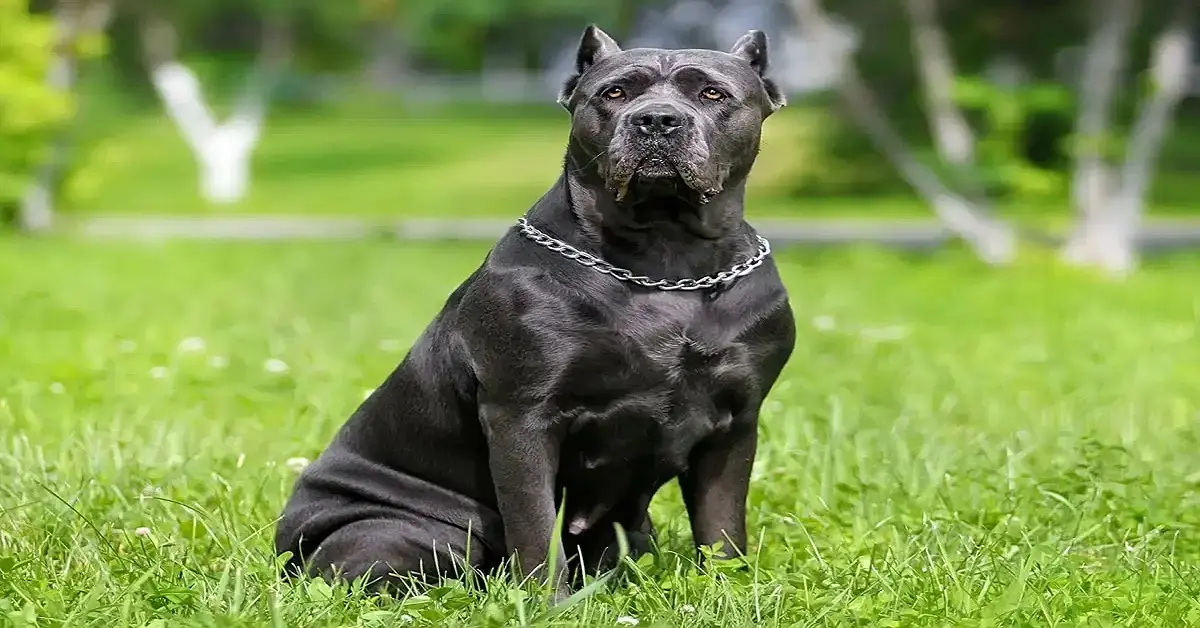
The Straw Cane Corso is a powerful and gorgeous breed that carries centuries of history. From ancient battlefields to modern homes, there is no doubt as to the remarkable roles this dog has played. Here are ten historical facts about the breed that give insight into how the Straw Cane Corso became the dog we know today.
Ancient Roman Ancestor Canes Pugax:
One of the earliest known historical facts concerning the Straw Cane Corso is that it descends directly from the ancient Roman war dog, commonly known as the Canis Pugax. The Canis Pugnax was a type of Molossian mastiff used by Roman legions both for warfare and guarding purposes.
These large dogs, powerful in their build, marched alongside soldiers, guarded the camps, and fought in arenas. Over time, the lighter and more agile Cane Corso evolved to perform roles beyond direct fighting.
Learn About Cane Corso Cropped Ears For Sale
Etymology: Meaning of the Name “Cane Corso”
Interesting fact: the name “Straw Cane Corso” comes from Latin and Italian dialects. “Cane” is simply the Italian word for dog. The “Corso” part is sometimes traced to the Latin “cohors,” meaning “bodyguard,” “courtyard guard,” or “protector.”
The southern Italian dialect word “corso” was used historically to mean “strong, rustic, rough.” COSTA BEL Straw Cane Corso. Thus, the name of the breed roughly means “guardian dog of the courtyard” or “dog of the bodyguard,” reflecting its historic role as protector. Encyclopedia Britannica
Straw Cane Corso in Italian Life:
A third historical fact involves the many roles the Straw Cane Corso fulfilled in Italian rural life. Its original purpose as a war dog gave way to other tasks in later years: the guarding of farms and large estates, driving semi-wild cattle and pigs, and hunting large game such as wild boar.
The Straw Cane Corso originated in the rough country of southern Italy, from Puglia to Lucania (now Basilicata) and SANYO. Here, he was appreciated for his strength and versatility on the farm.
Learn About Healthy Cane Corso Puppies
Decline and Near-Extinction in the 20th Century: Straw Cane Corso
One important fact: the Straw Cane Corso nearly disappeared in the mid-20th century. With changes in agricultural practices, the mechanization of farms, world wars, and the abandonment of sharecropping systems, many working dogs lost their In Italy
After the 1960s, the breakdown of the mezzadria, or sharecropping, system meant that fewer farms employed the Straw Cane Corso for work, and correspondingly fewer dogs were bred.
Revival Efforts in the 1970s and 1980s:
A fifth fact, following the near-extinction, is that dedicated enthusiasts began to revive the breed in the 1970s and into the 1980s. In particular, an article and a letter brought attention to the breed’s plight in 1978
Groups began to select surviving specimens from southern Italy. The breed society, Società Amatori Straw Cane Corso, was only founded in 1983, and organized breeding, standardization, and recognition began.
Learn About Cane Corso Next to Humans
Official Recognition and Standards:
The sixth historical fact is the formal recognition of the Straw Cane Corso by national and international kennel clubs. In Italy, the breed was recognized by the Ente Nazionale della Cinofilia Italiana in 1994.
Internationally, the Federation Cynologique Internationale granted the breed full acceptance in 2007. In the United States, the American Kennel Club recognized the Cane Corso as a breed in 2010
Geographic Concentration in Southern Italy:
Interestingly, although the breed once spread across the Italian peninsula, isolated farms in southern regions like Puglia preserved Cane Corso bloodlines by the mid-20th century.
These regions became the strongholds for the breed’s survival during times of decline.
Iconography and Cultural References:
The eighth fact: the Cane Corso and its ancestors appear in historical iconography, literature, and art. For example, the poem La Cacao (1591) by Erasmo Valona refers to the “Corso” dog in conjunction with big game. The breed is also associated with the Milanese bard Giovanni Virga, who in Malavolta (1881) mentions a “Cane Corso.”

Transition from Working Dog to Companion/Guardian:
The ninth historical fact is that during recent decades, the Cane Corso has transitioned from being a working dog on farms and a hunting dog to a guardian dog, companion, and show breed. Breed guides note that they were once used to hunt wild boar and herd cattle.
Today, many owners keep the Cane Corso for property protection and as a loyal family dog in suitable homes. This transition reflects a change in human lifestyle and canine roles from rural labor to domestic companionship and guard duties.
International Popularity and Modern Status Tenth fact:
The international popularity of the Cane Corso is a relatively recent development, considering that in the late twentieth century, they were little known outside Italy. Now, they have broad recognition and a high demand in many countries.
For example, this breed has rapidly risen in registrations in the US, showing how the Cane Corso has shifted to the international stage. While the role of the breed has changed, the rich historical roots remain attached to its identity.
Understanding of its temperament:
Why These Facts Matter. These historical facts about the Cane Corso give us a far better understanding of its temperament, needs, and suitability for different owners. Since the Cane Corso evolved as a guardian and working dog with serious responsibilities,
Many of its traits reflect that past: strength, intelligence, protectiveness, and loyalty, but also a need for strong leadership, training, and socialization. If potential owners understand that this breed once labored beside Roman legions or stood watch over herds in the countryside of Italy, then they will better appreciate why a Cane Corso is not a casual pet for every household: it’s a breed with a legacy.
Key Takeaways: The name Cane Corso carries meaning tied to guardianship and strength. Ancestors of the breed had served in war, on farms, and as big-game hunters. However, committed breeders revived the Cane Corso after the breed nearly disappeared.
Official kennel recognition gave credence to the breed and preserved standards. Today’s Cane Corso fuses the ancient guardian role with modern-day companionship, but the historical demands placed on this breed still shape its care and training needs.
FAQs?
Moreover, the Straw Cane Corso stands out for its powerful build, intelligence, and strong loyalty. Bred for guarding, strong yet sensitive, this dog has a distinctive character and a strong attachment to owners that comes from his confident temperament.
A Cane Corso offers loyalty unmatched by any other breed, along with natural guarding instincts. It is deeply devoted to family and protective by nature. With proper training, it becomes a disciplined and affectionate companion
Therefore, buyers should look for breeders listed with official kennel clubs or recognized breed associations. Visiting their facilities will give one assurance of ethical breeding practices. Reputable breeders provide health certificates and give out transparent lineage details
Early socialization to prevent aggression and fearfulness, along with consistent, positive reinforcement, will help build a confident puppy while shaping good behaviors as early as eight weeks old
This is a breed for experienced owners who can give structure and leadership. Additionally, owners must provide firm guidance, proper socialization, and regular exercise for this breed. A confident, responsible handler brings out its best qualities.
Conclusion:
The summary of the 10 historical facts on the Cane Corso follows a fascinating journey: from an ancient battlefield dog to a versatile farm worker and into the modern guardian and companion. The rich history helps to explain many of the characteristics the breed is showing today:
It has a muscular body, a strong protective instinct, loyalty, and a need for structure and guidance. If you’re looking to bring a Cane Corso into your life, understanding its historical background will set you on your way to respecting the breed’s history and taking proper care of it.
A dog with such a history deserves an owner respectful of its roots and prepared to offer leadership, socialization, and purpose. The purpose of exploring these ten facts is that you will hopefully not only learn about the breed’s past but also gain a deeper appreciation for the Cane Corso as it stands today, rooted in centuries of service, strength, and guardianship.
