


- What Makes the Shih Tzu Unique?
- Is the Shih Tzu Dog Breed the Correct Dog for You?
- Real-Life Temperament and Personality of the Shih Tzu Dog Breed:
- Grooming & Coat Care of the Shih Tzu Dog Breed (USA Reality):
- Health Issues & Prevention Tips for the Shih Tzu Dog Breed:
- Prevention tips:
- Price of Keeping a Shih Tzu in the USA:
- Shih Tzu Dog Breed for Apartments, Kids & Seniors:
- Training & Behavior Challenges of the Shih Tzu Dog Breed:
- Shih Tzu Puppy vs Adult vs Senior Care:
- FAQs?
- Conclusion:
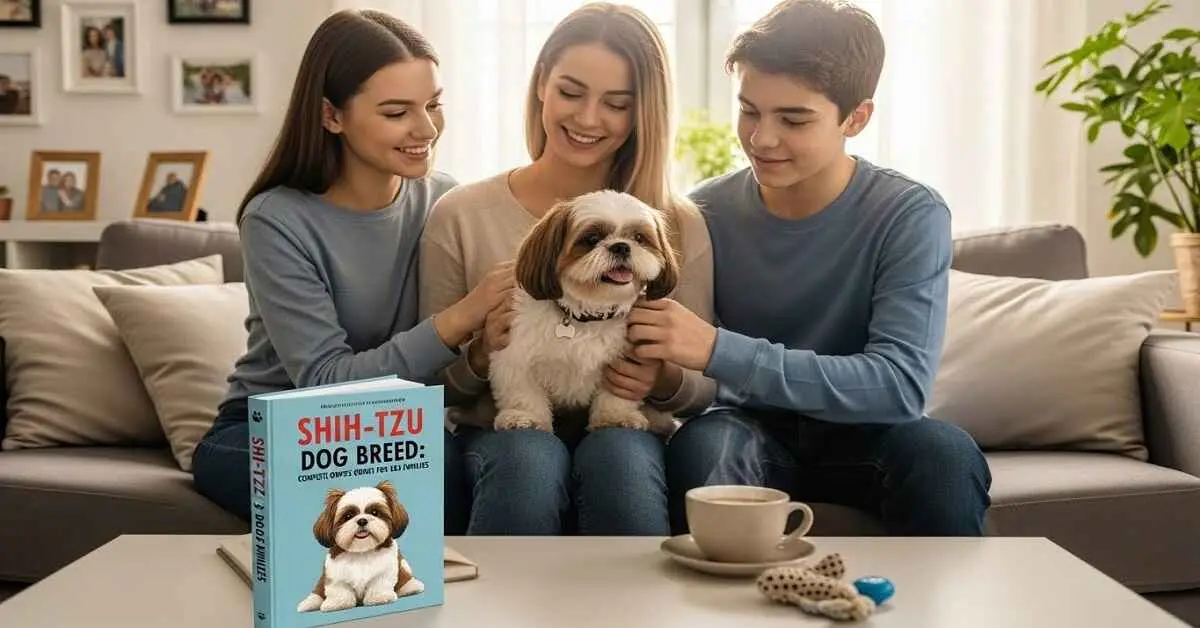
What Makes the Shih Tzu Unique?
From my time with breed club shows. National and international organizations actively evaluate the Shih Tzu Dog Breed using clear standards. Following strict standards for appearance, temperament, and movement. This toy breed stands out for its luxurious coat, expressive eyes, and charming personality. Which reflect its deep roots in Tibetan history.
Watching the dogs in the show ring highlighted the breed’s elegance and affectionate nature. This popularity shows why families and enthusiasts around the world highly admire the Shih Tzu Dog Breed.
Once linked to Buddhism and Imperial rulers. Breeders developed this small lion dog to alert homes and visitors with a sharp bark. Shifting over centuries from a working guardian to a beloved companion.
The American Kennel Club (AKC) officially accepted it, and the parent club helped define. How the breed should look, according to tradition and function. In daily life, the furry, family-friendly animal shows why it is so common and majestic, mixing personality with play.
Weighing 9–16 pounds, with an average height of 10 inches, this small dog feels sturdy despite its size. I always notice the round heads, expressive eyes, short floppy ears, smooth long fur, squished muzzle, and pronounced underbite. These raits shaped by mixing with Pugs and Pekingese in China.
Whether active or calm, friendly and eager to socialise and play, the lion-like presence. Weighing lightly yet carrying history is why I value this companion breed so highly.
Is the Shih Tzu Dog Breed the Correct Dog for You?
The Shih Tzu, often called Lion Dogs, has origins in China. Is thought to be a cross between the Lhasa Apso and the Pekingese. As a member of the Toy Group, this breed is arguably the perfect lapdog.
From my own experience, they keep you entertained every day. Because they are truly people-loving dogs that live to love, please, and stay close to their humans. They are known to be particularly affectionate with children.
Which makes them a natural choice for families who want a gentle and loyal companion at home. When choosing the right dog to bring into your home, it may seem like an easy decision if you live in a small space or want the ultimate at-home friend, just look further into this breed.
Prospective owners should note that due to their small faces and heavy coats. They do not tolerate heat well and are not good swimmers. Still, they are a good fit for city dwellers or those with small backyards. You are looking to love and be loved back in return; this breed is a great match.

Real-Life Temperament and Personality of the Shih Tzu Dog Breed:
The Shih Tzu Dog Breed may be small in size, but big personalities define this breed. In my experience, these loyal, loving companions fit easily into families with children and other animals. They are known for a loving, affectionate temperament, and their name literally translates to little lion. Though nothing fierce exists beyond their love and loyalty.
As true companion dogs, they adore everyone, even the postman, and thrive on human interaction and attention. At home, life means a warm lap, snoozing on the sofa, close to people, with snores and snuffles that are adorable or annoying. The result of being a brachycephalic breed with flat, squished faces and breathing problems.
Short daily walks and gentle indoor playtime are enough for these sweet, cheerful, intelligent pups. Always ready to entertain with clownish antics and lively energy. They enjoy interactive games, learn new tricks, keep up with little ones, yet show an independent streak, happy to sit by the window, watching the world, playing with a toy on their own.
Bred to keep Tibetan monks and Chinese royalty company. They were pampered and doted on, valued for alertness, raising the alarm when visitors approached monasteries each day. Sometimes wary of strangers, they soon become friends. Their deep need for companionship means they hate being left alone for long periods.
Becoming prone to developing separation anxiety. Which causes distress, leading to destructive behaviours like chewing furniture, whining, or toileting inside the house. With early socialisation and consistent training as key, raising a confident child. Well-mannered pooch becomes easier when looking for a smiley dog with lots of character, for you.
Grooming & Coat Care of the Shih Tzu Dog Breed (USA Reality):
From my years with dogs, I learned grooming needs often show up before health issues. Some breeds like Yorkshire Terriers, Lhasa Apsos, and Shih Tzus have hair that grows continuously and does not shed, so regular trips to the doggy salon for shampoo and cut matter.
Others, such as short-haired breeds, lack a distinctive undercoat and shed hair at low levels all year round, which feels easier day to day. Selective choices shape coats, too. Through Selective breeding, we now see different coat characteristics like long, thick hair coats in Siberian Huskies.
Alaskan Malamutes, and Retrievers, with an outer coat of guard hairs and an undercoat of fine hair forming an insulating layer. These dogs face two heavy seasonal shedding cycles, yearly, in late spring and late fall, when the undercoat falls out in clumps.
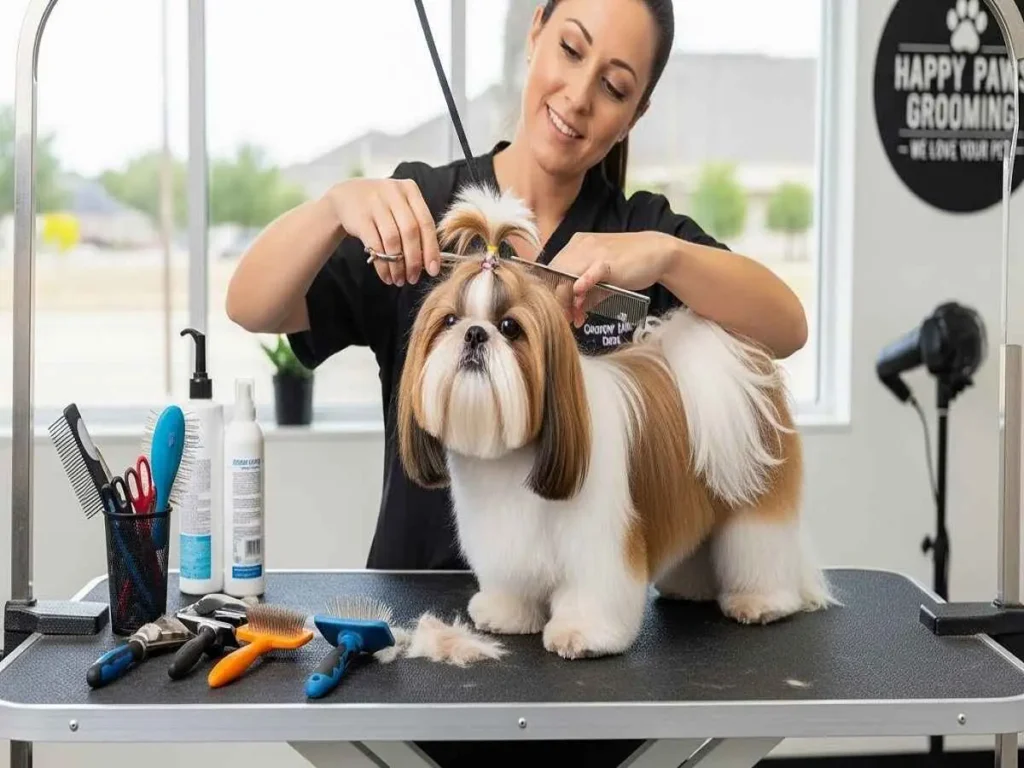
How often should I groom my dog?
With all dogs, I always start with regular brushing because it helps remove loose hairs and dead skin cells from the coat, keeping it free of dirt, debris, and external parasites. Brushing also helps distribute natural skin oils along the hair shafts.
From experience, long silky curly coats need daily brushing so they don’t get tangled or matted, especially near the ears, armpits, and back of the legs, while short haircoats usually need less frequent brushing.
When a dog sheds, daily brushing can cut down loose hair and dog dander around the home, and it lowers the chance a dog swallows hair during self-grooming with the tongue. I make it a habit to inspect my coat every day for tangles, clumps, armpits, groin, and behind
The ears, especially after grass or woods walks, where burrs and twigs get trapped and cause irritation. This routine lets me check the coat and skin for unusual lumps, bumps, parasites, fleas, ticks, and areas of sensitivity on the body.
From hands-on work with many breeds, I’ve learned that Different styles of brushes suit certain types of hair coats. For example, slicker brushes work well for Poodles with curly non-shedding coats.
While combs or stiff-bristle brushes fit dogs with medium-length hair that sheds, like Retrievers. I’ve also used tools with short bristles and flexible grooming gloves on smooth-coated dogs such as Pointers and Boxer Dogs, and they make grooming quick and calm.
For dogs with long hair, including Collies, long-toothed combs with offset rows help with removing tangled clumps and loose undercoat hair during seasonal shedding. I often suggest asking your breeder or groomer for specific recommendations on the best grooming tool for your dog’s coat type.
Whatever you choose, be gentle, avoid excessive pulling, and work slowly through tangles to keep grooming stress-free.
How should I remove tangles or burrs?
When grooming, small tangles or minor burr or twigs can often be gently removed by brushing or combing. But an extensive tangle or large clump of burrs, grass awns, or a mat may need more care.
Sometimes you have to cut out a clump of hair, but you must be extremely careful not to accidentally cut the skin. Scissors are never recommended; instead, clippers are safer. For severe tangles or extensive mats, professional care from a dog groomer or veterinarian is best, especially if there is skin irritation that needs appropriate treatment.
Always brush out burrs and tangles BEFORE bathing, because after a bath they become impossible to remove. Trying to fix tangles after a bath often worsens the matting.
How often should I bathe my dog?
From my experience, most dogs only need bathing on an occasional basis, like when their coat is dirty or there’s a doggy odor. Non-shedding breeds with no health issues usually do fine every six to eight weeks, while dogs with a heavy undercoat benefit from baths in spring or fall during seasonal shedding.
The frequency can vary depending on age, lifestyle, hair coat type, and underlying health. A young puppy that’s just house-trained and soils himself should be bathed immediately. Dogs that are running through puddles, jumping into water, or going on a stroll in mud or a dirty pond also need a bath.
Dogs that enjoy rubbing head in decomposing debris at the park or rolling in objectionable objects may need more frequent care. For allergies, your veterinarian might suggest frequent bathing as part of a treatment regime, sometimes even daily bathing until the problem is under control. You may need special shampoo, a conditioning rinse, or dry shampoo to prevent skin problems from repeated baths.
Bathing and Hair Care Tips for the Shih Tzu Dog Breed:
No, dogs should only be bathed with shampoo formulated for dogs, because their skin has different thickness, pH, and acidity compared to human skin. Human shampoo, even baby shampoo, is too harsh. The best choice is a hypoallergenic shampoo without added perfumes for regular bathing.
When you bathe your dog, always use warm water for comfort and to help shampoos clean effectively. Depending on the dog’s size, a laundry tub, bathtub, or walk-in shower stall works best.
Avoid the garden hose with cold water as dogs often dislike being bathed that way. Applied shampoo should be worked through the entire coat to remove dirt and debris, and for thick coats it can help to dilute shampoo for easier apply and rinse out.
Follow routine bathing steps carefully, and for medicated shampoo, let it sit on coat for 5-10 minutes before being rinsed out. Finish with a conditioning product to restore moisture to the skin and minimize dandruff after the bath.
For dogs with long hair, depending on circumstances, a coat cut short in summer can make them comfortable, but always leave at least 1” (2.5 cm) of haircoat to avoid sunburn or sun damage.
A groomer or veterinarian can determine the best approach for comfort. Be aware of the rare complication called post-clipping alopecia in plush-coated breeds like Huskies and Pomeranians, which may cause delayed hair regrowth for up to two years.
Health Issues & Prevention Tips for the Shih Tzu Dog Breed:

From my experience with Shih Tzu, the average lifespan is long, usually 10–18 years. They are a healthy breed overall, but like all dogs, they can be prone to certain medical conditions. Knowing this helps you watch for early signs and give your Shih Tzu the care they need to stay happy and active.
Even though they live long lives, regular checkups, a balanced diet, and gentle exercise are important. Understanding that they are generally healthy breed overall, yet prone to some medical conditions, allows you to prepare and prevent issues before they become serious
Brachycephalic Health Risks:
Shih Tzu Dog Breed is brachycephalic, meaning they have a short, squished muzzle and flat faces. This puts them at a higher risk of overheating or heatstroke, especially in hot summer weather.
Many dogs of this type can develop brachycephalic syndrome, which includes upper airway abnormalities like small nostrils, a long soft palate, a collapsing trachea, and extra tissue in the back of the throat, causing trouble breathing.
If these problems become severe, a veterinarian may recommend surgery, ideally when the dog is a puppy, to prevent serious breathing issues later. Understanding these risks helps owners keep brachycephalic dogs safe, avoid overheating, and monitor their breathing closely during exercise or hot days.
Managing Obesity in Shih Tzu:
Shih Tzu Dog Breed is often overweight because they are not athletes and can easily develop obesity. Being overweight can lead to diabetes, arthritis, heart disease, and difficulty breathing. To prevent this, it’s important to limit treats to less than 10% of their daily calorie intake.
Regular controlled exercise is also key. Aim for 20–30 minutes of activity like walks or playtime daily. Consistent movement combined with proper diet helps keep your dog healthy and prevents the serious health issues that obesity can cause.
Luxating Patella in Shih Tzu
A luxating patella, also called patellar luxation, happens when the kneecap slips out of its normal position. This can cause discomfort, limping, or arthritis over time. Sometimes the dog may skip or hold up a back leg while walking, but the kneecap often returns to the correct position on its own.
In severe cases, surgery may be needed to fix the luxating patella and prevent long-term joint problems. Observing your dog for signs of limping or unusual walking patterns can help catch this condition early and keep your Shih Tzu comfortable.
Dental Health and Periodontal Disease:
Shih Tzu are prone to periodontal disease, a type of dental disease because their small mouths can easily overcrowd teeth. This leads to tartar and plaque development, which can cause pain and infection if not managed.
Keeping a healthy mouth means routine teeth brushing, professional dental cleanings, and in some cases, surgical removal of problematic teeth. Regular care prevents serious dental issues and keeps your dog’s mouth comfortable and clean.
Hip Dysplasia in Shih Tzu:
Hip dysplasia occurs when the hip joints don’t develop properly, leading to arthritis, trouble walking, and pain. Veterinarians often use X-rays to check the joints and determine the condition’s severity..
Treatment usually includes medication or joint supplements to reduce inflammation and make walking easier. In severe cases, surgery may be necessary to restore mobility and improve the quality of life for your Shih Tzu.
Eye and Liver Health in Shih Tzu:
Shih Tzu are prone to eye problems due to inherited eye conditions such as glaucoma, chronic dry eye, and cataracts. These conditions can be painful, causing red eyes, bulging eyes, eye discharge, rubbing eyes, cloudy eyes, squinting, and even blindness. Consult a veterinarian if you notice any concerns with your dog’s eyes.
Another serious issue is liver shunts, also called portosystemic shunts, a liver disease where toxins in the bloodstream bypass the liver, which normally filters them. When toxins build up, dogs may develop chronic gastrointestinal issues, stunted growth, or neurologic signs like ataxia (a drunken sailor gait) and seizures.
Diagnosis involves blood testing and abdominal imaging, while treatment can include surgery to repair the shunt, diet changes, and oral medications for milder signs.
Ear and Kidney Health in Shih Tzu:
Shih Tzu Dog Breed with floppy ears are prone to ear infections because air flow in the ear canals is limited and fur can trap moisture, leading to red, painful, and itchy ears. A veterinarian performs a thorough examination and may treat the infection with topical medications or oral medications to relieve discomfort and prevent complications.
Kidney issues like glomerulonephritis are inherited and cause excess protein loss, making the kidneys malfunction at an early age. Signs include lack of appetite, vomiting, diarrhea, increased thirst, increased urination, weight loss, and muscle wasting. Management involves therapy with diet changes, oral medications, and sometimes fluid therapy to support kidney function and overall health.
Prevention tips:
Routine veterinary care is essential for your Shih Tzu to catch and address health issues before they become serious. Annual wellness checks allow your vet to monitor your dog’s health and keep vaccinations up-to-date. Protecting your pet from heartworm, fleas, and ticks with preventive treatments keeps them safe from severe health problems.
Spaying or neutering your Shih Tzu promotes a healthier, longer life while preventing cancers and reducing behavioral issues like roaming. Discuss the timing of these procedures with your vet to ensure the right age for your pet.
Daily care also includes proper exercise, grooming, dental health, and mental stimulation. Despite their small size, Shih Tzus need regular exercise such as daily walks and playful interaction to maintain a healthy weight, physically fit body, and mentally stimulated mind for overall well-being.
Dental health is crucial; routine brushing, vet-approved dental treats, and addressing dental diseases keep gums and teeth healthy. Grooming prevents tangles and mats in the fur, keeps skin clean, and helps monitor ears for infection.
Finally, mental stimulation through puzzle toys, new tricks, and social interactions prevents boredom and keeps your Shih Tzu happy. Choosing health-tested parents from breeders like Divine Pups ensures lineage, long-term health, and reduces inherited conditions, giving your puppy the best start.
Price of Keeping a Shih Tzu in the USA:
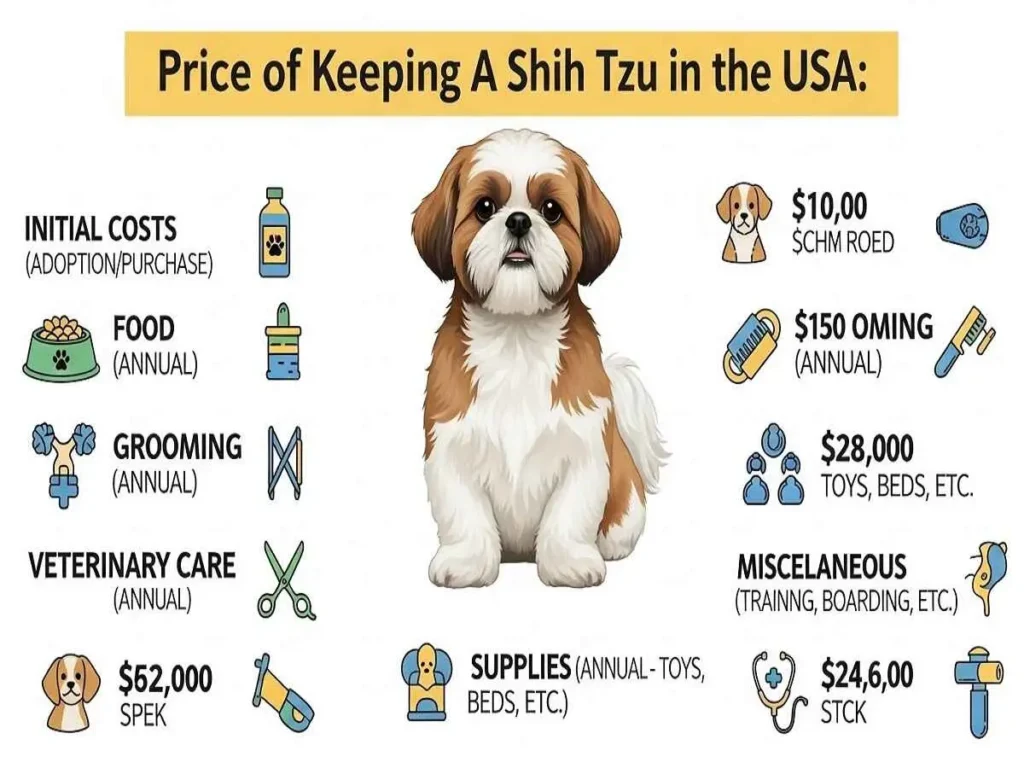
When it comes to buying a Shih Tzu from a reputable breeder, the cost can range widely. At the low end, you might spend around $500, but a championship show-dog lineage can go up to $5,000.
Teacup or miniature Shih Tzu puppies usually cost between $1,500 and $2,000. Adopting from a pet rescue or humane society is much cheaper, often around $100 to $300, which can include microchipping, spaying, neutering, and vaccinations.
During a Shih Tzu’s first year, costs vary depending on your location and the specific services or items you choose. Toy breeds like Shih Tzus reach maturity at about 10 months. Their brachycephalic (or flat-faced) nature can cause breathing issues, sometimes requiring surgery for brachycephalic obstructive airway syndrome.
Other common orthopedic conditions include hip dysplasia ($1,700–$4,500) and patellar luxation ($1,500–$3,000 per affected knee). Shih Tzus are highly trainable, but a stubborn streak can mean you’ll spend on training early, whether in group classes, one-on-one training, or online training ($60–$100 per hour).
Professional service dog training can range from $150–$250 per hour. Lastly, being a pet parent means preparing for unexpected costs like emergency vet costs, boarding fees, and dental care, including treatments and preventive care.
Shih Tzu Dog Breed for Apartments, Kids & Seniors:
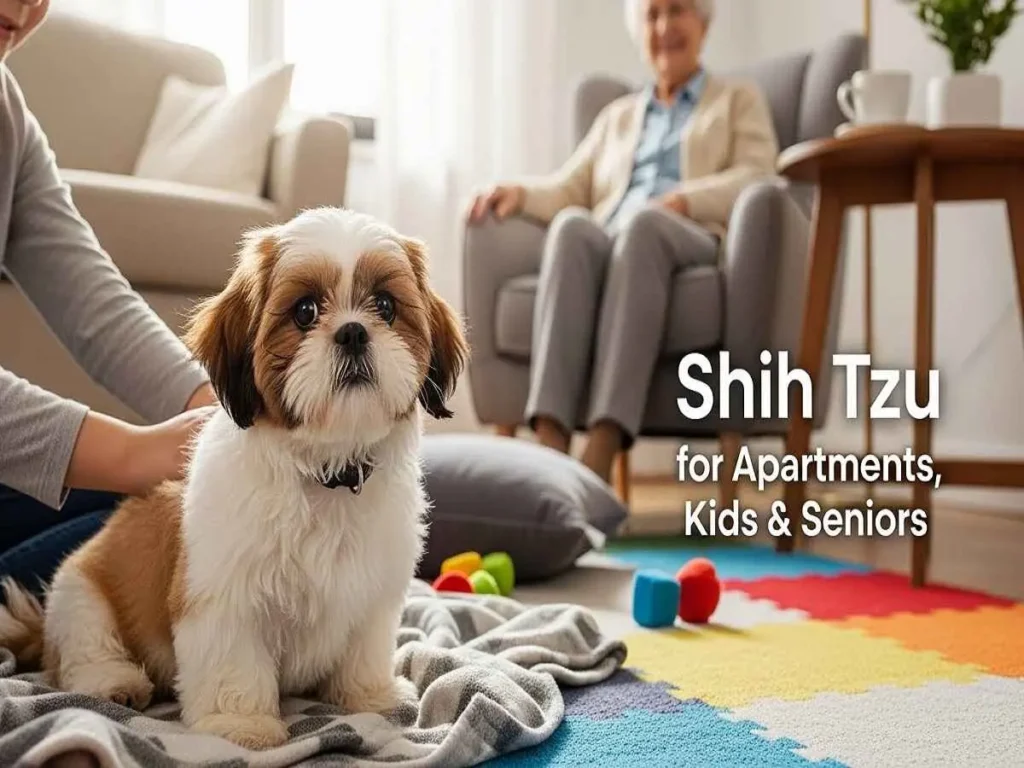
Shih Tzu Dog Breed are excellent companion for apartments, families, singles, and retirees because of their small size and low exercise needs. A daily walk and some playtime usually keep them happy, making them perfect indoor companions.
They were bred as lap dogs and thrive indoors, so you don’t need a large yard for them to stay healthy and content. These dogs have an affectionate, gentle nature, but also require attention to their high grooming needs and delicate structure.
Supervision around young kids is important to prevent accidents. Overall, they are an ideal choice for anyone seeking a small, loving pet that adapts well to indoors and smaller living spaces.
With Kids:
Shih Tzus are gentle and friendly, with a good-natured personality that makes them excellent family pets. Their small size means that interactions with young children need supervision to prevent any accidental injury.
Because of their affectionate nature, they enjoy playing and cuddling with kids but must always be handled carefully. With proper guidance, Shih Tzus can become loving, safe companions for families with young children.
For Seniors & First-Time Owners:
Shih Tzus are loyal companions, affectionate, and devoted, making them ideal for retirees seeking a loyal friend. They adapt well to calmer lifestyles and are great for seniors who want a loving, low-maintenance pet.
These dogs provide constant companionship and emotional support while being easy to care for. Their gentle nature allows first-time owners and seniors to enjoy a strong bond with a pet that is both playful and affectionate without overwhelming energy.
Training & Behavior Challenges of the Shih Tzu Dog Breed:
Shih Tzus, especially as a young puppy, can show chewing habits and enjoy soft chewy toys or squeaky toys. The bigger challenges are often barking, refusal to come, or guarding issues when they try to protect what is theirs.
These lapdogs are intelligent yet stubborn, which can make housebreaking, separation anxiety, and selective hearing common. Their independent, pampered nature means patience, consistency, and positive reinforcement using treats and praise are essential to overcome stubbornness, excessive barking, nipping, or fear.
Early socialization, consistent routines for feeding, potty breaks, and training, plus short sessions that are fun, help manage their attention spans and keep willful behavior under control.
Commands only work if they are motivated, and small bladders or bad weather can complicate strict routines. Especially with a deep attachment leading to distress if left alone, bored, or anxious around strangers or new situations.
Effective strategies include positive reinforcement with high-value treats, praise, and play for desired behaviors, since harshness will shut down learning. Consistency and patience are key for housebreaking and general obedience, using short engaging sessions. Early socialization with puppies, people, pets, and different environments helps build confidence.
Crate training offers a safe space, while mental stimulation through puzzle toys or learning tricks prevents boredom and destructive behaviors. Maintaining a routine with regular potty, feeding, and play schedules ensures Shih Tzus stay happy and well-adjusted.
Shih Tzu Puppy vs Adult vs Senior Care:
Shih Tzu Puppy Care (0–12 Months):
Raising a Shih Tzu from puppyhood requires understanding their high-energy and curious nature. During the first year, they need intense training and socialization to prevent mischievous behavior.
Their diet should include high-calorie, nutrient-dense food to support rapid growth. Exercise should be in short frequent sessions, like short walks and playtime. Puppies need a lot of sleep, around 18–20 hours, to grow healthy, so balancing activity and rest is important.
Training should focus on positive reinforcement, and keeping routines consistent helps manage their lively personality. Health care is essential, with regular vaccinations, vet check-ups, and attention to puppy-specific conditions.
Grooming is equally crucial daily brushing prevents matting and helps with coat changes as they transition from puppy to adult hair. From my experience, starting these habits early makes a huge difference in keeping a happy, healthy, and well-behaved Shih Tzu.
Adult Shih Tzu Care (1–10 Years):
As adults, Shih Tzus have lower energy than puppies but still need regular, moderate exercise to stay healthy. A daily walk and some indoor playtime help maintain muscle strength and overall health.
Owners should provide a balanced, calorie-controlled diet to prevent obesity because these dogs are less active than before.. Adults sleep around 12–14 hours a day, so it’s important to give them quiet time while also keeping their minds sharp with learning tricks or simple puzzle games for mental stimulation.
Grooming remains important, usually every 4–6 weeks, and many owners choose a “puppy trim” to make coat care easier. Regular dental care, including brushing, is essential, and monitoring for eye issues can prevent bigger problems later.
From experience, maintaining a consistent exercise, diet, and grooming routine makes adult Shih Tzus healthier, happier, and more playful, even as they settle into their calmer adult personalities.
Senior Shih Tzu Care (10+ Years):
As senior Shih Tzus grow older, they experience a significant decline in activity and may show cognitive decline or face chronic health issues. Caring for an elderly, aging dog means supporting their mobility, energy, and mental alertness while keeping their physical condition stable.
During this stage, attention to wellness, routine check-ups, and gentle care is key to managing the effects of geriatric age, maturity, and overall reduction in strength.Providing a calm and safe environment helps manage deterioration in abilities and keeps senior Shih Tzus comfortable.
Regular monitoring of health, careful activity, and supporting their physical and mental needs ensures that even as lifespan progresses, these dogs feel loved, secure, and well-cared-for. From experience, small changes like slower walks, gentle stimulation, and consistent routines make a big difference in their wellness and quality of life.
FAQs?
Shih Tzus are small, sturdy dogs with a long, flowing coat, expressive eyes, and a friendly, affectionate personality. They are playful, loyal, intelligent, and well-suited for families, making them ideal companions for both children and adults.
The Shih Tzu breed originated in ancient China, where they were bred as royal companion dogs for Chinese emperors. Known as “lion dogs,” they were treasured for their charming appearance, luxurious coat, and gentle, loving nature within palace life.
Shih Tzus are popular due to their small size, friendly temperament, and adaptability to apartment living. Their playful yet affectionate personality, low exercise needs, and easy bonding with families make them one of the most loved companion breeds worldwide.
Training should start early in puppyhood, ideally around 8–10 weeks. Consistent, positive reinforcement helps shape behavior, socialization, and house training, ensuring a well-mannered adult dog while strengthening the bond between the Shih Tzu and its owner.
Shih Tzus are perfect for families, singles, seniors, or apartment dwellers seeking a small, affectionate, and low-maintenance dog. Ideal adopters enjoy companionship, gentle play, regular grooming, and building a strong emotional connection with a loving, loyal dog.
Conclusion:
Shih Tzu Dog Breed are affectionate, lively, and loyal companions that fit well in family homes across the USA. Understanding their needs from puppyhood to senior years, including diet, exercise, grooming, health care, and mental stimulation, ensures they grow happy and healthy.
Their small size makes them ideal for apartments, but they still require consistent training, socialization, and attention. Regular vet visits, proper nutrition, and gentle care strengthen their well-being and bond with owners.
By following a structured care routine, families can enjoy the playful, loving, and charming personality of Shih Tzus for many joyful years together.
