


What Is a Pomeranian Dog?
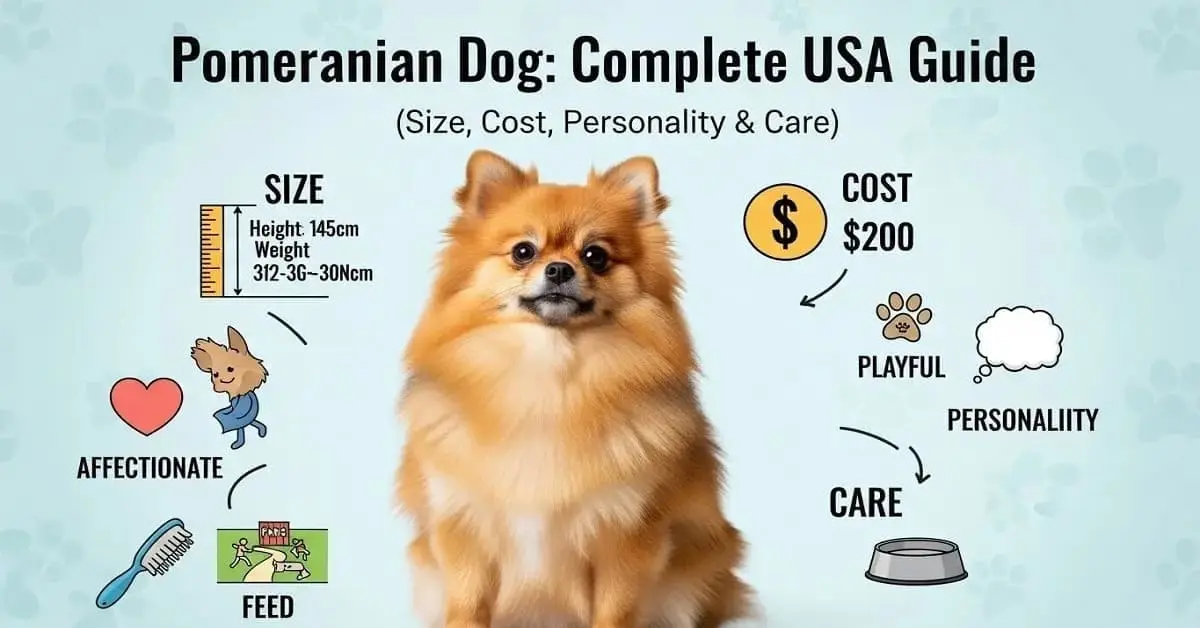
Starting with Pom, also called Pommy or Pome, the Pomeranian dog is a lively dog breed. With roots in the Spitz type family. This toy dog breed comes from the Pomerania region of north-west Poland and north-east Germany in Central Europe.
Despite its small size, it descended from larger Spitz-type dogs like the German Spitz. In my experience working with small breeds. This history explains why a toy dog like the Pom still shows confidence and alertness far beyond its size.
The breed gained fame through royal owners in the 18th century, especially Queen Victoria. Who preferred a small Pomeranian, making the smaller variety universally popular. During Victoria’s lifetime, the breed size decreased to half its size. By 2017, registration figures showed.
Since 1998, it ranked among the top fifty most popular breeds in the United States. And helped by the small dogs fashion and worldwide popularity. Today’s Poms are playful, peppy pups with active paws, a bright mind, and a peppy personality. Often described as a delightful Pom and lively bestie who thrives on quality time.
Historically linked to the Keeshond, Samoyed, and Norwegian Elkhound. The Pom traces back to early sled-dog ancestors from the duchy of Pomerania. In the early 19th century, it was bred down in size from a 30-pound sheepdog (about 13.5 kg).
Modern Poms are spirited yet docile, compactly built, with a foxlike head, erect ears. A and smallnd a long coat that is full around the neck and chest. From my hands-on grooming experience, the variety of colors includes white, black, brown, and reddish brown. It is part of what makes each Pom feel uniquely special.
Pomeranian Dog Size, Weight & Appearance:
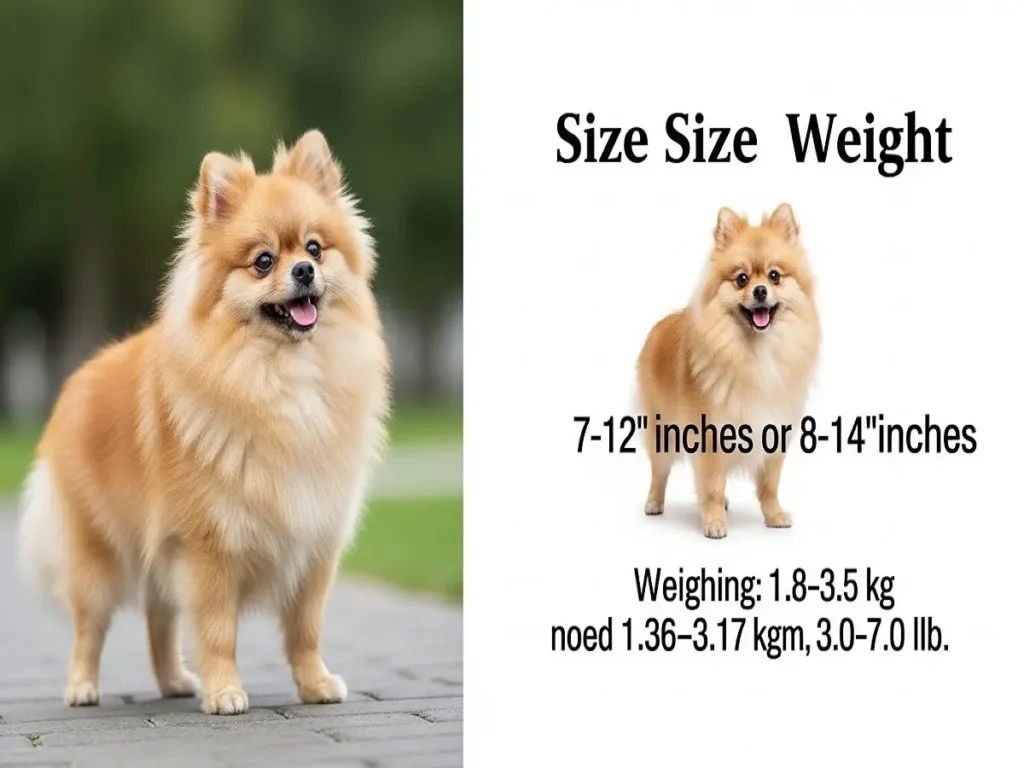
Starting with weight, Pomeranian dogs are small dogs that are hard to miss despite their small size and lightweight build. Most are small dogs weighing 1.8–3.5 kg, also noted as 1.36–3.17 kilograms or 3.0–7.0 lb, measured in kilograms and pounds. With a sturdy body that feels surprisingly solid when handled.
In terms of height, they stand 7–12 inches or 8–14 inches, equal to 20–36 cm, standing high at the withers. Which gives them a compact, sturdy look despite their height measurement being modest.
What truly defines the breed for me is the coat and color expression. The double coat features a soft, dense undercoat with a long, fluffy outer coat, creating an abundant, textured coat and a thick topcoat. A noticeable ruff of fur around the neck, plus fringe. And feathery hair on the hindquarters, makes this fluffy, well-known coat unforgettable.
The wide variety of shades and colours includes orange, cream, black, white, tan, brown, grey, blue, red, and chocolate. From the earliest examples of white, brown, and black, to Queen Victoria owning a small red Pomeranian in 1888. Which made that shade fashionable by the end of the 19th century.
The palette expanded in modern times to the widest variety of colors of any dog breed. Today you’ll see sable, black and tan, brown and tan, spotted, brindle, parti, and blue merle. And many color combinations, with the most common colors being orange, black, and cream/white.
The look is finished by a tail that is plumed, a highly plumed tail, carried high, over the back, set high, and lying flat, reinforcing. The image of compact dogs that are also sturdy.
Pomeranian Dog Temperament & Personality (real-life behavior):
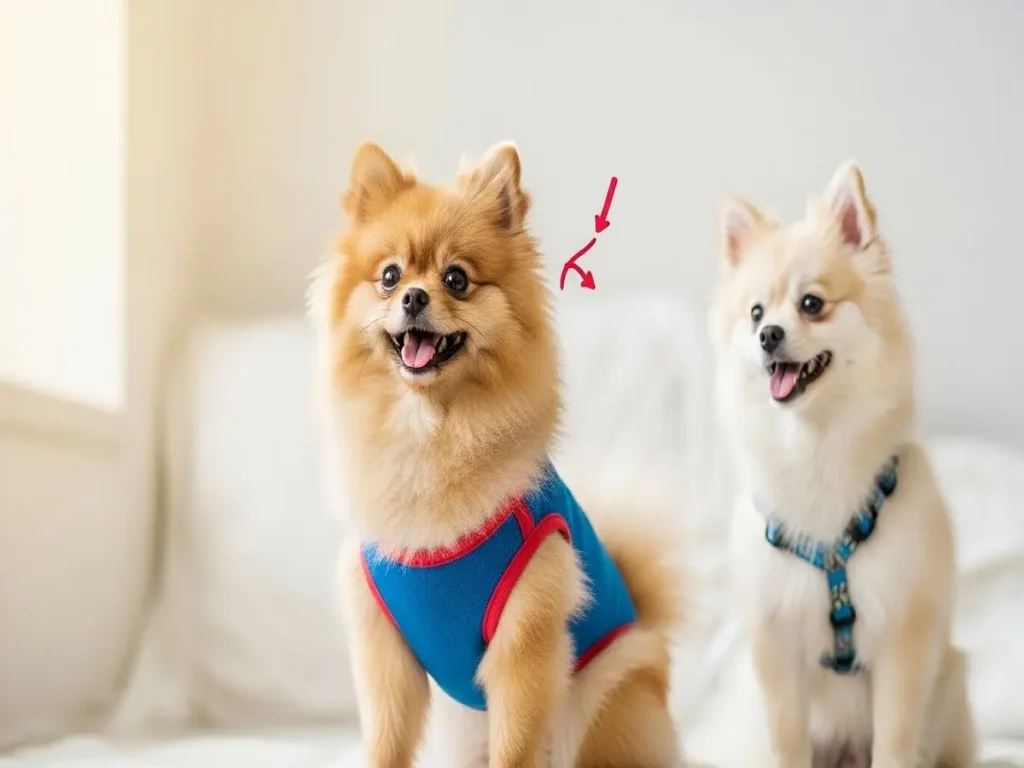
From hands-on experience, Pomeranians are perky, friendly, little dogs with a big personality that easily fills a room. Though small in stature and weighing 3–7 pounds, they do not realize their small size. And may tackle large dogs or even verbally threaten larger dogs.
These active little dogs need daily exercise, even a simple walk around the block, to stay balanced. They are intelligent, perform well in obedience competitions, and show a small independent streak.
Temperament:
With age, they become more amenable as lap dogs, yet still act as alert dogs and alarm dogs, which can lead to excessive barking. They are usually good with children, but cautioned that children must remember they are not sturdy like larger breeds.
Overall, their temperament is friendly, playful, and independent, making them ideal family pets. With standout personality traits such as energetic, loyal, loving, lively, outgoing, and quite intelligent behavior.
A small, determined dog, the Pom stays independent yet loyal to its owner, showing a high level of character. And being bold in nature, which means they can get into trouble when not supervised. Strong character traits include being intelligent, playful, and needing mental stimuli to stay busy.
Being fiercely independent, they may develop small dog syndrome, common in small dog breeds. With plenty of training, better social behavior, and consistent good behavior. They enjoy learning and become easier to train as you add new elements to the teaching regime.
Personality (real-life behavior):
This pint-sized Pomeranian and other perky pups truly pack a punch, staying outgoing, lively, courageous, curious, and extroverted. Known as Poms, they love being the centre of attention, giving endless entertainment to owners.
As part of the Spitz breed group, they are fiercely loyal, protective, and always on high alert. Aand nd act as personal watchdogs despite their miniature size. These vocal dogs have a distinctive yap. Although a toy companion dog, they are not lounging lap dog types. They stay energetic, have an inquisitive streak, and love to explore surroundings rather than just snuggling on the couch.
They are friendly, affectionate, loving dogs who form strong bonds with one person, sometimes getting big for little boots. Their tiny size and cute faces make owners forgive wrongdoings.
Which can cause behavior issues like stubbornness, entitlement, and aggression if they don’t know their place in the pack. With early socialisation and consistent training. They grow into a confident, well-mannered pooch, a small, spritely companion, and truly a breed for you.
Are Pomeranian Dogs Good Apartment Pets?
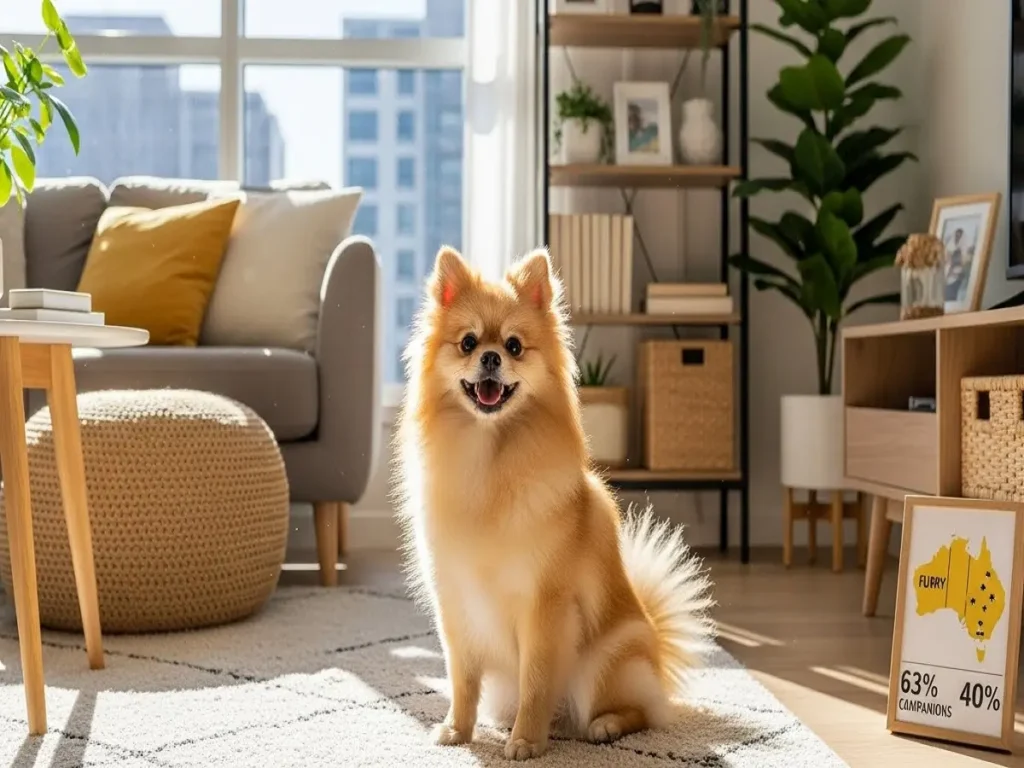
Many people assume limited space in a smaller home makes owning a dog difficult, but that’s not true. Around 63% of Australian households have a furry companion, and nearly 40% of those households own a dog.
Even with 10% of households in Australia being apartments. There are plenty of traits, beyond size, that make certain breeds ideal for apartment living. From personal experience, apartment dogs like the Pomeranian, Maltese. And Greyhounds can adapt well, provided they get enough exercise and attention. We’ve put together a list of the best dog breeds for apartments so you don’t miss out on the joy of apartment living with a pet.
These seven best apartment dogs are perfect for smaller homes, offering companionship without overwhelming space. Choosing the right breed means you can enjoy all the fun of owning a dog, even in a compact living situation. And ensure both you and your dog are happy and comfortable.
Pomeranian Dog grooming & shedding (what owners don’t expect):
If you own a Pomeranian dog or Pom, proper grooming is essential to keep its thick double coat healthy and tangle-free. According to Denise Leo, who has been handling show-winning champion Pomeranians for over 50 years. A consistent routine of everyday coat care and professional show-preparation techniques makes all the difference.
Their soft insulating undercoat and longer guard hairs need regular maintenance to prevent tangles, loss of volume, or skin irritation. Using the best tools, including a slicker brush, pin brush, and a variety of brushes for daily, weekly, or monthly maintenance. Helps maintain a beautiful coat and keeps your family companion comfortable.
Bathing frequency should be adjusted to the season, usually once a month in winter and more in summer. While nails must stay short, and the rear end and eye area must be kept clean. DIY grooming can save money and create an enjoyable bonding experience while keeping your Pom dog ownership at its best.
Regular brushing at least three times a week is ideal, especially during heavy shedding periods. And daily care removes loose undercoat before it forms mats. Professional grooming every four to six weeks, including trimming, cleaning ears, nails, and anal glands, ensures your toy dog’s appearance stays polished.
Use warm water, oatmeal shampoo, condition the bottom half, blot dry towels, and forced air. While brushing simultaneously to create a fluffy coat. Avoid human hair dryers to prevent skin burns.
Understanding Pomeranian shedding, including seasonal shedding, puppy shedding, and other shedding. After a female weans litter, helps manage long-haired dog breeds efficiently. With consistent attention, the right tools, and a regular grooming schedule year-round. Your little companion can stay healthy, looking best, and feeling best.
Common Pomeranian Dog health problems:
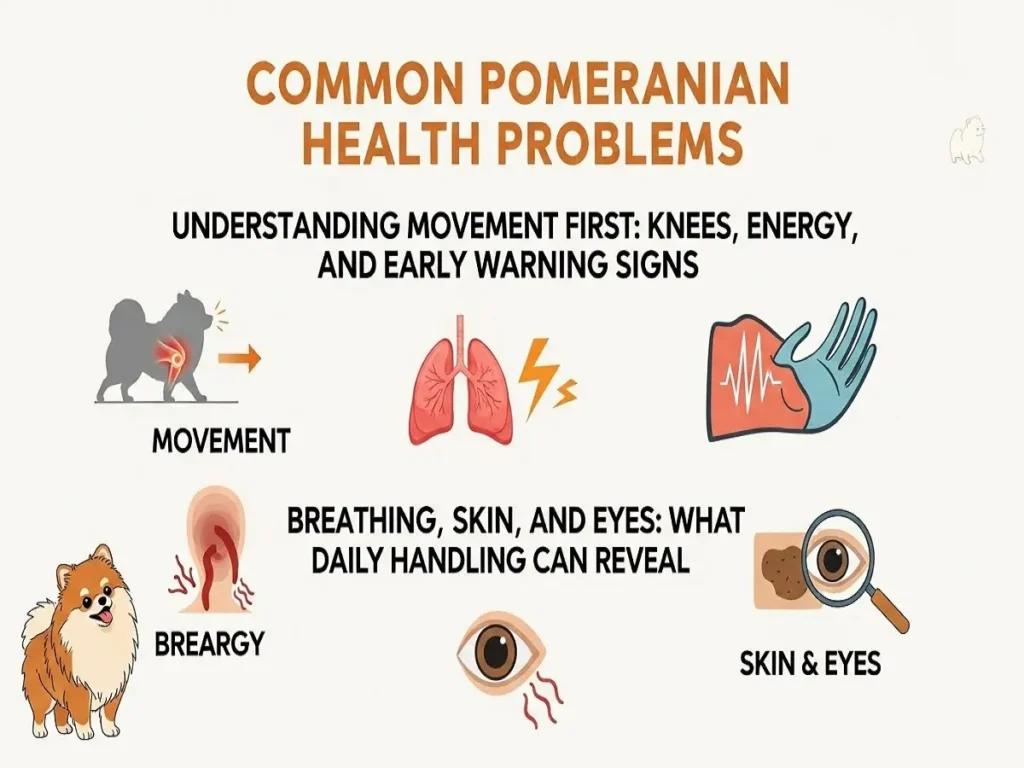
Understanding Movement First: Knees, Energy, and Early Warning Signs:
In my years working with small breeds, I often tell new Pomeranian or Pom owners to watch movement before breathing, because patella luxation is easy to miss; the kneecap slips due to abnormal bone formation or injury, and you may see skipping, running on three legs, then back to four legs,
Often graded one to five, with severe cases needing surgical repair. Young dogs may also show hypoglycaemia, especially puppies under 3 months, where small breed dogs can have a sudden drop in blood sugar, causing weakness, lack of appetite, coordination difficulties, shaking, twitching muscles, or seizures, often linked to improper feeding or a poor quality diet.
I have also seen open fontanel in puppies, teeth problems, gonad descent abnormalities, and rare liver shunts, which is why a reputable breeder matters and why the UK Kennel Club category two list highlights points of concern beyond looks.
Breathing, Skin, and Eyes: What Daily Handling Can Reveal
Even when legs look fine, always protect the small neck and small windpipes, because a collapsed trachea is an inherited condition made worse by collar pulling and leash pressure, leading to airway collapse.
I always recommend a harness; common symptoms include honking noises, coughing, wheezing, and difficulty breathing, managed through veterinary management, medication, or surgery.
Owners often confuse this with reverse sneezing, where air is inhaled rapidly through the nose, causing snorts, hacking, and honking from an irritated larynx, irritated palate, or pharynx muscle spasms, triggered by nasal irritation, allergic reaction, or irritants like smoke, pollen, or perfume, sometimes eased with antihistamines.
Over time I also check eyes and skin for cataracts in toy breeds, seen as cloudy eyes, grey eyes, or white eyes that prevents light reaching the retina, causing vision reduction, often from old age, diabetes, or eye diseases, many hereditary and screened under an Eye Scheme.
Signs include cloudiness, a grey tinge, loss of vision, and bumping into things, with surgery as an option. Less painful but worrying is distichiasis, where long eyelashes or abnormal lashes poke the eye, causing discomfort or corneal ulcers. Treated with ocular lubricants, plucking, electrolysis, or cryotherapy.
Coat-wise, black skin disease or alopecia X shows fur loss, a thin coat, patches, dull skin, dry skin, and discoloured skin. And blackened skin around the tail area and back legs, often tied to hormone imbalance, allergies, obesity, or genetic factors; it’s usually a painless condition.
While treatment may regrow coat or prevent hair loss, I also rule out hypothyroidism, Cushing’s disease, heart disease, eye problems. And other causes of seizures, including puppy hypoglycemia.
Pomeranian dog lifespan & how to increase it:
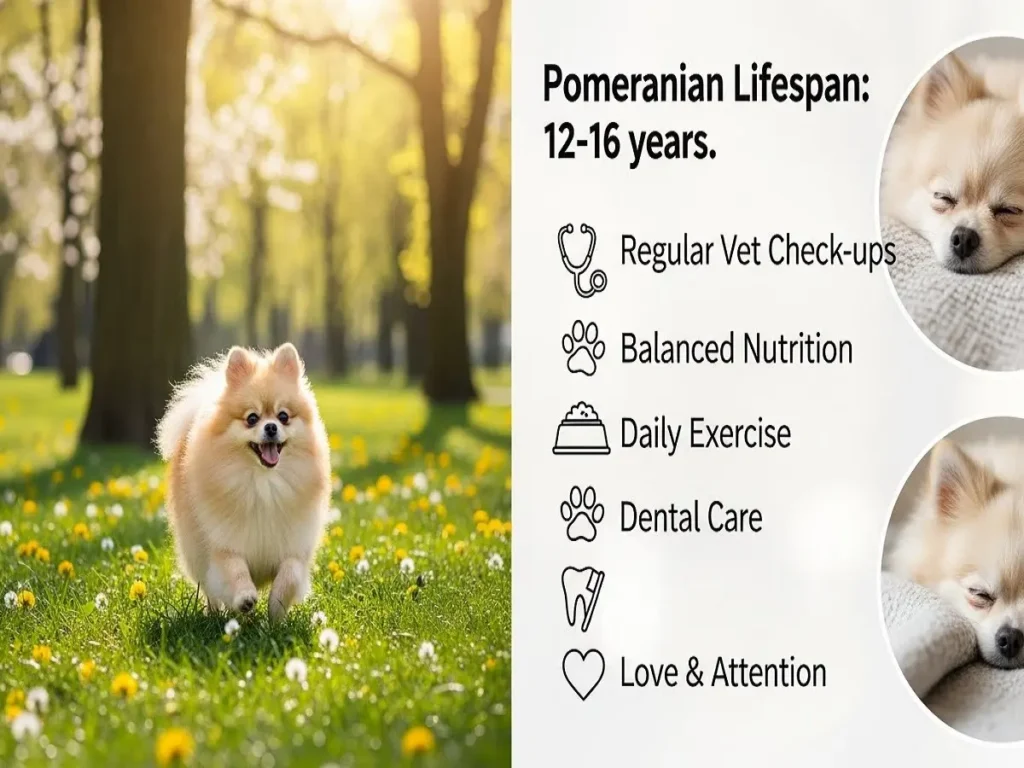
From my years of experience with the Pomeranian dog breed. I have seen why this beloved small companion is known for its size and lively personality. The average lifespan is 12-16 years. According to the American Kennel Club (AKC), their life expectancy falls. Within the range of other small dog breeds like the Maltese and Toy Poodles.
It is essential to acknowledge various factors that influence this expectancy. Every informative article should delve into influencing lifespan. While shedding light on common health concerns associated with a caring owner mindset is crucial to understand, optimize well-being. And help dogs thrive throughout life.
Many people ask, What is the life expectancy of Pomeranian dogs, and how long do they live. Most small dogs mature earlier than larger breeds, which is good news because they tend to have longer lives.
From my observations as a breeder of champion Pomeranians since 1975, with an extensive. Information library and records show the average lifespan is 10 to 16 years. Some Poms live longer, but deadly things can shorten life, so care must be taken to ensure a long lifespan. Keeping them trim, fit, and happy matters because the number one cause of death is trauma.
Toy dog breeders note they mature earlier and live longer than bigger dogs, while Genes affect lifespan. Female dogs outlive males by 1.2 years, living 1.5 times longer on average. Like humans, the canine body can be genetically predisposed to contracting disease, especially serious ones, which can change longevity.
How much does a Pomeranian dog cost in the USA?

Starting with pricing, my experience with Pomeranians and Poms as beloved small dog breeds shows why they are worldwide sought for their feisty show-dog personalities. In this article, I review the intricacies of Pomeranian pricing, the factors that influence cost, and what to expect to pay throughout their lives.
The amount a pet parent will spend when buying can vary a lot. A reputable breeder may charge between 1,500 and 3,000 for puppies, while championship show lineage dogs can cost much more, even 10,000. Rarer colors often set you back about 5,000, and a teacup Pom is average around 1,800.
From another angle, adopting through a pet rescue or shelter is typically the most cost-effective option. On average, adopting will cost between 100 and 300, which can include costs like spaying, neutering, vaccinations, and microchipping.
Poms remain puppies until 10 months of age, though most growth happens during the first six months. Below are expenses that are typical for a Pom, but location, specific services, and items you choose always shape the final budget.
| Item | From | To |
| Intial vaccination and preventive care | $375 | $1,085 |
| Microchipping | $60 | $80 |
| Spaying/neutering | $340 | $1,500 |
| Dog care basics | $120 | $1,460 |
| Food* | $68 | $625 |
| Treats | $96 | $192 |
| Grooming | $400 | $1,200 |
| Training | $119 | $300 |
| Annual Exams** | $280 | $440 |
| Pet Insurance | $336 | $1,080 |
| Annual Cost | $2,194 | $7,962 |
Pomeranian dog pros & cons (honest section):
A Pomeranian, often called Poms, is a choice many people consider when thinking about getting a new dog, sometimes after taking a quiz like Should You Get One. This lively, fluffy companion can be the right breed if you want to learn the real pros and cons of owning a puppy.
From expert insights shared by Denise Leo, you can know what to expect when bringing one home and explore their personalities, affectionate nature, grooming needs, and health considerations before welcoming a pet.
Their intelligence level is high; they thrive on challenges, enjoy dog sports, need training, learn fast, perform tricks, and absorb information quickly despite their diminutive size.
Adventurous Energy Watchdogs:
They may confront bigger dogs, refuse to step back or give down, and stay active, playful, extremely friendly, and fiercely protective of owners. Their adventurous energy makes good watchdogs who can hear or see something wrong in the house, use a loud bark at the doorbell, during knocks, or when a stranger appears, acting as an alert and deterrent.
Grooming includes caring for a glorious, puffy coat that handles weather, keeps them warm, and needs regular care and maintenance with two layers: inner and outer, a base that is dense for colder days and lighter for summer, brushed daily with a brush for attention, staying healthy and clean, avoiding damaged areas that risk poor regrowth, and trusting a trained professional for hair care.
Frequent barking, talking at cats, meowing sounds, or irritating behavior can seek attention, showing a boisterous spirit. They may chase squirrels, react to people walking, get excited, warn to keep you safe, and bond closely with human parents.
The Napoleon complex, sense of royalty, quarreling style, refusal to concede, and history among small breeds linked to Queen Victoria shaped the modern, cute trait. They are easy to stay healthy with exercise like running, walking, fetch in a garden, managing weight, calories, food, a short street or court walk for a compact body.
With kids, being kid-friendly depends on families watching for hurt, children playing turning rough, a proud dog might lash out, so wait until ten and keep supervised. They greet a best friend with a tail wagging, spin in circles sensing danger, and loyalty is embedded in genes.
Separation anxiety, strong attachment, feeling absent, changes in behavior, sadness, crying, and help from a trainer are common. Spinning nonstop at high speed can make you dizzy, especially with a leash, pure chaos, yet ecstatic joy.
Health Tips:
Health topics include black skin disease, alopecia, genetic issues seen in spitz types, hair loss, discoloration, and a warning to see a vet. Luxating patella, a kneecap slipping from its socket, influenced by environment, diet, jumping, and sometimes inherited, may need surgery from a veterinarian.
A collapsed trachea involves cartilage, windpipe, blocked airflow, a frightening cough, medicine, symptoms like breathing trouble, gagging, honking, urgent diagnosis, and treatment.
Food allergies from chemicals, preservatives, additives, corn, wheat, and meats cause reactions, so choose natural quality diets.
Dental Care Pros And Cons:
Dental care covers teeth, dental breath, brushing, toothpaste, plaque, tartar, water additives, and even brands from Amazon. Their temperament is extroverted, loves attention, begging, and may manipulate for treats.
Potty training can be tricky in an apartment or farm, still learning. The lifespan ranges from 12 to 16 years, only estimates, helped by rest and TLC. Colors include red, orange, black, sable, cream, white, merle, chocolate, and brindle, changing with maturity.
A purebred cost may reach 2,000, 8,000, or 5,000, while a rescue or shelter lowers price. Portability allows a backpack or stroller, though size has drawbacks like stepping on or tripping, yet advantages in costs, food portions, and deposits.
From Pomerania in Germany and Poland, descended from wolves, arctic, working spitz ancestors, they remain loyal to a master, well protected by enduring qualities.
Is a Pomeranian dog right for you?
Choosing the right dog for your lifestyle can feel far from easy. Whether you’re a first-time or experienced owner, finding the perfect companion takes careful consideration. From my years of experience.
A little dog with a lot of personality, like the Pomeranian, can truly bring joy and energy to a home. You must look beyond the fluffy exterior and understand the breed’s temperament, activity needs, and affection levels to ensure it fits your daily routine.
If you’re in the market for a Pomeranian, take. Your time to assess your ability to provide attention, exercise, and proper care. This breed may be small, but it thrives on interaction and mental stimulation.
The right Pomeranian can become more than a pet; it becomes a loyal companion that brightens every day. I’ve seen firsthand how thoughtful choosing leads to a happy, well-adjusted dog, making the sometimes difficult decision worthwhile.
FAQs?
Pomeranians can be good family dogs if properly socialized. They are affectionate, loyal, and playful, but their small size means they require careful handling around young children. Supervision and gentle interaction make them excellent companions for families.
Yes, Pomeranians tend to bark frequently. They are alert and protective, often using barking to warn of strangers or unusual activity. Consistent training, positive reinforcement, and mental stimulation can help manage excessive barking while keeping them confident and happy.
Pomeranians are not naturally aggressive but can act defensively due to their small size. Proper socialization, training, and positive reinforcement reduce aggression. They are usually friendly with family members and other pets when taught boundaries and encouraged to be confident and calm.
Pomeranians typically live between 12 and 16 years. Their lifespan depends on diet, exercise, genetics, and healthcare. With regular vet visits, proper nutrition, and daily activity, they can enjoy a long, healthy, and active life as cherished companions.
Pomeranians can tolerate short periods alone but are prone to separation anxiety. They thrive on interaction and companionship. Gradual training, toys, and safe spaces can help them adjust. Long absences should be avoided to prevent stress and destructive behavior
Pomeranians require regular grooming due to their dense double coat. Brushing several times a week prevents tangles, mats, and shedding. Professional grooming helps maintain coat health. While not impossible, consistent care and attention make grooming essential for a happy, healthy Pom.
Pomeranians are small dogs, usually weighing 3 to 7 pounds and standing 6 to 7 inches tall. Despite their compact size, they have a bold personality. Proper diet, exercise, and health care ensure they stay fit and proportionate.
Conclusion:
Pomeranians are small but lively dogs that bring a lot of joy to the right home. Known for their fluffy coats, playful personalities, and bold attitudes, they are affectionate companions who thrive when given attention, exercise, and proper care.
Their compact size makes them perfect for apartments or smaller living spaces, though their energy and curiosity mean they still need daily mental and physical activity.
Owning a Pomeranian comes with responsibilities, including grooming, health monitoring, and socialization. Their cost can vary widely depending on pedigree, color, or whether they come from a breeder or a shelter, but the investment is worthwhile for families ready to commit.
They are intelligent and trainable, making them suitable for owners who are patient and consistent. Pomeranians can form strong bonds with their humans, often displaying loyalty, alertness, and even protective instincts beyond what their tiny bodies suggest.
While they are not ideal for very young children due to fragility, Poms are excellent companions for families, singles, and seniors alike. Understanding their personality and care needs ensures a happy, healthy life. With proper attention, love, and commitment, a Pomeranian can be a joyful, entertaining, and devoted addition to any home for many years.
