


Introduction:
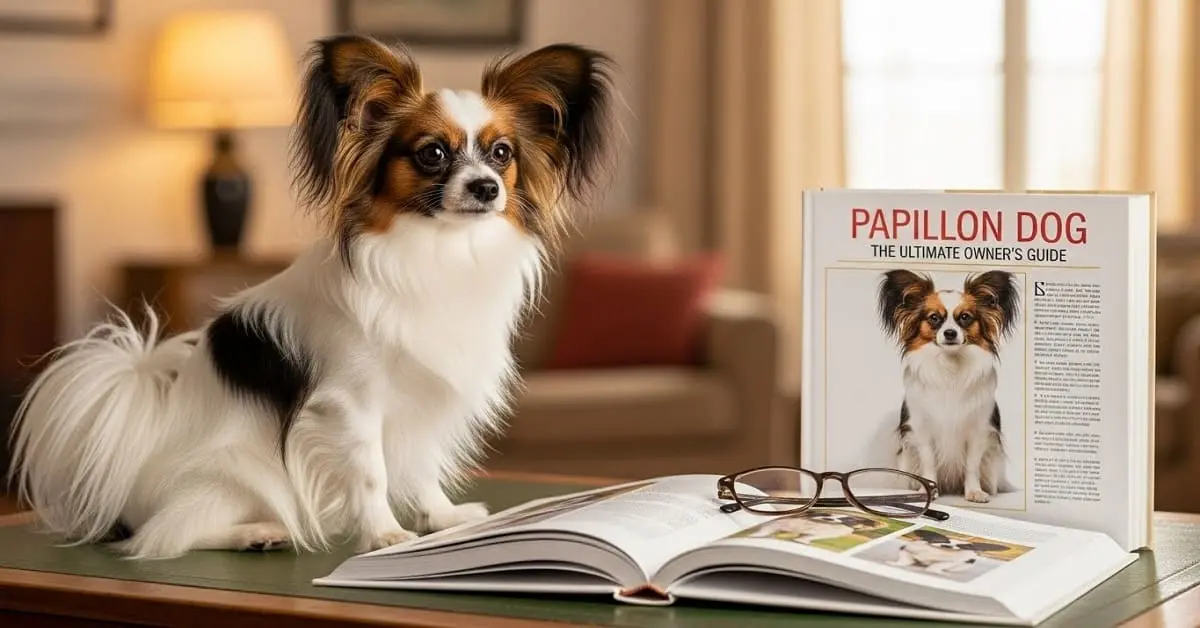
A Papillon Dog is a recognized breed that begins with an ideal dog concept a vision of the perfect specimen. This includes a clear description of physical traits, temperament, and movement, which are carefully judged at dog shows.
The breed standard is first defined by a parent breed club, reflecting the qualities breeders and enthusiasts strive to preserve. Once established, it is officially accepted by national kennel clubs and international organizations, ensuring uniformity and consistency across breeding programs worldwide.
These standards protect the unique traits of the Papillon Dog, including its butterfly-like ears, lively personality, intelligence, and elegance. They guide breeders, judges, and owners in understanding what makes this small dog breed truly exceptional.
The Papillon takes its name from a French word meaning butterfly, which fits the Papillon dog breed perfectly. These small dogs are known for big ears with long wispy hair shaped like butterflies’ wings.
I first noticed this elegance while watching show rings. There, history feels alive through artwork from the 16th century in Western Europe. The Papillon Club of America (PCA) preserves this heritage, which still appears in today’s popular family dogs and loyal canine companions.
In daily life, Papillons usually stand 8–11 inches tall and weigh 5–10 pounds. Their compact size and dainty stature make them adaptable. while their elegant coat suits many climates and settings.
They are happy and friendly dogs who enjoy spending time with humans. From my experience training toy breeds, I have found that they excel in the agility ring and as therapy dogs or service dogs.
People know them by the French pronunciation papijɔ̃ and also call them the Continental Toy Spaniel. This spaniel-type breed ranks among the oldest toy spaniels. Their characteristic butterfly-like look comes from long fringed hair on the ears, while dropped ears identify the Phalene variety.
Papillon dog training tips:
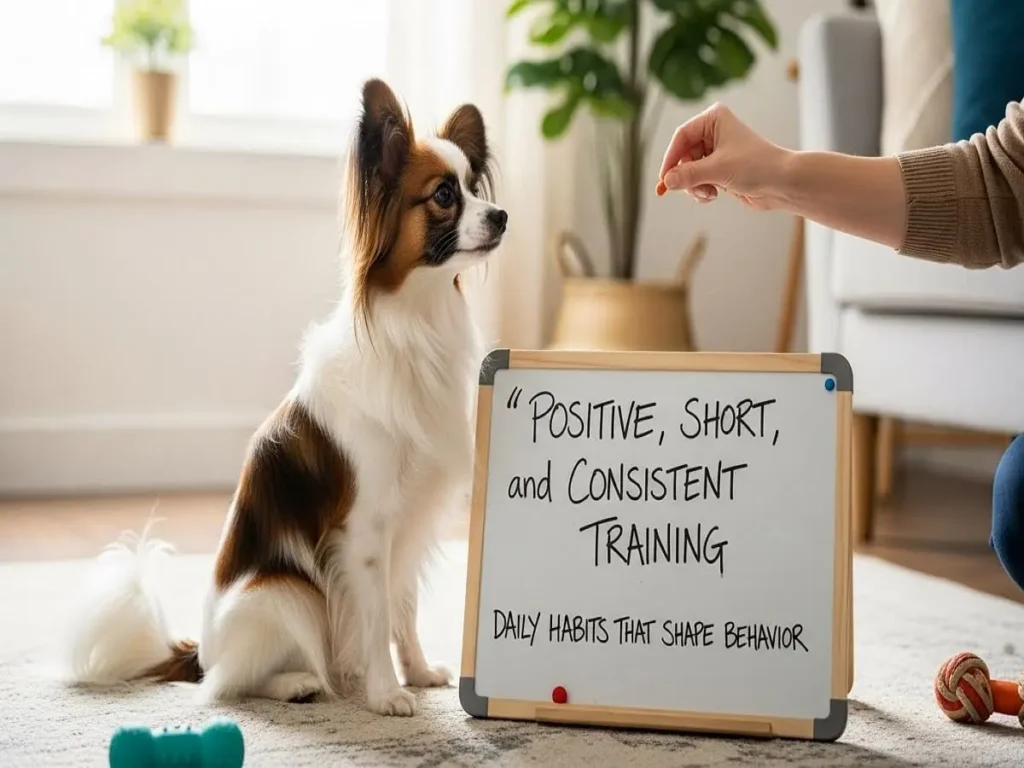
Positive, Short, and Consistent Training:
Once that foundation is set, basic training becomes smoother. I rely heavily on positive reinforcement using praise, affection, and small treats, because harsh corrections often cause nervous behavior or even stubborn behavior in Papillon training.
Start by teaching simple commands like sit, come, and stay. Always reward correct behavior right away, whether the dog sits on command, stays calm, or remains relaxed when the doorbell rings.
Keep training sessions short sessions, about five minutes to ten minutes, since bright dogs with short attention spans can get bored easily. Mixing obedience work with fun tricks like spin and shake adds mental stimulation alongside physical exercise, which is especially useful during Phoenix’s hotter months with limited outdoor time.
Daily Habits That Shape Behavior:
Daily routines matter too. With potty training, remember small dogs have tiny bladders and fast metabolisms, so consistency and frequent trips outside after eating, after drinking, and after waking up are key.
Using the same potty spot and giving an immediate reward builds reliable habits, and I’ve seen even struggling owners succeed with help from Rob’s Dogs and their structured house training programs. On walks, leash training should start early because Papillons have an energetic nature and love to explore.
Begin with short walks and calm walks, encourage reward focus and eye contact, and choose a lightweight harness as a collar alternative to protect delicate necks, leading to polite walking instead of chaotic walks.
Keeping the Papillon Mind Busy:
Finally, never underestimate their brains. Papillons are true problem-solvers, and without enough mental engagement, they may show mischievous behavior like chewing, digging, or barking for attention.
I regularly use puzzle toys, obedience drills, and nose-work games to boost mental activity. Working alongside experienced trainers, structured enrichment activities in every Papillon training session help with reduced boredom and steady focus building.
Papillon vs Phalène:
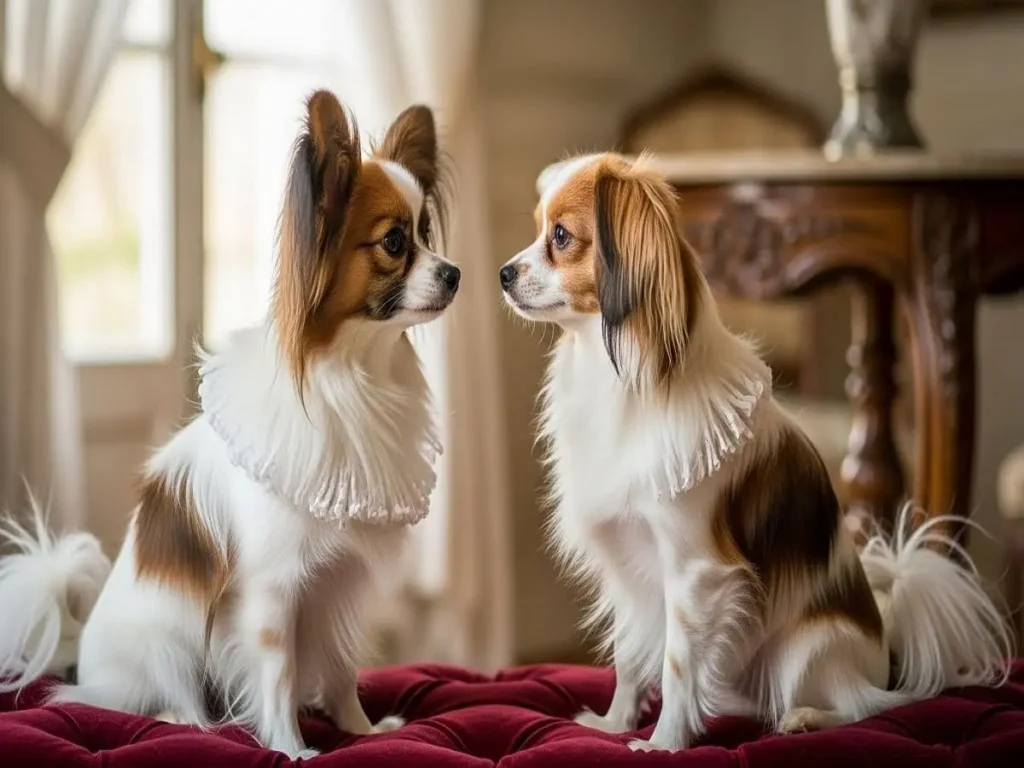
Starting with Phalène, this variety represents the original type of the same breed known as the Continental Toy Spaniel. The name links to a Phalène moth, with dropped ears shaped like a moth’s folded wings, set by a distinct ear set.
A clear historical shift shows the Phalène came first, before tastes changed in French courts, making the upright-eared Papillon more fashionable. In my experience with breed standards, this change explains why the erect-eared Papillon became more popular later, even though.
Both are the same dog with different ears, simply variations within a breed, like coat colors or sizes. The Papillon variety takes its name from the Papillon butterfly, defined by large erect ears and butterfly-like ears, and Papillons are a common show dog today.
Both share the same body, temperament that is alert, friendly, highly intelligent, and lively, often called big dogs in small bodies due to their athletic nature and aptitude for agility. Their coat is long, silky, fine, with no undercoat, usually white with patches of various colors.
Grooming and exercise needs are equal, with sizes that generally weigh 5–10 pounds and stand 8–11 inches. Some countries treat them as separate breeds under FCI, while AKC lists two varieties.
Compare Papillon with similar small breeds (e.g., Chihuahua, Maltese):
Size Comparison
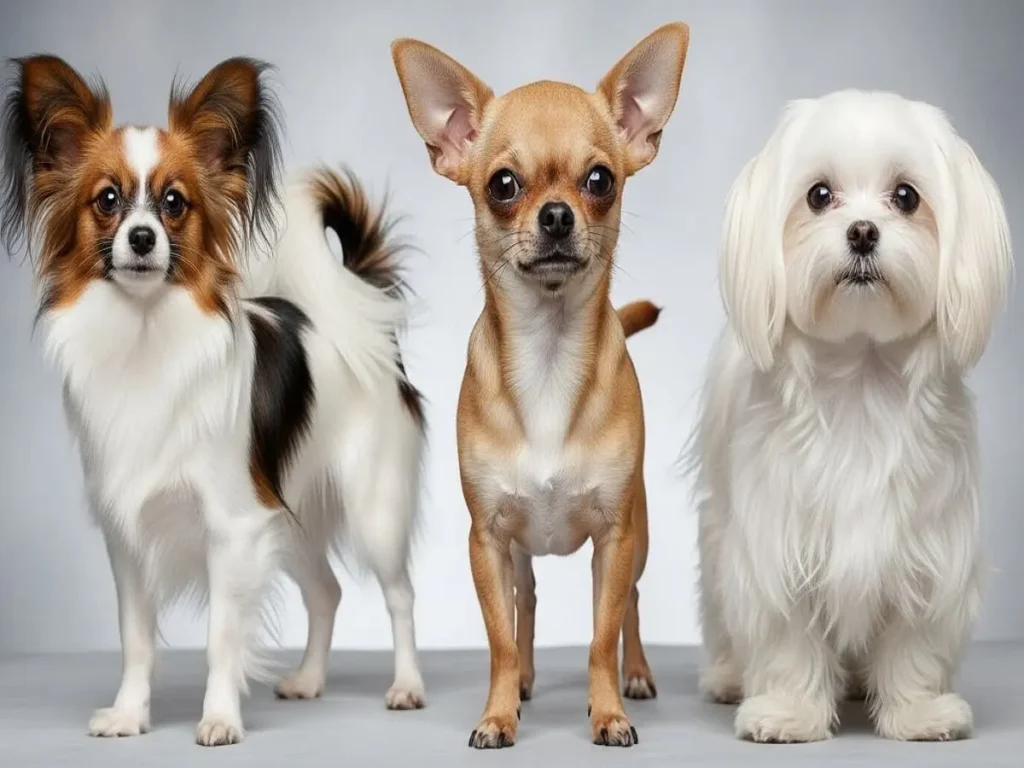
Working closely with toy breeds, I often explain how Chihuahuas and Papillons differ even though both are small dogs with distinct physical features that set apart these two breeds in everyday life.
Among the smallest dog breeds, Chihuahuas usually stand 6 inches to 9 inches tall at shoulder height and weigh 2 pounds to 6 pounds, while Papillons are slightly larger and measure 8 inches to 11 inches in height, with a weigh range of 4 pounds to 9 pounds.
Both are tiny breeds, but one is generally smaller and more compact, making size comparison an important starting point when choosing between these affectionate companion dogs.
Appearance Comparison:
From a hands-on perspective, appearance and coat colors truly vary significantly. Chihuahuas have round apple heads, large eyes, erect ears, short bodies, a stocky build, and a tail that curls over the back, while Papillons stand out with distinctive butterfly-like ears, a delicate structure, a fine-boned frame, and a plumed tail that arches over the back.
Coat type matters too: Chihuahuas may have a short coat or long coat varieties, but Papillons always carry a long, silky coat, reflecting their intelligence, energy level, and reputation as an active dog and highly intelligent dog, unlike the calmer breed comparison often made with Papillon and Maltese, known for grooming needs, a low-shedding white coat, and unique charm.
Breed Colors:
Color is another area where experience helps owners decide. Chihuahuas come in many colors, such as fawn, black, white, chocolate, and cream, appearing solid-colored, bi-colored, or with markings.
Papillons usually have a white base coat with patches like black and white, red and white, sable and white, or tri-color blends of black, white, and tan, giving both breeds striking color combinations that complete their physical attributes and visual appeal.
| charactristic | Papillon | Chihuahua | Maltese |
| Average Size | 8–11 inches, 5–10 lbs | 5–8 inches, < 6 lbs | 7–9 inches, < 7 lbs |
| Temperament | Sociable, eager to please, highly intelligent, and alert. Known for a “big personality”. | Reserved, independent, and sometimes protective. Can be very loyal to their specific owner. | Loving, gentle, easy-going, but can be highly playful. Prone to separation anxiety if left alone too much. |
| Energy Level | High. Needs ample mental stimulation and activity; often excels in agility and obedience. | Moderate. Energetic and courageous, but their small size means less space is needed for exercise. | Low to Moderate. Occasional exercise, like a daily walk or indoor playtime, is sufficient. |
| Grooming Needs | Moderate. Long, silky, single coat is relatively easy to manage but requires regular brushing. | Low to Moderate. Can have short or long hair; short-haired coats need minimal grooming. | High. Long, flowing white coat requires daily brushing to prevent mats; many owners opt for a shorter “puppy cut”. |
| Best Suited For | Active individuals or families (with older, respectful children) who can provide consistent training and mental engagement. | Adaptable to apartment living, best for adult-only homes or those seeking a true lap dog companion. | Families, seniors, or singles looking for a loving, indoor companion. Gentle and good for first-time owners. |
Health Difficulties to Watch for With Papillons:
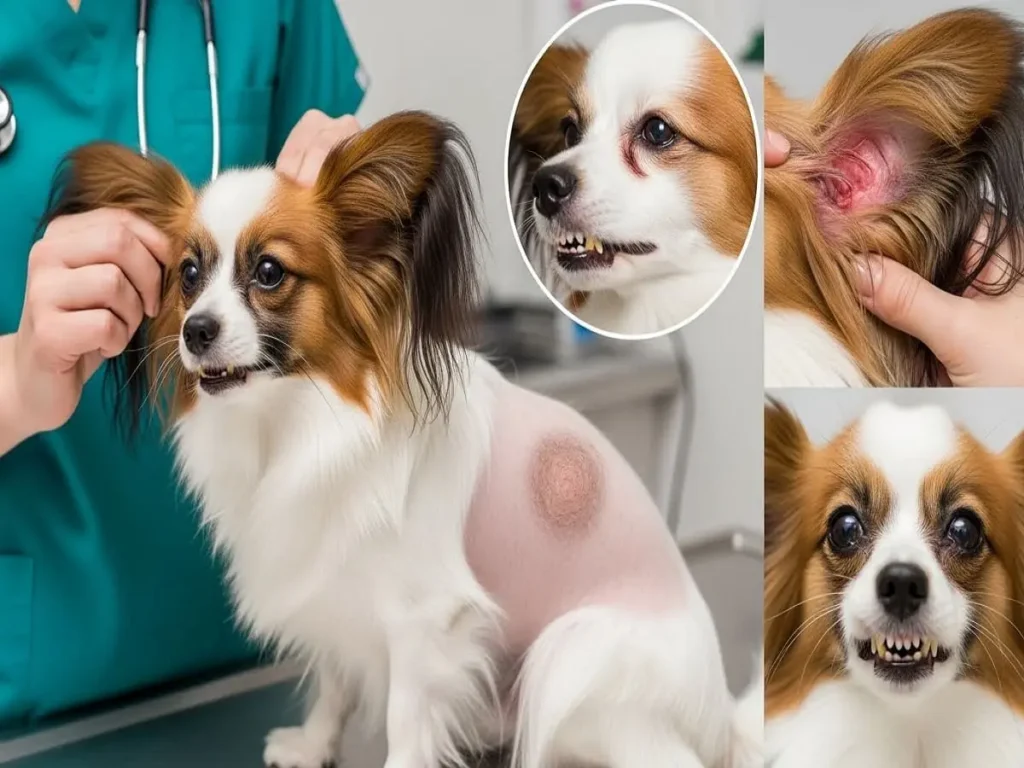
When discussing Papillons, patellar luxation often comes up first, as this breed usually stays healthy with proper care, yet certain Papillon health issues can still develop due to specific traits.
Seen in small dogs and often seen in large dogs, this partly genetic condition affects the patella, a small bone in the knee that doesn’t line up correctly. A vet can detect early through regular checkups. Symptoms vary from early stages, with the dog limping a few steps, to severe cases needing surgery.
Dental problems are common in dogs, and Papillons are prone to a specific condition called retained puppy teeth, where primary teeth don’t fall out as adult teeth appear. Food, hair, and particles get trapped between teeth, leading to dental problems later; a vet may ask for puppy teeth removed if they don’t naturally fall out.
Eye problems include progressive retinal atrophy (PRA), a condition that develops in adults aged 3 to 9 years of age, where photoreceptor cells for vision grow weak over time, causing blindness.
Initial stages show signs like night blindness, bumping into things in dim light conditions, fear of dark rooms, eyes reflecting more light, pupils enlarged beyond normal; a vet recommend right treatment after examining the dog and checking its medical history.
Allergies include a type of allergy, atopy, causing skin itch on contact with pollen, mold, or dust, with itchiness prevalent on feet, stomach, folds of the skin, and ears, developing between ages 1 and 3, may worsen, showing licking paws, rubbing face, and ear infections; a vet suggests effective treatments to manage the condition.
Portosystemic shunt (PSS) involves Proteins, nutrients, and toxins from the intestines drained to the liver via a vein called the portal vein, but entering systemic circulation instead; this condition is congenital and present at birth.
Average lifespan of Papillons:
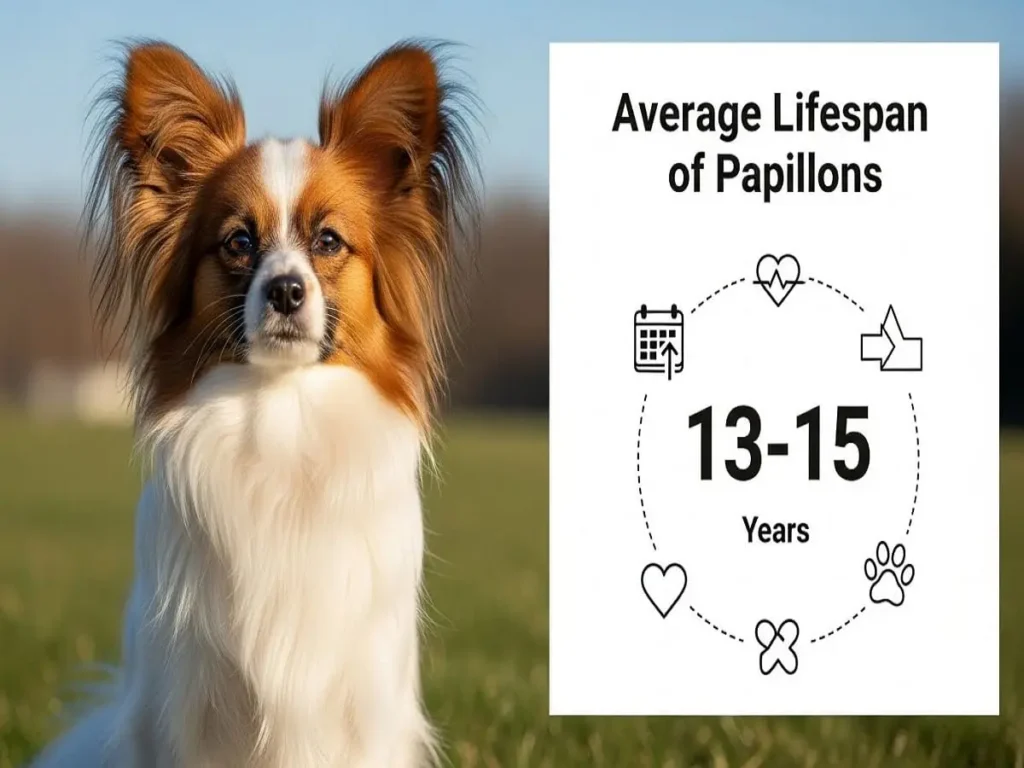
From years of hands-on experience, Papillons are known to live a long time, often reaching an impressively long average lifespan of 14 years to 16 years, ranking among the lengthiest lifespans of any dog.
Because smaller dogs tend to age more slowly than large dogs, they often outlast others by several years. Originally bred as lap-warming dogs, their Spaniel lineage and purposeful pedigree made them well-developed, athletic, with active traits that help a healthy dog stay young.
An individual dog’s lifespan depends heavily on the owner, starting before adoption, since you can control the pet’s health to a considerable degree. No matter the breed, properly tending to physical health, mental health, emotional health, and social health is the only surefire way to ensure a long life.
Lifestyle, Personality & Environment:
History has shaped the Papillon personality over hundreds of years as companion animals, which explains why each pup grows into a friendly, adaptable dog that loves lap time and often curls up on the couch after burning off boundless energy.
As smart dogs, they crave mental stimulation and attention, and their small size makes them a good dog for apartments, where playful energy fits well with indoor games and neighborhood walks. Still, they are more active than many toy breeds, need more exercise, and thrive with fenced areas to run and play.
Their long, feathered fur requires brushing or combing a few times a week to prevent matting and tangles, while pet parents must dedicate training with consistency and positive reinforcement so a Papillon puppy becomes an ideal companion. Balanced exercise, thoughtful feeding, proper diet care, and a stable environment support lifelong health.
Cost in the U.S of Papillon:
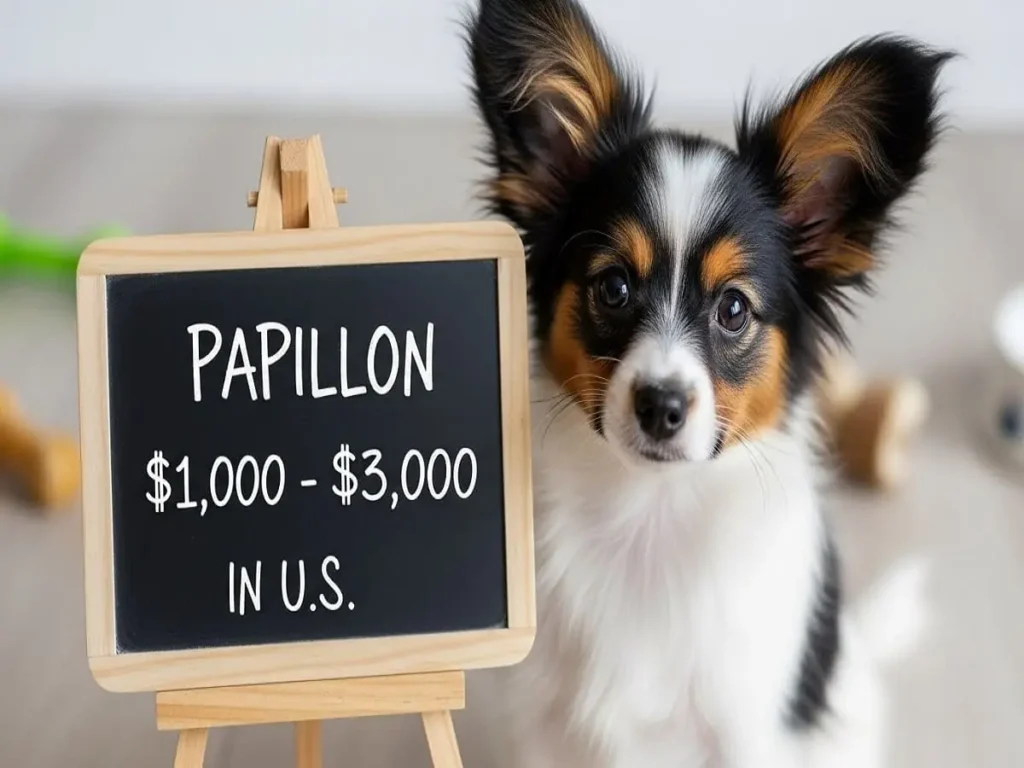
From what I’ve seen working with owners, Papillon puppies can vary a lot in cost, mainly because of geographic location and overall popularity. In one area, the same papillon puppy may be more pricey, while in another location, prices differ due to rarity or how many are for sale.
The dog breed itself plays a role, but demand matters more when a pup becomes more popular; sellers often raise the price. This factor can strongly affect what buyers should realistically expect to spend.
Looking across different states, pricing typically depends on the prevalence of the breed in the area and the local market conditions. From my experience, people often feel surprised when two families pay very different amounts for the same companion simply because they live in different locations.
| Region | States Included | Cost |
| West | Alaska, California, Hawaii, Idaho, Montana, Nevada, New Mexico, Oregon, Utah, Washington, and Wyoming | $1,200-$3,200 |
| Southwest | Arizona, New Mexico, Colorado, Nevada, Oklahoma, Texas, Utah | $1,000-$2,700 |
| Midwest | Illinois, Indiana, Iowa, Kansas, Michigan, Minnesota, Missouri, Nebraska, North Dakota, Ohio, South Dakota, and Wisconsin | $900-$2,500 |
| Northeast | Connecticut, Maine, Massachusetts, New Hampshire, New Jersey, New York, Pennsylvania, Rhode Island, Vermont | $1,200-$3,000 |
| Southeast | Alabama, Florida, Georgia, Kentucky, Maryland, Mississippi, North Carolina, South Carolina, Tennessee, Virginia, and West Virginia | $1,000-$2,800 |
Behavior and grooming of papillon dog:
Grooming Tips for Papillons:
In my experience, Papillons with long hair are surprisingly lower maintenance than other long-coated breeds because they lack an undercoat and don’t shed like double-coated breeds. Brushing their fur with a comb or soft slicker brush every other week keeps them looking fit and helps get rid of debris, avoid matting, and remove dirt collected when they walk lower to the ground.
For bathing, small, petite dogs that weigh 5 pounds to 10 pounds max do best in a sink or shallow water basin. Use quality shampoo, lanolin-free conditioner, or clarifying shampoo to prevent skin irritations. Handheld dryers on medium or low settings help evenly blow-dry the single coat, being extra careful not to hold it in one place too long.
Social Behavior & Family Life:
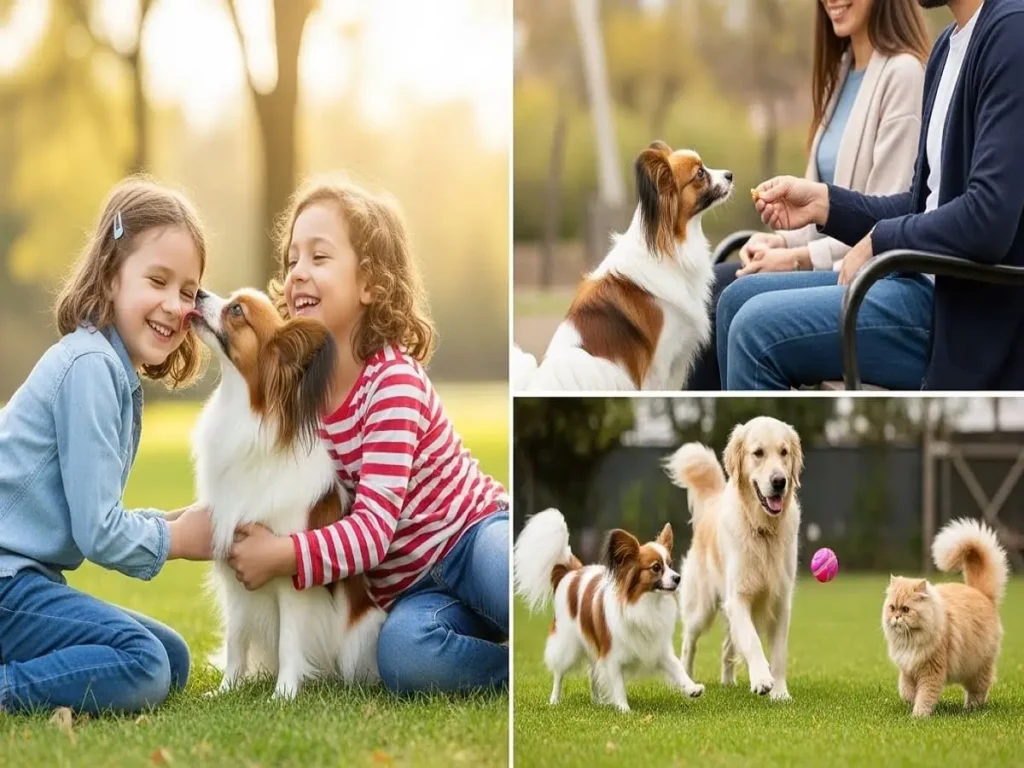
From experience, Papillons show excellent social behavior and usually get along well with children, other dogs, and cats when given early socialization. Their small size means supervision is needed with very young or rough children to prevent accidental injury.
They are prone to separation anxiety because of a strong need for companionship and may become distressed, barking, or show destructive behavior if left alone.
papillon dog behavior with kids, stranger and pets:
Interacting With Children:
In my experience, Papillon dogs are friendly, sociable, and adaptable companions who get along well with children, strangers, and other pets when properly socialized from a young age. Because they have a small size and fine-boned stature, usually 5 to 10 pounds, owners must supervise interactions closely to prevent injuries from rough play or accidental drops.
It’s important to teach gentle play, ensuring children are respectful, supervised by an adult, and understand the safety of both child and dog during family activities, making them great companions while staying lively, playful, and affectionate.
With Strangers:
A breed standard describes Papillons as happy, friendly, and alert temperament, where shyness or aggression is a major fault. In practice, well-socialized Papillons are outgoing and welcoming to new people.
From my experience, these alert dogs will bark at strangers approaching the house or reacting to unfamiliar noises, making them excellent little watchdogs.Strong socialization, started early and kept ongoing, with a variety of people, helps create confident adults and reduces potential reserved behavior or fearful behavior when meeting new faces.
With Pets:
Despite their size, Papillon dogs often display a bold and confident nature that surprises many. They may not back down from larger dogs if they feel threatened, which sometimes puts them at risk of injury.
I’ve noticed that even the tiniest Papillons carry an air of bravery, and it’s fascinating to watch them navigate spaces with often unwavering courage. May seem small, but their spirit is enormous, and understanding this nature is key for any multi-pet households where dogs and cats might get along or interact.
Safety and Sociability with Other Pets:
Caution is always necessary around larger, boisterous dogs, as they can accidentally injure a Papillon during play. Ensuring that all pets know how to interact safely is essential, especially with such a small dog.
I’ve personally seen Papillons quickly become Sociable with Other Animals when raised with them, showing just how well they integrate and get along, especially when attention is given to gentle introductions.
Their playful and curious nature makes it important for owners to supervise and guide interactions, keeping the experience positive for every member of the household.
FAQs?
Are Papillons hypoallergenic?
How much do Papillon puppies cost in the USA?
Best training techniques for Papillon personalities?
What are Papillons dogs known for?
How much exercise do Papillons dogs need?
Are Papillons dogs good with children?
How long do Papillons dogs usually live?
Conclusion:
The Papillon is more than just a small dog with butterfly-like ears; it’s a friendly, intelligent, and adaptable companion for families and individuals alike. With proper socialization, exercise, and health care.
Papillons thrive in any home, showing an alert temperament, loyalty, and a love for play and agility. Understanding their unique needs, from grooming to medical care, ensures they remain happy, confident, and healthy, making them a truly rewarding pet for life.
