


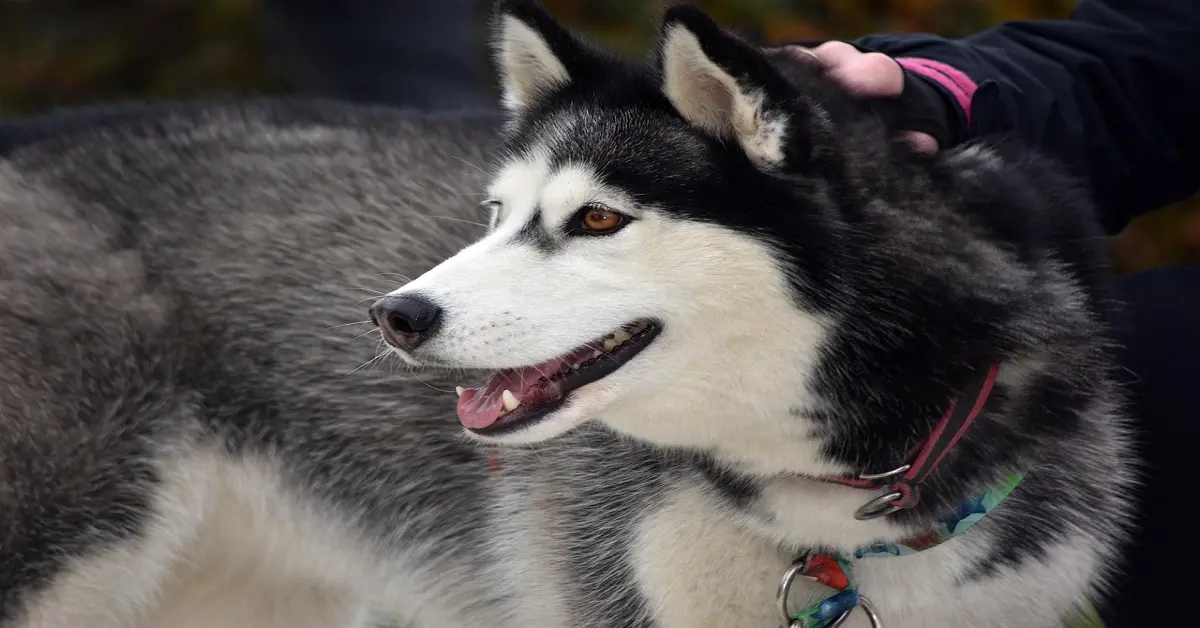
The Miniature Siberian Husky is a delightful and active breed that has won the love of numerous dog lovers. Owing to their bright blue eyes, dense coats, and small stature, these dogs appear to be miniature versions of the regular-sized Siberian Husky.
Yet, as with every breed, the Miniature Huskies are subjected to certain illnesses that their owners should know about. Familiarization with the ailments will help your dog lead a long, healthy, and active life.
1. Hip Dysplasia
Hip dysplasia is an inborn condition where the hip joint doesn’t fit properly into the hip socket. This issue is common in larger breeds, but it can also affect Miniature Siberian Huskies due to their active nature.
Symptoms:
• Difficult standing upright and walking upstairs
•Limping or stiffness after activity
•Moreover, avoidance of running or jumping
Prevention & Care:
Hip dysplasia cure includes keeping your mini husky at a healthy weight and providing low-impact exercise. Regular check-ups by the vet and a well-balanced diet, supplemented with glucosamine, help joints.
Read about Cane Corso
2. Progressive Retinal Atrophy (PRA)
Progressive retinal waste is a congenital eye disease that causes liberal loss of vision and may result in blindness. The miniature Siberian husky is predisposed to this disease.
Symptoms:
• Night vision or effort seeing in low light
•At times, dilated eyes
• For safety, reluctance to move into dim spaces
Prevention & Care:
PRA cannot be cured, but early detection by routine veterinary eye exams can control it. Dogs used for breeding should be screened genetically to decrease the chance of producing offspring.
3. Hypothyroidism
Hypothyroidism occurs when the thyroid gland does not produce enough hormones, impacting metabolism and energy levels. Miniature Siberian Huskies are reasonably susceptible to this health issue.
Symptoms:
•Loss of hair or dull coat
• Over time, lethargy and tiredness
•Along with this, sensitivity to cold
•As a result, weight gain with no increase in appetite

Prevention & Care:
Thyroid function tests at regular intervals can identify the problem at an early stage. Hypothyroidism can be treated with a daily pill and diet control as advised by a vet.
4. Corneal Dystrophy
Miniature Siberian Huskies tend to inherit corneal dystrophy, which is a corneal illness of the clarity of the cornea. It generally occurs in both eyes and could result in reduced vision.
Symptoms:
• Cloudy or dense vision in the eyes
•From time to time, photophobia
• To prevent issues, frequent eye discharge or irritation
Prevention & Care:
There is no known prevention, but protecting your dog’s eyes from damage and keeping up with regular veterinary eye exams can slow down progression. A stable diet high in omega-3 fatty acids can also support eye health.
5. Epilepsy
Epilepsy in Miniature Siberian Huskies is a neurological disorder that leads to repeated seizures.
Additionally, this condition can be inherited or triggered by environmental factors such as stress or toxins.
Symptoms:
• Sudden shaking or twitching
•Every so often, loss of balance
• For safety reasons, unresponsiveness during a seizure
Prevention & Care:
Though epilepsy can’t be treated, it is controllable with anti-seizure medication. Maintain a routine, stress-free lifestyle, and regular follow-ups with your vet for medication adjustments.
6. Allergies and Skin Ailments
Miniature Siberian Husky is prone to allergies, such as food sensitivity, pollen, dust mites, and flea allergy dermatitis. Their heavy double coat also inclines them to skin irritations.
Symptoms:
• Over-scratching or licking
•Now and then, inflamed or red skin
• As a warning sign, hair loss and dry spots
Prevention & Care:
Give your Miniature Siberian Husky a good, hypoallergenic diet, and brush their coat regularly to avoid matting and skin infections. Regular flea and tick treatments monthly also benefit their skin. Bathing with veterinarian-approved shampoos can help soothe irritation and keep coats healthy.
7. Dental Problems
Similarly, like most small to medium-sized breeds, Miniature Siberian Huskies can develop dental problems such as plaque, gum disease, and tooth decay if not properly cared for.
Symptoms:
• Bad breath
•Alongside this, red, puffy gums
•To note, avoidance of eating or chewing
Prevention & Care:
Develop a regular oral care routine, such as brushing your dog’s teeth with canine-safe toothpaste. Dental chews and veterinary cleanings also help to keep your dog’s mouth healthy and avoid infection.
8. Obesity
Mini Huskies are naturally energetic dogs, but they can easily become obese if overfed or under-exercised. Obesity puts joints at risk, leads to diabetes, and causes heart issues.
Symptoms:
• Obvious weight gain or belly fat
•From time to time, difficulty breathing
•As another sign, a lack of interest in exercise or play
Take portion-controlled meals to your dog and include daily exercise like walking, hiking, or agility training. Don’t give them table scraps and instead emphasize nutrient-dense dog food appropriate for their energy and size levels.
Prevention & Care:
Take portion-controlled meals to your dog and include daily exercise like walking, hiking, or agility training. Moreover, avoid giving table scraps and instead focus on nutrient-dense dog food that matches their energy and size needs.
General Health and Care Tips for Miniature Siberian Huskies:
In addition, to ensure your Miniature Siberian Husky remains healthy and content, it is crucial to focus on preventive care and a well-balanced diet. These are some must-follow tips:
• Exercise Daily: The Miniature Siberian Husky is a high-energy breed requiring a minimum of 60 minutes of exercise per day.
• Give Mental Stimulation: Utilize puzzle toys, training, and interactive play to prevent boredom.
•There is a Balanced Diet: Select high-protein, grain-free food supplemented with vital vitamins and minerals.
• Groom Often: Their double coat needs brushing 2–3 times a week to avoid shedding and tangling.
• Regular Visits to the Vet: Check-ups and shots annually can identify early stages of disease.
Furthermore, a healthy Miniature Husky not only looks stunning but also performs well physically, emotionally, and socially.
Conclusion:
The miniature Siberian husky is a loyal, playful, and clever friend. However, although this breed may have some health issues, proper care, timely diagnosis, and a balanced lifestyle can significantly improve both lifespan and overall health. Proper breeding, regular visits to the vet, and regular monitoring of diet and exercise can ward off the majority of these problems.
Moreover, if you’re considering adopting or already own a Miniature Husky, understanding these common health issues will help ensure you are well prepared to give your furry friend the best life possible.
