


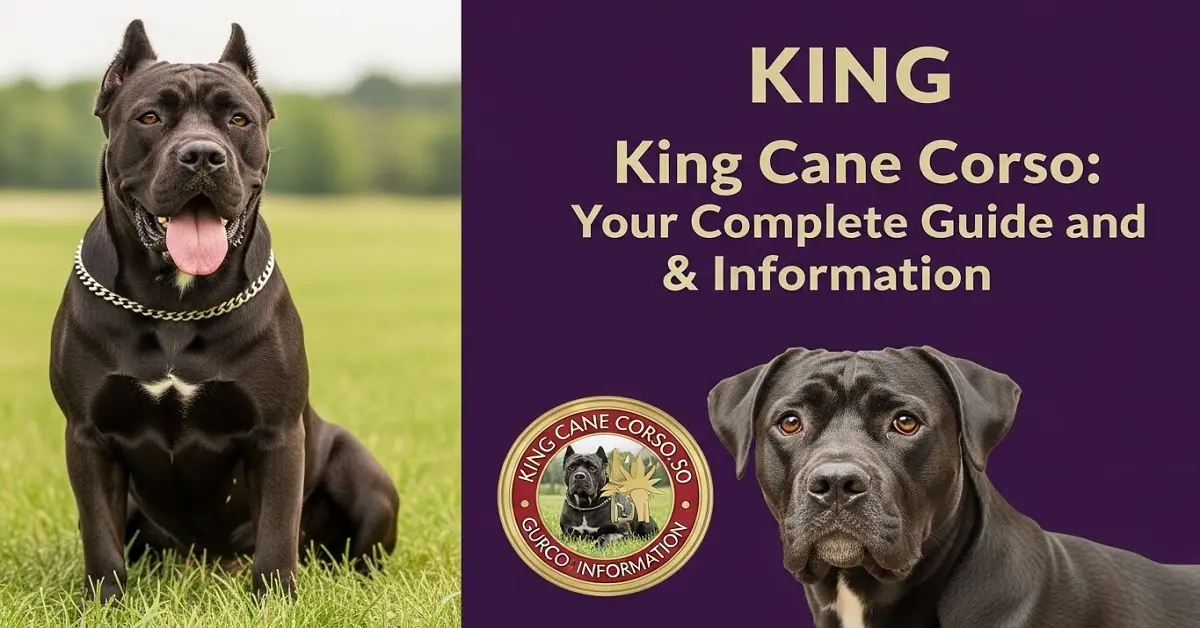
- Quick Overview of the King Cane Corso :
- Where the King Cane Corso Comes From:
- What Does a King Cane Corso Look Like?
- How Big Does a Cane Corso Dogs Get?
- King Cane Corso Fur Type and Length Guide:
- King Cane Corso Dogs Personality and Behavior:
- Are King Cane Corsos Child-Friendly Pets?
- Are King Cane Corso Dogs Pet-Friendly?
- King Corso Aggression and Behavior:
- King Cane Corso Barking Behavior:
- King Cane Corso Affection and Bonding:
- King Cane Corso Dogs Intelligence and Trainability:
- King Cane Corso Dogs Energy Levels and Activity:
- King Cane Corso Dogs Training Ease and Tips:
- Are King Cane Corsos good Watchdogs?
- King Cane Corso Dogs as Service and Working Dogs:
- King Cane Corso Dogs Breed :
- King Cane Corso Dogs Grooming and Care Guide:
- King Cane Corso Dogs Shedding and Coat Maintenance:
- King Cane Corso Dogs Health Issues and Concerns:
- King Cane Corso Lifespan and Longevity:
- Large King Cane Corso dogs Diet and Nutrition Guide:
- Is a King Cane Corso the Ideal Pet for You?
- FAQs?
- Conclusion:
Growing up around large working dogs, I quickly learned how their personality shapes the home. And the King Cane Corso Dogs, often called the cane corso, stand out every time. This powerful Italian breed blends strength with heart, and the mix of traits people love today comes from. A long history tied to the Italian mastiff line.
Whether used as a companion, service dog, watchdog, or working dog. Their natural confidence and calm nature make them fit easily into many roles. I’ve seen families appreciate how their steady temperament, sharp sense of being alert. The ability to keep a home safe gives everyone a feeling of comfort.
Even in the United States, their quick adoption across the country shows how well they match modern life. Their size may look intimidating, but most are surprisingly friendly and emotionally stable. And genuinely loyal traits I’ve watched shine even in busy households. The breed’s journey from Italy to becoming common in the States is no surprise.
Their rising popularity comes from how naturally they fit into different lifestyles. Whether it’s their swift rise in awareness, the reason behind their demand, or simply the way owners have used and trusted them for years. The corso continues to explode as a favorite choice, and in my experience, they earn that place in every possible way.
Quick Overview of the King Cane Corso :

When I first started working with large guardian breeds. I loved taking a quick look at each dog to understand what made them unique. With the king corso, even a simple glance tells you a lot. Their physical characteristics show strength and balance, and anyone familiar with the breed. How can easily see how these traits help them handle different roles? Over the years, I’ve learned that paying attention. How a dog carries itself often reveals just as much as any written guide.
What always stands out with a corso is how naturally their temperament and lifespan fit the needs of dedicated owners. Their behavior is steady and predictable, which makes grooming routines smoother and keeps their grooming needs manageable. In my experience, a calm approach and steady handling help them trust you more. And once that trust is there, everything from care to training feels easier and more.
Where the King Cane Corso Comes From:

When I first learned about the king corso, what fascinated me most was its deep history. Stretching across centuries and touching powerful cultures like the Roman Empire. Early writings from Experts describe how Greek Molossus lines shaped this tough dog breed. With Greek, dogs later brought to Rome and even mixed with fighting dogs from England to create a more aggressive, powerful build.
| Characteristic | Details |
|---|---|
| Origin | Italy |
| Breed Type | Working (Mastiff type) |
| Adult Male Height | 25 to 27.5 inches at the shoulder |
| Adult Female Height | 23.5 to 26 inches at the shoulder |
| Adult Male Weight | 90 to 110 pounds (some reports mention up to 150-180 pounds, depending on lineage and breeder) |
| Adult Female Weight | 88 to 100 pounds |
| Lifespan | 9 to 12 years |
| Temperament | Intelligent, eager to please, loyal, protective, assertive, and confident |
| Coat | Short, dense, and stiff; water-resistant |
| Colors | Black, all shades of grey, fawn, red, and brindle (with or without a mask that doesn’t go beyond the eyes) |
| Exercise Needs | High; requires at least two hours daily, including brisk walks/jogs and mental stimulation |
| Training Needs | Requires early, consistent training and socialization; best suited for experienced owners |
| Good with Children | Generally affectionate with family children but due to their size and strength, they are often better suited for families with older children and require supervision |
| Health Concerns | Prone to hip and elbow dysplasia, bloat (GDV), and certain eyelid abnormalitie |
The Romans called them pugnaces, trusted for hunting wild animals and for roles in warfare and law enforcement. Stories of Roman legions using them for foraging, protecting resources, and warning soldiers of enemies near the camp. All show how deeply they were woven into everyday survival. I’ve always admired how a breed shaped so strongly by purpose still carries that same instinct today.
Their journey continued through Italy and European countries, where they worked through World War II. I and World War II and a major decline in population after the war. Yet their popularity rose again in the 1970s, especially as watchdogs and companions. Eventually, the breed made its way to the United States, becoming common across the US.
American Kennel Club Recognized:
I remember when the American Kennel Club finally recognized them in 2010. Setting strict breeding standards helped protect their future. Watching this transformation over time has given me a deeper respect for. How a dog’s past can shape its presence today.
What Does a King Cane Corso Look Like?

When I first met King Cane Corsos, their intimidating appearance caught my eye. Especially when one stood by a window, barking as I walked up. Anyone would feel a bit nervous approaching a dog with a stocky build and medium-sized frame that looks so bold. But I quickly learned that their scary appearance hides a loyal, kind, and gentle personality.
Over time, I also noticed how their distinct features are a large head, a wide head, and floppy ears. And medium-sized eyes that slightly protrude, all work together to create their iconic look. Even their jaw is a muscular jaw with a square shape and a shorter-than-average muzzle. Adds to that strong first impression that makes this dog breed unforgettable.
Their coats add another layer of uniqueness. Many times while grooming them, I admired their short coats, sturdy coats. And that slight oily texture that helps them repel water, dirt, and debris with ease. Their color patterns are always interesting to see; some show tan, gray, fawn, red, or rich brindle colors.
While others have patches of white along the neck, chest, or even on their paws. No matter the size or markings, every corso feels like a blend of power. And softness, something only this breed manages to balance so naturally.
How Big Does a Cane Corso Dogs Get?
When considering a king corso, it’s important to remember that these are large Italian mastiffs, so you should expect a bigger dog than most breeds. On average, a king corso can weigh between 90-110 pounds and stand around 23-28 inches at the shoulder. From my experience, seeing them in person really gives a sense of their impressive size and presence, which often surprises first-time owners.
There is also a slight difference between males and females, with males being a bit larger, though the difference can be negligible depending on the specific dog. Watching their growth and handling them regularly shows how their size balances strength and agility. Understanding these measurements early helps owners prepare properly for space, care, and training, ensuring the best life for a king corso.
King Cane Corso Fur Type and Length Guide:
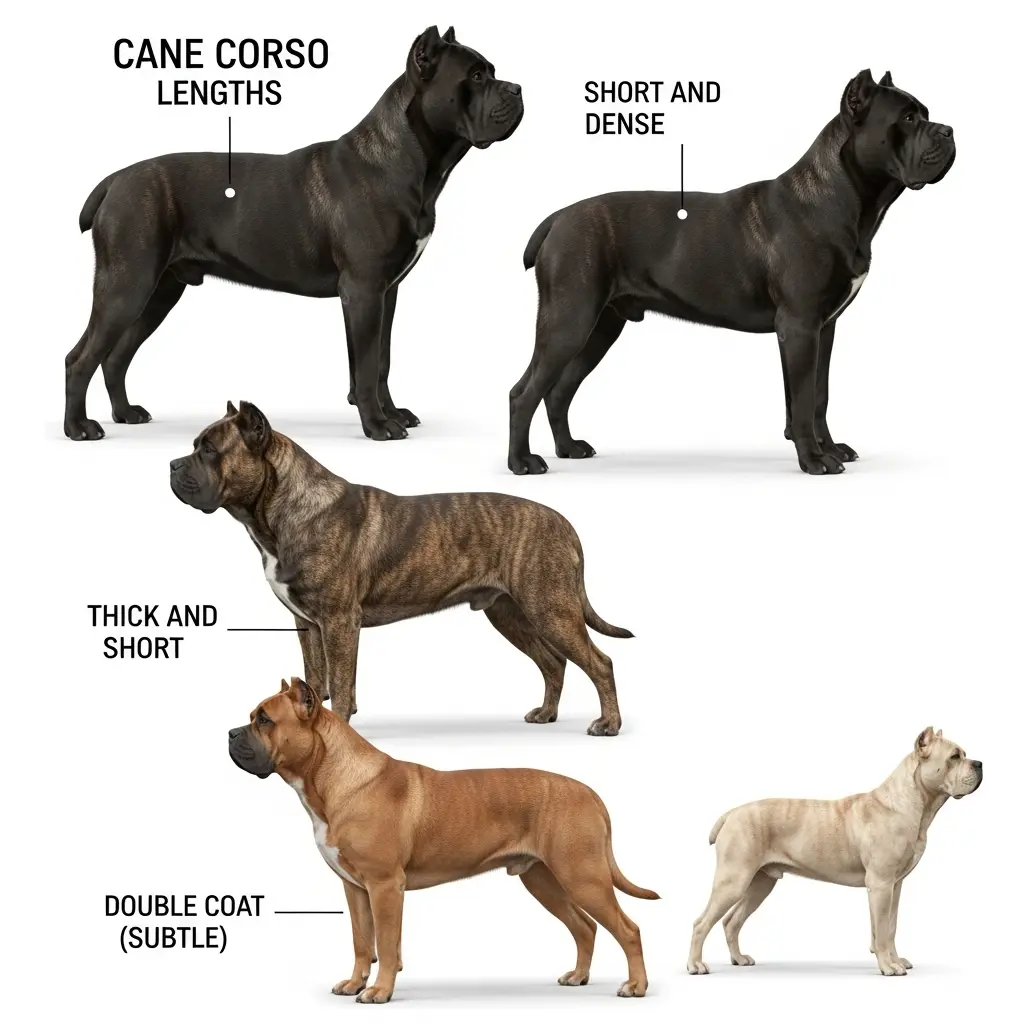
One of the most noticeable traits of king corsos is their short coat, which feels both strong and protective. They have a thick coat with a dense double coat that hugs their body, forming two layers. The bottom coat is particularly thick and dense, helping to insulate them and protect against debris, water, and skin infections. From my experience, this layer keeps.
They are comfortable in different weather conditions and reduce the risk of irritation. The top coat is slightly less dense, softer, but still short, with hair that is usually straight. It’s quite rare to see it curly or wiry, which makes grooming relatively simple. I’ve noticed that understanding these coat layers helps owners maintain their dogs better, ensuring the king corso stays healthy and looks its best in any environment.
Cane Corso Italian Mastiff Puppies For Sale
King Cane Corso Dogs Personality and Behavior:

When I first spent time with a king corso, I was struck by how calm, collected, and naturally cool this dog breed can be, even around new people. Now and then, they may bark, but in my experience, the occurrence usually depends on how you train them and what roles they understand within the family. Once properly socialized, these dogs settle into their units with steady confidence, showing how deeply loyal they are. I’ve often given them tasks during the day, simple but specific things to do, and they genuinely seem to love it.
What stands out most in living with this breed is how naturally they function when their training includes plenty of mental stimulation and a sense of purpose. A king corso carries a quiet strength; I’ve seen them stay steady yet brave, ready to defend their home if there’s real danger, but gentle enough to rest at your feet afterward. That balance is what makes them such rewarding companions.
Are King Cane Corsos Child-Friendly Pets?

Growing up around king corsos, I learned early on how naturally they blend into a family once they feel like they’re truly a part of it. I’ve watched them interact with children in ways that surprised me. Their patient temperament gives them the calm needed to enjoy rough play without lashing out, and they’re big and sturdy enough to handle the excited energy kids bring.
In my own home, I’ve let my nieces play with my large dog, but I always kept a close eye on them, not because of any issues with the breed, but simply because mindful supervision is part of responsible ownership.Even with the gentlest king corsos, I remind new owners that accidents can happen, just as they can with any large dog and lively children.
Still, the more time I’ve spent with them, the more I’ve seen how deeply they bond with their family and how naturally they adjust when they’re treated as a meaningful part of daily life. Their steady nature, shaped by that same patient temperament, makes them truly special companions.
Are King Cane Corso Dogs Pet-Friendly?
When I first started working with large guardian breeds, I noticed how their instincts shape every interaction, and King corsos are no different. Even though they can be good with almost any animal, their natural prey drive still shows at times. With the right guidance, they can get along well, especially when you socialize them from a young age to prevent problems from developing later in life.
I once helped a family whose dog struggled with other dogs, and by adjusting their training process, we saw the best results within just a few months. Early routines, sometimes as early as 6 months, can make this easier, and if you adopt a puppy, starting the work early becomes even more important.
Over the years, I’ve seen that a king corso might not always be the best choice for families who keep small animals or prey animals as pets, simply because some dogs still give chase when their instincts kick in. Still, I’ve had cases where consistent exposure to other animals helped them get along better than expected.
When you begin steady training and build a structured environment, even dogs with strong instincts can surprise you. Every situation is different, but understanding the breed and adjusting for your home is the key.
King Corso Aggression and Behavior:
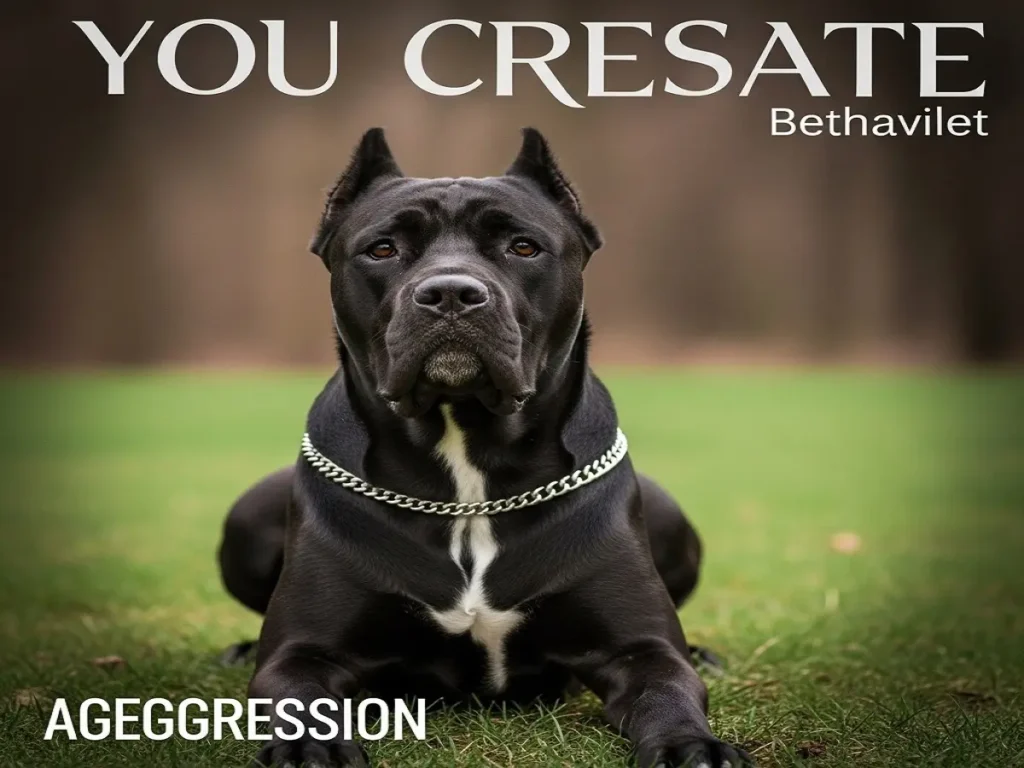
When I first started working with this breed, I learned quickly that King corsos aren’t as scary as they look, even though many people assume they’re naturally aggressive. In my experience, most of the issues owners face come from a lack of proper exposure, so a dog that’s socialized and trained properly tends to settle in well.
Even when a dog is big enough to intimidate strangers, it doesn’t mean they’re actually scary to be around. Still, their background as guard dogs plays a role in how they react, since they were originally bred to hunt and protect, and that history can show up as a mean streak in certain situations. What I’ve noticed over the years is that they usually only display aggressive behavior
when they feel threatened, and for many owners, that’s actually good news because it means the behavior is predictable. Some dogs simply take longer to trust, and it often takes longer for a king corso to open up compared to some other breeds. I’ve had dogs that stayed cautious around strangers despite steady training, but with patience and the right approach, even the toughest ones learned to relax.
King Cane Corso Barking Behavior:
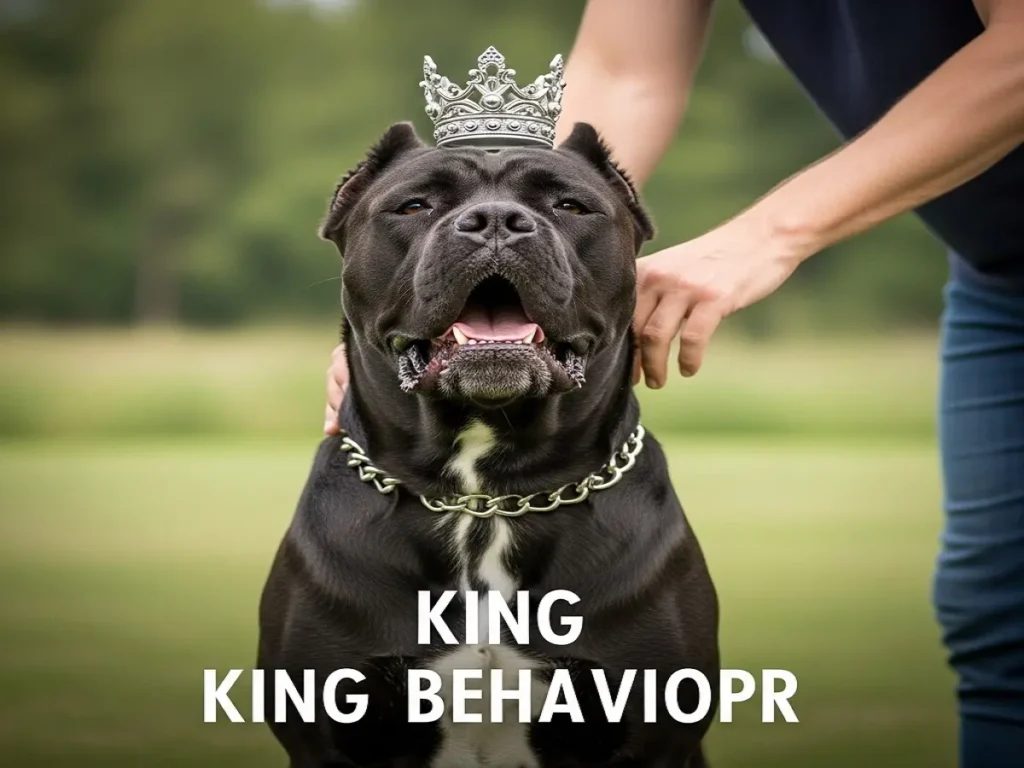
When I first started working with King corsos, I quickly learned how powerful their presence can be, especially because of their loud and intimidating bark. I’ve seen that same sound scare strangers instantly, yet it makes their companions feel safe, which is exactly what many owners appreciate.
In smaller spaces, though, that bark can be too loud for apartment buildings, and I’ve worked with clients who struggled because it would disturb their neighbors even when the dog wasn’t trying to make noise. But in a house out in the suburbs, the same dog becomes an asset, acting as one of the great watchdogs
I’ve ever trained, where even their bark alone can deter intruders without any extra effort. From what I’ve observed, these dogs don’t waste energy barking for no reason. Additionally, king corsos don’t usually bark unless they’re alerting you to something wrong,
Which is something I grew to appreciate when working with multiple dogs at once. That natural ability to sense changes makes them reliable and surprisingly intuitive. Over time, I learned to trust their instincts almost as much as they trusted mine.
King Cane Corso Affection and Bonding:
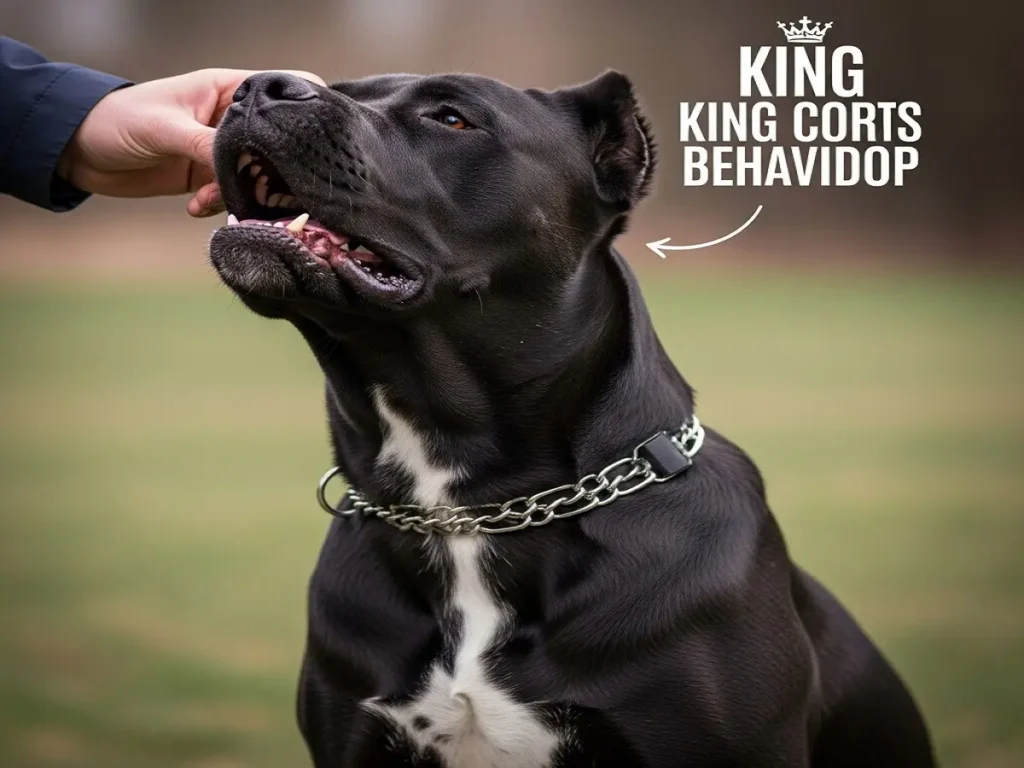
When I think back on the many King corsos I’ve handled, what stands out most is how deeply affectionate they become toward their human companions once they warm up. I’ve had dogs that would quietly hang around at my side during training sessions, almost as if they were checking in to keep you safe without being obvious about it.
That loyalty is powerful, but it also comes with limits. They’re not naturally friendly with strangers, and I’ve seen them hesitate around random animals or random dogs, even in controlled settings. Because of that, I always recommend early socialization, especially when working with a young king corso.
In my experience, it’s a good idea to start as early as possible, because each small bit of exposure can help shape their confidence and calm their instincts. Watching a young dog slowly learn the world is one of the quiet joys of training, and with this breed, those early steps make all the difference in how they interact with the people and animals around them.
King Cane Corso Dogs Intelligence and Trainability:
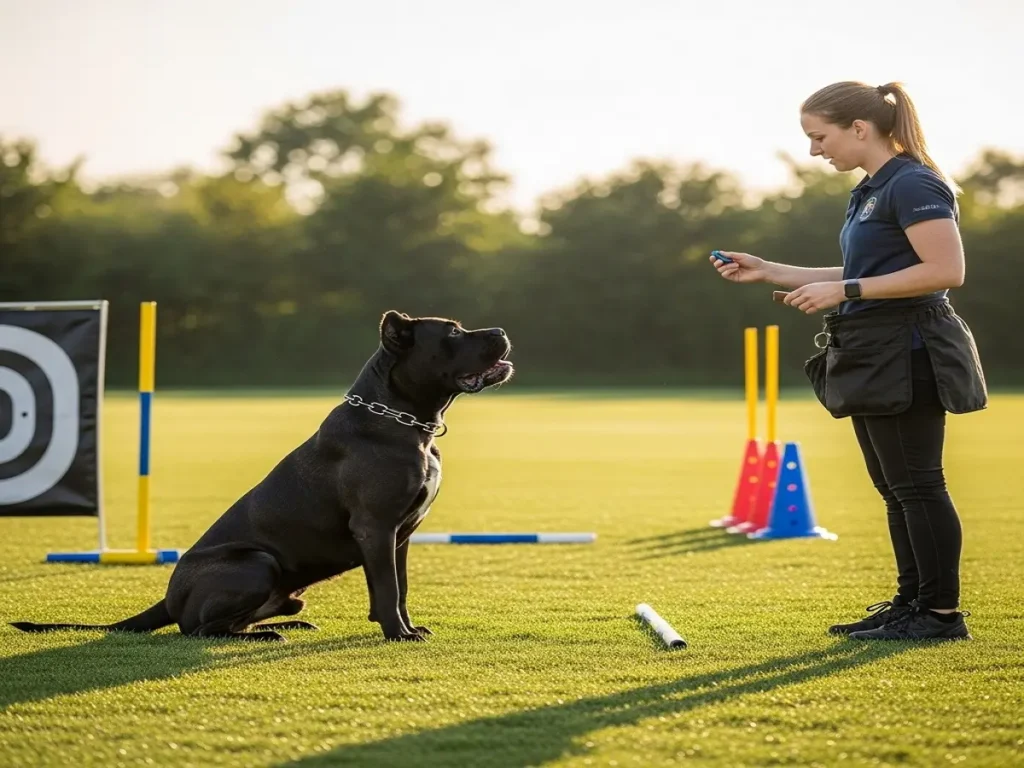
From my experience, King Cane Corsos are some of the most intelligent dogs I’ve ever worked with, and they quickly learn even complex commands when you keep them engaged. I’ve often assigned them specific tasks, and you can almost see how much happier a king corso becomes when they have something to do.
At times, though, their intelligence can get the better of them. I’ve had dogs get curious enough to try to leave the property the moment they spotted an opportunity, so structure matters. They also need steady mental stimulation, whether through work, play, or training, because that focus keeps their mind busy. Whenever owners skip enrichment, I notice changes almost immediately.
Without enough mental outlets, some dogs become rebellious, and a few even display early behavioral problems that weren’t there before. That’s why I always build routines that challenge their mind as much as their body. When you guide them with clear expectations and keep them thinking, they flourish in ways many people don’t expect from such a powerful breed.
King Cane Corso Dogs Energy Levels and Activity:
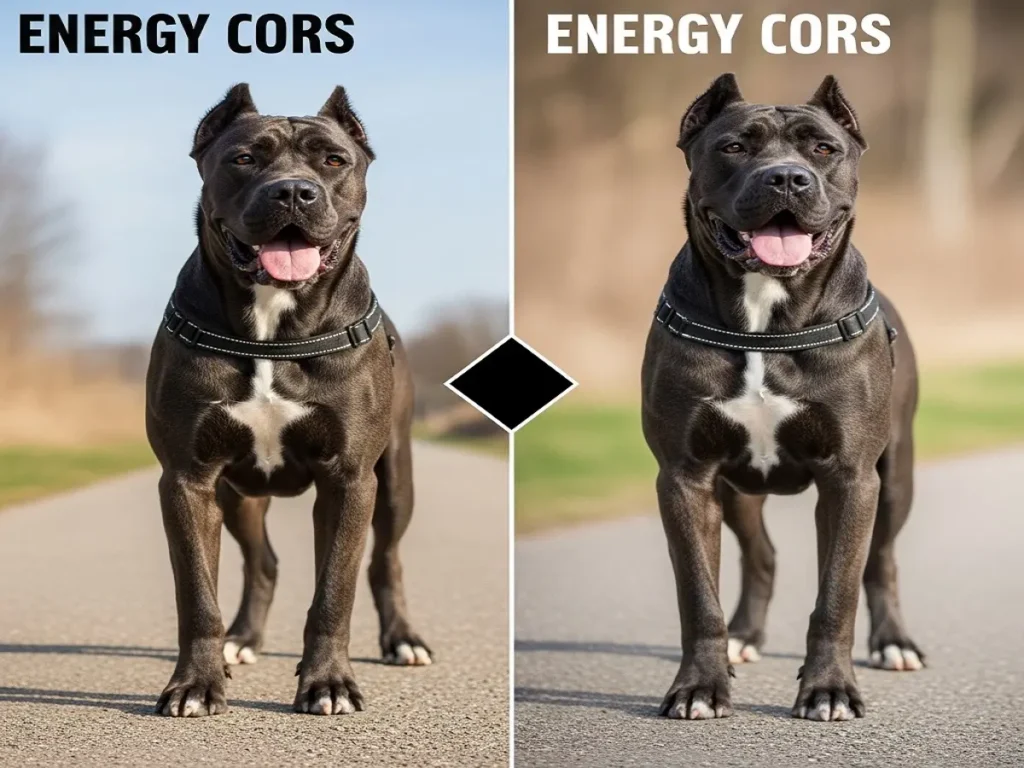
When I first began working with King corsos, I realized how truly energetic these dogs are and how much they need both mental and physical stimulation to stay balanced. I usually play, train, and walk them for about 1-2 hours daily, which keeps their needs met and helps them stay tired by the time for bed. Whenever an owner is failing to expend energy, the result is almost always the same:
Behavioral problems start showing up. I’ve seen dogs jumping around, destroying furniture, and even acting a bit spiteful simply because they had nowhere to put their energy. Having a backyard or a dog park nearby allows them to use energy on their own, and with this breed having a lot of energy, it makes a noticeable difference. Even so, I’ve learned that King corsos don’t run on high all day long.
If you play and train them consistently, they can eventually relax just like any other breed. I’ve had plenty of dogs that would relax at night without fuss and simply go to sleep when I did, as long as their day was structured and stimulating. Watching this shift from restlessness to calmness is one of the most rewarding parts of training this powerful breed.
King Cane Corso Dogs Training Ease and Tips:
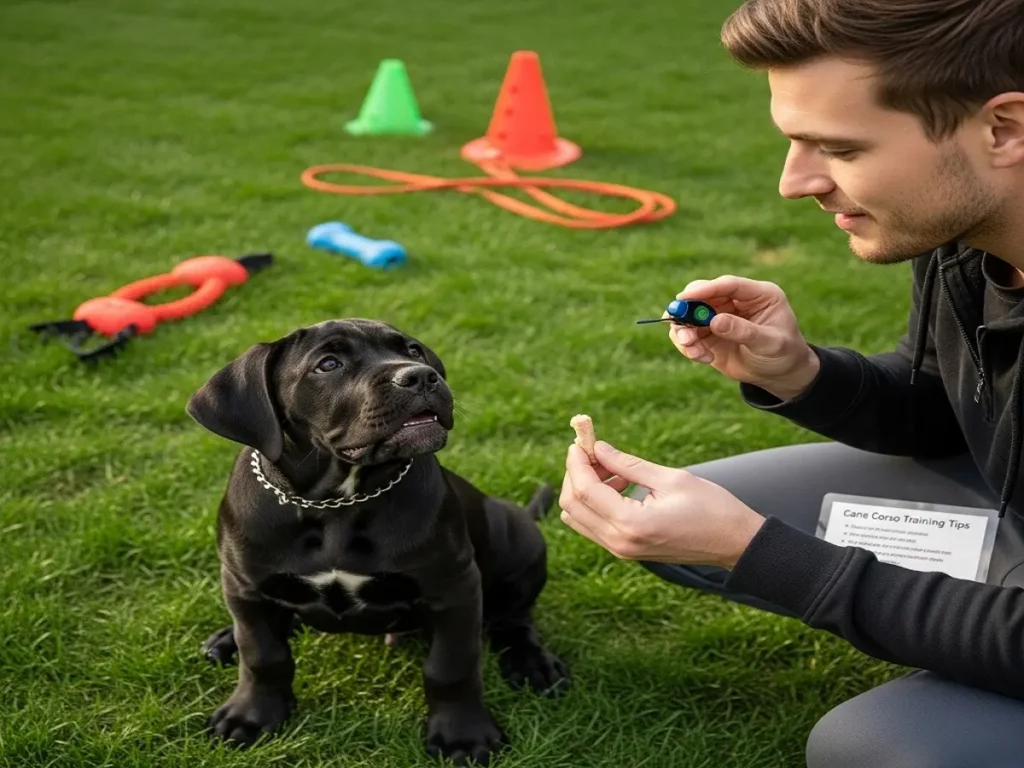
Working with king corsos has taught me that their impressive size and sometimes rebellious temperament can make the process feel like a real struggle for many first-time dog owners. When I first handled a young king corso, I quickly learned how important it is to build trust before expecting them to learn anything complex.
Once that tough, harsh exterior softens, they respond incredibly well to structure, especially when given training routines that feel like work or a clear schedule. They thrive when they have tasks to complete or a job that taps into their need for mental stimulation, something many new owners overlook in the beginning. Over time, I’ve seen these dogs master a wide range of skills from reliable off-leash walking to confident watchdog roles.
Their natural drive also makes them capable of excelling in agility events or even hunting, as long as the training routines stay consistent and engaging. Once their experience with structured guidance grows, they begin to enjoy the challenge of complex commands, and the right approach turns that early resistance into steady, focused stimulation that keeps them motivated.
Are King Cane Corsos good Watchdogs?
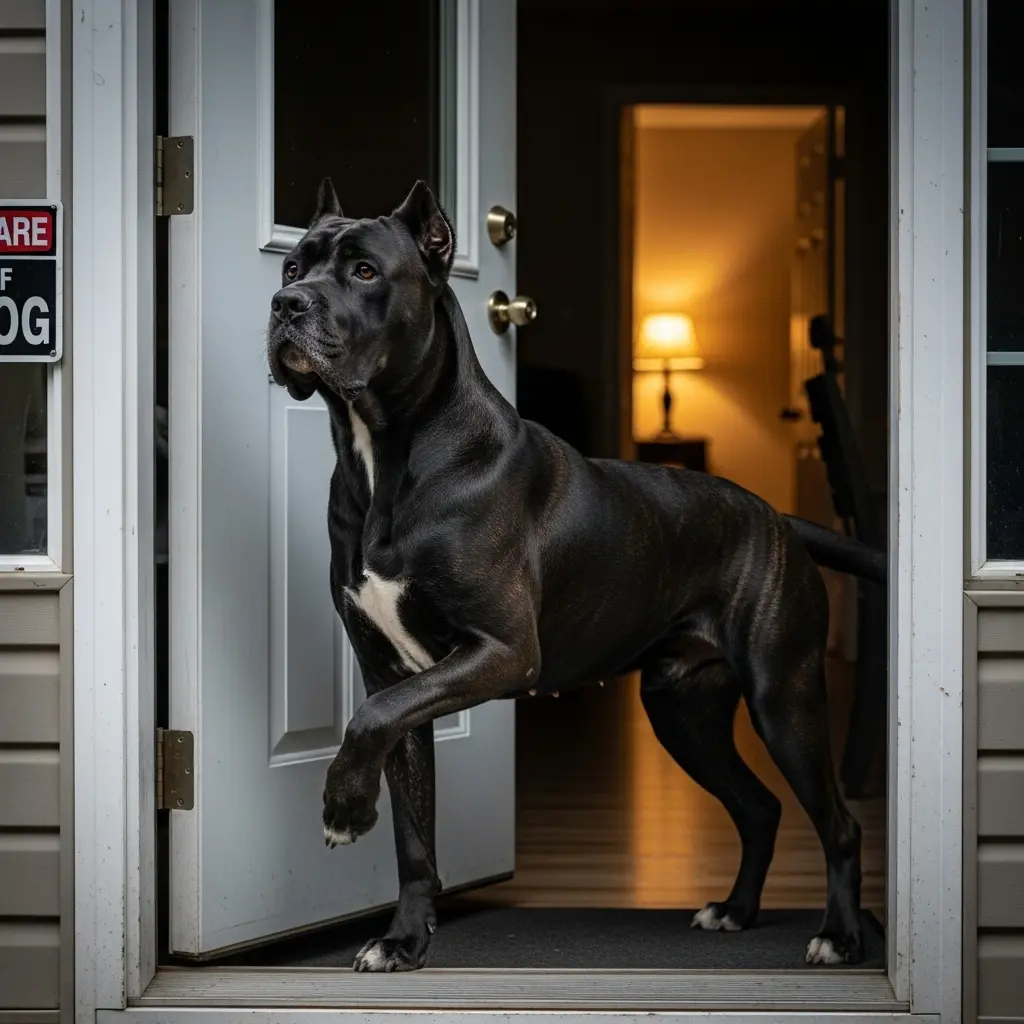
When I first started working with King Corsos, I understood why many people see them as excellent partners for watchdogs and serious watchdog work. Their confidence comes through in how brave, alert, and sometimes aggressive they become when someone is encroaching on their space or domain.
This reaction happens naturally, and in my experience, they don’t open up to strangers right away. Still, many choose them for these common reasons, especially in dedicated king corso ownership, where protection is a priority. Even though they rarely avoid responsibility, proper training is still important to help them reach their full potential.
I’ve often had to train them to focus on specific things to look for, and with the right training, they become even more reliable. Some owners love taking them hunting or fishing, and I’ve joined a few of those adventures myself. Out there in the wild, having a King Corso literally watching your back adds a sense of calm you don’t easily forget.
King Cane Corso Dogs as Service and Working Dogs:
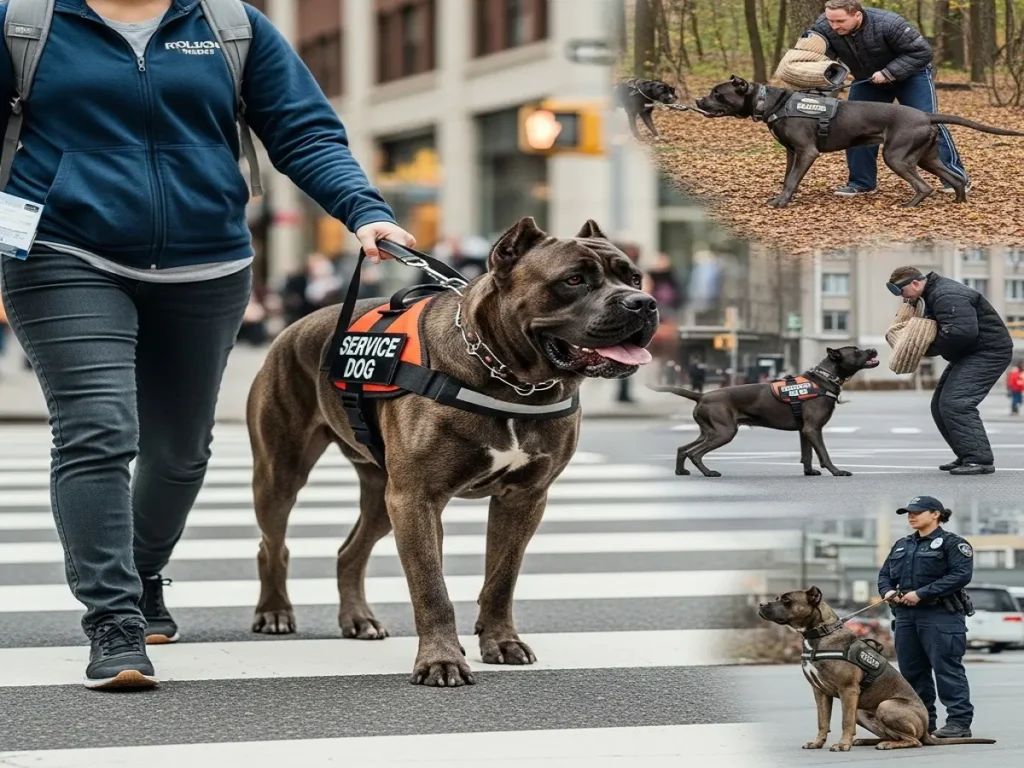
Working with King corsos has shown me how naturally they adapt to service roles, especially when their emotional instincts and impressive intelligence are guided in the right direction. Their size gives them the strength needed for physical assistance, while their calm focus helps them support people who need psychiatric help.
When I first began training one, I noticed how quickly they could open simple latches and escort someone through a room once they understood the routine. With patience, they learn to fetch items and even bring medications when there’s a clear need. Because they’re so flexible, these dogs can be shaped into highly reliable partners if you take the time to train them with steady, clear communication.
I’ve watched dogs in this breed confidently walk beside their handlers, gently nudge doors, and stay alert without becoming overwhelmed. A well-trained corso doesn’t just complete tasks they stay in tune with their person, responding in a way that feels almost intuitive. Their ability to combine strength, awareness, and loyalty is what makes them stand out among working breeds.
King Cane Corso Dogs Breed :

When you live with a King Corso, you quickly learn that this dog breed thrives when you give it steady and thoughtful care. I’ve noticed that the dogs I’ve worked with always respond better when their coat, teeth, and diet become part of a simple daily routine instead of something rushed.
Taking a moment to brush them helps remove debris without stripping the natural oils, and it keeps them comfortable, too. I also try to avoid washing them too often because their skin stays healthier that way, and you really see the best results when everything is done gently and consistently. Their overall health also depends on small habits throughout the day.
Some corsos are so active that you barely need to clip nails, while others require more attention depending on their activity level. Over time, you figure out what works in your home and adjust your daily routine to match their needs. For me, the key has always been paying attention to the little changes—they often tell you exactly what they need.
King Cane Corso Dogs Grooming and Care Guide:

I’ve always noticed that king corsos stay happiest when they are groomed on a steady routine, especially because their coats, though durable, still need to be bathed more frequently during shedding seasons. When the undercoat starts to loosen, I make it a point to brush gently to remove the excess hair,
I’ve learned how important it is to keep their ears cleaned, checked for infection, and their nails clipped and maintained. It sounds like a lot, but once you get into the rhythm of their grooming needs, it becomes second nature. From my experience, sticking to a 4-6 week schedule and remembering to brush often makes a huge difference,
Especially with their large size, which can make the process tiring if you’re doing it on your own. There are days when bathing and caring for their coat feels a bit rough, so I don’t hesitate to rely on a professional when needed. Still, being hands-on has helped me bond with them and understand exactly what keeps them comfortable and healthy.
King Cane Corso Dogs Shedding and Coat Maintenance:
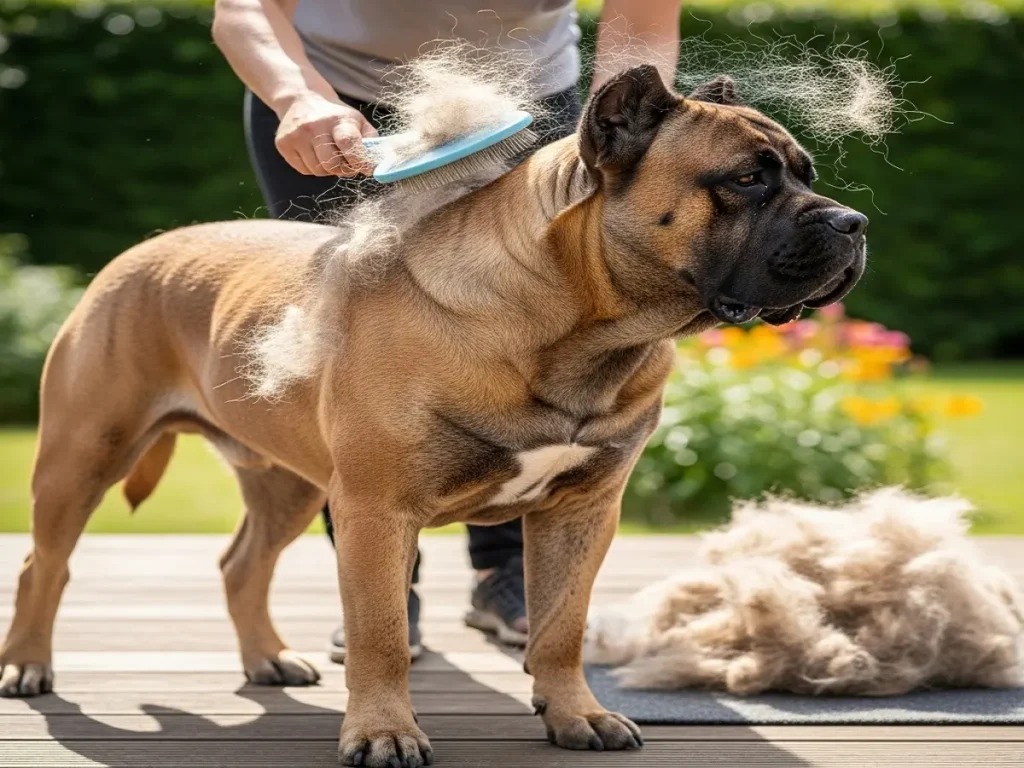
Living with King corsos means accepting that they shed quite a bit. In my experience, they shed throughout the year, and the spring and fall months make it even more intense because the undercoat starts to shed too. As a result, you may notice hair being found everywhere in your home unless you vacuum frequently.
Since they’re not hypoallergenic, people who are allergic to dog hair often do not do well with them in the house, especially during heavy shedding seasons. Even though I’ve owned large breeds before, King Corsos shed more than I first expected. When the coat blows out in spring months or fall, brushing helps, but the loose hair still travels. Still, once you get used to the routine, you learn how to manage it without stress.
King Cane Corso Dogs Health Issues and Concerns:

When I’ve cared for King corsos, I’ve noticed that even though they don’t struggle with many health problems. They can still face certain issues that are common in large dogs. These concerns often impact their mobility because they carry so much weight. There is a heightened risk of hip and joint problems, especially as people get older.
Some may even be born with conditions like hip dysplasia, which is the malformation of the joints. In my experience, catching these problems early makes daily life much easier for them. Some King corsos also deal with skin-related concerns such as demodectic mange, which is usually linked to immune problems.
This can result in red bumps, hair loss, and itching, so regular checkups help a lot. I’ve also seen eye problems appear with age, and keeping an eye on small changes. They can make a real difference in catching things before they worsen.
King Cane Corso Lifespan and Longevity:
When I talk to new owners about King corsos. I often remind them that these larger dogs don’t live as long as smaller breeds. Which is why their 10-12 years feel even more precious. In my experience, keeping them happy and healthy comes down to simple, steady habits. A mix of plenty of exercise and the right diet makes a huge difference. Especially because this breed thrives when their routines are predictable and active.
I’ve also learned that annual trips to the vet help keep them in better shape. They can even catch life-threatening health issues much sooner rather than later. With my own dogs, these check-ups have prevented several small concerns from turning into big problems. Caring for a King Corso isn’t complicated it just requires consistency and attention.
Large King Cane Corso dogs Diet and Nutrition Guide:
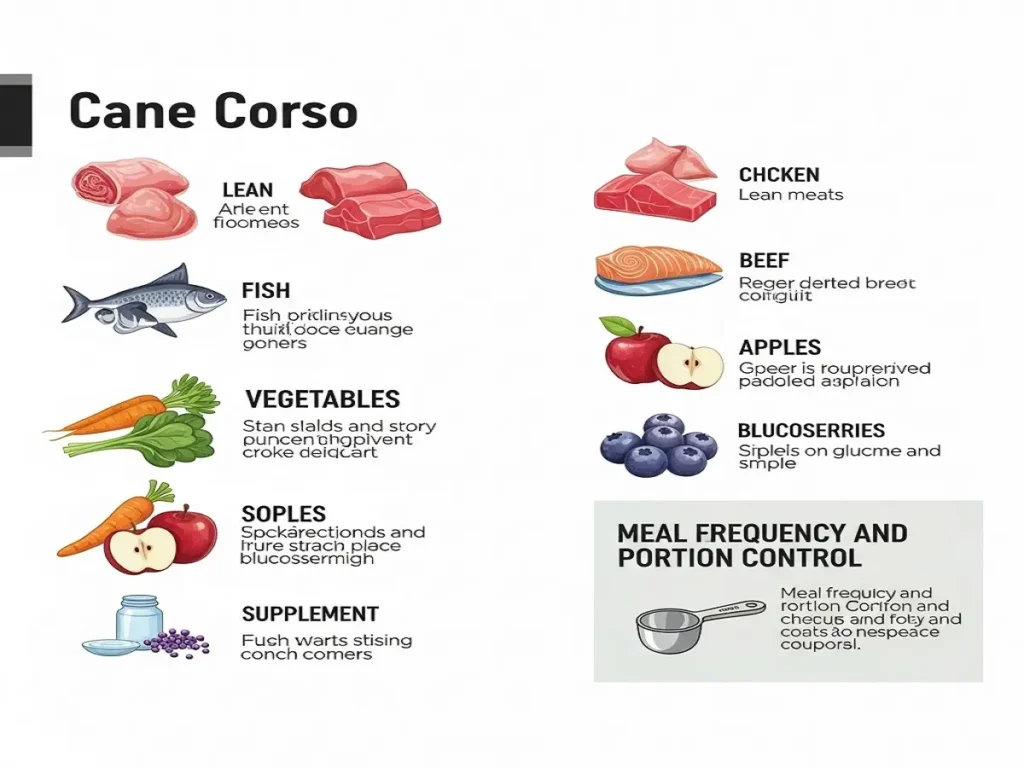
Caring for King, Corsos has taught me how much a good diet matters, especially one formulated for big dogs. When I first brought mine home, I learned that choosing both dry food and wet food made for larger dogs in reliable stores makes a real difference. The type of food you feed them is important, but so is how you offer it. Since they’re susceptible to bloat, I had to monitor how often they ate, giving smaller meals throughout the day to keep them comfortable and calm.
With time, I also paid close attention to portion sizes, especially after my vet recommended reaching out more often to check on my dog’s activity level and weight. Later in life, I learned to lower my food intake to avoid obesity, which can result in more joint problems. Following these steps has helped me keep my dogs healthy without stress or guesswork.
Is a King Cane Corso the Ideal Pet for You?
When I first started working with King Cane Corsos. I realized quickly that even though they are great dogs, they’re not for everyone. These dogs need plenty of space and daily care, and a decent amount of both indoor and outdoor space. I’ve seen how they struggle in confined apartments. Especially with a first-time dog owner who may not fully understand their personality traits.
If they don’t get proper guidance. They can act out, so knowing how to train them properly takes real time and patience. Without that steady training, the breed can easily become not right for you. Still, in the right settings, these dogs shine. I’ve worked with families who wanted a strong, steady companion
They often found that family dogs and loyal watchdogs like Corsos thrive in houses with big backyards. When owners put in the time to train them, the dogs truly benefit, and so does the entire home. It’s part of what makes this breed so special for the people who can give them what they need.
FAQs?
King Cane Corsos stand out for their powerful build, loyal nature, and calm confidence. Making them dependable protectors with a strong bond to their families.
You should consider this breed if you want a devoted companion that offers both affection and security. Thriving in homes where structure, guidance, and daily engagement are provided.
The best time to adopt is when you have stable routines, enough space, and the commitment to train consistently. Ensuring you can meet the needs of a growing, active guardian.
A reputable breeder can be found through national kennel clubs, verified breed organizations. And referrals from experienced owners who value responsible, ethical breeding practices.
This breed suits confident owners who can offer leadership, patience, and time. Especially those who want a loyal, protective dog and can provide a structured, engaging environment.
Conclusion:
In conclusion, King Cane Corso Dogs stand out for their impressive size, strength, and loyal nature. With proper training, early socialization, and responsible care, they can become balanced and dependable companions.
However, their power and guarding instincts require experienced ownership, consistent leadership, and daily structure. When raised correctly, these dogs show calm confidence, deep family bonds, and reliable protection.
Therefore, choosing a King Cane Corso should involve careful preparation, long-term commitment, and a clear understanding of the breed’s needs and responsibilities.
