



Introduction:
From my experience around dog shows, the ideal description and recognized breed standard for breeds like the dog and dogs we see judged at shows begins with a parent breed club, later accepted officially by national and international bodies.
When you look at the French Bulldog, often called a Frenchie, you see a small, muscular, companion dog breed with a distinctive look: bat ears, sometimes called bat-ears, a compact build, and a flat-faced and brachycephalic muzzle.
The breed was developed in the 19th century from English toy bulldogs and Parisian ratters, becoming popular city pets because of their affectionate, playful nature, low exercise needs, and close bond with people.
Known in French as Bouledogue Français, this French breed of companion dog or toy dog appeared in Paris in the mid-nineteenth century as a result of cross-breeding Toy Bulldogs imported from England with local Parisian ratters.
Today, they are commonly kept as pets and are among the most frequently registered dogs in a number of countries, such as Australia, the United Kingdom, and the United States. The breed is susceptible to various health problems, a consequence of being bred for a distinctive appearance, sporting a brachycephalic face and skin wrinkles.
Also called a Frenchie, this small nonsporting dog originated in France in the late 1800s, from crossing small native dogs and toy Bulldogs, and is loved for a joyful, clownish temperament, known to be playful and affectionate, making them ideal companions for the elderly and good with children.
Frenchies have large, erect, bat-like ears, a short, fine coat in colors like brindle, fawn, or white, require not much exercise, can live in apartments if given daily walks, but are prone to breathing issues due to short noses, so they should be monitored in hot, humid weather.
(Size, lifespan, Temperament) of the French bulldog:
Temperament of French Bulldogs:
The French bulldog may look grumpy-looking, but this joyful breed has a grumpy expression that belies a truly joyful disposition. This personality has helped make them one of the most popular breeds in the United States. They are often described as clownish, playful, and affectionate.
Yet still fairly energetic when they choose to be. In my time living with Frenchies, I noticed how they enjoy relaxing just as much as playing, which makes them ideal for the elderly and good with children, as long as people understand their limited ability to tolerate excessive heat or exercise.
Temperament:
At their core, French Bulldogs are affectionate, intelligent, easy-going, and playful, while remaining generally quiet around the home. They are generally accepting of unfamiliar dogs and people, though not overly exuberant in new situations.
They are willing to please, but often tend to be stubborn, which can require patience during training. They form close bonds, forming deep attachments with owners, and while they are moderately good watchdogs, they are poor protection dogs.
French Bulldogs are neither fighters nor barkers, a balance I’ve found makes them calm companions without losing their charm.
Size & Lifespan:
In daily life with this breed, height is usually 11–13 inches (28–33 cm) tall, weighing 16–28 lbs (7–13 kg), though weight is generally shaped by build, with males often reaching 20–31 and females around 18–29.
The lifespan is commonly 10–12 years, with a range of 10–14 years often reported, which I’ve seen vary bas
Key Details:
From a growth view, development reaches full size around 12–18 months, but many continue filling out until 2–3 years. Lifespan factors matter because this brachycephalic breed is prone to health issues.
Including breathing difficulties, spinal issues like IVDD, and joint dysplasia details I always watch closely when advising owners on long-term wellbeing.
| Feature | Details |
| Size | Height: 11–13 inches (28–33 cm) Weight: 16–28 lbs (7–13 kg) Males often 20–31 lbs, females 18–29 lbs |
| Lifespan | 10–12 years on average Some live 10–14 years with good care |
| Temperament | Affectionate, playful, intelligent, and easy-going Often quiet, sometimes stubborn Forms close bonds with owners Clownish, joyful, good with children and the elderly Generally friendly with people and dogs, but not overly energetic |
History of the French Bulldog Dog:
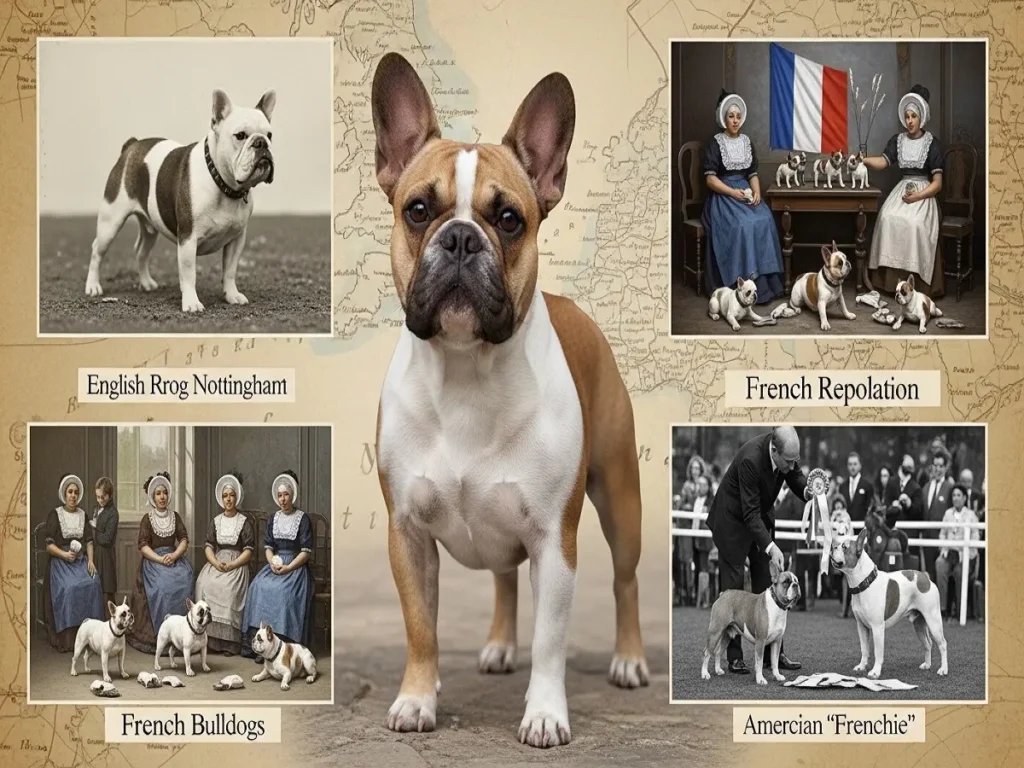
The story of the French Bulldog begins in 19th-century England, where small-sized Bulldogs were popular among lace workers in Nottingham. These miniature Bulldogs were bred to be compact, calm, and suitable for indoor living. When the Industrial Revolution forced many lace workers to relocate to France in search of work, they took their small Bulldogs with them.
In France, these dogs were crossed with local companion breeds, possibly including terriers and pugs. Over time, this selective breeding resulted in a dog with a lighter frame, a shorter muzzle, and the now-famous upright “bat ears.” These ears, which were initially considered a flaw in England, became a defining and celebrated feature in France.
The French Bulldog quickly gained popularity among Parisian society, artists, and café culture. Its charming appearance, affectionate temperament, and suitability for apartment living made it a favorite among urban dwellers.
By the late 1800s, the breed had traveled to the United States, where American breeders further refined its appearance. Eventually, the bat ears became the official standard, setting the French Bulldog apart from its English ancestors.
The breed was formally recognized by kennel clubs in the early 20th century, and today it is consistently ranked among the most popular companion dogs in the United States by organizations such as the American Kennel Club.
Health Issues:
Brachycephalic Issues & Breathing (BOAS):
The French Bulldog has Brachycephalic Issues with Breathing called BOAS, a defining feature caused by a short skull, flat face, and large wide-set eyes, leading to severe health issues. Brachycephalic Obstructive Airway Syndrome affects 80-90% of French Bulldogs.
Forcing them to breathe through a narrow straw due to Stenotic Nares, Elongated Soft Palate, Everted Laryngeal Saccules, and Tracheal Hypoplasia. Symptoms include snorting, snoring, rapid breathing.
Exercise intolerance, gagging, regurgitation, fainting, Heat Intolerance, inability to pant efficiently, and being prone to fatal heatstroke patterns I’ve repeatedly observed in practice.
Spine & Joint Issues:
Because of selective breeding for a screw or curly tail, Frenchies frequently suffer from Spine and Joint Issues, including spinal deformities. Hemivertebrae affect 97% of dogs, meaning at least one misshapen vertebra may cause instability, pain, or compress the spinal cord—a problem I’ve seen limit mobility early in life.
Another common condition is Intervertebral Disc Disease (IVDD), where cushions between vertebrae rupture, leading to severe pain, weakness, or paralysis. Symptoms of Spinal Issues include an arched back, reluctance to move or jump, yelping when touched, wobbling, and dragging rear legs, signs that always require fast attention.
Allergies & Skin Conditions:
Many Frenchies have Allergies and Skin Conditions because of their sensitive, thin skin, and they often suffer from atopic dermatitis. Environmental Allergies (Atopy) like pollen, dust, mites, and grass, can cause intense itching, leading to red skin, licking paws, and chronic ear infections, something I regularly notice during seasonal changes.
Food Allergies are also common, with culprits such as beef, chicken, dairy, and soy that cause gastrointestinal issues or skin irritation. Another frequent problem is Skin Fold Dermatitis, where moisture and bacteria become trapped in facial folds, leading to infection, which requires daily care to manage properly.
Lifespan & Common Surgeries:
Recent reports of Lifespan often say 10-12 years, but recent studies indicate hereditary conditions make the average shorter than similar-sized breeds. The Average Lifespan is quoted as 10–12 years, yet data suggests a median age of 4.5–9 years when severe health issues exist.
Quality of Life improves with a healthy lifestyle and weight management, since obesity worsens conditions, but can significantly extend lifespan, something I stress with owners.
Because of structural issues, Common Surgeries and surgical interventions are common. BOAS Correction procedures include resection of the soft palate, widening of the nostrils, and stenotic nares surgery.
IVDD Surgery helps relieve pressure on the spinal cord, while Entropion Eye Surgery involves correcting eyelids that roll inward. Due to narrow hips and large head size, most Frenchies are delivered by C-Section.
Why Flat-Faced Breeds Have Health Issues:
Pugs and bulldogs have shortened skulls and bulging eyes, so brachycephalic dogs often look like human infants, which makes them popular with human owners. Over time, breeders seeking money focused on the most appealing dogs and continued to breed for the flattest faces and biggest eyes, often without regard for health or temperament.
This breeding goal of ultimate cuteness creates serious welfare problems, as tissues from the mouth, windpipe, and lungs are squashed into a smaller, enclosed space, making dogs struggle to breathe enough air and oxygen.
Because the airways are narrow and twisted abnormally, these breeds often cause Allergies, Breathing problems, including brachycephalic obstructive airway syndrome (BOAS), Eye issues, Difficulty exercising, and Heatstroke.
Their short, stocky bodies and frequent inbreeding also cause back and joint issues, digestive issues, Difficulty giving birth, often born via C-section, plus Mobility issues and Skin fold infections—patterns I’ve repeatedly seen while advising owners.
Costs, purchase/adoption of the French bulldog:
Purchase & Ownership Costs Explained:
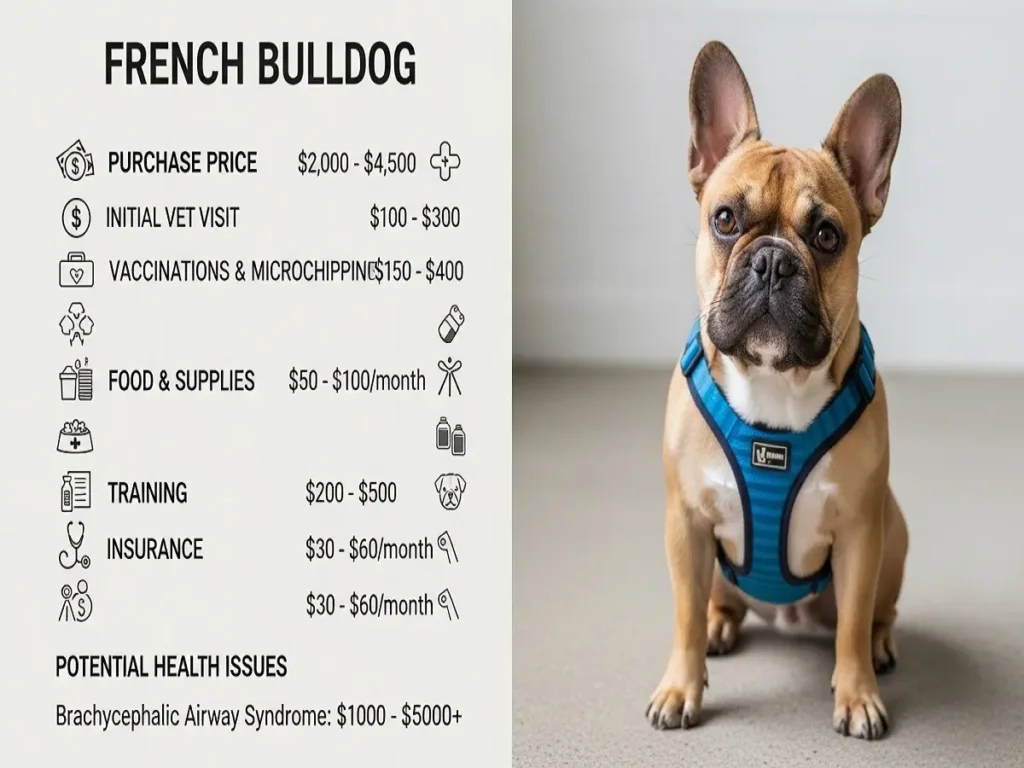
When you look at Purchase/Adoption (Initial Cost) first, a Reputable Breeder usually prices French Bulldogs at $2,500 to $5,000 for standard pups, while rare colors or fluffy types can reach $6,000 to $15,000+, especially with champion bloodlines.
From experience, this pricing reflects high demand and significant breeding costs, typically requiring artificial insemination and C-sections. Adoption is lower at $300 to $1,000, which often includes vaccinations, spaying, and neutering, making it a more accessible option.
From a broader view in the Detailed Cost Breakdown, French Bulldog ownership in 2025–2026 stays high because these dog breeds are among the most expensive, largely due to breeding complexity and market pressure.
The cost of owning a French Bulldog rises particularly when rare colors are involved, something I always advise buyers to plan for early, so the excitement doesn’t overshadow the long-term reality.
Ongoing & First-Year Costs:
In the First Year, Expenses add up quickly. Supplies usually cost $400–$500, covering a crate, bed, toys, bowls, and a leash. Vet Care runs about $150–$300 per visit for vaccinations and checkups, and Insurance often costs $500 to $1,000+ per year. From what I’ve seen, planning early for these basics makes the first months far less stressful.
Looking at Recurring Lifetime Costs, Food alone is around $300–$600 per year. Health Considerations matter because their brachycephalic and flat-faced nature makes them prone to breathing issues, skin infections, and allergies. Emergency care, especially for Intervertebral Disc Disease, can reach $7,000–$9,000. These figures are often referenced by
First-Year Cost: Puppy vs Adult:
Owning a French Bulldog is often described as a small dog with big expenses. Though compact, the overall cost of ownership is significantly higher than that of many other small breeds because of purchase price, medical needs, and long-term care requirements.
This guide is designed for future owners and first-time dog parents, budgeting realistically, focusing on real-world costs, what owners actually spend in the first year, month to month, and over a lifetime.
Costs are expensive for three main reasons: High acquisition costs, breeding complexity, Ongoing veterinary expenses, breed-specific health risks, and Above-average lifetime medical insurance costs.
Unlike generic small dog cost guides, they do not follow a low-cost pattern for small breeds. Flat faces, compact spines, sensitive skin, and temperature intolerance can result in higher routine and emergency care expenses over time.
Diet & nutrition sample meal plans, weight chart, feeding schedule) of the French bulldog:
Feeding Schedule & Ideal Weight:
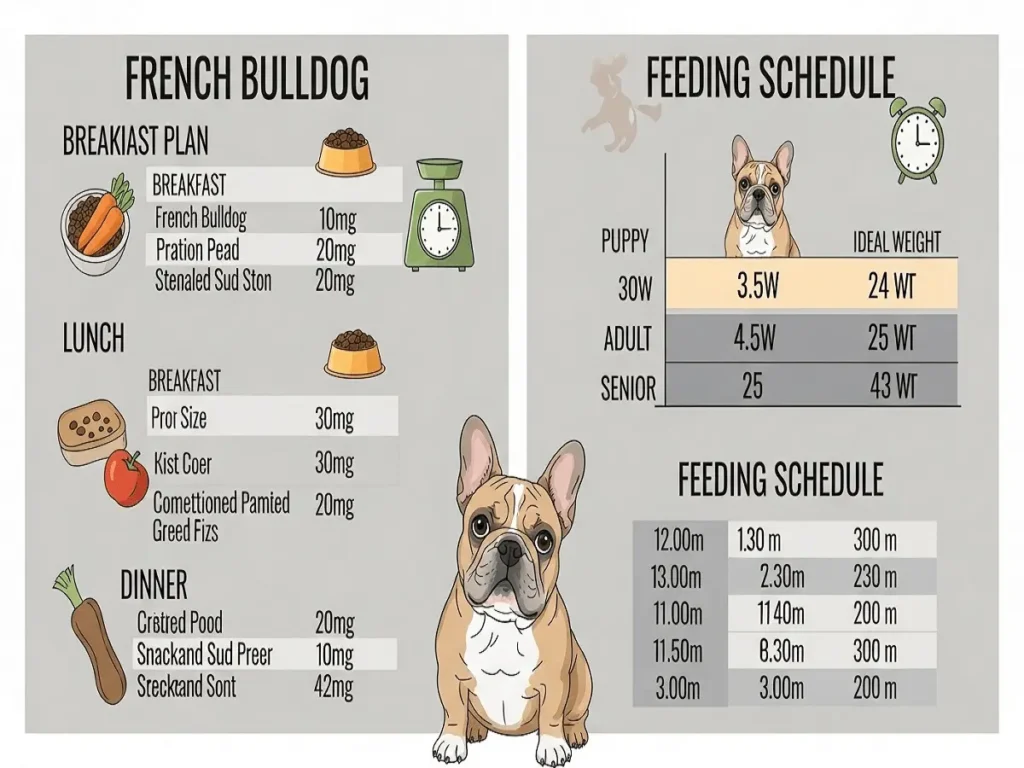
A clear Feeding Schedule helps manage Weight and health. Puppies 8 weeks to 4 months need 3–4 small meals per day to manage small stomachs and maintain blood sugar.
From 4 to 12 months, Transition to 3 meals a day, gradually reducing to 2 meals as they reach maturity. Adults 12+ months do best with 2 meals per day, supporting digestion and reducing gas.
French Bulldog Weight Guide:
The French Bulldog Weight Chart shows Adult Female 17–26 pounds (approx. 7.7–12 kg) and Adult Male 20–30 pounds (approx. 9–13.6 kg). Puppy Growth rapidly grows 5–7 lbs. by 8 weeks, 9–12 lbs at 16 weeks, and reaches maturity around 9–12 months.
Note: Obesity is common in the breed and can worsen breathing issues; a slight healthy layer of fat over the ribs is normal, but a defined waist should be visible.
Sample Meal Plans & Daily Nutrition:
From experience, planning Sample Meal Plans makes feeding easier and healthier. Note to Consult a veterinarian before making significant changes to a diet. For Dry Food Kibble, Daily Rations for an Average 20-25 lb dog are a Total Amount of Approx.
1.5 to 2 cups of high-quality, small-breed, Frenchie-specific kibble daily, split into two meals. Tip: When feeding a 20-lb Frenchie, aim for 500–600 calories per day. A Gently Cooked Homemade Example Recipe uses Ingredients like 80% lean meat (ground beef, turkey, chicken) and 20% vegetables and carbs, such as sweet potato, carrots, spinach, peas, plus safe oils like olive oil or coconut oil.
A Sample Meal is 1 cup cooked mix, half cup in the morning and evening, with Add-ins like a tablespoon of pumpkin puree for fiber or a splash of low-sodium broth for moisture. A Raw Diet, Species-Appropriate, follows Portion rules to Feed 2–3% of the ideal body weight for adults, using a Mix of high-quality raw meat, bones, and organ meat, supplemented with safe veggies.
Dietary Needs & Key Tips:
Meeting Dietary Needs and Nutrition starts with Caloric Intake. Adult Frenchies typically need 500–750 calories per day, depending on activity level. A common rule is 25–30 calories per pound of body weight. Protein should be High-quality animal protein like beef, chicken, or fish as the main ingredient at 25–30%.
Fats should be 10–15% fat content, ideally with Omega-3 and Omega-6 fatty acids for skin health. Ingredients to Avoid include Preservatives, high-carb fillers, pasta, excessive rice, corn, and wheat, which can trigger allergies.
Key Tips for French Bulldog Nutrition include Hydration. Always ensure fresh water is available, using Wet food to increase hydration.
Treats should never exceed 10% of daily calories, with Healthy options like carrots, cucumbers, and blueberries. Allergy Management may require a limited-ingredient diet, such as salmon or lamb, if a dog has skin issues or excessive gas. Portion Control matters because a low activity level means they gain weight easily.
Exercise & Mental Enrichment for the French Bulldog Dog:

The French bulldog requires moderate, low-impact exercise due to its brachycephalic structure. Short daily walks of 15–20 minutes help maintain a healthy weight without straining breathing. Avoid intense activity, especially in warm weather. Mental enrichment is equally important, as Franchises are intelligent and easily bored.
Puzzle feeders, treat-dispensing toys, and basic obedience games keep their minds active. Indoor games like hide-and-seek, gentle tug-of-war, and name-recognition exercises are ideal. Rotating toys and teaching simple tricks also provide stimulation while preventing anxiety and destructive behavior
Grooming & Care Checklist for French Bulldog Dogs:
This grooming & care checklist is tailored for French Bulldog dogs, focusing on health, hygiene, and comfort. Brush the coat 2–3 times weekly to remove loose hair and support skin health. Bathe once every 4–6 weeks using a gentle, dog-safe shampoo.
Clean facial folds daily to prevent moisture buildup and skin infections—this is essential for French Bulldogs. Check and clean ears weekly to reduce wax and infection risk. Trim nails every 2–3 weeks to avoid joint strain. Brush teeth daily or at least 3 times a week to prevent dental disease. Provide daily eye checks for redness or discharge.
Wipe paws after walks to remove dirt and allergens. Because French Bulldogs are heat-sensitive, always ensure cool environments, fresh water, and avoid overexertion. Regular vet checkups complete proper French Bulldog care. Daily Care: Clean facial wrinkles to prevent infections. Check eyes for discharge or redness.
| Time Period | Training Focus |
| Days 1–30 | House training, name recognition, and bonding |
| Days 31–60 | Sit, stay, leash walking, socialization |
| Days 61–90 | Recall, impulse control, routine building |
Positive reinforcement works best for the French Bulldog.
Travel, Heat Safety & Emergencies:
Travel Tips:
- Use a well-ventilated crate
- Avoid airline cargo travel
- Take frequent breaks during car trips
Heatstroke Protocol (Step-by-Step):
- Move the dog to shade or AC immediately
- Offer small amounts of cool water
- Apply cool (not icy) towels to the belly and paws
- Contact a veterinarian urgently
French Bulldog dogs are extremely heat-sensitive and require constant monitoring.
Adoption vs Breeder: How to Choose a French Bulldog Dog (120 Words)
Choosing between adoption and a breeder is an important decision when bringing home a French Bulldog dog. Adoption is a great option for those who want to provide a second chance to a dog in need.
Many rescued French Bulldogs are already vaccinated, trained, and temperament-tested, making them suitable for families. On the other hand, selecting a reputable breeder allows you to understand the puppy’s health history and lineage.
A responsible breeder will provide health clearances, allow you to meet the puppy’s parents, and offer a written contract. Avoid breeders who refuse health records or rush the sale. Whether adopting or buying, always prioritize the dog’s health, temperament, and long-term well-being.
Adoption Benefits:
- Lower cost
- Saves a life
- Often already vaccinated
Reputable Breeder Checklist:
- Health testing documentation
- Clean living environment
- Transparent contracts
- No pressure to buy
Always avoid puppy mills when choosing a French bulldog dog
Insurance & Choosing a Vet:
Due to breed-specific health risks, insurance is highly recommended.
What to Look For:
- Coverage for hereditary conditions
- No lifetime payout caps
- Surgery and diagnostics included
Sample Monthly Insurance Cost:
- $40–$80 per month (USA average)
Insurance comparison platforms like Policy Advisor help owners compare plans effectively.
Comparison Table: French bulldog vs Pug vs Boston terrier
The French Bulldog, Pug, and Boston Terrier are popular small breeds, but they suit different lifestyles. French Bulldogs are calm, affectionate, and low-energy, making them ideal for apartments and relaxed owners.
Pugs are friendly and playful but more stubborn, needing careful diet control due to weight gain. Boston Terriers are the most energetic and intelligent, thriving in active homes with regular training.
All three are brachycephalic, but French Bulldogs and Pugs face higher breathing risks than Boston Terriers. Choose based on activity level, training commitment, and climate tolerance.
| Feature | French Bulldog Dog | Pug | Boston Terrier |
| Energy Level | Moderate | Low | High |
| Heat Tolerance | Very Low | Low | Moderate |
| Grooming Needs | Low | Moderate | Low |
| Trainability | Moderate | Moderate | High |
| Apartment Friendly | Excellent | Excellent | Very Good |
FAQs?
Yes, the French Bulldog dog is suitable for first-time owners because of its friendly temperament, manageable size, and moderate exercise needs. However, owners must be prepared for health care responsibilities and regular vet visits.
A French Bulldog adapts very well to apartment living due to its low barking tendency and moderate activity level. Daily short walks and indoor play are enough, making it ideal for urban homes and small spaces.
No, the French Bulldog dog does not require intense exercise. Short walks and gentle play sessions are sufficient. Avoid overexertion because excessive activity can cause breathing difficulties due to its flat-faced structure.
Yes, French Bulldog dogs are generally gentle, playful, and affectionate with children. They enjoy family interaction, but always supervise them around young kids to prevent accidental rough handling due to their compact body
French Bulldog dogs are prone to breathing issues, skin allergies, and spinal conditions. Regular veterinary care, proper diet, and avoiding heat stress can significantly reduce health risks and help maintain a better quality of life.
French Bulldog dogs have very low heat tolerance. Their short snout makes cooling difficult, increasing the risk of heatstroke. Owners should keep them indoors during hot weather and always provide air conditioning and fresh water.
French Bulldog dogs are intelligent but can be stubborn. Training requires patience, consistency, and positive reinforcement. Short, reward-based training sessions work best to keep them motivated and prevent boredom or resistance.
Conclusion:
The French Bulldog is a loving, adaptable, and charming companion, well-suited for modern lifestyles, especially apartment living. However, owning this breed requires informed responsibility.
From proper grooming and structured training to mindful exercise, heat safety, and healthcare planning, every aspect plays a vital role in the dog’s quality of life. Choosing between adoption and a reputable breeder should always focus on health, ethics, and long-term commitment.
With the right care, patience, and preparation, a French Bulldog can become a deeply affectionate family member, offering loyalty, companionship, and joy for many years while thriving in a safe and supportive environment.
