


Introduction:
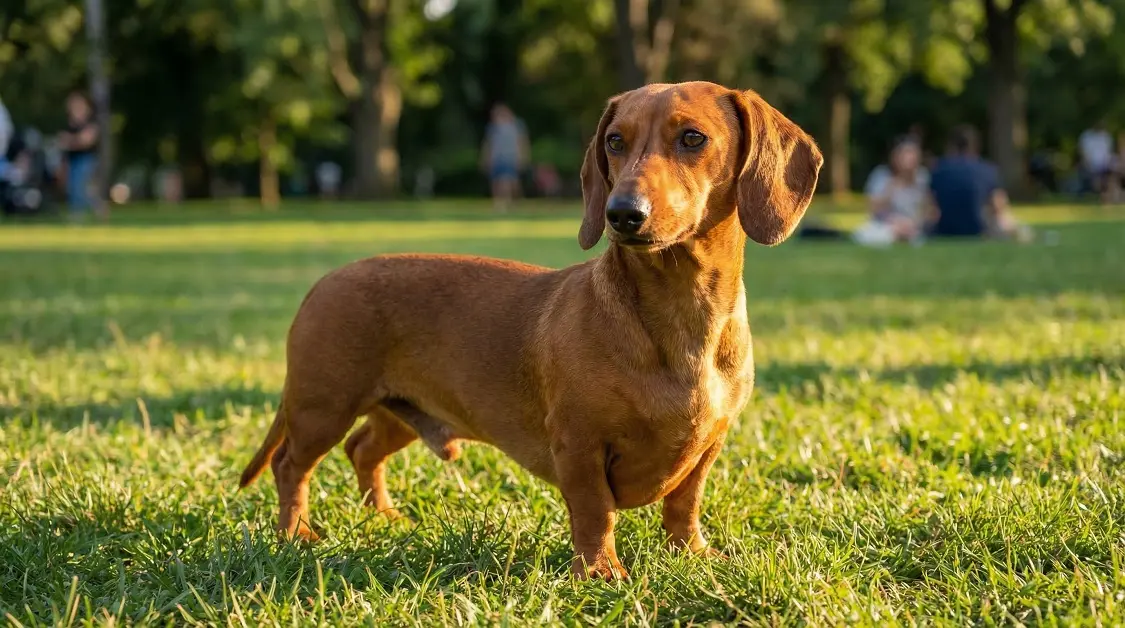
Dachshunds are one of the most popular Dachshund Small Dog Breeds in the world. They are easy to recognize because of their long body, short legs, and cute faces. Although Dachshunds are small, they show bravery, playfulness, and strong loyalty toward their owners. Many people love the Dachshund Small Dog Breed because it has a big personality in a small body.
In the United States, Dachshunds have been a favorite family dog for many years. They are especially popular with people who live in apartments or small homes because they do not need a lot of space. Dachshunds are also loving companions who enjoy spending time with their owners, which makes them a great choice for families, singles, and even first-time dog owners.
Another reason for their popularity is that Dachshunds come in different sizes and coat types, including smooth, long-haired, and wire-haired. This variety allows dog lovers to choose the type that best fits their lifestyle.
Because of their unique look, friendly nature, and adaptable size, Dachshunds continue to be one of the most loved small dog breeds in the United States.
Table
| Feature | Details |
|---|---|
| Breed Name | Dachshund |
| Breed Size | Small Dog Breed |
| Weight | 11–32 pounds |
| Height | 5–9 inches |
| Lifespan | 12–16 years |
| Origin | Germany |
| Temperament | Loyal, Brave, Intelligent |
| Good For | Families, Apartments, Seniors |
Origin of the Dachshund:
The Dachshund breed comes from Germany. In fact, the word “Dachshund” comes from German words that mean “badger dog.” The breed was developed hundreds of years ago by German hunters who needed a small but strong dog that could go inside animal burrows. Over time, Dachshunds became popular not only in Germany but also in many other countries, including the United States.
Hunting History:
Hunters originally bred Dachshunds to hunt animals that live underground, such as badgers, rabbits, and foxes.. Their long bodies and short legs helped them move easily through narrow tunnels and burrows. These dogs also have a strong sense of smell and a loud bark that helps hunters locate animals during a hunt.
Breed Purpose:
The main purpose of the Dachshund breed was to help hunters track, chase, and flush out animals from underground holes. Their courage and determination made them excellent hunting companions. Today, Dachshunds are mostly kept as family pets, but they still have the same bold personality and strong instincts that made them great hunters in the past.
Dachshund Size and Types:
Dachshunds may look similar at first, but they actually come in different sizes and coat types. These variations make the breed unique and allow people to choose the type that best fits their lifestyle.
Some Dachshunds are slightly larger, while others are very small. They can also have different kinds of coats that change how they look and how much grooming they need.
Table
| Type | Weight | Height | Best For |
|---|---|---|---|
| Standard Dachshund | 16–32 lbs | 8–9 inches | Active families |
| Miniature Dachshund | Under 11 lbs | 5–6 inches | Apartments & small homes |
Standard Dachshund:
The Standard Dachshund is the larger type of this breed. These dogs usually weigh between 16 and 32 pounds when fully grown. Standard Dachshunds were originally bred to hunt larger animals like badgers. Because of this, they tend to be strong, brave, and very determined.
Even though they are bigger than the miniature type, they are still considered small dogs compared to many other breeds. Standard Dachshunds are playful, loyal, and enjoy spending time with their owners. They also need regular exercise to stay healthy and active.
Miniature Dachshund:
The Miniature Dachshund is the smaller version of the breed. These dogs usually weigh 11 pounds or less when they are fully grown. Miniature Dachshunds were developed to hunt smaller animals such as rabbits.
Because of their small size, they are very popular with people who live in apartments or small homes. Miniature Dachshunds are affectionate, energetic, and love being around their families. Despite their tiny size, they often have a bold and confident personality.
Coat Types:
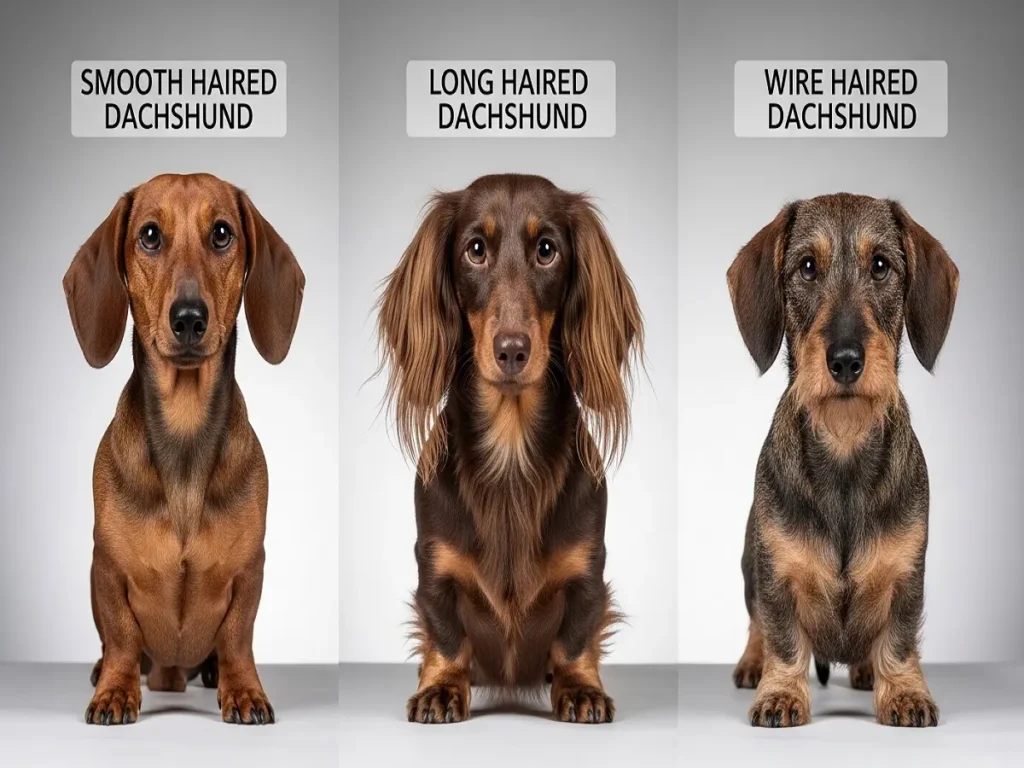
Dachshunds also come in three different coat types, which means their fur can look and feel different depending on the type.
Smooth-haired Dachshund:
This type has short, shiny fur that lies close to the body. Smooth Dachshunds need very little grooming, which makes them easier to care for.
Long-haired Dachshund:
Long-haired Dachshunds have soft, flowing fur that is longer around the ears, chest, and tail. They usually have a gentle and calm appearance, but their coat needs regular brushing.
Wire-haired Dachshund:
Wire-haired Dachshunds have rough and slightly thick fur that gives them a unique look. They often have bushy eyebrows and a small beard. This coat type helps protect them from rough environments and usually needs occasional grooming.
Dachshund Temperament:
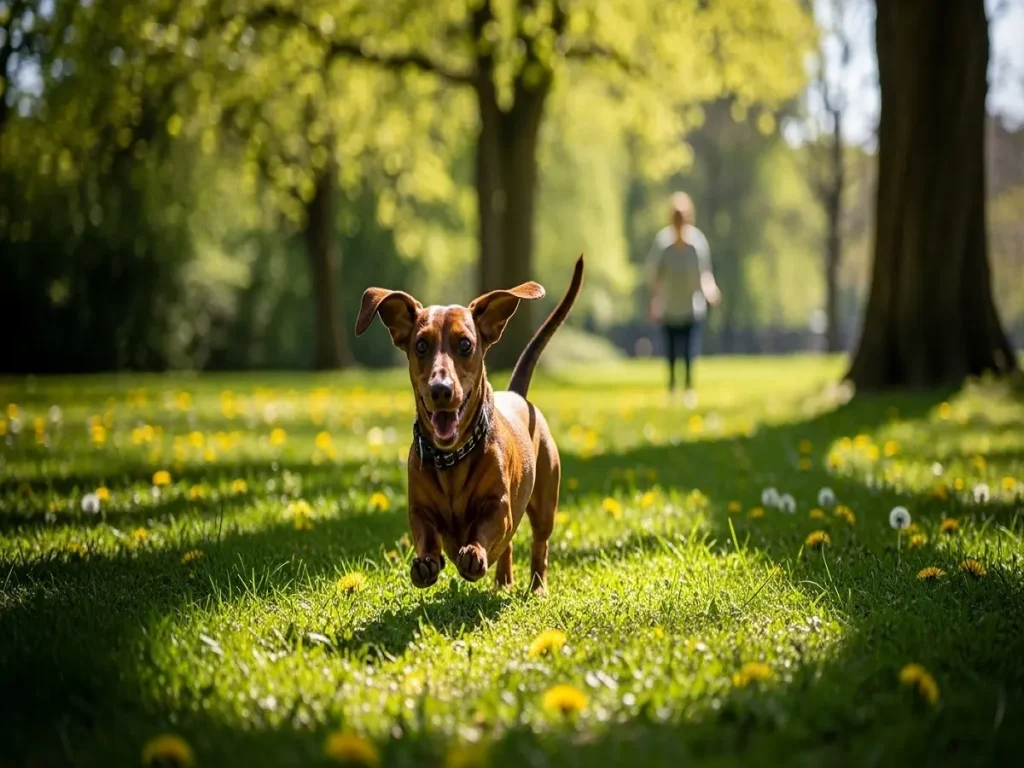
Dachshunds may be small dogs, but they have a very big personality. Their temperament is one of the main reasons why this breed is loved by so many people. Dachshunds are known for being loyal, brave, intelligent, and sometimes a little stubborn.
These traits come from their history as hunting dogs. Even today, they still show the same confidence and energy.
Loyal:
The Dachshund Small Dog Breed is very loyal and often forms a strong bond with its owners. These dogs enjoy spending time with their family and like to stay close to the people they trust. Because of this loyalty, many Dachshunds can become very protective of their home and family members.
Brave:
Even though Dachshunds are small, they are surprisingly brave. This courage comes from their hunting background, where they had to face animals that were larger than themselves. Dachshunds are not easily scared and will often act like they are much bigger than they really are.
Stubborn:
Dachshunds can sometimes be stubborn. This means they may not always listen right away, especially if they are not interested in what you are asking them to do. Because of this, training a Dachshund requires patience, consistency, and positive rewards.
Intelligent:
Dachshunds are also intelligent dogs. They can learn commands and tricks quickly when trained properly. Their smart and curious nature means they enjoy activities that challenge their mind, such as puzzle toys or training games. With the right guidance, Dachshunds can become well-behaved and very loving companions.
Why Dachshunds Are Great Small Dogs:
The Dachshund Small Dog Breed is often considered one of the best small dog breeds for many types of owners. Their small size, friendly nature, and adaptable personality make them a great choice for different lifestyles.
Whether someone lives in a small apartment or travels often, the Dachshund Small Dog Breed can easily fit into their daily life..
Good for Apartment Living:
Dachshunds are a good option for people who live in apartments or small homes. Because they are small dogs, they do not need a large yard to be happy. Regular walks and a little playtime indoors are usually enough to keep them active. Their size also makes it easier to manage them in smaller living spaces.
Travel-Friendly Size:
Another reason Dachshunds are great small dogs is that they are easy to travel with. Their small bodies make them easier to carry compared to larger breeds. Many owners find it simple to take their Dachshund on trips, visits to friends, or even short vacations. With the right travel bag or carrier, they can comfortably go almost anywhere with their owner.
Great Family Pets:
Dachshunds can also make wonderful family pets. They are affectionate and enjoy spending time with their owners. Many Dachshunds love attention and enjoy playing with family members. When they are properly trained and socialized, they can become loving companions for both adults and older children.
Pros and Cons of Dachshunds:
Like every dog breed, Dachshunds have both advantages and challenges. Understanding the pros and cons of Dachshunds can help people decide if this small dog breed is the right choice for their lifestyle. While they are loving and entertaining pets, they also need proper care and training.
Table
| Pros | Cons |
|---|---|
| Very loyal to owners | Can develop back problems |
| Intelligent and playful | Sometimes stubborn to train |
| Small and apartment friendly | May bark frequently |
| Long lifespan | Needs careful handling |
Pros of Dachshunds:
Loyal Companions:
Dachshunds are very loyal to their owners. They often form a strong bond with their family and enjoy spending time with them. This loyalty makes them loving and protective pets.
Intelligent Dogs
Dachshunds are smart and curious dogs. They can learn commands, tricks, and routines with proper training. Their intelligence also means they enjoy activities that challenge their mind.
Small and Easy to Manage
Because of their small size, Dachshunds are easier to handle compared to many larger breeds. They do not need a large living space, which makes them suitable for apartments and smaller homes.
Cons of Dachshunds:
Back Problems:
One of the biggest health concerns for Dachshunds is their long spine. Because of their body shape, they are more likely to develop back problems if they jump too much or become overweight. Owners need to be careful about protecting their dog’s back.
Stubborn During Training:
Dachshunds can sometimes be stubborn. This means they may not always follow commands right away. Training them requires patience, consistency, and positive rewards to help them learn good behavior.
Dachshund Health Problems:
Dachshunds are generally loving and active small dogs, but like many purebred dogs, they can be more likely to develop certain health problems. Their unique body shape, especially their long back and short legs, can make them more vulnerable to some conditions.
Understanding common Dachshund health problems helps owners take better care of their pets and keep them healthy for many years. With proper care, regular vet visits, and a healthy lifestyle, many of these issues can be managed or even prevented.
Table
| Health Problem | Description | Prevention |
|---|---|---|
| IVDD | Spinal disc disease common in dachshunds | Avoid jumping, maintain healthy weight |
| Obesity | Extra weight harms spine and joints | Proper diet and exercise |
| Dental Disease | Plaque and gum infections | Regular teeth brushing |
Intervertebral Disc Disease (IVDD):
One of the most common health problems in Dachshunds is Intervertebral Disc Disease (IVDD). This condition affects the spine and can cause pain, nerve damage, or difficulty walking. Because Dachshunds have long backs, their spinal discs can sometimes slip or become damaged.
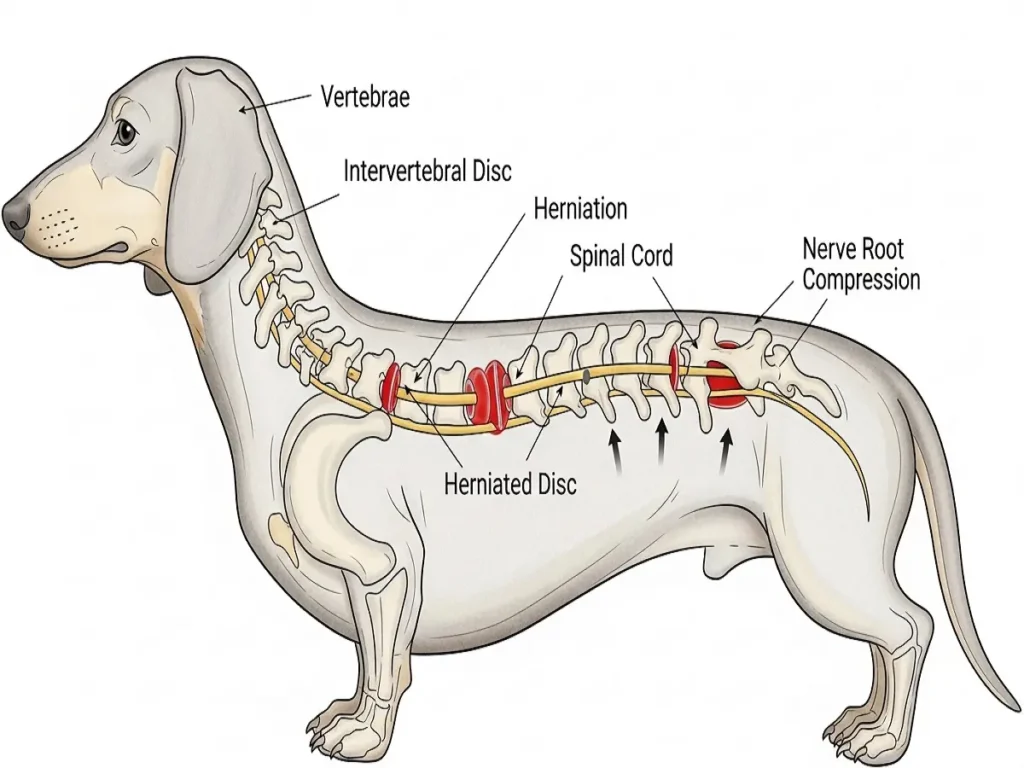
Studies show that around 20–25% of Dachshunds may develop IVDD during their lifetime. Signs of this problem may include difficulty moving, weakness in the legs, or sensitivity when the dog’s back is touched.
To reduce the risk, owners should try to prevent their Dachshund from jumping off furniture, climbing too many stairs, or becoming overweight. Using ramps or pet stairs can also help protect their spine.
Obesity:
Obesity is another common health issue for Dachshunds. Because they are small dogs, even a little extra weight can put a lot of pressure on their back and joints. When a Dachshund becomes overweight, it increases the risk of serious problems such as spinal injuries, heart issues, and reduced mobility.
Owners should make sure their Dachshund follows a balanced diet and gets enough daily exercise. Regular walks, playtime, and controlled food portions are important to keep their weight healthy. Avoiding too many treats and feeding high-quality dog food can also help prevent obesity.
Dental Issues:
The Dachshund Small Dog Breed can also develop dental problems, especially as they get older. Like many small dog breeds, they are more likely to have issues such as plaque buildup, gum disease, and tooth decay. If dental problems are not treated early, they can lead to pain, infections, and even problems with eating
Good dental care is very important for Dachshunds. Owners should brush their dog’s teeth regularly using dog-safe toothpaste. Providing dental chews and scheduling regular veterinary checkups can also help keep their teeth and gums healthy.
Keeping Your Dachshund Healthy:
Although Dachshunds can face certain health risks, many of these problems can be reduced with proper care. Regular veterinary visits, a healthy diet, daily exercise, and preventive care all play an important role in keeping a Dachshund happy and healthy. By attending to their health needs and protecting their backs, owners can help their Dachshund live a long, active life.
Dachshund Care Guide:
Taking care of a Dachshund is important if you want your dog to stay healthy, happy, and active. Even though Dachshunds are small dogs, they still need proper care, attention, and a healthy routine. A good care plan includes the right diet, regular exercise, grooming, and proper training. When these needs are met, a Dachshund can live a long and comfortable life.
Table:
| Pros | Cons |
|---|---|
| Very loyal to owners | Can develop back problems |
| Intelligent and playful | Sometimes stubborn to train |
| Small and apartment friendly | May bark frequently |
| Long lifespan | Needs careful handling |
Diet:
A healthy diet is one of the most important parts of Dachshund care. These dogs need balanced and high-quality dog food that provides the right amount of protein, vitamins, and nutrients.
Because Dachshunds are small dogs, they do not need large portions of food. Overfeeding can quickly lead to weight gain, which can put extra pressure on their long spine.
Most adult Dachshunds should be fed two small meals per day instead of one large meal. Owners should also avoid giving too many treats or human food. Fresh water should always be available to keep them hydrated.
Choosing a high-quality dog food and maintaining proper portion sizes can help keep a Dachshund at a healthy weight.
Exercise:
Even though Dachshunds are small, they still need daily exercise to stay healthy and active. Regular activity helps maintain a healthy weight and supports their muscles and joints. A short walk once or twice a day, along with some playtime, is usually enough for this breed.
However, owners should avoid activities that put too much pressure on their back. Jumping from high places or climbing too many stairs can increase the risk of spinal problems. Instead, simple walks, gentle games, and safe playtime are the best ways to keep a Dachshund active.
Grooming:
Grooming needs can vary depending on the Dachshund’s coat type. Smooth-haired Dachshunds have short fur and usually require very little grooming. A simple brushing once a week is often enough to keep their coat clean and shiny.
Long-haired Dachshunds need more regular brushing to prevent tangles and keep their fur looking neat. Wire-haired Dachshunds may require occasional trimming to maintain their coat. In addition to brushing, owners should also trim their dog’s nails regularly, clean their ears, and check their teeth to prevent dental problems.

Training:
Training is an important part of raising a well-behaved Dachshund small dog breed. These dogs are intelligent, but they can sometimes be stubborn. Because of this, training should start at a young age and should be done with patience and consistency.
Positive reinforcement works best for Dachshunds. This means rewarding good behavior with treats, praise, or toys. Short and fun training sessions can help keep them interested and motivated. Socializing them with people and other dogs at an early age can also help them become friendly and confident pets.
Are Dachshunds Good for Families?
Dachshunds can be wonderful family pets for many households. Their small size, loving personality, and playful nature make them a popular choice for people of different ages. These dogs enjoy being around their owners and often form strong bonds with their families. However, like any dog breed, they do best when they receive proper training, care, and attention.
Dachshunds and Children:
Dachshunds can get along well with children, especially when they are raised together. They are playful dogs and often enjoy games and spending time with family members. Many Dachshunds like attention and can become very attached to the people they live with.
However, because Dachshunds have a long back and small body, children should be taught how to handle them gently. Rough play or picking them up the wrong way can hurt their spine. It is always a good idea for parents to supervise young children when they are playing with a dog. When children learn to treat them kindly, Dachshunds can become loyal and fun companions.
Dachshunds and Seniors:
Dachshunds can also be a great choice for seniors. Their small size makes them easier to manage compared to larger dogs. They do not require a large yard and usually only need short daily walks and some indoor playtime.
These dogs also enjoy relaxing and spending quiet time with their owners, which can be perfect for older adults who want a loving companion. Their affectionate nature often makes them very loyal pets, and many Dachshunds enjoy sitting close to their owners or following them around the house.
Dachshunds in Apartments:
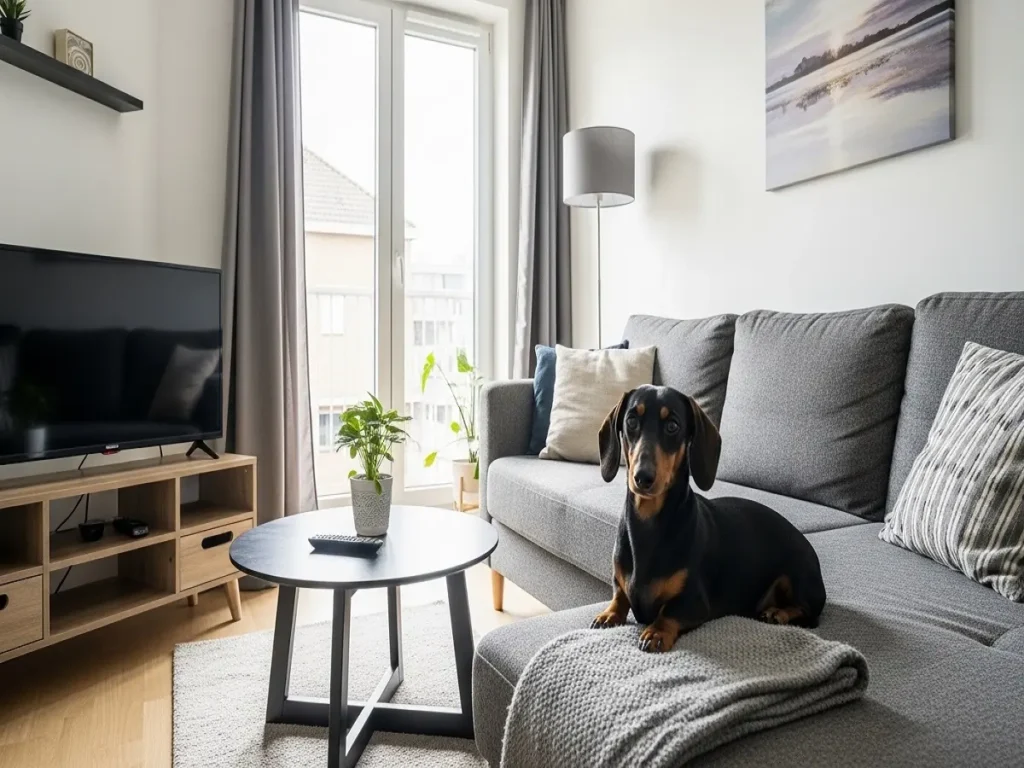
Dachshunds are often considered a good dog breed for apartment living. Because they are small, they do not need a lot of space to feel comfortable. A small home or apartment can be enough as long as they receive regular walks and some daily activity.
However, Dachshunds can sometimes bark when they hear unfamiliar sounds, which may be something apartment owners should consider. Proper training and socialization can help reduce excessive barking. With enough attention, exercise, and training, Dachshunds can adapt very well to apartment life and become happy indoor pets.
Dachshund vs Other Small Dogs:
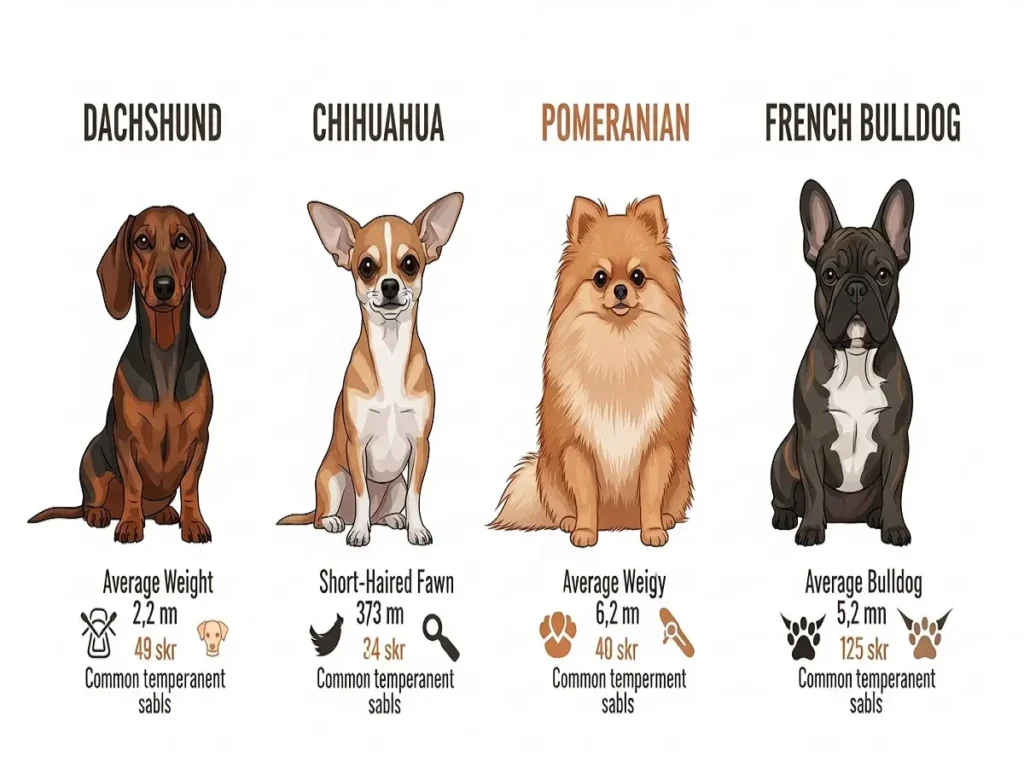
When people search for a small dog breed, they often compare different options before choosing the right pet. The Dachshund is one of the most popular small dogs, but there are other breeds like Chihuahuas, Pomeranians, and French Bulldogs that are also common choices.
Each breed has its own personality, care needs, and lifestyle requirements. Comparing Dachshunds with other small dogs can help potential owners understand which breed may fit their home and routine better.
Comparison Chart:
| Breed | Weight | Energy Level | Grooming | Apartment Friendly |
|---|---|---|---|---|
| Dachshund | 11–32 lbs | Medium | Low–Medium | Yes |
| Chihuahua | 3–6 lbs | High | Low | Yes |
| Pomeranian | 3–7 lbs | High | High | Yes |
| French Bulldog | 16–28 lbs | Low | Low | Yes |
Size and Appearance:
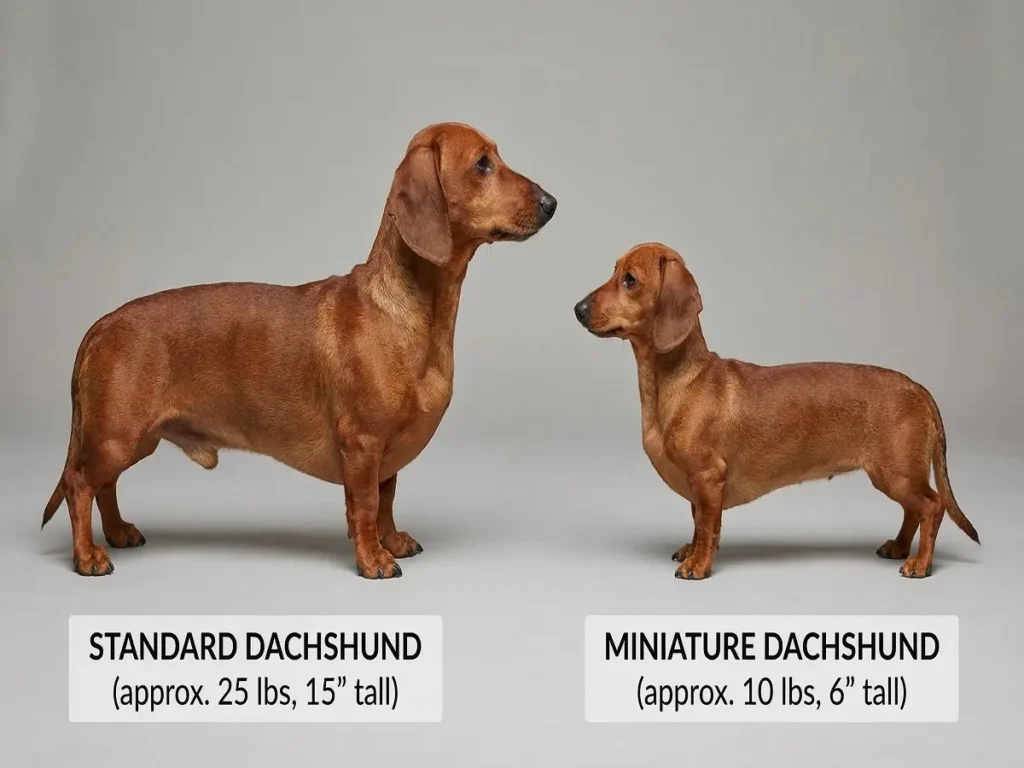
The Dachshund Small Dog Breed has a very unique appearance compared to most small dog breeds. Their long body and short legs make them easy to recognize. Most Dachshunds weigh between 11 and 32 pounds, depending on whether they are miniature or standard size.
Other small dogs usually have a more balanced body shape compared to the Dachshund Small Dog Breed. For example, Chihuahuas are much smaller and lighter, while French Bulldogs are compact and muscular. Pomeranians are also small but have a fluffy coat that makes them look larger than they really are. Because of their unique shape, the Dachshund Small Dog Breed often stands out among other small dog breeds.
Personality and Behavior:
Dachshunds are known for their bold and confident personality. Even though they are small, they are often fearless and curious. They can be very loyal to their owners and may become protective of their home.
Other small dogs may have different temperaments. Chihuahuas can be very attached to one person and may be cautious around strangers. Pomeranians are usually energetic and playful, while French Bulldogs are known for being calm and relaxed. Compared to these breeds, Dachshunds are often more independent and sometimes a little stubborn during training.
Apartment Living:
One reason Dachshunds are popular is that they can adapt well to apartment living. Their small size means they do not require a large space to move around. A short daily walk and some indoor playtime are usually enough to keep them active.
Other small dog breeds can also live comfortably in apartments, but their activity levels may vary. For example, Pomeranians are very energetic and may need more playtime to stay satisfied.
French Bulldogs are generally calm and can adapt easily to smaller homes. Dachshunds usually fall somewhere in between, needing moderate activity but not excessive exercise.
Grooming and Care:
Dachshunds have different grooming needs depending on their coat type. Smooth-haired Dachshunds require very little grooming, while long-haired and wire-haired types need more regular brushing. Overall, their grooming needs are usually manageable for most owners.
Other small breeds may require more grooming. Pomeranians have thick, fluffy coats that need frequent brushing to prevent tangles. French Bulldogs have short coats but may need extra care for their skin folds. Compared to these breeds, Dachshunds are often considered relatively easy to maintain.
Which Small Dog Is Best?
Choosing between a Dachshund small dog breed and another small dog breed depends on a person’s lifestyle and preferences. Dachshunds are great for people who want a loyal, playful dog with a unique look and moderate exercise needs. They can do well in apartments, small homes, or with families who enjoy spending time with their pets.
Other small dogs may be better for owners who want a calmer pet, a more energetic companion, or a dog with different grooming needs. By comparing Dachshunds with other small dog breeds, future owners can better understand which dog will fit their home, daily routine, and personal lifestyle.
FAQs?
yes, the Dachshund small dog breed is considered a small dog breed. Most Dachshunds weigh between 11 and 32 pounds, depending on whether they are miniature or standard size. Their small bodies make them easier to manage compared to large dog breeds, which is one reason many people choose them as pets.
Dachshunds are intelligent dogs, but they can sometimes be a little stubborn. This means training may take patience and consistency. Using positive reinforcement, such as treats and praise, can help them learn commands more easily. Starting training at a young age usually leads to better results.
Dachshunds can bark more than some other small dog breeds. They were originally bred as hunting dogs, so they have a strong instinct to alert their owners when they hear unusual sounds. Proper training and socialization can help control excessive barking.
Yes, Dachshunds can be good apartment dogs because of their small size. They do not need a large yard to stay happy. Regular walks and indoor playtime are usually enough to keep them active. However, owners should make sure they get daily exercise and mental stimulation.
Dachshunds are popular because they have a unique appearance and a big personality. Their long body and short legs make them easy to recognize. They are also loyal, playful, and affectionate with their families. Their small size and adaptable nature make them suitable for many different types of homes.
