



Introduction:
I find the Chihuahua story starts in Spanish roots, where Chihuahueño points to a Mexican breed named after the state Chihuahua. This toy dog is one of the smallest dog types in the world, with numbers like 5, 298, and 6 often used after research notes.
As a companion animal, this breed would be kept close to people. From my experience, this small size makes the dog pretty easy to manage, and all signs show it is a loyal pet that has a bold heart. These adaptable pups and Chihuahuas love to be the star of the show, and love attention more than space.
An ideal pet parent gives plenty of time for snuggles, a healthy amount of exercise, and won’t mind giving a lift sometimes to help them tag along on daily errands. I have seen how this portable nature lets owners find joy after all, because this pet would be happy just to stay close, no matter where life goes.
Is a Chihuahua the Right Dog for You?

Often, the search for a Chihuahua starts when a family wants a small dog with a big personality. Choosing the perfect addition to the home is not easy, and this decision can feel hard when many breeds have varying personalities.I know from experience that it helps to slow down, look no further than your daily routine, and ask which breed might be the best fit for you.
Chihuahuas, often referred to as purse dogs, are one of the oldest breeds in the Americas, and they tend to bond closely with their people. If you are considering this breed as an addition, read on and take time to make an informed decision about whether this dog is right for your life.
They say good things come in small packages, and that saying often rings true here. I always want to help owners know more, so I like to book a consultation with local Greencross Vets so questions can be answered before bringing a dog to the family.
Lifestyle Match:
Chihuahuas do best with owners who enjoy close companionship. They love staying near their humans and are ideal for people who spend a lot of time at home. If you travel often or prefer independent pets, this breed may feel neglected.
Noise Tolerance:
This breed is naturally alert and vocal. Chihuahuas can bark at unfamiliar sounds, strangers, or sudden movements. They can live in apartments, but owners must be patient and willing to work on barking control through training.
Time Commitment:
Although small, Chihuahuas need daily attention, mental stimulation, and gentle exercise. Training and socialization are especially important to prevent fear-based behavior.
Budget:
Chihuahuas are affordable to feed, but dental care and regular vet visits can increase costs over time. Budgeting for grooming, healthcare, and training is essential.
Household Type:
They are best suited for adults, seniors, or calm households. Homes with very young children should be cautious, as Chihuahuas are delicate and easily injured.
Chihuahua Temperament (Truth vs Myth):

Small in physique yet extremely large in personality, they’re complicated creatures. A first impression can thoroughly confuse prospective owners because some are handsome, while many aren’t so pleasant to the eye.
But either way, their temperament can bring plenty of laughs, especially once you look past appearances and focus on behavior and attitude.I have owned Chihuahuas since 2001, and I want share real things with you the good, bad, and ugly.
Over time, I learned that this breed reacts strongly to people, tone, and routine. When understood, their bold nature feels honest rather than difficult, and living with them becomes less about control and more about respect and awareness.
Why They Appear Aggressive:
Chihuahuas are naturally protective and highly aware of their surroundings. Because of their small size, they react quickly to anything they perceive as a threat. What looks like aggression is often a defensive response meant to keep themselves safe.
Common Owner Mistakes:
One major mistake owners make is excusing bad behavior because the dog is small. Skipping training, allowing excessive barking, or not setting boundaries can reinforce negative habits. Treating Chihuahuas like toys instead of dogs often leads to behavior problems.
Socialization Timeline:
Early socialization is critical for this breed. From 8 to 16 weeks of age, Chihuahuas should be gently exposed to different people, sounds, and environments. Proper socialization during this stage helps them grow into confident and calm adults.
Fear-Based Behaviors:
Many temperament issues in Chihuahuas are rooted in fear, not dominance. Rough handling, sudden movements, or loud environments can trigger anxiety. With patient training, positive reinforcement, and consistency, these fear-based behaviors can be greatly reduced.
Chihuahua by Life Stage:
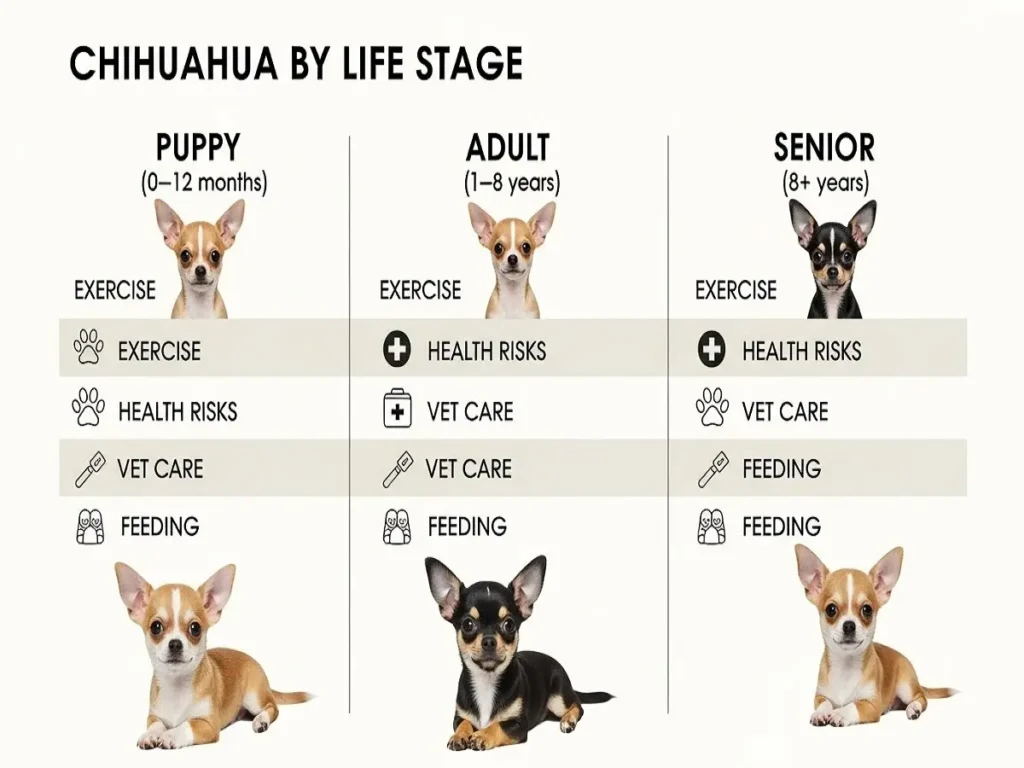
Understanding a Chihuahua’s needs at each life stage is essential for proper care, long-term health, and balanced behavior. Feeding, exercise, health risks, and vet care change significantly as your Chihuahua grows.
Below is a life-stage–based guide, written using insights commonly covered across top-ranking USA breed resources, but expanded in a more complete and practical way.
Puppy Chihuahua (0–12 Months):
Feeding:
Chihuahua puppies have fast metabolisms and small stomachs. They require high-quality puppy food formulated for small breeds, fed 3–4 times a day. Frequent meals help prevent hypoglycemia, a common risk in young Chihuahuas. Portion control is important to avoid digestive upset.
Exercise:
Exercise should be gentle and controlled. Short play sessions and brief walks are enough. Over-exercising can stress developing joints, so avoid jumping from furniture or long walks during this stage.
Health Risks:
Puppies are most vulnerable to low blood sugar, parasites, and injuries due to their tiny size. Teething issues and early dental problems may also appear if oral care is ignored.
Vet Care:
Puppies need regular vet visits for vaccinations, deworming, and growth monitoring. Early vet guidance also helps owners establish feeding schedules and preventive care routines.
Adult Chihuahua (1–8 Years):
Feeding:
Adult Chihuahuas thrive on balanced small-breed adult food, typically fed twice daily. Overfeeding is a common issue, as this breed gains weight easily. Maintaining a healthy weight helps prevent joint and heart problems.
Exercise:
Daily light exercise is essential. Short walks, indoor play, and mental stimulation keep adult Chihuahuas healthy without overexertion. They enjoy activity but tire quickly due to their size.
Health Risks:
During adulthood, common risks include dental disease, patellar luxation, and tracheal collapse. Poor dental hygiene can lead to serious infections, making routine care essential.
Vet Care:
Annual vet checkups are recommended, including dental evaluations. Adult Chihuahuas benefit from preventive care plans that monitor weight, teeth, and joint health.
Senior Chihuahua (8+ Years):
Feeding:
Senior Chihuahuas need lower-calorie, nutrient-rich food to support aging bodies. Joint-support supplements and easily digestible meals can help maintain comfort and energy levels.
Exercise:
Exercise should be gentle but consistent. Short walks and light play help maintain mobility and prevent stiffness, while avoiding strain on aging joints.
Health Risks:
Senior Chihuahuas are more prone to heart disease, arthritis, vision loss, and dental decay. Cognitive changes and reduced hearing may also develop over time.
Vet Care:
Older Chihuahuas require more frequent vet visits, often every 6 months. Regular blood work, heart checks, and dental care help detect issues early and extend quality of life.
Why Life-Stage Care Matters:
Each stage of a Chihuahua’s life comes with unique needs. Puppies require protection and structure, adults need balance and routine, and seniors depend on comfort-focused care. Owners who adjust feeding, exercise, and vet care according to life stage are more likely to raise healthy, confident, and long-living Chihuahuas.
Chihuahua Health Costs:

Chihuahuas are small dogs that often live long lives, but like all dogs, they still need regular health care throughout their lifespan. In the United States, understanding the costs associated with keeping your Chihuahua healthy can help you plan better and avoid surprises.
Below you’ll find clear explanations of average vet visit costs, dental cleaning costs, emergency vet risks, and pet insurance guidance, all tailored toward real pet owners. Owning a Chihuahua may come with a big price tag because of bloodlines and source, especially among popular dog breeds.
Maintaining them year after year is often less than most other breeds. Using an annual estimate can help plan basic Chi costs effectively and make budgeting easier. Buying or adopting a Chihuahua can cost between $50 – $2,500, while vet care for routine or preventative purposes ranges from $300 to $800.
Supplies may be $275 – $350, grooming $100 – $300, training $300 – $500, and food $240 – $360, leading to a grand total of $1,265 – $4,810. From experience, knowing these figures helps owners manage costs while enjoying life with this small but big personality dog.
Average Vet Visit Cost:
Routine veterinary visits are the foundation of your Chihuahua’s health care. These visits usually include a physical exam, vaccinations, and sometimes basic tests like heartworm screening or fecal checks. In the U.S., a typical vet visit for a dog often falls in the range of about $50 to $250 for a basic wellness checkup, depending on your city and clinic.
For example:
- General routine visit: $50–$250
- Vaccines: $15–$30 per shot
- Heartworm test: $45–$50
- Bloodwork: $80–$200
Smaller dogs like Chihuahuas sometimes cost less for simple exams because they need less medication or fewer tests than large breeds. However, vet costs vary widely by location (cities like San Francisco or New York often cost more than rural areas).
You should budget for at least one annual check-up each year, and many owners also choose bi-annual visits to catch problems early. Regular wellness visits are important they help detect issues before they become expensive emergencies. Affordable clinics and wellness plans can help reduce routine visit costs.
Dental Cleaning Cost:
Dental health is especially important for Chihuahuas. Small breeds are prone to dental problems, including tartar buildup, gum disease, and tooth decay, which can affect overall health. When it comes to professional dental cleaning, which is done under anesthesia, you can expect nationwide average costs that fall into these ranges:
- Basic professional cleaning (without extractions): $300–$500
- Cleaning with dental X-rays: $500–$800
- Cleaning with extractions or extensive work: $800–$1,000+ In some regions and clinics, specialized dental care can cost even more, especially if extractions or advanced treatment are needed. A recent national estimate suggested an average dental cleaning cost for dogs around $375–$404, but severe or specialist procedures can exceed that.
Tips for Chihuahua owners:
- Start dental care early with regular brushing and chew toys designed to reduce tartar.
- Ask your vet about including pre-anesthetic bloodwork to reduce anesthesia risk.
- Compare prices among clinics; sometimes a modest discount can save hundreds of dollars annually.
Emergency Vet Risks and Costs:
Even with careful preventive care, emergencies happen — from sudden injuries to infections or internal issues like intestinal blockages. Emergency veterinary visits are almost always significantly more expensive than routine care because they involve specialized diagnostics and often round-the-clock staffing.
Common emergency costs include:
- Emergency exam (initial fee): $100–$200
- Diagnostic tests (X-rays, ultrasound): $200–$600+
- Hospitalization + supportive care: $500–$5,000+
- Emergency surgery: $1,500–$5,000+
For example, a Chihuahua that eats something toxic or suffers a serious injury might need urgent diagnostics, IV fluids, or even surgery. This can add up quickly, and some procedures, such as X-rays plus surgery, may total several thousand dollars.
Because emergencies are unpredictable, many owners keep a dedicated emergency fund or choose pet insurance to help offset sudden vet bills.
Pet Insurance Advice:
Chihuahua pet insurance helps pay for unanticipated medical expenses for routine care, diseases, and emergencies. Picking a plan with elastic coverage, low deductibles, and fast claim payout ensures your small dog gets timely care without economic stress.
Chihuahua Training & Barking Control:
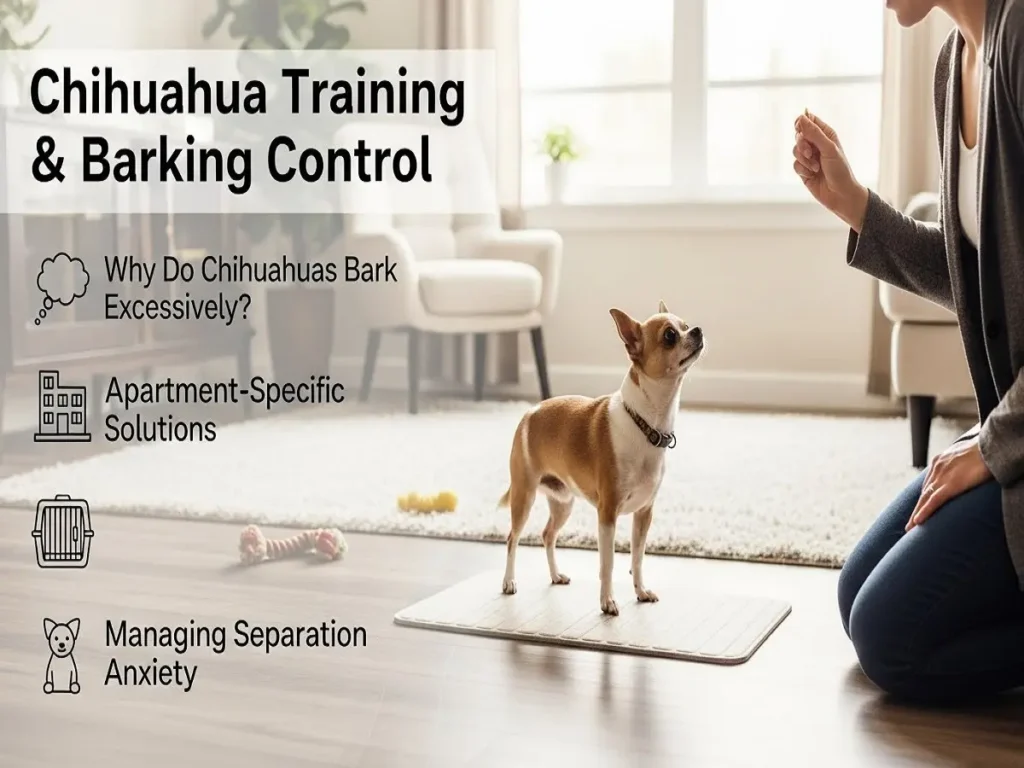
The Chihuahua is a small dog with a big personality that is bold, gregarious, and devoted. Despite being the smallest dog in the world, this toy strain, known as the Chihuahua, has become the fourth most popular in the world.
Chihuahuas may bark for a variety of reasons, including attention, boredom, or alertness to changes in their environment. Their canine characteristics could alert you to intruders or serve as a deterrent against a perceived danger. Even though only 14% of the more than 3000 owners surveyed said that barking was a behavioral problem, it might still be annoying. Managing this performance involves consistent steps: if your dog rushes ahead, drop behind, praise with a piercing tone, and reward from the treat cupboard.
Why Chihuahuas Bark Excessively?
Chihuahuas tend to bark more than many other breeds because they have strong inherited characteristics to protect their territory and alert their owners to anything unusual. Their sharp hearing and alert nature make them quick to vocalize at the slightest sound or movement.
Barking may occur when they see people, other animals, or unaccustomed noises, since these signals can trigger their protective senses. It’s not just random noise; it’s an extremely rooted way of collaborating with the materials around them materials
Additionally, your Chihuahua may bark excessively when it feels anxious or afraid, such as in the presence of strangers, loud noises, or unfamiliar circumstances. These tiny dogs form strong emotional bonds with their owners.
Strong bond can make them nervous when they’re alone or unsure, leading to lengthy barking, pacing, or whining. Barking for courtesy, tedium from lack of motivation, or simply reacting to changes in their environment also play a role.
Apartment-Specific Solutions:
Although living in an apartment can make barking more noticeable, there are practical ways to lessen your Chihuahua’s barking. One common trigger is visual or hearing inducements from outside, like people walking by, cars, or other dogs. Prevent what your Chihuahuas can see or hear from the windows closing blinds or moving furniture so they’re not looking out can help reduce reactivity.
It is crucial to provide ample mental and physical stimulation. A dog that is cognitively occupied and gets regular exercise is less likely to scream out of frustration or boredom. Playtime, short walks, and interactive toys like puzzle feeders help stimulate their minds and burn calories. Leaving background noise, such as soft music or a white noise machine, can help mask disturbing outside sounds and make your Chihuahua feel more relaxed.
Apartment living also benefits from positive reinforcement training: teaching your dog commands like “quiet” and only rewarding calm behavior rather than reacting when they bark for attention. Consistency is key. Reward your Chihuahua for remaining silent with praise or goodies to help them understand that being quiet produces positive outcomes.
Managing Separation Anxiety:
Separation anxiety is a major reason many Chihuahuas bark when left alone. These dogs can become anxious when you disappear because they develop strong bonds with their owners. Persistent barking, pacing, disruptive behavior, or whining soon after leaving are indicators.
Establish a secure and encouraging environment so your Chihuahua associates are not alone with positive things to make them feel more at ease. This could be a cozy bed, a fun play area, or even self-sufficient snacks.. They gradually gain confidence when you gradually increase the amount of time you spend away, starting with brief absences while you’re still at home and working your way up to longer ones.
Another useful method is teaching independence skills. Practice leaving your Chihuahua in another room while you stay nearby, then slowly increase the distance and duration. Reward them for maintaining their composure and ease over these periods. Before departing, offering mental stimulation such as a puzzle toy or a candy dispenser can help them stay focused and feel less anxious.
When anxious dogs are alone, relaxing tools like pheromone diffusers or soft pressure wraps can help, but they are most effective when combined with regular training and constructive routines.
Chihuahua vs Other Small Breeds:
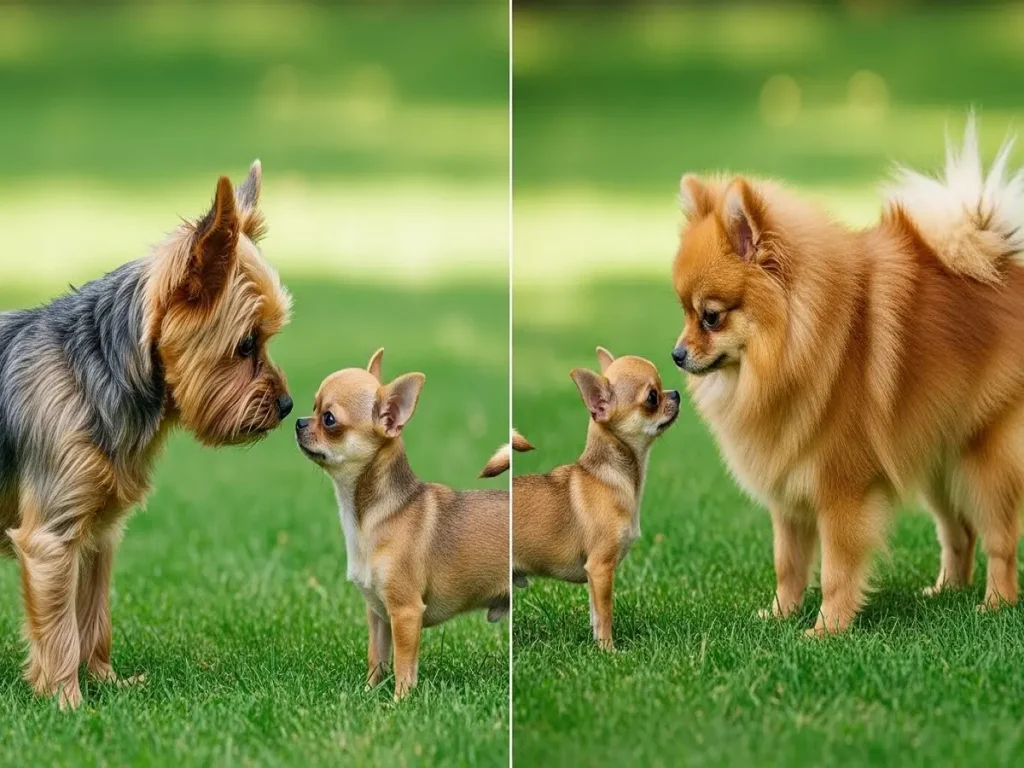
Despite their diminutive size and weight of less than six pounds, Chihuahuas have a brave, self-assured, and fiercely devoted attitude. Despite their size, they exhibit courage in every circumstance and don’t hesitate to take on even larger canines when they feel the need.
These little dogs have no trouble asserting themselves, and their vocal, expressive nature ensures their needs are met and their opinions are heard. With proper guidance, they form stronger bonds with their owners, becoming protective, excellent watchdogs, and playful companions.
They stand out among toy dogs with their unreserved charm and swagger.Subtle distinctions between Chihuahuas and other small dogs might help you select the ideal friend. They are self-assured and have a close bond with their owners.
Chihuahua vs Pomeranian:
Pomeranians weigh between three and seven pounds, but because of their thicker coats, they tend to be more gregarious and need a little more exercise and grooming, whereas Chihuahuas have fewer grooming requirements and form strong bonds with a single person.
Both species need to be gently educated to prevent the overreactive characteristics typical of toy breeds, and they both love regular exercise to stay healthy.
Chihuahua vs Yorkie:
Compared to Yorkies (Yorkshire Terriers), which usually weigh around 4–7 pounds and have a silky coat that needs frequent care, Chihuahuas generally need less maintenance in that area but are equally bold and alert. Yorkies can show independent traits, while Chihuahuas often express a protective, watchful attitude, even though both thrive on affection and engagement.
This mini comparison shows that while all four breeds fit well into small dog lifestyles, their exercise, grooming, social needs, and temperament vary, helping you decide based on your environment and the time you can commit to care and companionship.
FAQs?
Chihuahuas stand out for their bold personality, strong loyalty, and big-dog attitude in a tiny body. They form deep bonds with owners, adapt well to apartments, and have one of the longest lifespans among small dog breeds.
Choose a Chihuahua if you want a loving, low-maintenance companion with high intelligence and affection. They require minimal space, are budget-friendly to care for, and thrive as both lap dogs and alert watchdogs.
Chihuahua training should start as early as 8 weeks old. Early socialization and obedience training help prevent stubborn behavior, excessive barking, and anxiety, while building confidence and good manners that last into adulthood.
The best Chihuahua breeders are registered, transparent, and health-focused. Look for breeders with health certifications, clean environments, and positive reviews. Reputable kennel clubs and local breed associations are excellent places to start.
Chihuahuas are ideal for singles, seniors, apartment dwellers, and first-time dog owners. They suit people seeking a loyal, affectionate pet with moderate exercise needs and the ability to form a strong one-person bond.
