


- Introduction:
- Best Food for Cane Corso Diet And Nutrition: The Nutritional Imperative
- Large Breed Formulas Are Best, Especially for Puppies:
- Adult Dog Feeding Schedule (18 Months to 6-8 Years):
- Mature Cane Corso Diet And Nutrition (6-8+ Years):
- Protein Requirements: Fueling the Muscle Mass
- Fats for a Shiny Coat and Joint Health:
- Healthy Carbs for Dogs: Energy and Fiber
- Vitamins and Minerals: The Micronutrient Balance
- Raw Diet Pros and Cons (BARF):
- Homemade Food Recipes: Proceed with Caution
- Establishment of Feeding Schedule: Consistency is Key
- Portion Control Tips: The Body Condition Score
- Water Intake Importance
- Bone and Joint Supplements
- Digestive Health Tips
- Skin Health Food: Addressing Sensitivities
- Weight Gain Solutions (Underweight Course)
- Weight Loss Diet for Obese Corso
- Sensitive Stomach Diet
- Foods to Avoid: Toxic and Dangerous
- Treats and Snacks: The 10% Rule
- Changing Foods Safely: The 7-Day Transition
- Feeding Picky Eaters:
- Brands Recommended by Veterinarians:
- Dog Food Expenses:
- Energy-Boosting Meals:
- Seasonal Changes in Diet:
- FAQs?
Introduction:
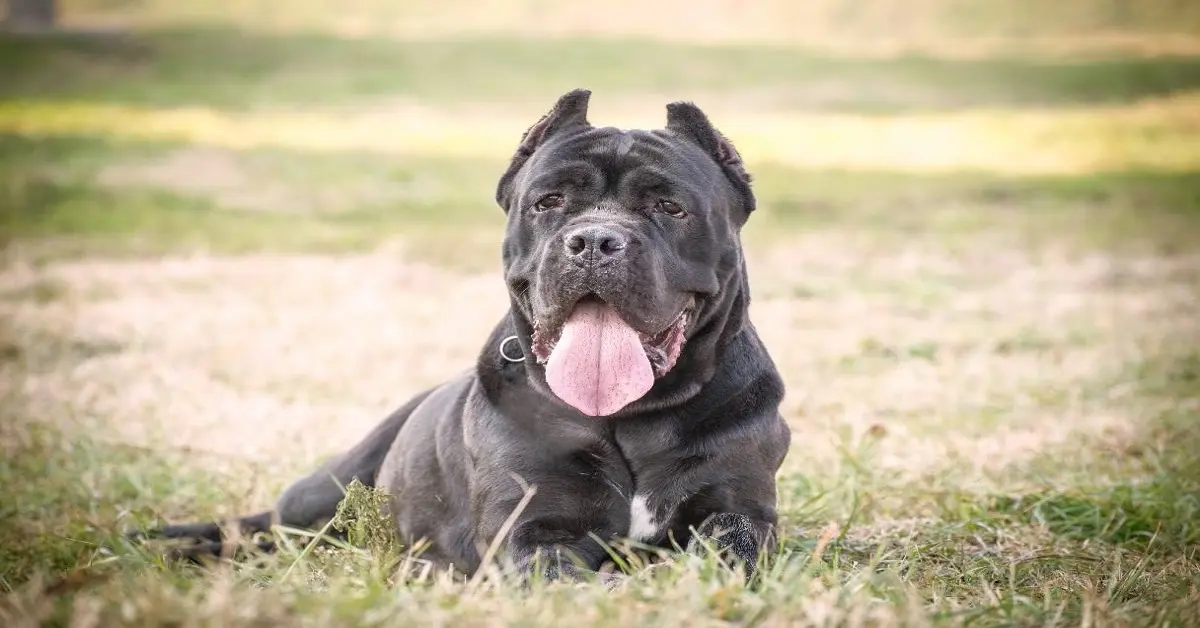
The Cane Corso Diet And Nutrition is are large, powerful mastiff with specific nutritional needs aimed at maintaining the enormous muscle mass and rapid, prolonged development of the bones.1 Their diet should focus on high-quality, easily digestible ingredients to avoid obesity-it puts stress on the joints-and to feed their active, working-dog nature.
Best Food for Cane Corso Diet And Nutrition: The Nutritional Imperative
The most crucial choice you will be faced with is the selection of your dog’s food. Look for formulas that are labeled Large or Giant Breeds and meet the nutritional levels established by the AAFCO (Association of American Feed Control Officials) for the appropriate life stage.
- Primary Ingredient: The first ingredient should always be a named, whole animal protein, such as deboned chicken, beef, lamb, or salmon.2 Avoid non-specific “meat meal” or high plant-based proteins near the top.
- Protein Content: High-quality protein content; usually 25–35% in adult dogs (Dry Matter Basis). This is to ensure the continuance of their huge muscle structure.
- Joint Support: By virtue of their genetic predisposition towards conditions such as Hip and Elbow Dysplasia, the food must contain supplemental Glucosamine and Chondroitin Sulfate.3 Both of these elements are very important to maintain cartilage health and to cushion joints.
- Healthy Fats: Moderate amounts of fat (12–18% DMB) with a focus on Omega-3 fatty acids such as DHA and EPA; usually derived from fish oil or flaxseed. Omega-3s contribute to the radiance of the coat, reduce inflammation, and improve brain and eye health.
Learn About Healthy Cane Corso Puppies
Large Breed Formulas Are Best, Especially for Puppies:
- This is a non-negotiable tip: Cane Corso Diet And Nutrition grow extremely fast, and overfeeding with calcium or calories can cause disastrous and irreversible orthopedic issues.
- Controlled Method: Large breed puppy formulas have carefully controlled calcium and phosphorus levels and lower caloric density compared with standard puppy food to promote a slower, more stable growth rate. This is the single best preventative measure against debilitating joint conditions.
- Duration: Consult your veterinarian, but most Cane Corso Diet And Nutrition should stay on a large-breed puppy formula until they are 12 to 18 months old, or until they have reached the vast majority of their adult height and weight.
Learn About Cane Corso Behaviour
Adult Dog Feeding Schedule (18 Months to 6-8 Years):
The emphasis changes from growth to maintenance and support of muscles.
- Feeding Schedule Setup (Tip 5): Feed adults twice daily. Dividing the daily ration prevents gorging and significantly decreases the risk of Gastric Dilatation-Volvulus (GDV), or bloat, which is a life-threatening condition to which large, deep-chested breeds are highly susceptible.5
- Portion Control Tips (Tip 6): Use a measuring cup and stick to the recommended caloric intake for your dog’s ideal weight and activity level. Caloric needs may range between 1,800 and over 3,000 kcal/day depending on size and activity. Perform a Rib Check regularly—you should be able to feel your dog’s ribs under a thin layer of fat, but not see them.
| Age Range | Suggested Meals/Day | Portion Control Focus | Key Nutritional Note |
| 8-16 Weeks | 3 to 4 meals | Feed according to the bag’s large-breed puppy chart, but monitor body condition closely. | High protein, controlled calcium/phosphorus. |
| 4-12 Months | 3 meals | Maintain a lean body condition (ribs are easily felt, not seen). Overfeeding causes growth problems. | Focus on joint health ingredients (Glucosamine). |
| 12-18 Months | 2 meals | Transition gradually to adult food once growth plates are closing, guided by your vet. | Begin to adjust for maintaining, not rapidly gaining, weight. |
Mature Cane Corso Diet And Nutrition (6-8+ Years):
Being a giant breed, the Cane Corso Diet And Nutrition becomes a senior well before smaller dogs.
- Reduced Calories: Metabolism slows, and often the activity of the senior Cane Corso Diet And Nutrition is reduced.6 Switch to a senior or Reduced-Calorie formula as weight gain will be harmful to aging joints.
- Joint & Kidney Support: Cane Corso Diet And Nutrition. Higher Glucosamine/Chondroitin and often slightly reduced phosphorus levels characterize foods for seniors aimed at supporting the kidneys.
- Texture: If dental problems plague your older dog, a mixture of high-quality wet food or softening dry kibble with warm water may be the answer.
Learn About Cane Corso History And Origin
Protein Requirements: Fueling the Muscle Mass
Being a powerful working breed, the Cane Corso Diet And Nutrition should have a protein-based diet.7
- Source Quality: Emphasize animal-based proteins such as meats, poultry, fish, and eggs. These foods provide a complete essential amino acid profile that your muscles need for repair, maintenance, and general biological function.
- Muscle Building Diet Tip 9: For the highly active, working, or sport Corsos, a diet on the higher end of the protein range (30-35%) would be highly favorable to maximize lean muscle mass and recovery. Supplementing with lean meats or cottage cheese can also support muscle gains.
Fats for a Shiny Coat and Joint Health:
Fats are important for energy, absorption of vitamins, and a shiny coat.8
- Omega-3: The most crucial fat is Omega-3 (EPA and DHA). Moreover, these essential fatty acids rank among the most powerful natural anti-inflammatory compounds and directly support joint health and common skin conditions.
Common sources include fish oil, salmon, and targeted dietary supplements. - Ratio: Although there is some debate on the specific ratio, a good balance of Omega-6 to Omega-3 fatty acids is required; an imbalance promotes inflammation.
Learn About Cane Corso Dog Breed Information
Healthy Carbs for Dogs: Energy and Fiber
While dogs are designed to flourish on a meat-based diet, carbohydrates provide easily accessible energy for active dogs and roughage.
- Complex Sources: Foods rich in complex carbohydrates include brown rice, oatmeal, sweet potato, and barley. These give longer-lasting energy and are also good sources of fiber.
- Avoid Fillers: Limit or avoid foods high in corn, wheat, or soy, which are often used as cheap food fillers and may be less digestible or be a common sensitivity.

Vitamins and Minerals: The Micronutrient Balance
A complete and balanced commercial food should cover all the requirements of micronutrients, but specific attention is required for large breeds.
- Calcium/Phosphorus: As stated, this ratio is key in puppies for the avoidance of orthopedic diseases.9 Stick strictly to large breed formulas.
- Zinc & Biotin: Significant for skin health and coat quality; usually supplemented in high-quality foods.
- Antioxidants: Vitamins E, C and Beta-Carotene support a healthy immune system.
Raw Diet Pros and Cons (BARF):
BARF-Biologically Appropriate Raw Food, or the Raw diet, is also popular among Cane Corso Diet And Nutrition owners but requires diligent research.10
- Pros: Highly digestible protein, better coat, smaller stools, improved dental health with bones.
- Cons: Risk of imbalance (especially calcium/phosphorus in puppies); higher cost; risk of bacterial contamination (Salmonella); choking/dental damage from bones.
- Safety: If choosing raw, follow an 80/10/10 ratio (80% muscle meat, 10% edible bone, 10% organ meat). Always consult with a board-certified veterinary nutritionist to make sure it’s balanced for a growing or adult Corso.

Homemade Food Recipes: Proceed with Caution
Home-prepared cooked diets are a viable option, but the greatest risk is nutritional deficiency.
- Necessity: A cooked diet must be balanced with an exact mixture of protein, fat, carbohydrates, and supplements (like bone meal, specific vitamins).
- Mandatory Vet Consultation: Never feed a homemade diet without a veterinary nutritionist-formulated recipe. Improperly balanced diets can result in serious, long-term health consequences, especially in a growing puppy.11
Establishment of Feeding Schedule: Consistency is Key
Maintain all adult and senior Corsos on a two-meal-a-day schedule. Never feed immediately before or after intense exercise. This is a main trigger for the potentially fatal condition, bloat (GDV). Wait at least one hour before and after the activity.
Portion Control Tips: The Body Condition Score
The simplest and most effective tool: The Body Condition Score (BCS).
- Visual Check: When you view your dog from the side, you should notice a marked tuck-up at the waist.
- Tactile Check: You should be able to feel your dog’s ribs with light pressure, but not be able to see them largely. If the ribs are difficult to find, your dog is overweight.

Water Intake Importance
Hydration is essential in every aspect of the body, from joint lubrication to digestion.
- Access: Clean fresh water should be accessible/available at all times.
- Monitoring: A Cane Corso Diet And Nutrition needs to drink about 1/2 to 1 ounce of water per pound of its body weight every day. More will be needed with increased activity and heat. Also, an excessive water intake might signal that your Corso is ill; if you have any suspicions, consult your veterinarian.
- Bloat Prevention (Tip 19): DO NOT let your Cane Corso Diet And Nutrition drink large volumes of water right after eating or after activity. Offer a controlled water source following activity/
Bone and Joint Supplements
While high-quality food contains joint support, large breeds often require more.12
- Key Supplements: Glucosamine, Chondroitin, and MSM are the most common and beneficial trio for large breeds.
- Fish Oil: A premium-quality Omega-3 fish oil supplement is highly recommended because of its powerful anti-inflammatory effects on joints and skin.
Digestive Health Tips
A good gut ensures proper nutrient absorption and a perfect immune system.
- Probiotics and Prebiotics: Cane Corso Diet And Nutrition containing, or supplement with, veterinary-grade probiotics (good bacteria) and prebiotics (fiber that feeds the bacteria). This will be extremely valuable after courses of antibiotics and any time your pet is stressed.
- Fiber: Sufficient dietary fiber from beet pulp, some vegetables, or complex carbohydrates helps regulate the digestive tract.
Skin Health Food: Addressing Sensitivities
Skin allergies can afflict the Cane Corso.13 This can be due in great part to diet.
- Focus Ingredients: Ensure high levels of Omega-3s, specifically EPA/DHA, and micronutrients such as Zinc and Biotin.
- LID (Limited Ingredient Diets): In such cases, veterinarians often prescribe this approach to identify the exact cause of skin problems, especially when they suspect allergies to foods like chicken or beef. A switch to a novel protein often relieves symptoms: venison, duck.
Weight Gain Solutions (Underweight Course)
If your Cane Corso Diet And Nutrition are underweight (ribs too visible, poor muscle mass), first rule out medical issues with a vet.
- Increase Fat/Protein: Change to a Performance or High-Energy formula with higher fat and protein content.
- Add Toppers: Add calorie-dense additions such as raw goat milk, lean cooked meat, canned pumpkin for fiber/digestion, or a high-quality fresh food topper. Gradually increase the food added to avoid stomach upset.
Weight Loss Diet for Obese Corso
Weight reduction is crucial to long-term joint health for a Cane Corso Diet And Nutrition.
- Diet Switch: Transition to a veterinary-recommended Weight Management or Low-Calorie/High-Fiber formula. It allows your dog to feel full while not consuming as many calories.
- Measure strictly: Quit “eyeballing” portions. Instead, measure with a food scale or measuring cups.
- Control Calories in Treats: Replace high-calorie treats with low-calorie ones such as plain raw carrots, green beans, or boiled chicken breast pieces.
Sensitive Stomach Diet
Symptoms of a sensitive stomach can include chronic loose stools, excessive gas, and vomiting.
- Bland Diet: In case of acute problems, boiled chicken and plain rice will help as a short-term bland diet.
- High-Digestibility Formulas: Change over to highly digestible foods that contain prebiotics and sources of protein that are easily digested. Most owners find success with fresh or limited-ingredient diets.
- Immediately eliminate: high-fat foods, food colors and preservatives, table scraps
Foods to Avoid & Safe Treats
Foods to Avoid: Toxic and Dangerous
Toxic or hazardous materials must be strictly avoided:
- Toxic: Chocolate, grapes/raisins, onions, garlic, macadamia nuts, xylitol (sweetener), alcohol.
- Bloat Risk: Raw yeast dough, large amounts of water, or food consumed rapidly before/after exercise.
- Choking/Dental: Cooked bones (splinter easily), small or brittle natural bones.
Treats and Snacks: The 10% Rule
Treats are a crucial part of training but need to be accounted for.14
- The Rule: Treats should make up no more than 10% of your Cane Corso Diet And Nutrition’s total daily calorie intake.15
- Healthy Options: Single-ingredient, dehydrated treats-like freeze-dried liver or lung-or fresh vegetables like carrots, bell peppers, and safety
Changing Foods Safely: The 7-Day Transition
Sudden changes to food can cause extreme digestive upset.16 Use a gradual, 7-day transition.
Feeding Picky Eaters:
Some Cane Corso Diet And Nutrition can be notoriously fussy.
- Warm it up: Adding a little warm water or low-sodium broth to dry kibble can release aromas and enhance palatability.
- High-Value Topper: Mix a small amount of a high-value topper in, such as canned pumpkin, plain yogurt, cooked egg, or fresh food. Don’t rely too heavily on toppers, or your Corso will learn to hold out for them.
Brands Recommended by Veterinarians:
While specific brands change, look for brands that employ Ph.D. level veterinary nutritionists and conduct feeding trials. Common large-breed recommended lines often include:
- Purina Pro Plan Large Breed
- Hill’s Science Diet Large Breed17
- ROYAL CANIN Giant Breed
Dog Food Expenses:
Feeding a giant breed like the Cane Corso Diet And Nutrition is quite costly.
- Budgeting: You will spend a minimum of $80 to over $200+ per month, depending on type and quality for high-quality food. Prioritize quality first, as poor quality foods only lead to higher vet bills later.
Energy-Boosting Meals:
For working dogs or those with high-intensity exercise needs, ensure their meals are slightly calorie-denser.
- Pre-Activity: A small, easily digestible, high-carb snack, such as a cooked sweet potato bite, given 30-60 minutes before intense work can provide a quick energy boost.
- Post-Activity: One hour after activity provide a complete meal to restore glycogen stores and start muscle repair (protein).
Seasonal Changes in Diet:
- Winter: Cane Corso Diet And Nutrition that are highly active may have a slight increase in fat/calories to account for the energy needed in maintaining body temperature.
- Summer: Less active Cane Corso Diet And Nutrition in heat may require a slight reduction in calories to avoid weight gain. Always ensure increased access to cool water.
FAQs?
A high-quality, large-breed formula Cane Corso Diet And Nutrition food rich in protein is ideal to support their muscle and bone development. Ensure it is balanced with fats, vitamins, and minerals, often including joint-supportive ingredients like glucosamine
Adult Cane Corso Diet And Nutrition should generally be fed twice daily on a consistent schedule to help with digestion and prevent bloat. Puppies require more frequent meals, typically 3 to 4 times a day.
Proper nutrition is crucial for supporting their rapid growth as a large breed, maintaining healthy muscle mass, and preventing joint issues. A balanced diet helps sustain their high energy levels and overall well-being throughout their life
You can find high-quality large-breed Cane Corso Diet And Nutrition food at specialty pet stores, online retailers, and directly through recommendations from your veterinarian. Look for formulas specifically for giant or large breeds.
The amount varies significantly based on their age, weight, and activity level, usually ranging from 4 to 6 cups of adult food daily, divided into meals. Always follow the guidelines on your specific food and consult your vet to maintain an ideal body condition.
