


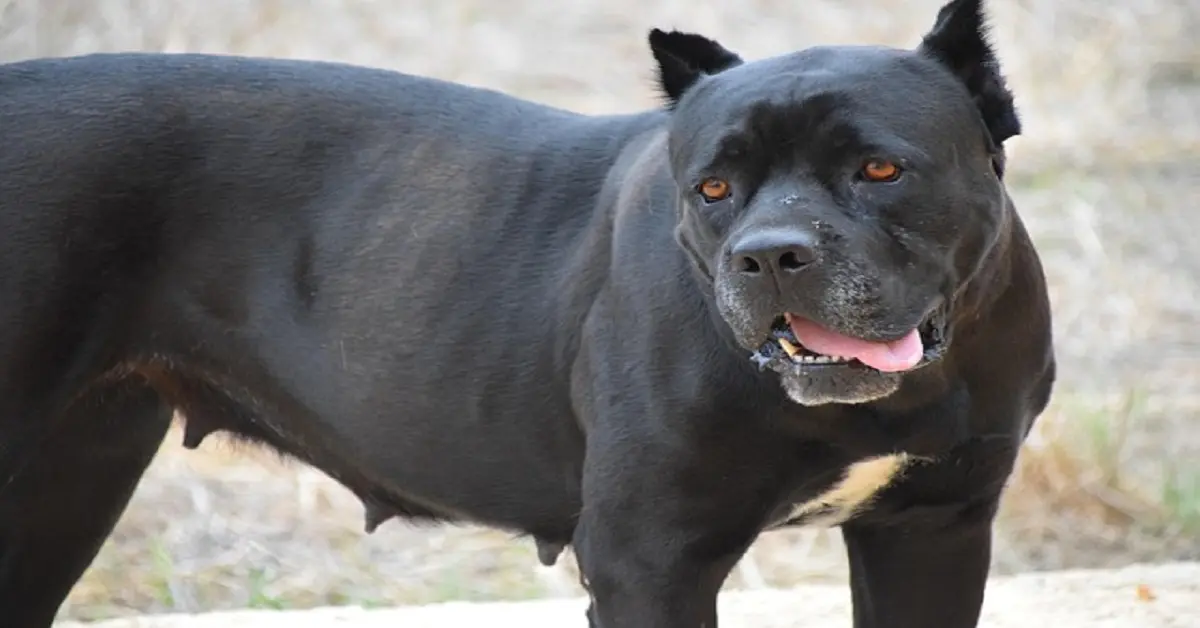
The Cane Corso is a powerful, dignified, and loyal canine breed with a rich history and distinct personality. To better understand what owning one truly involves, we’ll explore key facets of their behavior and temperament.
Origins and effect, core personality traits, how they interrelate with family and others, training and socialization needs, common behavioral challenges, and finally, whether they might be the right fit for you.
Cane Corso Origins and Personality Traits:
The Cane Corso’s ancestors date back to ancient Rome, where dogs of Colossian type were bred for war, guarding, hunting large game, and herding cattle. Through the centuries the breed in Italy developed into an effective guardian and working dog. That legacy has an evident effect on its behavior and personality today.
The Cane Corso developed strong behavioral traits from its heritage:
A strong guardian personality: the breed was developed to guard property, family, and livestock. High physical strength backed by athleticism and watchfulness—never a carefree, lazy dog.
A sober, slightly aloof nature: this is not a breed that was chosen mostly for carefree play, but for purpose. Realizing this origin is central: the Cane Corso is not merely an oversized pet dog. But its own origins place its temperament and training into perspective.
Read more Cane Corso Health and Care
Key Personality Traits of Cane Corso:
Loyal and protective:
Perhaps the most steadfast characteristic in Cane Corsos is loyalty to their family. Owners have noted the attachment is strong; they want to be with their humans. At the same time, they have a protective nature: they will keep an eye on their surroundings, be cautious of strangers, and react if they feel threatened.
Reserved but confident:
The breed usually has a confident and composed bearing. It is not normally excessively friendly to strangers, not through aggression per se, but through its watchful, reserved nature. Nevertheless, confidence can spiral into dominance or obstinacy if the dog is not well led.
Read More About the Cane Corso Great Dane Mix
Intelligent and trainable:
Cane Corsos are intelligent dogs. They can quickly learn and do work. Intelligence, however, also implies that they need to be given useful work and stable leadership lest boredom, limit-testing, or misconduct result.
Cane Corso Physical and Mental Exercise Requirements:
They are not “low-maintenance” dogs. They require activity physically and stimulation mentally. For instance, if they don’t have an outlet for their energy, unwanted behaviors like digging or destructing can emerge.
Interaction with Family, Children & Other Animals
With their human family:
If raised properly, a Cane Corso may be gentle and affectionate with its family. They tend to look at their owners as their “pack” and love being close to them. Due to their size and strength, caution is necessary around children. Even a playful gesture by the dog may inadvertently hurt a small child.

With strangers:
Because of their protective heritage, most Cane Corsos will be standoffish or suspicious of strangers instead of welcoming them right away. They might keep strangers under guard instead of greeting them immediately. This is not necessarily a bad quality; when handled well, it’s part of their guardian repertoire.
With other pets:
That is where care is needed. Due to their strong guard and prey instincts, relationships with other animals (particularly small pets) need early and consistent socialization. Without it, tensions or resource-based behaviors can be developed.
Training and Socialization Needs of Cane Corso:
Start Cane Corso training at an early age:
Socialization early in life, exposing the pup to many people and other animals and exposing the pup to a wide range of environments, is essential for a well-adjusted adult Cane Corso. Delaying this can make the natural reserve or territoriality problematic.
Leadership and consistency:
This dog does well with the owner as a self-assured, gentle leader with firm boundaries. When the dog thinks the human is indecisive or unsound, it can become dominant. Training using positive reinforcement and being consistent is best.
Exercise and intellectual work:
Everyday walks, monitored playtime, and maybe some agility or obedience exercises keep the Cane Corso physically and mentally stimulated. A bored dog is more apt to get into mischief.
Environmental considerations:
A Cane Corso should have proper space, a safe yard or room to run around under observation, and access to be close to the family. They are not likely to do well if they are isolated, neglected, or restricted to inapt surroundings.
Cane Corso Behavioral Challenges and How to Manage Them:
Overprotectiveness or guarding:
Since they are naturally protective, some Cane Corsos are apt to become overly protective of space, individuals, or resources. What this implies is proper socialization, training in “safe” greetings, and instructing them on when guarding is no longer necessary.
Dominance or stubbornness:
Their intelligence combined with instinctive confidence gives them the potential to push limits. If the human leadership lacks strength, the dog might assert itself in negative ways. Strong rules, structure, and leadership are necessary.
Boredom and destructive tendencies:
Unless provided with sufficient exercise or mental stimulation, the breed can become involved in digging, chewing, or other undesirable behavior. Protection of a good outlet for their energy prevents these problems from occurring.
Interaction with children and other pets:
Due to their strength and size, even accidental rough play can be harmful. Monitoring interaction, showing children how to act around the dog, and managing play are all vital. With other animals, especially smaller ones, early training and introducing appropriate boundaries are essential.
Breed reputation and owner responsibility:
Because of its power, a Cane Corso may attract casual owners who underestimate its needs or intend it as a “tough dog.” A breed like this demands responsible ownership. Mistakes in training, socialization, or leadership can lead to serious issues.
Is a Cane Corso Right for You?
Here are some questions to consider if you’re thinking of owning this breed:
Do you have the time to commit to daily exercise, training, and socialization?
Are you willing to be the confident leader your dog needs?
Do your home and yard situation support a large, strong, active dog?
Are you comfortable with a dog that will naturally be protective, serious, and maybe aloof to strangers?
Do you already have pets or small children, and if so, are you ready to invest extra care to integrate the Cane Corso safely?
If you answer “yes” to these questions, then the Cane Corso can be a magnificent companion that stays loyal, regal, protective, and deeply bonded to its family.
However, if you answer “no” or “maybe,” you may want to consider a breed with a calmer temperament or one that suits less experienced owners.
Conclusion:
The Cane Corso is a breed defined by strength of body and strength of character. Its temperament is shaped by a proud working and guardian heritage. With the right leadership, training, environment, and commitment.
A Cane Corso can be a devoted, calm, and protective member of the family. However, this breed also brings challenges because its strong guarding instincts, high energy, and firm will require an owner who shows consistency, experience, and respect.
FAQs:
It’s a natural protector with a calm yet confident personality.
Its muscular build and strong guarding instincts make it stand out. The Cane Corso is known for its strength, loyalty, and intelligence.
They are loyal, protective, and form deep bonds with their families.
Their intelligence makes them excellent guard and companion dogs.
With proper training, they are both gentle and dependable.
Early socialization helps them grow into well-behaved adults.
Consistent, firm, and positive training yields the best results.
Look for breeders registered with kennel clubs or breed associations.
Check reviews, visit in person, and ask for health clearances.
Avoid puppy mills or online sellers with unclear breeding practices.
Ideal for experienced dog owners who can provide firm leadership.
They need time, space, and consistent training to thrive.
Best for active families who understand large, protective breeds.
