


- Boston terriers:
- Meet the Boston terrier: America's Gentleman
- Origin and History of the Boston Terrier:
- Physical Characteristics and Appearance of Boston Terriers:
- Boston Terriers Breed Information:
- 7 Fun Facts About Boston Terriers
- Temperament and Nature of Boston Terriers:
- Compatibility with Families and Other Pets:
- Boston Terriers' Health Issues and Concerns:
- Boston Terriers' Life Span and Quality of Life:
- Comprehensive Care Guide for Boston Terriers:
- Grooming Your Boston Terrier:
- Nutrition and Feeding Guidelines:
- What to Feed a Boston Terrier?
- Puppy Feeding Schedule:
- Exercise Needs and Activity Recommendations:
- Training Your Boston Terrier:
- Common Behavioral Issues and Solutions of Boston Terriers:
- Boston Terrier Adoption: Finding Your Perfect Companion
- National Breed Club & Rescue Organizations:
- Boston Terrier Pros and Cons:
- Advantages of Owning a Boston Terrier:
- Challenges of Boston Terrier Ownership:
- FAQs?
- Conclusion:
Boston terriers:
Breeders in the United States shaped this breed over time, and it has grown into a much-loved companion dog. Their intelligence and flexibility make them suitable for families and individuals alike. If properly cared for and trained, Boston Terriers can thrive in various living situations.
Key Takeaways:
- Understand the history and characteristics of Boston Terriers.
- Find keeping fit tips tailored to Boston Terriers.
- Discuss common health issues and how to address them.
- Get expert advice on making your Boston terrier a happy and healthy companion.
Meet the Boston terrier: America’s Gentleman
The Boston terrier, tenderly called ‘America’s Gentleman,’ boasts a rich history and charming appearance. This breed has captured the hearts of many with its unique blend of historical significance and endearing physical characteristics.
Origin and History of the Boston Terrier:
Breeders in the United States developed the Boston Terrier in the 19th century as a companion dog. They created the breed by crossing the Old English Bulldog with the English Terrier.
Although people first bred them for fighting, breeders later refined their temperament. As a result, Boston Terriers became the gentle and friendly companions we know today. From fierce fighter to friendly family pet, the history of the breed speaks volumes about its versatility and adaptability.
Physical Characteristics and Appearance of Boston Terriers:
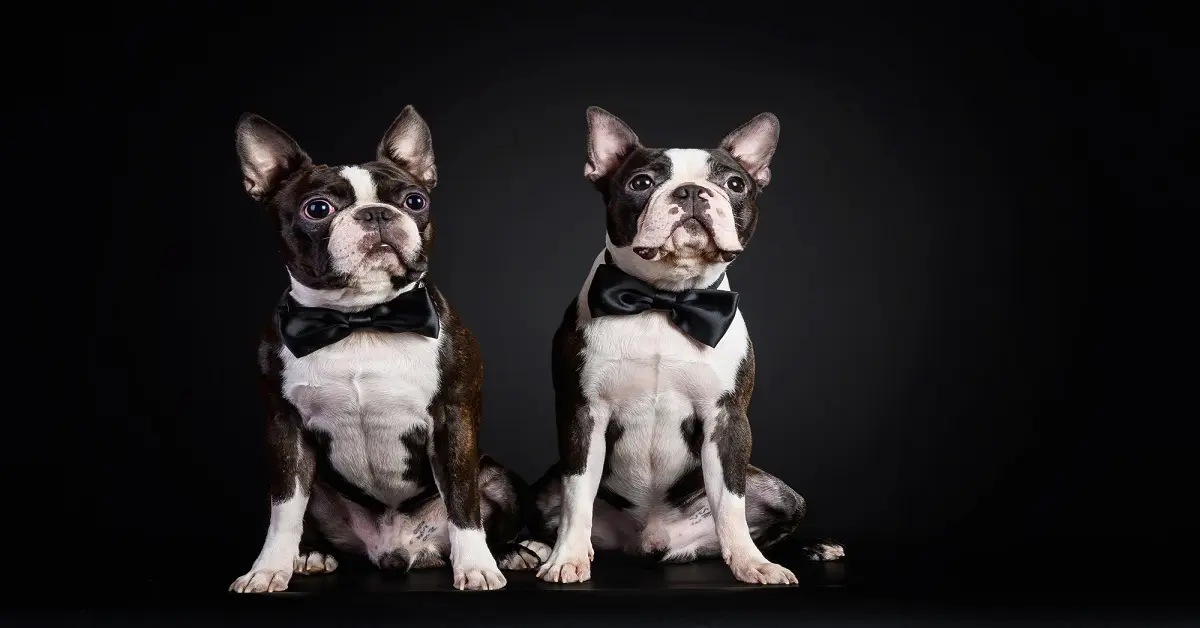
Boston Terriers possess a wide variety in their appearance, which includes a short, easy-to-care-for coat and a facial marking in the shape of a ‘tuxedo’.
Size and Weight of Boston Terriers:
Adult dogs usually weigh between 10-25 pounds and stand roughly 10-15 inches in height at the shoulder, making them compact companions.
Distinctive Features:
Boston Terriers also have a short, flat face, typical of brachycephalic breeds. Their short coats can come in a variety of colors, such as seal, brindle, and black, often with white markings.
Boston Terriers Breed Information:
They have a distinctive look and that lovely personality. Boston terriers have become popular because they have friendly, outgoing, and affectionate personalities.
Breed Traits & Characteristics of Boston Terriers:
Families value Boston Terriers for their gentle, even-tempered nature, which makes them a great fit for home life.
Temperament Overview:
Their temperament is friendly, outgoing, and affectionate. They are highly social and love human interaction.
Energy Levels:
Boston Terriers are moderately energetic. They do need regular exercise; however, they are not high-energy dogs.
Colors and Markings:
Boston Terriers come in varied colors and markings that include seal, brindle, and black, often with white markings.
AKC Breed Standard:
The American Kennel Club presents a particular breed standard for Boston Terriers, describing their ideal characteristics. The AKC breed standard puts great importance on the physical characteristics and temperament of the Boston Terrier.
7 Fun Facts About Boston Terriers
The Boston Terrier breed is filled with intriguing facts that highlight their historical importance and unique characteristics. From their origin to their modern-day charm, there’s much to learn and appreciate about this beloved breed.
Historical Tibits of Boston Terriers:
The Boston Terrier has a very interesting history, dating back to the 19th century. First bred for fighting, they developed into a companion dog due to their affectionate nature. Their history speaks volumes to how adaptable and endearing this breed is.
Famous Boston Terriers:
Several Boston Terriers have made their mark in history and popular culture. The American Humane Association awarded Rope, a Boston Terrier, its first Hero Dog Award, making him a notable example of the breed. Such recognition highlights the breed’s potential for bravery and loyalty.
Unique Breed Qualities:
Other than their distinctive “tuxedo” marks and the kind disposition of Boston terriers, they also have a short coat, which is easy to care for, and generally, they are healthy dogs. All in all, their uniqueness in appearance and their loving personality make them popular among dog owners.
Temperament and Nature of Boston Terriers:
The Boston Terrier’s temperament is one of its most delightful qualities, blending a combination of playfulness and loyalty. Known to be affectionate and gentle, Boston Terriers make great companions for families as well as individuals.
Friendly and Sociable Nature:
Boston Terriers are friendly and outgoing dogs. They are very social dogs that require interaction with their human family members constantly. Because they are such affectionate dogs, they make great family pets and have been described as “gentlemen” as their disposition is very polite and even-tempered.
Their friendly character also makes them generally good with children, particularly if entertained properly from an early age. As with any breed, though, it is important to supervise interactions between dogs and young children to ensure everyone’s safety.

Intelligence and Trainability:
Boston Terriers are smart and, reasonably, easy to train. Positive support techniques, like praise and treats, go a long way in making the process pleasing for them as well as their owner. Consistency and patience are key when training a Boston Terrier since they can be persistent at times.
Their intellect, combined with their eager-to-please nature, makes them a breed that can learn a wide range of instructions and behaviors. Early training and socialization are crucial to developing a well-behaved and well-adjusted adult dog.
Compatibility with Families and Other Pets:
Generally, Boston Terriers are good with families and can get along with other pets if their introduction is done properly. Their friendly and outgoing nature makes them a great addition to homes with multiple pets. However, just like the introduction of any other new pet in a household, this must be done progressively and under conditions that can be measured.
Conclusion: The nature and personality of Boston Terriers make them a very fit breed for many families. Add their friendly, intelligent, and adaptable nature to their affectionate and loyal disposition, and instantly, they become one of the favorite companions among dog owners.
Boston Terriers’ Health Issues and Concerns:
Being a brachycephalic breed, Boston Terriers have special health needs that require extra attention from their owners. Some of their unique physical features make them very attractive, yet also predispose them to several types of health issues, against which owners should be watchful to provide the best care.

Brachycephalic Syndrome:
Brachycephalic syndrome, characterized by breathing problems due to the flat and short face, is another common health concern. This usually affects breathing when the weather is hot or humid.
Symptoms and Management:
Symptoms include breathlessness, snoring, and labored alive. Management consists of keeping the dog cool, avoiding heavy exercise, and monitoring for signs of distress. In severe cases, surgery may be required to improve the signs of the condition.
Inhibition Tips:
While brachycephalic syndrome is characteristic of the breed, owners can take steps to minimize its impact. Keeping your Boston Terrier at a healthy weight, avoiding extreme temperatures, and using a harness instead of a collar are steps that will help lessen breathing difficulties.
Patellar Luxation:
Another health concern is patellar luxation, also known as kneecap dislocation. This can be aching for your dog and may lead to swelling if left untreated.
Eye Problems:
Boston Terriers are prone to a few dissimilar eye issues, including cherry eye, cataracts, and corneal ulcers.
Cherry Eye:
Cherry eye is a condition in which the secretory of the third eyelid prolapses and becomes visible as a red mass. The problem often requires surgical correction to avoid chronic swelling.
Cataracts:
Cataracts are cloudings of the lens in the eye that can lead to loss of sight. The most effective treatment is surgical removal of the cataract.
Corneal Ulcers:
Corneal ulcers are open sores that occur on the cornea as a result of injury or infection. Veterinary care should be sought immediately to prevent complications and encourage recovery.
Other Health Concerns:
Besides the health problems mentioned above, Boston Terriers are also inclined to other health issues, including heart conditions and allergies. This can be mitigated by regular veterinary care and a healthy lifestyle.
Boston Terriers’ Life Span and Quality of Life:
Considering how long Boston Terriers live is important for any owner. Boston Terriers are known for their friendly and outgoing personalities; however, like all breeds, they have a certain life expectancy that owners should be aware of.
Average Lifespan Expectations:
A Boston Terrier typically lives an average of 10 to 15 years. Still, with proper care and attention to health issues, some have been known to live quite a bit longer.
What do Boston Terriers die from?
Boston Terriers are susceptible to specific health problems that can affect their life span. Common causes of death include cancer, heart disease, and complications associated with brachycephalic syndrome. Regular check-ups with the veterinarian are important in diagnosing these issues early on.
Tips to extend Boston’s Life:
The following are some helpful tips for extending the life of your Boston Terrier:
- Maintain a healthy weight through diet and exercise.
- In hot weather, make sure to keep your Boston Terrier cool to avoid complications with brachycephalic syndrome.
- By following these tips, you can help to ensure that your Boston Terrier lives a long and healthy life.
Comprehensive Care Guide for Boston Terriers:
The best care for your Boston Terrier involves a combination of regular grooming, health checks, and a nurturing environment. Learning about your pet’s specific needs is vital for their health and happiness.
Coating Care:
Boston Terriers have short coats, which are easy to maintain. However, regular brushing is still required to remove dead hair and distribute skin oils.
- Brush your Boston Terrier’s coat at least once a week.
- Rubber brushes or soft-bristle brushes only, in order not to irritate their skin.
Skin Care:
- Skin issues can be a problem for Boston Terriers due to their short coats and facial structure, but are somewhat preventable with regular skin care.
- Check your Boston Terrier’s skin regularly for signs of irritation or infection.
- Keep the skin clean: Bathe them as needed using a gentle dog shampoo.
Eye Care:
The brachycephalic nature makes them vulnerable to eye problems, so extra eye care is necessary in Boston terriers.
Cleaning Techniques:
Gently clean the area around your Boston Terrier’s eyes with a moistened cloth to remove dirt and tear stains.
Signs of Problems:
Watch for signs of eye problems, such as redness, discharge, or squinting. Consult a veterinarian if you notice any issues.
Dental and Ear Care:
- Proper dental and ear care is crucial to your Boston Terrier’s overall health.
- With this extended care guide, you will be helping your Boston Terrier live a healthy and enjoyable life. Regular grooming blended with health checks and a nurturing environment is their passport to being happy.
Grooming Your Boston Terrier:
A regular grooming routine goes a long way in ensuring that your Boston Terrier appears and feels its best. Grooming enhances their appearance and goes a long way to ensure that their health and well-being are also excellent.
Bathing Schedule and Techniques:
Boston Terriers require bathing once every one to two weeks, depending on how active and dirty they may get. A mild dog shampoo is appropriate, so as not to irritate the skin. Care should be taken to rinse out all soap.
Brushing Needs:
Even though Boston Terriers have short coats, they appreciate being brushed regularly to take off dead hair and to spread skin oils around. A soft-bristle brush or a rubber grooming mitt can be used weekly.
Nail Trimming and Paw Care:
Nail trimming is a crucial component of grooming. Trim the nails of your Boston Terrier every 4-6 weeks to avoid overgrowth. Overgrown nails will cause discomfort and health problems for your dog. Regular paw checks can help in discovering foreign objects or irritations.
Professional vs. Home Grooming:
Some owners prefer the convenience and expertise of professional grooming, while others may opt for grooming their Boston Terriers in their homes. Basic grooming, such as nail trimming and brushing, can be done at home if one has the proper tools and knowledge. More complicated tasks or owners who are not confident in their abilities can seek professional grooming.

Nutrition and Feeding Guidelines:
Good nutrition is vital to the health and wellness of Boston Terriers. Nutritional needs are essential in keeping them energized, their overall health maintained, and some health issues reduced or eradicated. The nutritional needs of this breed, including what to feed and how, will be discussed in this section.
What to Feed a Boston Terrier?
Choosing the right food is vital for your Boston Terrier. Their diet should contain high-quality protein, moderate in fat, and low in carbohydrates. High-quality dog food that fits their age, size, and activity level is best for them.
Recommended Food Types:
- High-protein dog food
- Omega-3 fatty acid food for coat health
- Dietary fiber for digestive health
Foods to Avoid:
Some foods are harmful to Boston Terriers and should be avoided. These are foods that have artificial preservatives, too much salt, and ingredients that could cause allergic reactions.
- Foods that contain chocolate or caffeine
- Onions, garlic, and other members of the Allium family
- Grapes and raisins
How to Feed a Boston Terrier:
It’s very important to establish a routine of regular feeding with Boston Terriers. The frequency is determined by their age.
How Much Should You Feed a Boston Terrier:
The food requirement for Boston Terriers is determined by age, size, and activity level. Puppies require more frequent feeding than adults.
Puppy Feeding Schedule:
- Feed 3-4 times a day till they are about six months old.
- Gradually switch to twice a day as they mature
Adult Feeding Guidelines:
Adult Boston Terriers are to be fed twice a day. The amount should be adjusted according to the dog’s activity level and weight.
Boston Terrier Nutrition Guide:
Their weight must be monitored regularly and their food intake adjusted to avoid obesity. Always ensure fresh water throughout the day.
Exercise Needs and Activity Recommendations:
Being a brachycephalic breed, Boston Terriers have particular needs when it comes to their regular exercise in order to avoid further health complications. The anatomy of this breed can make it vulnerable to breathing difficulties, especially when the temperature or humidity is high.

Daily Exercise Needs:
Boston Terriers need regular but very gentle exercise to keep them fit and mentally healthy. At least 30 minutes per day is recommended, but may be divided up into several shorter walks to prevent fatigue.
Suitable Activities and Games:
Suitable activities for Boston Terriers include short walks, playing in a securely fenced area, and interactive games that challenge them mentally. Some examples are:
- Short walks on a leash
- Playtime with puzzle toys
- Light fetch games
Exercise Precautions for Brachycephalic Breeds:
Owners should manage exercise for Boston Terriers carefully because their brachycephalic structure can affect breathing. Too much exertion may result in severe health problems.
Weather Considerations:
Always allow the weather to guide your workouts. Avoid heavy exercises when the weather is hot or humid, because this may trigger breathing difficulties.
Overexertion Signs:
Be aware of the signs of overexertion in your Boston Terrier, which include:
- Puffed excessively
- Dyspnea
- Blue-tinged gums
- Intensive care for your Boston Terrier’s condition during exercise and altering activities accordingly is of the essence for your dog’s health.
Training Your Boston Terrier:
Proper training will help Boston Terriers to be better-behaved and obedient companions. With their intellect and eager-to-please nature, they respond well to positive reinforcement training methods.
Basic Obedience Training:
Basic obedience training forms the basis of a well-behaved Boston Terrier. It includes teaching basic commands such as “sit,” “stay,” “come,” and “leave it.” Constancy is authoritative, while positive support remains key. This means rewarding good behavior with treats and praise, which encourages learning.
Socialization Tips:
Socialization is crucial for your Boston Terriers to be self-confident and collected in front of new people, dogs, and different environments. Early exposure will prevent anxiety and any fear-based behaviors. Tips for proper socialization include:
- Introduce your Boston Terrier to new experiences gradually.
- Positive reinforcement in social interactions
- Make interactions enjoyable without being overwhelming.
Common Behavioral Issues and Solutions of Boston Terriers:
Like all breeds, Boston Terriers have the potential to develop behavioral issues. The most common include separation anxiety, excessive barking, and stubbornness.
Anxiety Separation:
Separation anxiety is reduced by gradually increasing the time being left alone, providing interesting toys, and making the environment more placid.
Excessive Barking:
Excessive barking can be handled through the identification of triggers and using training techniques to calm the dog down, like “quiet” commands.
Persistence:
Owners can overcome housebreaking challenges and stubborn behavior through patience, clear communication, and consistent positive reinforcement training. When families raise Boston Terriers with dedication and understanding, these dogs grow into loving, well-behaved members of the household.

Boston Terrier Adoption: Finding Your Perfect Companion
Boston Terrier adoption is a big decision, entailing many aspects from the selection of the breeder to the rescue organization. When considering bringing a new Boston Terrier into your family, it’s essential to understand the different elements involved in this process.
Choosing a Reputable Breeder:
Finding a trustworthy breeder is important when adopting a Boston Terrier. A reputable breeder will have the health and well-being of the dogs as their top priority. Transparency about the health history of the parents and documentation to this end is mandatory with them.
To identify a reputable breeder, look for membership in the Boston Terrier Club of America or other local breed clubs, and check for reviews or testimonials from other families who have accepted from them.
National Breed Club & Rescue Organizations:
Many times, the Boston Terrier Club of America and other local breed clubs have rescue organizations or can refer you to responsible rescue groups. These groups are committed to placing Boston Terriers in need into homes. They can offer invaluable help and support during the adoption process.
What to Look for in a Boston Terrier Puppy:
In choosing a Boston Terrier puppy, the signs of healthy status should be clear eyes, a clean coat, and energetic behavior. Ensure the puppy you choose feels comfortable around people through proper socialization. A good breeder will provide health guarantees and be available for any questions you may have.
Adoption Costs and Considerations:
Costs can vary quite a bit depending on whether you get your dog from a breeder or a rescue.Prepare for expenses such as spaying or neutering, vaccinations, and microchipping. Not to mention monthly expenses regarding dog food, grooming, and veterinary care.
Boston Terrier Pros and Cons:
When considering bringing this breed into your family, here are some pros and cons to reflect upon. People know Boston Terriers for their friendly, outgoing personalities, and they consider them relatively low-maintenance pets.
Advantages of Owning a Boston Terrier:
Boston Terriers have a number of advantages as pets. One of the greatest advantages is their temperament.
Temperament Benefits:
They are friendly, social, and affectionate dogs that make very good family pets. Their gentle disposition means they are usually fine with children and other pets, especially if socialized correctly.
Care Benefits:
Boston Terriers have short coats and require very little grooming. They are also fairly adaptable to living situations, including apartments, since they have moderate exercise needs.
Challenges of Boston Terrier Ownership:
Notwithstanding all the admirable traits of Boston Terriers, they do have many challenges that potential owners ought to take into consideration.
Health Concerns:
Boston Terriers are prone to some health issues, which include brachycephalic syndrome, patellar luxation, and eye problems. Regular veterinary check-ups are necessary to ensure the health of the breed.
Behavioural Difficulties:
As is true with any breed, Boston Terriers will have behaviour problems if not properly trained and socialized. Sometimes they can be stubborn, too, which demands patience and consistency in training.
Boston Terrier versus French Bulldog Comparison:
Both breeds have in common their short coats and affectionate nature, but they vary in regard to exercise needs and health concerns specific to each breed. Understanding the differences between them is important for owners so that they know which would best fit their lifestyle.
FAQs?
Boston Terriers stand out with their tuxedo-like coat and expressive, round eyes.
They are nicknamed the “American Gentleman” due to their charming manners.
Their compact size and playful personality make them lively companions.
Intelligent and curious, they adapt well to different lifestyles and environments.
They are affectionate, gentle dogs that bond well with adults and children.
Their friendly nature makes them ideal companions for family settings.
Boston Terriers enjoy interaction, playtime, and staying close to their owners.
They are not overly aggressive or demanding, making them easy to manage at home
Choose breeders who provide health certificates and genetic screening.
Visit local kennel clubs, recognized breeder associations, or AKC-registered listings.
Read reviews, check breeding environment, and meet the puppies in person.
Avoid backyard breeders and ensure ethical breeding practices are being followed.
Boston Terriers typically reach physical maturity around 12–14 months.
Mental and behavioral maturity can continue developing up to 18 months.
Growth slows gradually as muscles strengthen and behavior stabilizes.
Their activity level remains playful, though calmer with age.
They are smaller than many companion breeds but packed with personality.
Compared to high-energy dogs, they need moderate exercise and attention.
Boston Terriers are more affectionate and people-oriented than independent breeds.
Their minimal shedding and easy grooming make maintenance simpler than many dogs.
Conclusion:
Is a Boston Terrier Right for You?
Boston Terriers boast very friendly and outgoing personalities, along with their relatively low-maintenance coats. However, they do tend to need attention in terms of their health needs and requirements for exercise. Your lifestyle and living situation have to be considered when thinking about adding a Boston Terrier to your family.
If you have a very busy schedule or live in an extremely hot climate, special accommodations for the care of your pet may need to be planned. Ultimately, whether or not to bring a Boston Terrier home will depend on one’s ability to give them the required care and attention.
Boston Terriers have the potential to become loving companions when they’re with the right owner. Knowing the needs and characteristics of this breed will give you a basis for informed decisions on whether they are suitable for you as pets.
