



What is an Australian Terrier dog?
The Australian Terrier dog is a small but powerful terrier breed known for courage, intelligence, and deep loyalty to its family. Despite its compact size, this breed carries a confident, almost fearless attitude that reflects its working-dog roots.
Developed in Australia during the 19th century, the Australian Terrier was bred to survive harsh climates, control vermin, and serve as a dependable companion. Unlike many modern toy-sized dogs, the Australian Terrier retains strong instincts, high alertness, and a natural watchdog personality.
At the same time, it is affectionate, people-oriented, and capable of adapting to apartment living when its mental and physical needs are met. This balance of toughness and companionship makes the breed appealing to active individuals, families with older children, and owners who enjoy an engaged, interactive dog.
History & Origins:
The Australian Terrier traces its origins to the early 1800s, when British settlers arrived in Australia with small working terriers. These dogs needed to survive extreme heat, rough terrain, and dangerous pests such as snakes and rodents.
Through selective breeding, settlers combined hardy British terriers to create a dog suited for Australia’s demanding conditions Early Australian Terriers worked on farms, in mines, and around homesteads.
Their primary role involved vermin control, but they also served as watchdogs and loyal companions. Over time, breeders refined their appearance and temperament while preserving toughness and independence.
Key historical milestones:
| Timeline | Development |
| Early 1800s | Terrier-type dogs were brought to Australia |
| Mid-1800s | Selective breeding for harsh climate survival |
| Late 1800s | Breed begins standardization |
| 1960 | Official recognition by major kennel organizations |
The Australian Terrier became one of the first native Australian breeds to gain international recognition. Today, it remains a symbol of resilience, adaptability, and intelligent companionship.
Appearance & Breed Standard:
Appearance & Breed Standard:
The Australian Terrier dog has a small yet sturdy build that reflects strength rather than delicacy. Its body is slightly longer than tall, giving it balance and agility.
The head is strong with a keen, alert expression, dark oval eyes, and small upright ears that enhance its confident look. Overall, the breed standard emphasizes durability, alertness, and a natural working-dog appearance rather than elegance or refinement.
Physical characteristics
| Feature | Description |
| Height | 10–11 inches |
| Weight | 15–20 pounds |
| Body | Slightly longer than tall |
| Head | Strong muzzle, keen eyes |
| Ears | Small, erect, pointed |
Coat and Color:
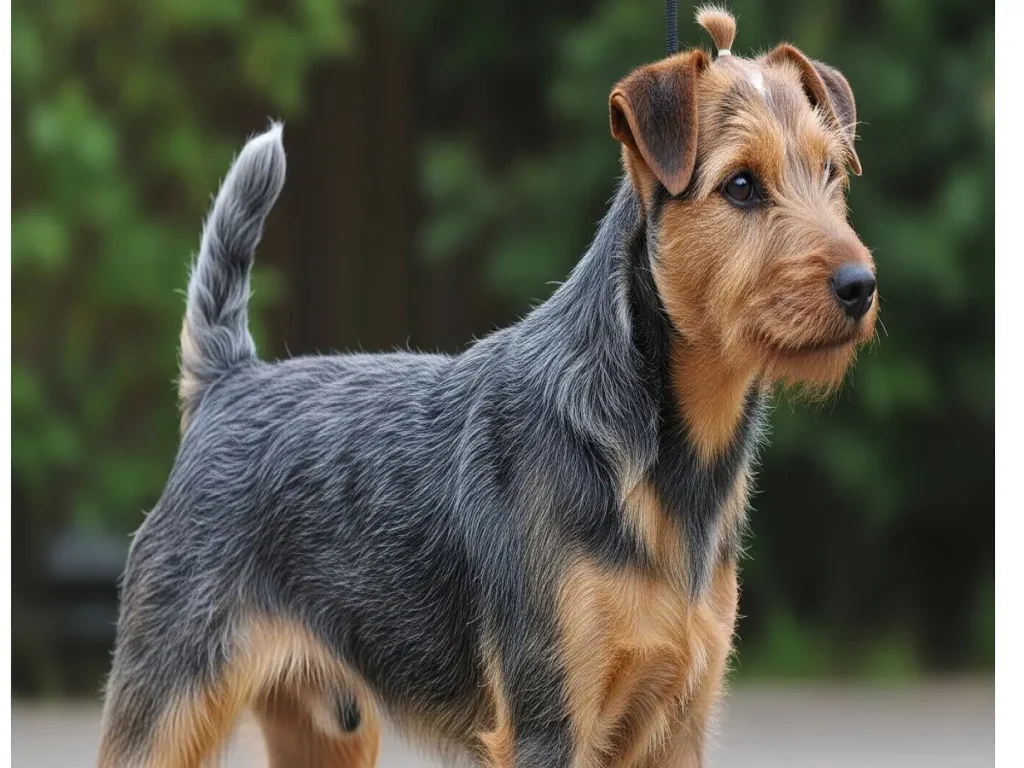
The Australian Terrier has a distinctive double coat designed for protection. The outer coat is harsh and straight, while the undercoat is soft and dense, enabling the dog to handle various weather conditions.
Common coat colors include blue and tan, sandy, and red. The coat naturally repels dirt, but it still benefits from regular brushing to maintain texture and prevent matting. Proper grooming also helps preserve the breed’s classic rugged look.
Accepted colors:
- Blue and tan
- Sandy
- Red
The coat is designed for function first, though regular grooming keeps it tidy and healthy.
Training & Socialization:
Training an Australian terrier requires patience and consistency due to its intelligent but independent nature. This breed learns quickly when positive reinforcement is used, such as praise, treats, and short engaging sessions.
Early socialization is essential to help reduce excessive barking, chasing instincts, and territorial behavior. Exposure to new people, environments, and other dogs from a young age helps shape a confident and well-mannered adult dog.
Training best practices:
- Start early with socialization
- Use reward-based methods
- Keep sessions short and varied
- Avoid harsh corrections
Socialization focus:
Early exposure to different people, environments, and animals helps reduce excessive guarding or chasing instincts later in life.
| Training Area | Importance |
| Obedience | Essential |
| Socialization | Critical |
| Mental games | Highly recommended |
| Agility | Excellent outlet |
With the right approach, Australian Terriers become reliable, well-mannered companions
Daily Care of an Australian Terrier Dog:
Caring for an Australian terrier dog requires consistency and balance. This breed may be small, but it has the energy, intelligence, and independence of a true working terrier.
Proper daily care helps maintain its physical health, mental well-being, and good behavior. Feeding, exercise, and grooming all play equally important roles in keeping this dog happy and healthy.
Feeding:

Feeding an Australian Terrier dog starts with choosing a high-quality, nutritionally balanced diet designed for small, active breeds. Protein is especially important to support muscle strength and energy, while healthy fats help maintain coat condition.
Portion control matters because this breed can gain weight if overfed, even with regular activity. Puppies usually require three to four small meals per day to support growth and prevent low energy levels. Adult Australian Terriers typically do well on two measured meals daily.
Fresh water should always be available, and treats should be limited to avoid obesity. Owners should avoid feeding table scraps, as these can cause digestive upset and contribute to long-term health issues.
Feeding guidelines:
| Age | Meals per day |
| Puppy | 3–4 |
| Adult | 2 |
| Senior | 2 (smaller portions) |
Exercise:
The Australian Terrier dog needs daily exercise to stay physically fit and mentally satisfied. Although small in size, this breed has moderate to high energy and enjoys staying active. A combination of daily walks, playtime, and interactive activities works best. Around 30 to 45 minutes of exercise per day is usually sufficient.
Puzzle toys, training games, and short obedience sessions help prevent boredom, which can otherwise lead to barking or digging. While Australian Terriers adapt well to apartment living, they still need consistent activity to channel their natural terrier instincts positively.
Exercise:
Despite its size, the breed needs daily activity.
- 30–45 minutes per day
- Walks, play, or training games
- Mental stimulation is as important as physical exercise
Grooming:
Grooming an Australian Terrier dog is manageable but should never be neglected. The breed has a harsh outer coat with a soft undercoat that requires weekly brushing to remove loose hair and prevent tangles.
Bathing should only be done when necessary, as frequent baths can soften the coat texture. Some owners choose hand-stripping to maintain the traditional coat appearance, while others opt for light trimming for convenience.
Nails should be trimmed regularly, ears checked for debris, and teeth brushed often, as small breeds are more prone to dental issues.
Grooming is moderate but consistent.
| Grooming Task | Frequency |
| Brushing | Weekly |
| Bathing | As needed |
| Nail trimming | Monthly |
| Coat stripping/clipping | Every 8–12 weeks |
Why Daily Care Matters:
Consistent daily care supports the Australian Terrier’s long lifespan and stable temperament. Proper feeding maintains energy and weight, exercise prevents behavioral issues, and grooming ensures comfort and cleanliness. When these needs are met, the Australian Terrier dog thrives as a confident, loyal, and engaging companion.
Health & Lifespan:
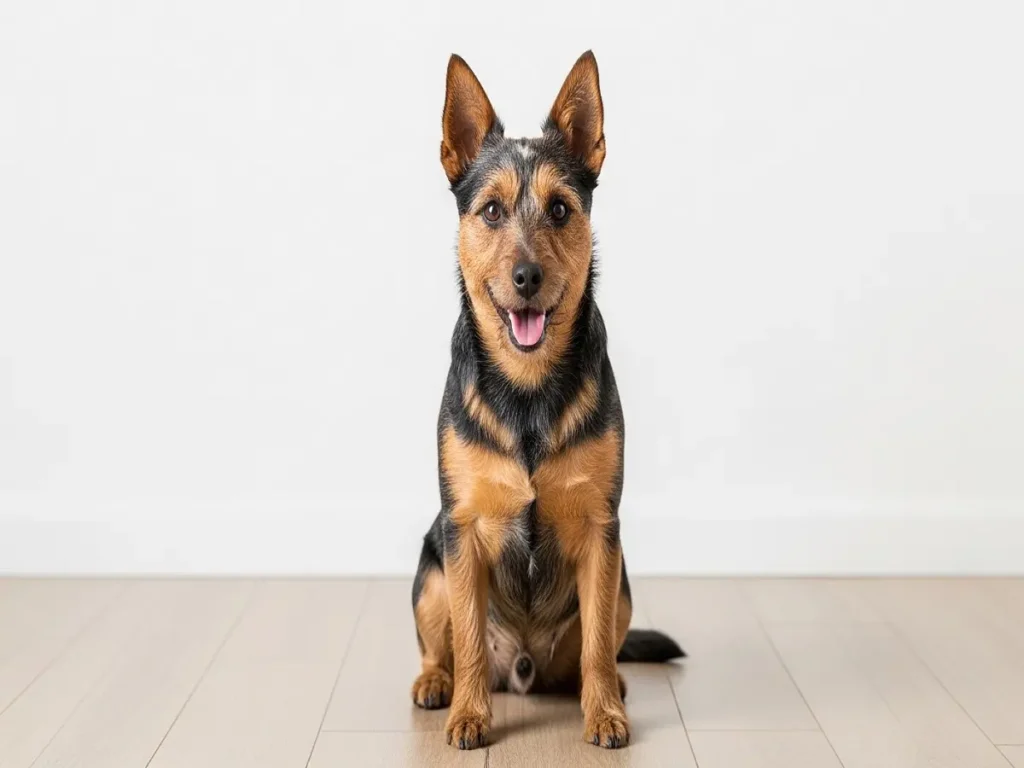
The Australian Terrier is generally a healthy and long-lived breed, with an average lifespan of 11 to 15 years. While robust, it can be prone to certain conditions such as dental disease, diabetes, and joint issues like patellar luxation.
Regular veterinary checkups, proper nutrition, and weight management help reduce health risks. Preventive care plays a key role in maintaining quality of life throughout the dog’s senior years.
Common health concerns:
| Condition | Notes |
| Diabetes | Moderate risk |
| Patellar luxation | Occasional |
| Dental disease | Common in small breeds |
| Allergies | Possible |
Living With Kids & Other Pets:
Australian Terriers do best with older children who respect boundaries. They tolerate play but dislike rough handling.
With other dogs, early socialization is key. The breed may chase smaller animals due to strong prey drive, so supervision is recommended.
Household compatibility
| Situation | Suitability |
| Older children | Excellent |
| Toddlers | Caution |
| Other dogs | Good with training |
| Small pets | Supervision needed |
Adoption vs. Buying an Australian Terrier Dog:
Deciding whether to adopt or buy an Australian Terrier dog is an important choice that depends on lifestyle, budget, and personal goals. Both options can lead to a rewarding experience, but each comes with different considerations.
Understanding the benefits and challenges of adoption and buying helps future owners make a responsible and informed decision.
Adopting an Australian Terrier:
Adopting an Australian Terrier offers the opportunity to give a dog a second chance at a loving home. Rescue organizations and shelters sometimes have adult Australian Terriers or Terrier mixes available, though purebred puppies are less common. Adoption fees are generally lower than breeder prices and often include vaccinations, spaying or neutering, and basic health checks.
Adopted dogs may already be house-trained or have basic obedience skills, which can make the transition easier. However, some may come with unknown backgrounds or require extra patience and training. Working with reputable rescue groups ensures transparency about the dog’s temperament, health needs, and compatibility with children or other pets.
Buying an Australian Terrier from a Breeder:
Buying an Australian Terrier puppy from a responsible breeder provides more predictability in terms of temperament, appearance, and health history. Ethical breeders perform health screenings, socialize puppies early, and provide documentation such as vaccination records and genetic testing results.
This option is ideal for owners looking for a puppy to raise from an early age. The cost of purchasing from a breeder is usually higher, reflecting proper care, health testing, and responsible breeding practices.
Buyers should avoid puppy mills and online sellers offering unusually low prices. Visiting the breeder, meeting the parents, and asking detailed questions helps ensure the puppy is raised in a healthy and ethical environment.
Making the Right Choice:
Whether adopting or buying, the most important factor is choosing a source that prioritizes the Australian Terrier dog’s health, temperament, and well-being. Responsible ownership begins with ethical selection and continues through lifelong care, training, and commitment.
Comparison
| Option | Advantages | Considerations |
| Adoption | Lower cost, saves lives | Limited availability |
| Breeder | Predictable traits | Higher cost |
Always choose ethical breeders or reputable rescue organizations.
FAQs?
Yes, Australian Terriers adapt well to apartment living when they receive daily walks, interactive play, and mental stimulation. Their small size suits limited spaces, but their energetic nature means boredom can lead to unwanted behaviors if exercise needs are ignored.
Australian Terriers are naturally alert and make excellent watchdogs, so barking is part of their instinct. However, early training, proper socialization, and enough physical and mental activity can greatly reduce excessive or nuisance barking.
They are highly intelligent and quick learners, but their independent terrier mindset can make training challenging. Consistent routines, positive reinforcement, and patience work best, as harsh methods often lead to stubborn resistance rather than cooperation.
Shedding is low to moderate compared to many breeds. Their harsh, weather-resistant coat requires regular brushing to remove loose hair and reduce shedding. Routine grooming also helps maintain coat texture and keeps skin healthy.
Australian Terriers can suit first-time owners who are committed to training, exercise, and structure. Their loyalty and intelligence are rewarding, but their strong personality and confidence require an owner willing to invest time and consistency.
Conclusion:
The Australian Terrier dog is a small breed with a big personality, offering loyalty, intelligence, and confidence in a compact size. Bred for both companionship and work, this hardy terrier adapts well to modern lifestyles.
While still retaining its alert, spirited nature. With proper training, early socialization, and consistent care, Australian Terriers grow into well-mannered, affectionate dogs that form strong bonds with their families.
For owners willing to invest time in daily exercise, mental stimulation, and grooming, this breed delivers long-term companionship and reliability. Whether you choose adoption or buying from a responsible breeder.
Understanding the Australian Terrier’s needs is key to a successful relationship. When given structure, care, and attention, the Australian Terrier dog proves to be a devoted, adaptable, and rewarding companion for many years.
