


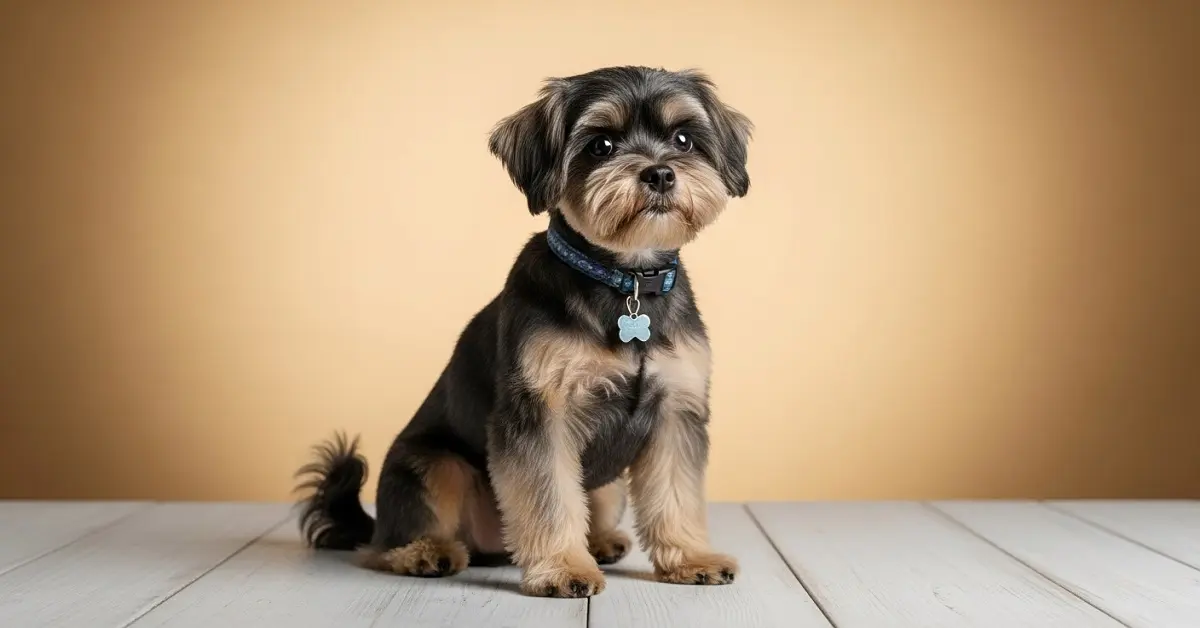
What is an Affenpinscher dog?
The Affenpinscher is a small, terrier-like, toy breed often called the monkey dog or Diablotin Moustachu because of its mischievous expression, monkey-like face, and shaggy coat. Known for a confident, amusing personality, this rare, small-dog breed comes from Germany.
where it began hunting rats in homes, stables, and shops during the 17th-century. Over time, this working dog became a beloved companion and loyal pet worldwide, a shift recognized by the Affenpinscher Club of America (ACA).
Standing 9–12 inches tall and weighing 7–10 pounds, these compact dogs have a scruffy coat that appears in black, gray, silver, or red, with short- to medium-length, wiry fur, a short muzzle, short nose, dark, round eyes, and shaggier fur forming a mane.
Their expressive face, quirky looks, and animated, playful, feisty nature reflect a spirited, terrier-like personality often described by Matthew Mullin, director, as a big dog in a little package.
This German breed, of Pinscher type, once a fearless mouser, is now an intelligent, bold, fearless, sometimes stubborn, yet deeply affectionate and amusing companion, truly living up to the name ape or monkey, and remaining proudly native to Germany.
History & Origin of the Affenpinscher Dog:
From Clown to Devil HunterL:
The clown side of the Affenpinscher often hides its darker past as a devil of vermin control. The breed’s origin is shrouded in speculation, but many agree that this tough little exterminator once worked in circuses and homes.
Germans coined the name Affenpinscher, which translates to ape terrier or monkey dog, and in France is called diablotin moustachu, meaning moustached little devil. In Lübeck, Germany, early breeding focused on ratting terriers during the 1600s plague, when dogs moved from stables to kitchens to catch mice running up the skirts of ladies in the house.
The Schooshundrassen lapdog breed appeared in the 17th and 18th centuries. Schnauzers, Miniature Schnauzer, German Pinscher, and Pug crosses shaped the head shape and short nose. Historians link Affen-Schnauzers, Brussels Griffons, rough-coated dogs, 15th-century rat-catching, and early forerunners.
Building the Breed in America & the Show Ring Rise:
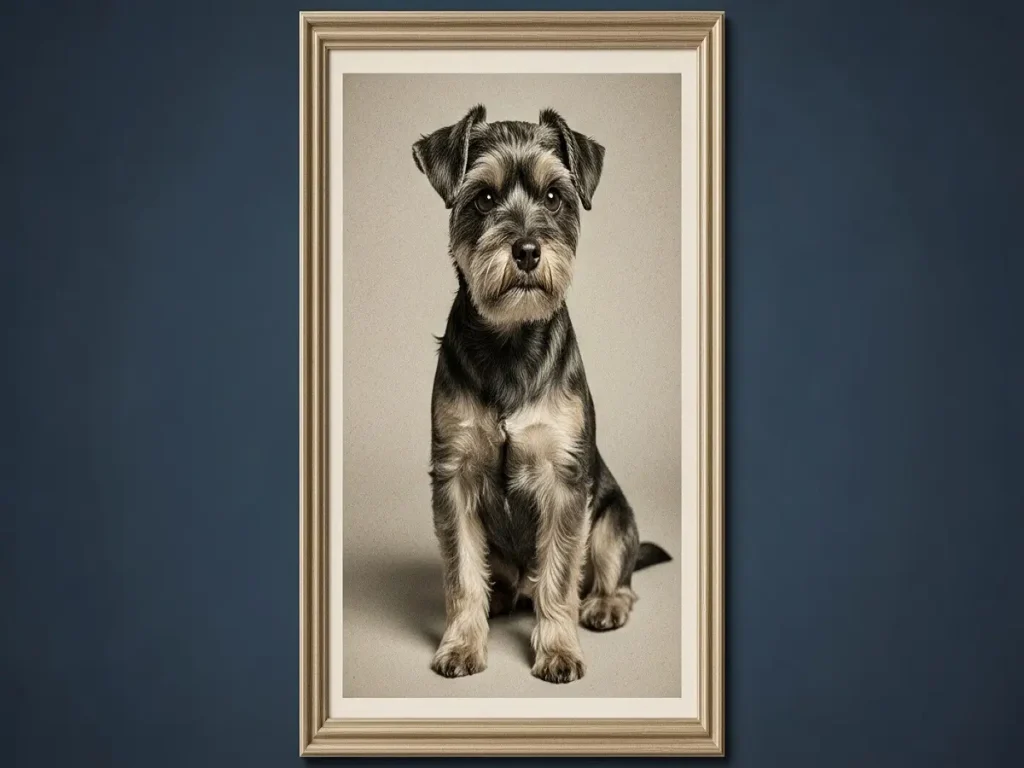
The American story of the Affenpinscher began with Bessie Mally of Cicero, Illinois, who produced the first American-born litter of Affenpinschers on June 12, 1935, using dogs imported from Germany. The dam Nolli v An Wander became the first recognized entry in the AKC studbook in 1936.
World War II caused a breeding halt after June 1940, lasting nine years. In the early 1950s, careful rebuilding used foundation German dogs from the 1930s line, producing legends like Ch. Bub v Anwander, owned by Evelyn Brody of Cedarlawn Kennels, and bred by Maria Anwander, the first American champion.
The modern Affenpinscher gained fame through dogs like Ch. El Cocagi Kamehameha (Bear) and Ch. El Cocagi Eli Eli Whine (Posey). Bear won BIS in North America at the Tonawanda Valley Kennel Club in June 1978, with ties to Hawaii, Bob Sharp, Albany, New York, the New York Times, and Jennifer, 8 years old.
Influential breeders Jerry Cushman of Hilane Kennels, Beth Sweigart of Yarrow Kennels, and Flo Strohmaier of Flo-Star Kennel shaped top sires like Ch. Hilane’s Solar Eclipse, Ch. Gerbrae Maid in Splendour, Ch. Yarrow’s Super Nova, and Ch.
Yarrow’s Lucy in the Sky. At a dog show, Banana Joe V Tani Kazari, known as Joe, a five-year-old Affenpinscher, claimed Best in Show at the 2013 Westminster Kennel Club Dog Show in New York City
The Modern Affen: From Worker to Star
From stable and kitchen to boudoir, today’s Affenpinscher carries lasting charm into the show ring. In 2013, Banana Joe stunned audiences at the Westminster Kennel Club with Best in Show honors. Beyond shows, Affens excel as therapy dogs and in agility and obedience, while retaining old grit from their days as fearless ratters.
Even writer Desmond Morris recalled an Affen in Alaska facing a grizzly bear, proving courage never faded. The name comes from Affe, meaning German ape or monkey, often called Monkey Terrier, though truly a pinscher, not a terrier.
The Pinscher group has origins unknown, including rough-haired and smooth-haired carriage dogs, stable dogs, and Stallpinscher types. By the nineteenth century, the Detacher Pinscher shared the same lineage and litter history.
Records from 1880 in the Deutschemark Hundestammbuch, the Verein zur Veredelung der Hunderassen, and 1895 writings by Ludwig Beckmann listed five varieties, including Miniature Pinscher.
The Pinscher-Schnauzer-Club breed society noted two sizes, one now extinct, measuring 30 to 33 centimetres or 12 to 13 inches, in grey, fawn, black, tan, red, with white feet and chests. Used in granaries against rodents, crossed with pugs, schnauzers, silky pinschers, linked to Griffon Bruxellois and Brussels Griffon, the breed gained AKC recognition in 1935 and FCI approval in 1955.
Lovely Personality and Everyday Temperament:
Affenpinschers are known for a lively, affectionate temperament and a naturally confident, curious nature. They are playful, charming, and sometimes mischievous, which makes them truly entertaining companions.
I’ve often noticed how even a black affenpinscher dog, standing to the side in a park, can draw attention with pure attitude and expression, just like those captured by Ilona Didkovska, iStock, Getty Images Plus.
Despite their bold personality, they have a moderate energy level. Daily playtime and short walks around the neighborhood are enough, with no need for high-intensity exercise. Because they are smart dogs, they need mental stimulation to stay happy and not become bored.
Smart Training for a Big Personality:
Behavior shapes how Affenpinschers learn, so training works best when it feels fun, not forced. Their lively and affectionate temperament means they respond well when a pet parent uses games, praise, and calm leadership.
I’ve found that starting short sessions early helps guide their confident and curious nature in the right direction. When it comes to training tips, keep things light and engaging. These dogs are naturally playful, charming, and sometimes mischievous.
Which makes them entertaining companions but also quick to test boundaries. Consistency matters, especially when channeling that curiosity into good habits. With patience and trust, their personality becomes a strength rather than a challenge.
Understanding Everyday Behavior:
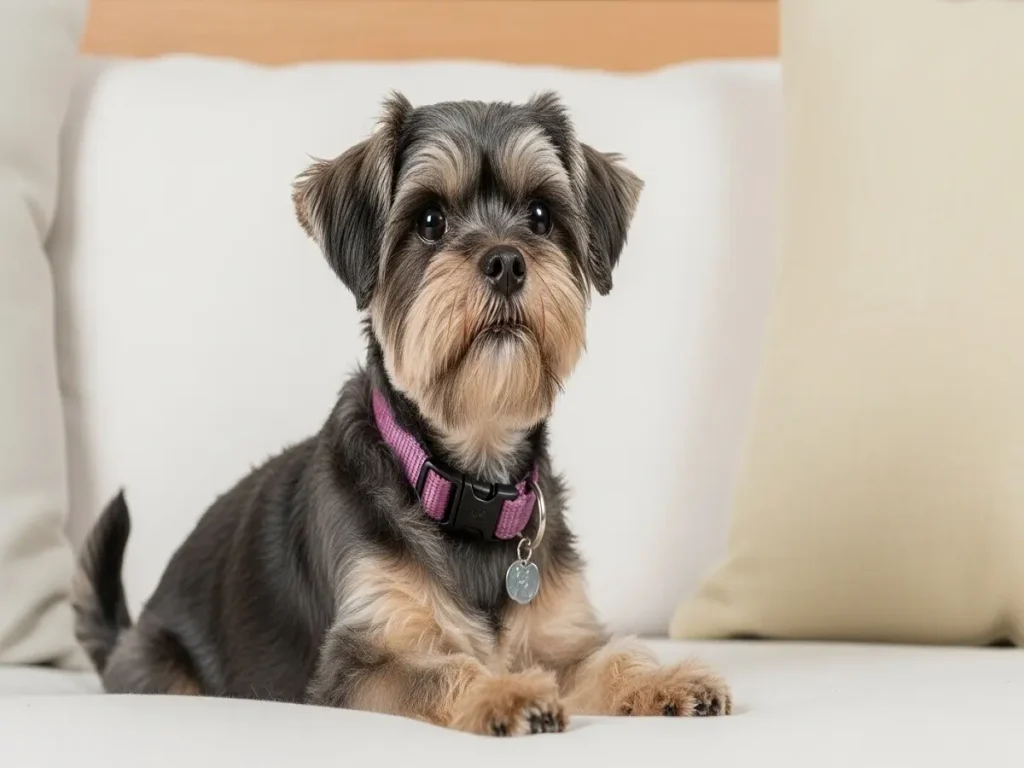
Great family dogs for the right homes, Affenpinschers do best with pet parents who ensure children are taught to interact with dogs appropriately. Their small size means rowdy playtime can cause accidental injury, which is why supervised interactions are important. From experience, calm guidance helps them feel secure and respected.
In new settings, some may show anxiety in unfamiliar situations if not properly socialized. They are naturally vocal and barks frequently to stay alert to changes in their environment. While excessive barking can appear, it can be managed with consistent training and patience
Bold Traits Behind the Small Frame:
The Affenpinscher’s temperament mixes boldness and charm in a way that feels larger than life. They are naturally self-confident, fearless, and full of comedic quality. Their curiosity pushes them to explore every adventure, often leading to playful mischief.
The American Kennel Club describes them as loyal, curious, and famously amusing, which matches my experience of their serious face paired with silly actions that create playful moments and keep homes entertaining.
Their playful nature shows when they use their front paws to grab and toss toys, delighting families. At the same time, their independent nature can surprise first-time owners. As one professional handler once said, treat them like a human and befriend them first. They can be stubborn, so patience and consistency are key when you train them.
Family Bonds and Stranger Awareness:
The bond an Affenpinscher forms with family is deep and personal. They crave attention through play, cuddles, and staying close to their owner. Many people joke about being owned by these little monkey dogs, and honestly, it feels true once you live with one.
Around strangers, they stay cautious, guided by their alert nature. Despite their size, they act like serious watchdogs, watching their surroundings and ready to bark at visitors. This barking can start at the slightest trigger and turn into non-stop yapping. I’ve found that early positive reinforcement and teaching a quiet command make a big difference.
Kids, Pets, and the Big-Dog Attitude:
How Affenpinschers get along with children depends on how they grow up together. Kids with high energy and rough play can overwhelm their small size, especially if the dog is chased or tightly hugged. From experience, they fit better with older children, while adults should watch interactions closely to avoid anyone getting hurt, as they are truly tiny dogs.
They can live happily with other dogs and cats when socialization starts early, especially when growing up together. As former ratters, they have strong hunting instincts, so rodents and small pets may not be safe.
Early socialization helps control instincts. The funniest part is they don’t realize size, showing a big dog attitude, ready to challenge bigger dogs with bold confidence, even in homes with multiple pets.
Daily Care Routine of Affenpinscher Dogs:
Daily Care and Smart Handling:
Affenpinschers are lively, affectionate dogs that make a good pet, especially for first-time dog parents. Their moderate energy level means they enjoy playtime and short walks, but they’re also happy to relax at home. In my experience, this balance makes them easy to live with and surprisingly adaptable to different routines.
Their confident, curious nature and slightly independent attitude mean patience is important during training. The best results come from positive reinforcement and fun training methods. Keep sessions short, fun, and treat them like a game, and they stay engaged without getting bored or stubborn.
Coat Care That Preserves the Breed Look:
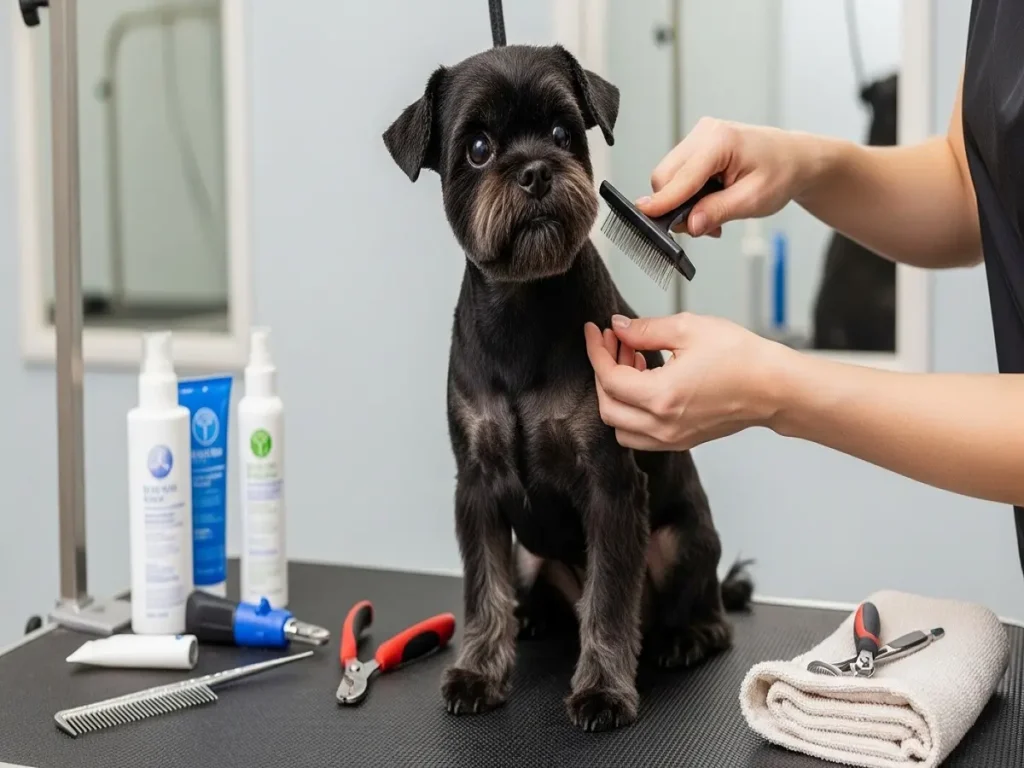
The Affenpinscher has a coarse coat and a wiry coat that needs regular brushing to prevent matting and keep the rough coat weather-resistant and tangle-free. I always recommend you brush weekly and plan professional grooming every few months.
Proper hand stripping and light trimming remove the dead outer coat and help preserve texture. Frequent clipping may seem easy, but it softens hair, increases upkeep, and changes coat texture and color, so stick to targeted tidy-ups instead.
Daily care matters too. Keep eye corners and the beard clean and wipe after meals to avoid food, moisture, debris, staining, odor, and skin irritation. Use the right tools like a stripping knife, coat king, plucking comb, soft brush, and undercoat comb. Bathing should be infrequent with mild shampoo, then dry thoroughly.
Don’t forget nails and paws—trim and check regularly. Careful facial grooming around the eyebrows and mustache keeps their characteristic expression sharp. This intentional maintenance avoids over-bathing, aggressive brushing, and improper clipping.
Exercise & Enrichment for Daily Balance:
The Affenpinscher is not a couch toy but a small, sporty companion with moderate needs. I’ve found they thrive on short walks, free sniff, run time, and little games, while long bike rides or endless jogging are unnecessary.
Mix in tricks, nose work, and mini obstacle courses to keep things fresh. A steady daily rhythm works best: a morning loop with focus games, a quick potty break at noon, and an evening varied sniff play walk. Always think about heat safety, dark coats heat up, so choose cooler hours in summer.
Understanding the Coat and Grooming Needs:
The Affenpinscher has a wire-textured coat that feels rough, not soft or silky, designed to protect skin, unlike many shedding breeds. The hair does not fall out on its own; old hair must be brushed, stripped, or trimmed away.
Because it keeps growing, grooming is not optional. When ignored, the coat becomes tangled, dull, and uncomfortable for the dog, something I’ve seen happen quickly without routine care.
Health & Vet Checklist of Affenpinscher Dog:
Smart Veterinary & Preventative Care:
Caring for an Affenpinscher starts with a proactive approach, because this unique, brachycephalic, flat-faced breed has a delicate structure and small, toy-dog build. I always advise keeping a simple checklist to manage overall health and ongoing veterinary needs.
Regular annual exams and routine wellness checks allow early monitoring of heart health, including murmurs and mitral valve disease, along with routine eye health evaluations. A proper vaccination schedule is essential, covering core vaccines like Rabies, Distemper, and Parvovirus.
Your vet should also perform joint screening for Patellar Luxation, often called slipping kneecaps, and Hip Dysplasia. Early Legg-Calve-Perthes screening helps detect rear-leg lameness, especially before the first birthday, when brittle hip bones may appear.
Daily & Weekly Health Tasks:
Good dental hygiene matters because of their small jaws and crowded teeth, so brush teeth 3 times a week to prevent periodontal disease. Careful temperature control helps avoid overheating, excessive panting, and lethargy in warm weather.
Since short muzzles make cooling down harder. Regular eye cleaning and ear cleaning are key. Wipe eyes weekly with a vet-approved cleaner to reduce tear stains, and check ears for wax buildup, foul odors, or infection.
Affenpinscher Health Issues:
With proper weight management, using high-quality meals and portion-controlled meals of 1/4 cup to 1/2 cup twice daily, you can prevent obesity that stresses joints and worsens breathing. Although often seen as generally healthy dogs with no significant predisposed health issues, experts like Mullin note an average lifespan of 12–15 years.
Allowing long lives and active lives for attentive pet parents. Choosing reputable breeders who have hips tested, eyes tested, and heart tested ensures puppies are healthy, as shown in many resources, including images like a person holding a small black affenpinscher puppy, Photo, Wirestock, iStock, Getty Images Plus.
Breathing Care for Flat-Faced Dogs:
Flat-faced dogs like the Affenpinscher can develop brachycephalic airway syndrome due to their anatomy as short-snouted dogs, which affects breathing. Signs include noisy breathing, coughing, snoring, excessive panting, exercise intolerance, and overheating.
From experience, special care considerations matter most in hot weather, when exercise-restricted routines help. Obesity worsens symptoms, so maintaining a healthy weight is essential. In severely affected dogs, surgery may help make breathing easier.
Kneecap Stability and Mobility:
Patellar luxation is a common condition in small dogs where the kneecap dislocates from its normal position, causing discomfort and trouble walking. Mild cases may need little intervention, but severe cases can require surgery. Pet parents should watch mobility and consult a vet if signs appear, including instability, a limp that comes and goes, a bowlegged stance, or a cracking sound from the knee
Joint Health and Hip Care:
Hip dysplasia is seen more often in larger dogs, but even a little Affenpinscher can be affected when the hip joint doesn’t form properly, leading to pain and arthritis. From hands-on experience, early treatment makes a difference.
Supportive weight management, gentle physical therapy, and steady routines help, while intensive options like surgery may be needed to correct hip dysplasia. Consistent regular exercise and a healthy weight are key to managing the condition long term.
Heart Health and Aging Care:
As older Affenpinschers age, some develop heart problems such as mitral valve disease (MVD). With MVD, the heart struggles to pump blood effectively, causing symptoms like coughing, difficulty breathing, and lethargy.
While it can’t be cured, it can be managed with proper medication and routine veterinary care, helping maintain a good quality of life.
Early Socialization for a Confident Start:
Affenpinschers can be wary of strangers and naturally territorial, so early action matters. The best action is to introduce your puppy to a wide variety of people, animals, sounds, and environments, starting immediately.
The main goal is to prevent excessive shyness and reactivity, especially toward strange dogs or people entering the home. From experience, dogs socialized early grow calmer and more adaptable.
Step-by-Step Training Mindset:
Successful training of an Affenpinscher, also called a Monkey Dog, requires patience, consistency, and a sense of humor. Despite their small size and toy-breed build of 3–6 kg, they show a big dog attitude, confident, fearless, sometimes stubborn, and independent thinkers.
They are intelligent, learn quickly, but must see why a command is beneficial before they ask themselves to comply.

Common training on challenges of issues:
| Challenge | Cause | Solution |
| Stubbornness | Independent terrier nature; they do things on their own terms. | Use high-value rewards, keep sessions short, and use humor instead of frustration. |
| Barking | Alert watchdogs often react to noises. | Teach a “quiet” command. Desensitize them to triggers like doorbells. |
| Separation Anxiety | Deeply loyal; they don’t tolerate long periods of isolation. | Gradual desensitization to alone time. Use toys and interactive games when you leave. |
| Resource Guarding | Tendency to protect toys/food if not trained early. | Train “drop it” and “leave it.” Trade items rather than taking them away. |
| Prey Drive | Ratter history; they may chase smaller animals. | Keep on a leash in open areas. Supervise around small pets. |
Positive Training That Actually Works:
With an Affenpinscher, harsh training methods often damage trust and quickly backfire. The right action is using high-value treats, praise, and play to reward desired behaviors.
My best tips are to train for 5–10 minutes maximum to avoid boredom. As one professional handler said, treat them like a human and befriend them first—this mindset changes everything.
Obedience Basics for Safety:
Start Basic Obedience Commands like Come, Stay, and Leave it, especially due to their prey drive and curiosity. Practice recall in secure areas to manage their tendency to wander or chase, a trait from their terrier heritage.
Teaching wait improves safety near doors when they try to rush ahead. For leash training, choose a harness over a collar to protect the delicate trachea.
Housebreaking, Crates, and Daily Structure:
Many Affenpinschers take longer to housebreak because they don’t always signal when they need to go out. From experience, success comes from a clear routine and a strict schedule for feeding and potty breaks.
Proper crate use helps—utilize it as a secure space to aid potty training, not as punishment. Consistency builds habits faster with this breed.
Mental Work and Why Training Matters:
These Monkey Dogs often think for themselves, so the right action is giving jobs like puzzle feeders, treat-dispensing toys, and teaching tricks to prevent destructive behaviors caused by boredom. Affenpinschers may be small dogs, but they have big personalities—brave, curious, and sometimes stubborn, acting bigger than their size.
They are smart, learn fast, and training is important so they listen, stay safe, and live happily with the family. The best results come from clear rules, gentle guidance, positive rewards, and never harsh training or shouting. Calm, patient owners using praise, treats, and play see the strongest bond.
Fixing Training Problems the Smart Way:
When training Affenpinschers, issues like being stubborn, noisy, or distracted are normal. These are smart little dogs with big personalities, so frustration won’t help.
The good news is that most problems are fixed with patience, the right plan, and calm training. I’ve seen big improvements just by slowing down and staying consistent.
Step-by-Step Training for All Ages:
This section helps you train an Affenpinscher in a simple, clear way with one goal—make learning easy, fun, and doable for normal families, even when life is busy. Both puppies and adults follow the same steps.
The real secret is staying calm, kind, and consistent. Use short training sessions in small bursts, not long lessons. Aim for 5 to 10 minutes, 2 to 3 times a day, always ending on a happy note so your dog enjoys learning.
| Training Objective | Key Actions | Session Duration | How Often | Expected Results |
| House Training | Take the dog outside on a routine and reward immediately after toileting | 5 minutes | After meals and naps | 2–6 weeks |
| Basic Commands (Sit, Stay, Come) | Teach one cue at a time using treats and verbal praise | 5–10 minutes | 2–3 times per day | 2–4 weeks |
| Leash Training | Begin indoors, reward loose walking, discourage pulling | 5–10 minutes | Daily | 3–6 weeks |
| Socialization | Introduce new people, visit safe locations, and gentle exposure | Short outings | 3–4 times per week | Ongoing |
| Impulse Control | Practice “wait” and reward calm responses | 5 minutes | Daily | 3–6 weeks |
Puppies and adults learn differently. Here is a helpful comparison:
| Puppy Focus | Adult Dog Focus | Key Difference | What Remains the Same |
| Potty training basics | Reinforcing reliable habits | Puppies need frequent bathroom breaks | Both require rewards and patience |
| Early socialization | Building confidence | Puppies learn quickly but feel unsure | Consistency always matters |
| Basic obedience learning | Fixing old behaviors | Adults may need extra patience | Positive training works for both |
Nutrition & Feeding:

Key Feeding & Nutrition Guidelines:
Affenpinschers are small breeds weighing 7–13 lbs, so they need a nutrient-dense diet and a high-quality diet to support their fast metabolism. For adult Affenpinschers, the usual daily intake is about ½ cup of dry kibble, split into two meals for obesity prevention.
Focus on protein and healthy fats, with a small kibble size that supports digestion and dental health. Proper feeding frequency, usually twice daily, and measured 35–130g food intake should match age and activity level, following nutritional science and species-appropriate principles for muscle mass, weight management, and portion control.
Avoid filler-heavy foods. For puppy feeding, offer smaller meals, frequent meals, 3–4 times daily to prevent hypoglycemia. Senior dogs, around 10 years old, need fewer calories, higher nutrient density, proper hydration, and constant access to fresh water and clean water to maintain energy levels, health support, and changing metabolic needs.
Common Nutritional Concerns:
Watch dental health closely, as dental problems are common; crunchy kibble helps keep teeth clean. Some dogs show fussy eating or become picky eaters, often due to too many treats or over-spoiling, so stick to proper meals.
A sensitive stomach benefits from small meals and consistent meals to protect digestive health and smooth digestion. A steady feeding routine, awareness of stomach sensitivity, and firm meal control make a visible difference in daily comfort
Comparison with Similar Toy Breeds:
Toy Breed Comparison at a Glance:
The Brussels Griffon is the closest relative and is often mistaken for the Affenpinscher. The Griffon is slightly smaller in height but heavier, with a sensitive and clingy personality. The Affenpinscher stands out with a monkey-like face, a pronounced jaw, and a slightly undershot jaw.
The Cairn Terrier is roughly the same size and slightly heavier, and both breeds are alert and energetic, but the Cairn shows a stronger terrier temperament with higher prey drive, while the Affenpinscher keeps a Terrier-like spirit.
The Norfolk Terrier and Norwich Terrier share feisty, affectionate, and independent temperaments, but they belong to the Terrier group, unlike the Affenpinscher in the Toy group.
The Miniature Schnauzer has scruffy coats and facial hair similar in appearance, yet is typically larger with higher grooming needs, while the Affenpinscher stays more compact. This breed comparison helps match lifestyle and care preferences.
Affenpinscher vs Brussels Griffon: Breed Comparison
| Feature | Affenpinscher | Brussels Griffon |
| Size | About 10–11 inches tall and weighs 7–10 pounds | Around 7–8 inches tall, weighing 6–12 pounds |
| Appearance | Shaggy, coarse coat in gray or black with small ears and a short snout, giving a monkey-like look | Comes in many colors such as tan, brown, black, blue, red, and beige, with floppy ears and a flat nose |
| Ancestry | Developed in the 17th century as a rat-hunting dog | Originated in the 1800s from mixes of pug, Affenpinscher, and toy spaniel |
| Behavior | Brave, alert watchdog that does best with older children and adults; playful indoors | Confident and vocal, very affectionate with owners, but can become anxious or reactive |
| Lifespan | Typically lives 12–14 years | Average lifespan ranges from 13–15 years |
Adoption and Rescue Options (USA):
Choosing adoption or rescue is the most affordable way to welcome an Affenpinscher. Typical fees range from $50 to $350 through specialized rescues and local shelters. From my experience, these costs usually include spaying, neutering, vaccinations, microchipping, and initial vet check-ups.
Trusted rescue options like Affenpinscher Rescue of America focus on adoptable dogs raised through foster-based care, which helps create calm, social companions.
What Is the Price of an Affenpinscher?
The price of an Affenpinscher depends on several factors, including breeder reputation, expertise, and producing healthy dogs that are well-bred Affenpinschers. Higher prices often reflect strong lineage, verified pedigree, champion bloodlines, and show potential. Age, gender, and color also matter.
Puppies usually cost more than adult dogs, and females may be priced higher than males for breeding purposes. Geographical location, market demand, and specific regions with higher demand can increase costs.
When buying an Affenpinscher puppy, the price typically ranges from $800 to $2000, depending on reputation, experience, breeder, bloodline, pedigree, age, gender, and color, while adoption is a lower price option.
Breeder Pricing and What Drives Cost:
Buying Affenpinscher puppies from reputable breeders in the USA often costs $1,500 to $4,500+, depending on bloodline, breeder reputation, and health screening. The usual price range may start at $1,000–$2,000, but high-quality puppies from health-tested, ethical breeders commonly fall between $3,500 and $4,500.
Dogs with champion bloodlines, exceptional pedigrees, or show potential cost more. Breeders linked to the American Kennel Club (AKC, or Good Dog typically provide healthy, well-socialized puppies.
Initial Ownership Expenses (USA):
Before bringing an Affenpinscher home, plan for initial supplies costing $300+, plus ongoing care like monthly food at $20–$32. Early vet care includes an initial wellness exam, vaccines, and tests, usually $200–$300.
Essentials such as a crate ($50–$100), bedding ($20–$50), leash, collar, toys, and bowls ($30–$70) add up fast, based on quality.
Breeder vs. Rescue: What’s Included
A breeder often offers health guarantees, a pedigree, and early socialization, which explains higher prices. A rescue is a lower-cost option that gives a second chance, with fees covering care.
From breeders, you may receive a pedigree certificate, initial puppy vaccines, and a health guarantee. From rescues, adoption fees usually include spay, neuter surgery, microchipping, and up-to-date vaccinations, saving hundreds of dollars out of pocket.
Ongoing Ownership Costs:
Long-term care includes grooming at $50–$100 every 2–3 months for professional grooming of the wiry coat. Food remains monthly at $20–$32, while first-year medical needs like vaccinations and check-ups typically cost $150–$400.
From experience, budgeting early makes Affenpinscher ownership stress-free and predictable.
Monthly, One-Time, and Lifetime Costs:
Monthly care includes feeding at $20–$32 per month, based on quality, brand, dog food, size, age, dietary requirements, and preferences. Grooming costs $50–$100 per grooming session every 2–3 months to trim coat, shape eyebrows, beard, clean ears, and trim nails on a wiry coat or shaggy coat; regular maintenance, brushed twice a week, helps prevent matting and protect coat texture.
Medical costs in the first year include 3–4 veterinary visits, vaccinations, check-ups, preventive care, routine examination, deworming, diagnostic tests, spaying, neutering, and microchipping, totaling $150–400, with possible health conditions like hip dysplasia, luxating patella, or cataracts affecting treatment costs by severity.
One-time costs and initial costs range from $155 to $1400 for collar, leash, bowls, bed, crate, toys, and sanitary supplies, depending on quality and quantity. Miscellaneous expenses include microchipping ($25–$60) at a veterinary clinic for identification.
if lost or separated, vaccinations ($75–$100, three sets in the first year for distemper, parvovirus, hepatitis, rabies, leptospirosis, parainfluenza), dog walking ($10–$35 for a 30-minute walk, $30–$60 for a one-hour walk), and dog boarding ($30–$50 per day) with a pet sitter and amenities.
Over time, the lifetime cost of owning an Affenpinscher ranges from $12,805 to $16,465, covering initial costs, purchasing or adopting, recurring expenses like food, grooming, routine veterinary care, toys, and the long-term financial commitment that benefits from responsible budgeting, planning, and the dog’s lifespan
FAQs?
An affenpinscher dog needs moderate daily exercise, including short walks and indoor play. Its small size means it doesn’t require long workouts, but mental stimulation is important to prevent boredom and unwanted behaviors.
Training an affenpinscher dog can be challenging due to its stubborn streak. However, consistent routines, positive reinforcement, and short training sessions work well. Patience and rewards help this intelligent breed learn commands effectively.
The affenpinscher dog is a low-shedding breed, making it suitable for some allergy-sensitive owners. Regular grooming helps control loose hair and keeps the wiry coat healthy, though it is not completely hypoallergenic.
An affenpinscher dog needs moderate daily exercise, including short walks and indoor play. Its small size means it doesn’t require long workouts, but mental stimulation is important to prevent boredom and unwanted behaviors.
Conclusion on the Affenpinscher Dog:
From hands-on experience, the Affenpinscher is an ideal, low-shedding companion for apartment dwellers or homes with limited space. This breed thrives when given consistent training and early socialization, helping it feel secure and well-balanced in daily life.
They are intelligent yet independent-minded, which means owners need a patient, reward-based training approach to manage stubbornness. With the right guidance, their territorial nature and vocal nature become manageable traits rather than problems, making them a confident and charming household partner.
